
Most people think they already understand the difference between a maid of honor and a bridesmaid, until they’re actually in a wedding.
That’s when things start to get messy. Roles overlap, expectations aren’t clear, and suddenly what seemed simple turns into confusion and stress.
Both are part of the bridal party. Both are there to support the bride. But the difference between them isn’t just a title; it’s responsibility, authority, and what’s actually expected from each role.
Get this wrong, and the entire wedding experience becomes harder than it needs to be.
Here’s a clear breakdown of what each role actually means, what’s expected, how they differ, and how to choose the right people for each.
What is a Maid of Honor?
The maid of honor is the bride’s right hand. She’s usually the closest friend or family member, the person the bride trusts most to help make everything actually happen.
If the maid of honor is married, she’s sometimes called the matron of honor. Different title, same job.
Her role is part leader, part organizer, part emotional anchor. From coordinating plans to supporting the bride, these maid-of-honor duties also include bridging the gap between the bride and the rest of the bridal party.
What she’s typically responsible for:
- Planning and leading the bachelorette party
- Coordinating the other bridesmaids (schedules, tasks, keeping things on track)
- Helping the bride make decisions, from dress shopping to vendor choices
- Giving a speech at the reception
- Holding the bride’s bouquet during the ceremony
- Being the go-to person when something goes wrong on the wedding day
- Signing the marriage license as a legal witness, in most states and countries
What is a Bridesmaid?
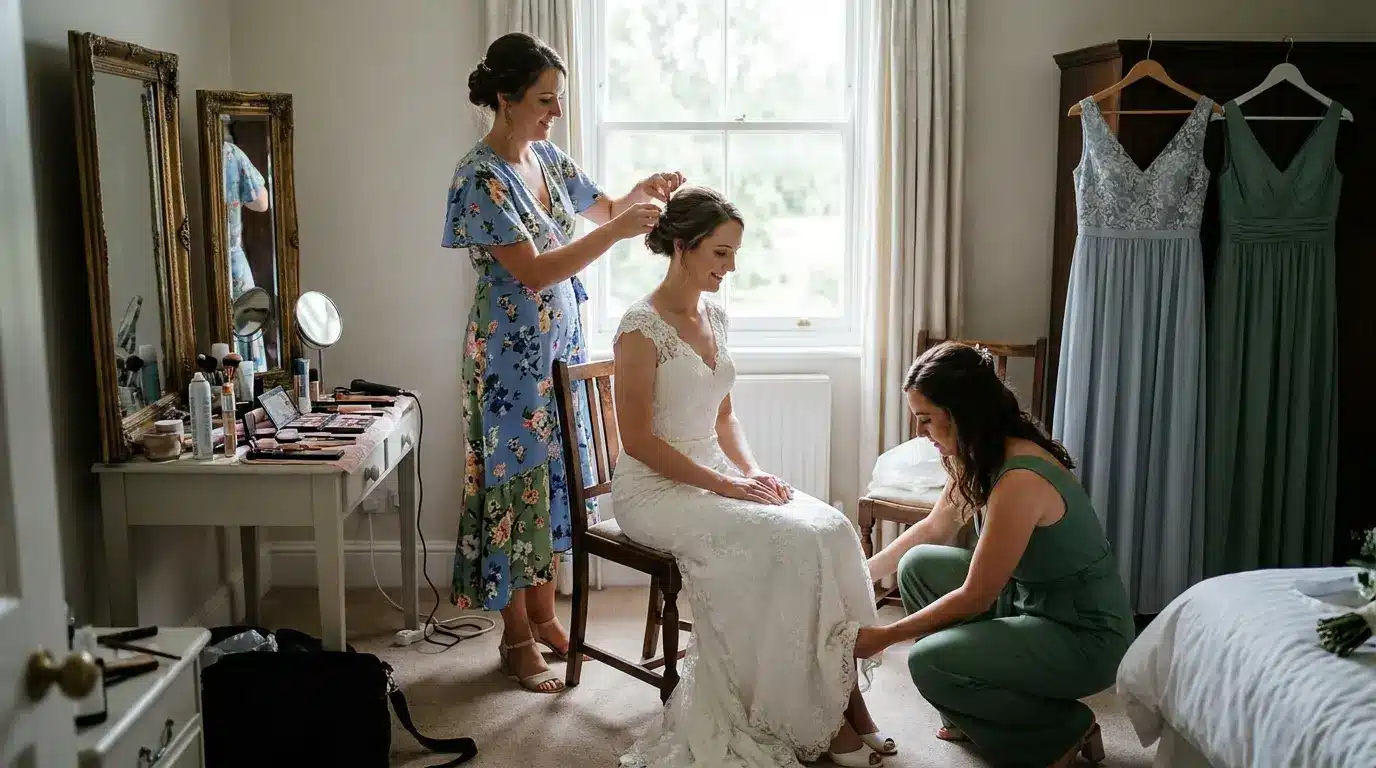
Bridesmaids are the supporting cast. They’re usually close friends or family members who stand by the bride’s side, both literally and figuratively.
Their role is important, but it’s not leadership. They support the maid of honor and the bride, not the other way around.
What bridesmaids are typically responsible for:
- Attending pre-wedding events (engagement parties, bridal showers, bachelorette parties)
- Helping with smaller planning tasks when needed
- Covering their own expenses (dress, hair, travel, etc.)
- Being there emotionally for the bride during the planning process
- Showing up on the wedding day, looking put-together, and going where they’re needed
- Participating in rehearsal dinner activities and any pre-ceremony obligations the couple has planned
Maid of Honor vs Bridesmaid: The Key Differences
This is where the distinction becomes clear. While both roles support the bride, their responsibilities, involvement, and expectations are not the same. Breaking it down makes it easier to understand who does what and where the real differences lie.
1. Level of Responsibility
The maid of honor carries the weight. She’s expected to step up, take initiative, and ensure nothing falls through the cracks. Bridesmaids are expected to show up and help when asked, but they’re not running the show.
2. Decision-Making
The maid of honor is often consulted on real decisions, venue opinions, dress choices, and timeline conflicts. Bridesmaids generally follow directions rather than give them.
3. Planning Duties
The maid of honor leads the bachelorette party, coordinates the bridal shower (sometimes), and manages the bridesmaids.
Bridesmaids help execute those plans; they chip in, contribute ideas, and do their part, but they’re not the ones organizing everything.
4. Wedding Day Role
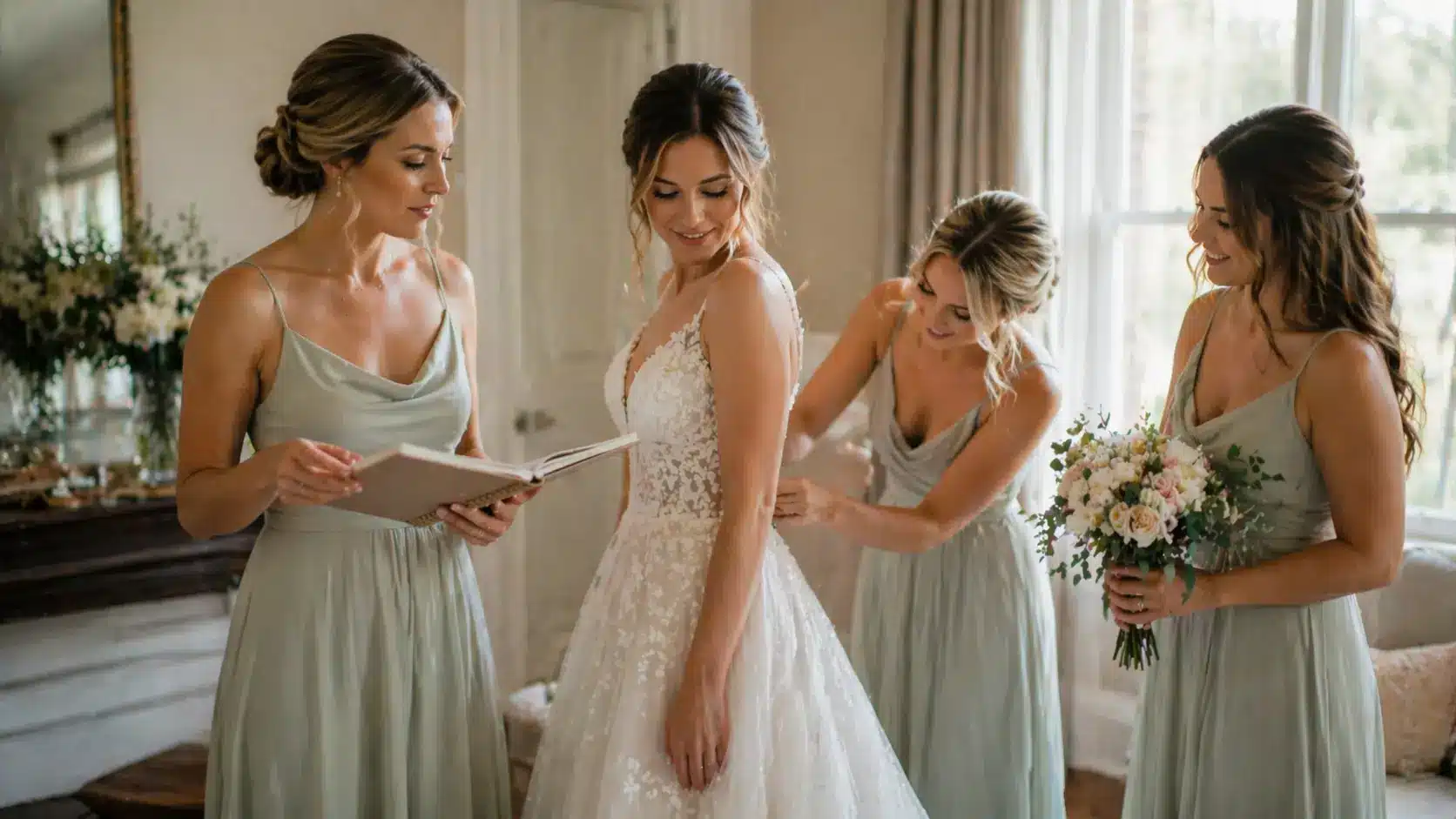
On the actual day, the maid of honor stays close to the bride almost the entire time. She’s fixing the dress, holding things, handling small emergencies, and keeping the bride calm. Bridesmaids move where they’re needed and follow the lead.
5. The Speech
The maid of honor speech is almost always delivered at the reception, while bridesmaids typically don’t give speeches unless the couple specifically asks them to.
6. Legal Role
In most US states and many other countries, the maid of honor serves as a legal witness when signing the marriage license.
This is a formal, legal responsibility that bridesmaids don’t share. It’s worth confirming the specific requirements in your state or country, since rules vary.
Quick Comparison Table
A side-by-side comparison makes the differences easier to spot. When everything is laid out clearly, the roles stop feeling similar and start making sense.
In the comparison table below, you can quickly see who does what and where the responsibilities actually differ.
| Work |
Maid of Honor |
Bridesmaid |
|
Role |
Leadership |
Support |
|
Planning |
Leads events |
Assists |
|
Decision-making |
Consulted |
Follows direction |
|
Wedding day |
Stays with the bride |
Assists as needed |
|
Speech |
Yes (typically) |
Rarely |
|
Point of contact |
Yes |
No |
Matron of Honor vs. Maid of Honor: Is There a Difference?
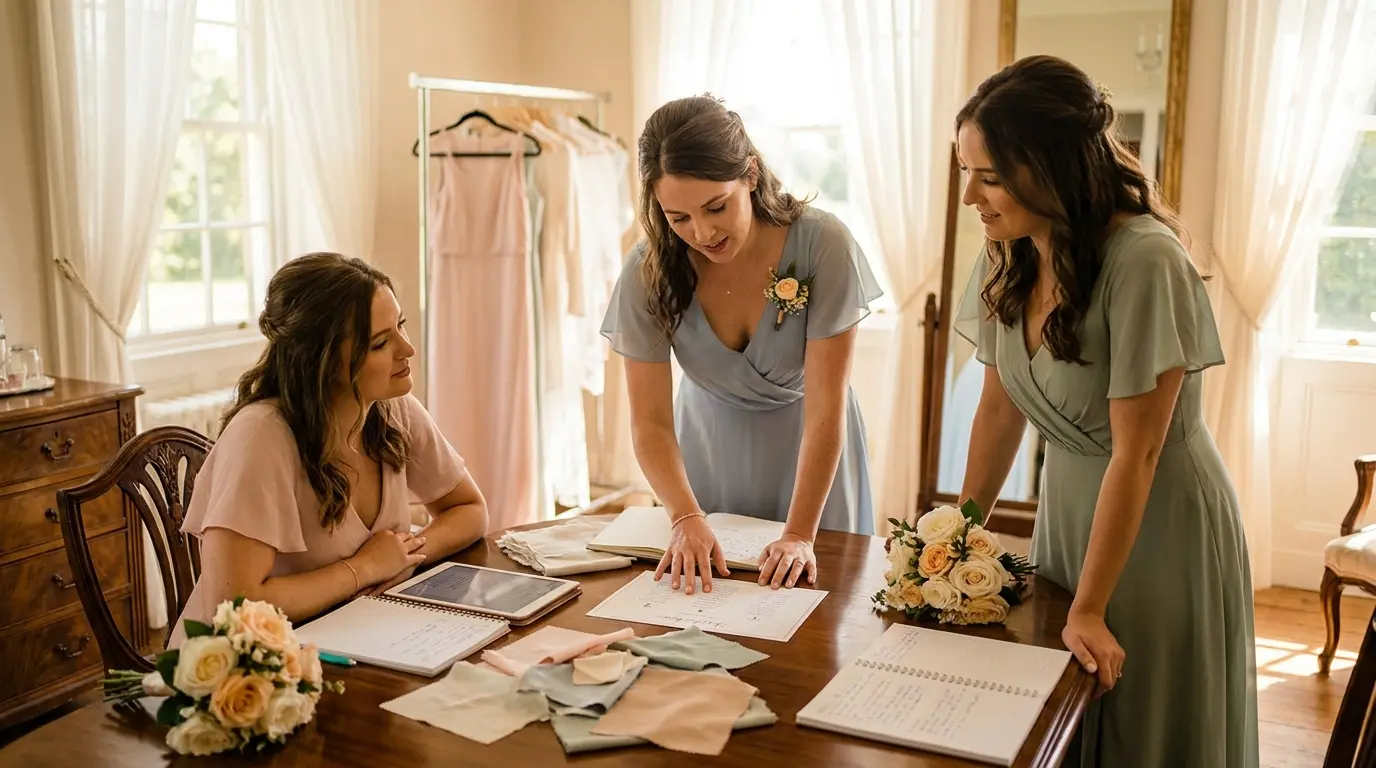
The title changes based on marital status. A maid of honor is unmarried; a matron of honor is married. The responsibilities are identical.
Some brides choose to honor both a married and an unmarried best friend by giving one person each title, effectively creating co-leads.
This is relatively uncommon but completely valid.
The term “matron” sometimes feels dated, and some people simply use “maid of honor” regardless of marital status. Either is fine.
Maid of Honor and Other Modern Variations
Bridal party roles are no longer strictly gendered. A man of honor (or honor attendant) is increasingly common and carries all the same responsibilities as a maid of honor.
Similarly, a “best woman” can stand on the groom’s side, and mixed-gender bridal parties are now standard at many weddings.
The titles shift; the responsibilities don’t. Whoever holds the lead role is responsible for coordination, planning, and emotional support, regardless of what they’re called.
Can You Have More Than One Maid of Honor?
Yes, co-maids of honor are a real thing, and they work well in certain situations.
If you have two people who are equally close to you and you genuinely can’t choose, splitting the role makes sense. The workload gets divided, and nobody feels left out.
The downside? Coordination becomes trickier.
If two people need to communicate well and agree on responsibilities, things will slip through the cracks. It works best when both people are organized, close with each other, and clear on who’s handling what.
How to Choose Your Maid of Honor and Bridesmaids (Without Regret)
Choosing your maid of honor and bridesmaids isn’t just about who you’re closest to; it’s about who can actually handle the role.
The wrong choice here doesn’t just sit quietly in the background. It creates stress, delays, and unnecessary problems during planning.
- Reliability over Emotion: Choosing someone just because they’re your “best friend” is a mistake if they can’t follow through. Good intentions don’t execute plans.
- Capability Matters, Not Just Enthusiasm: Excitement doesn’t equal competence. Your maid of honor needs to handle logistics, not just hype you up.
- Organizational Ability is Critical (especially for The Maid of Honor): This role involves coordination, planning, and problem-solving. If she’s disorganized, everything slows down.
- Availability (Time + Budget) is Non-Negotiable: If someone is too busy or financially stretched, they will drop the ball, no matter how much they care.
- Define Roles Clearly from The Start: If expectations aren’t clear, people either overstep or do nothing. Both create problems.
At the end of the day, this comes down to execution. The people you choose should make things easier, not harder. Pick based on reliability and capability, not just history or emotion.
Do You Even Need a Maid of Honor?
No. It’s completely optional.
Modern weddings look all kinds of ways. Some brides skip the formal hierarchy altogether. Some have a small group of two or three people with no designated “lead.” Some have a man of honor instead of a maid of honor. Some skip the bridal party entirely.
If the traditional structure doesn’t suit you, don’t force it. What matters is having people around you who are supportive, reliable, and actually helpful, whatever you call them.
Final Thoughts
Here’s the simple version: the maid of honor leads, bridesmaids support.
One role carries more weight, more responsibility, and more involvement in the planning process. The other is about showing up, being present, and backing the bride without taking charge.
When choosing people for either role, go beyond the emotional pull. Focus on who will actually show up, follow through, and make your experience easier, not more stressful.
Pick people who get things done. That’s the real secret to a bridal party that works.
Frequently Asked Questions
Is the Maid of Honor More Important than Bridesmaids?
Yes, the maid of honor has more responsibility and a leadership role in the bridal party. Bridesmaids support the bride, but the maid of honor helps manage and coordinate everything.
Can You Have More than One Maid of Honor?
Yes, you can have co-maids of honor if you have two equally important people. Just make sure responsibilities are clearly divided to avoid confusion.
What Does a Bridesmaid Do Compared to a Maid of Honor?
A bridesmaid supports the bride by attending events and helping when needed. The maid of honor takes on a more active role in planning and leading the bridal party.