

Every rom-com I’ve sat through skips straight to the first dance. The ceremony is five minutes long, everyone cries, and suddenly there are fairy lights everywhere, and nobody is explaining what just happened.
I’ve helped plan enough celebrations to know that the gap between those two moments is actually the whole ballgame.
The wedding ceremony and wedding reception are two very different events with different purposes.
A wedding reception is the celebration that follows the ceremony, typically lasting four to six hours, where guests eat, give toasts, and dance until the venue shuts it all down.
If you’re planning one or just trying to know what to expect as a guest, here’s how the two parts work and what actually happens at a wedding reception.
What Is a Wedding Reception?
A wedding reception is the celebration that follows the wedding ceremony. Think of it this way: the ceremony is where you exchange vows and make things official.
The reception is where everyone eats, drinks, dances, and actually celebrates what just happened. It’s less formal and way more interactive.
You’ll usually find dinner or appetizers, a cake-cutting moment, toasts from people who love you, and a dance floor that starts out empty but fills up fast.
Some receptions are sit-down dinners at fancy venues. Others are backyard barbecues or brunch gatherings. The vibe changes depending on what feels right for the couple.
What Is a Wedding Ceremony?
A wedding ceremony is the formal part of the wedding in which two people actually get married. This is where vows are exchanged, rings are exchanged, and someone official (like an officiant or religious leader) makes the marriage legal.
It’s usually shorter than the reception and feels more structured. You’ve got processional music, readings, maybe some unity rituals like lighting a candle or pouring sand together.
The ceremony can happen in a church, at a courthouse, on a beach, or pretty much anywhere that feels meaningful. Religious ceremonies follow specific traditions, but secular ones let you customize almost everything.
Key Differences Between Wedding Ceremony and Reception
Now that you know what each part involves, here is how they actually differ. The ceremony and reception serve completely different purposes, and understanding that helps you plan, or just know what to expect as a guest.
| Aspect | Wedding Ceremony | Wedding Reception |
|---|---|---|
| Purpose | Make the marriage official | Celebrate the newlyweds |
| Length | 20-40 minutes typically | 3-5 hours usually |
| Vibe | Formal and structured | Relaxed and social |
| Activities | Vows, rings, readings | Dinner, dancing, toasts, cake |
| Guest Role | Watch and witness | Eat, mingle, celebrate |
| Typical Cost | Lower (venue, officiant, décor) | Higher (catering, bar, entertainment) |
Both parts matter, but they give you completely different experiences. One makes it legal. The other makes it a party.
Wedding Reception Timeline: What to Expect
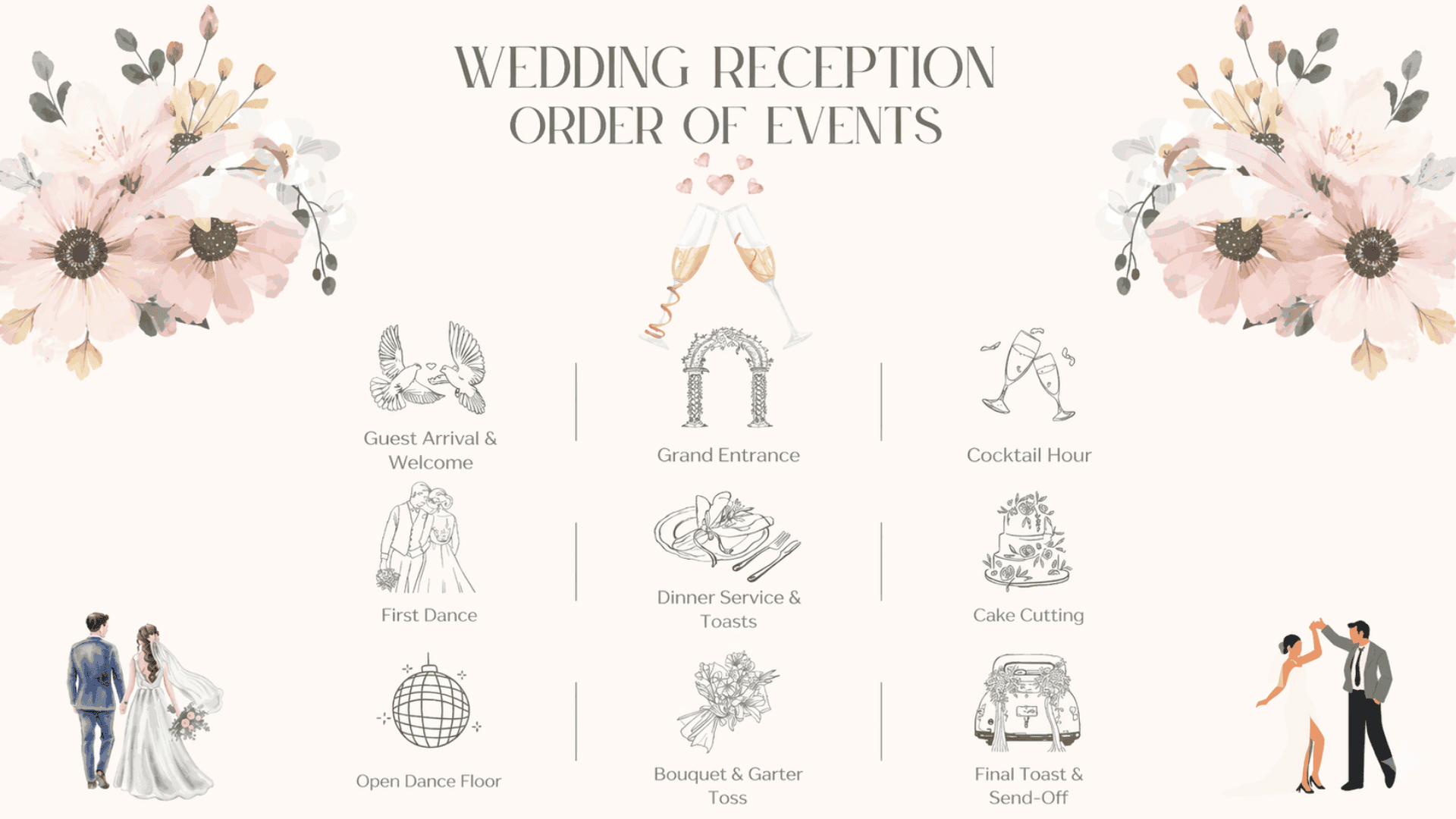
Receptions usually follow a loose timeline, though every couple tweaks it to fit their style. Most wedding receptions run anywhere from three to six hours. You don’t have to stick to this exactly, but here’s how most receptions flow.
Timeline:
- Guest Arrival and Welcome (15-30 minutes) – Guests start showing up at the venue, find their seats, and get oriented. Some couples have a receiving line here so they can greet everyone personally.
- Grand Entrance (15 minutes) – The newlyweds walk in, and the party officially starts. Cue the cheering and maybe some fun entrance music.
- Cocktail Hour (30-60 minutes) – Guests arrive, grab drinks and appetizers while you sneak away for photos. This gives everyone time to settle in and mingle.
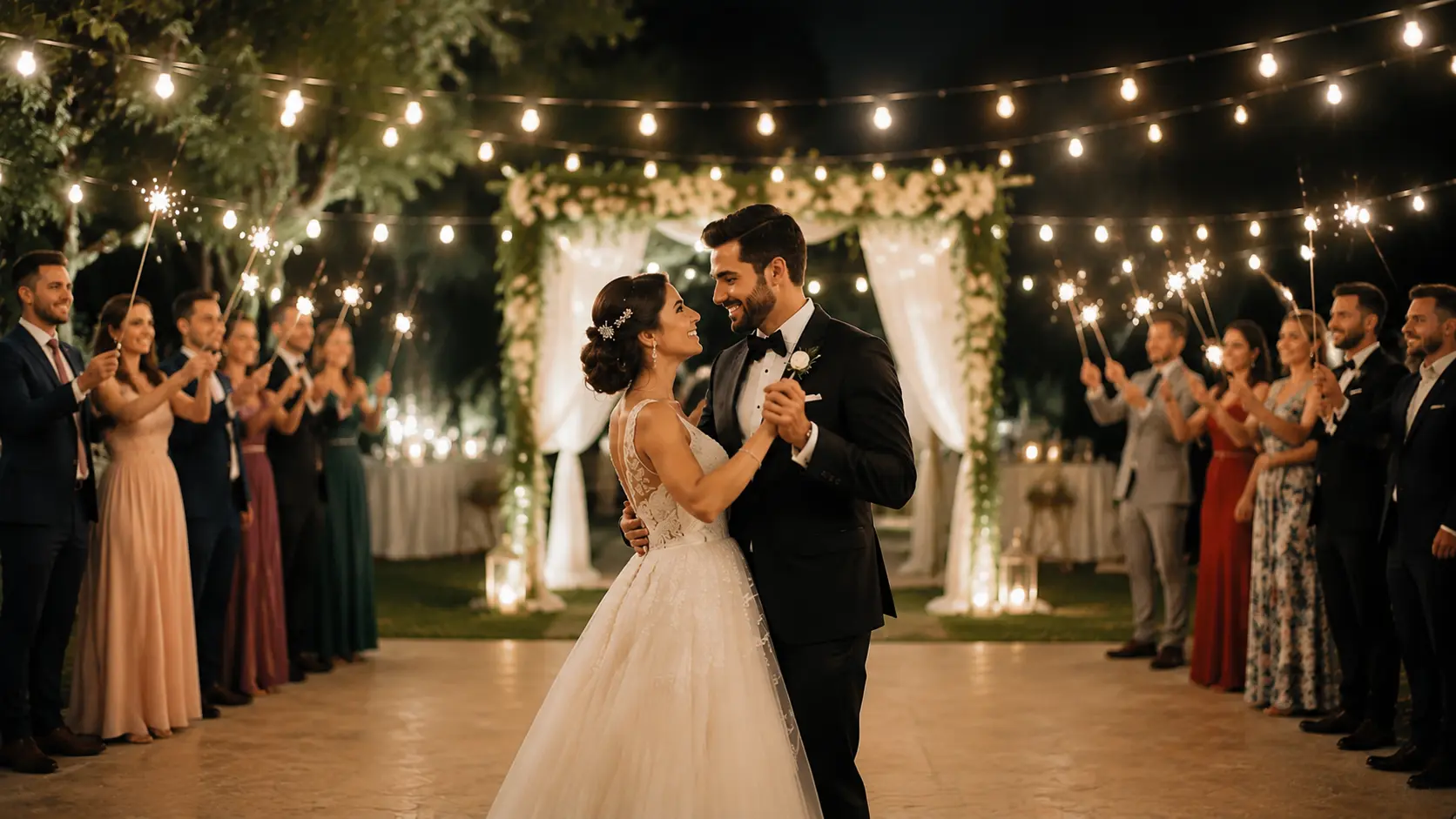
- First Dance (5-8 minutes) – You and your partner kick off the dancing. Some couples keep it short and sweet.
- Dinner Service (45-90 minutes) – Everyone eats while music plays softly in the background. This is when guests relax and catch up.
- Toasts (15-30 minutes) – Best man, maid of honor, and sometimes parents give speeches. These can be hilarious, emotional, or both. If you’re the one giving that toast, knowing your full set of duties ahead of time makes the whole role feel a lot less confusing.
- Cake Cutting (10 minutes) – Quick photo op that’s become a classic tradition, followed by dessert service.
- Open Dancing (1-2 hours) – The dance floor opens up, and things get fun. This is usually the longest part.
- Bouquet and Garter Toss (10 minutes) – Optional traditions some couples skip entirely.
- Send-Off (10-15 minutes) – Sparklers, bubbles, or just goodbyes as you head out.
Some receptions squeeze everything in. Others skip half of this and focus on what matters most to them. The timeline matters less than making sure you actually enjoy the night.
Can You Have One Without the Other?
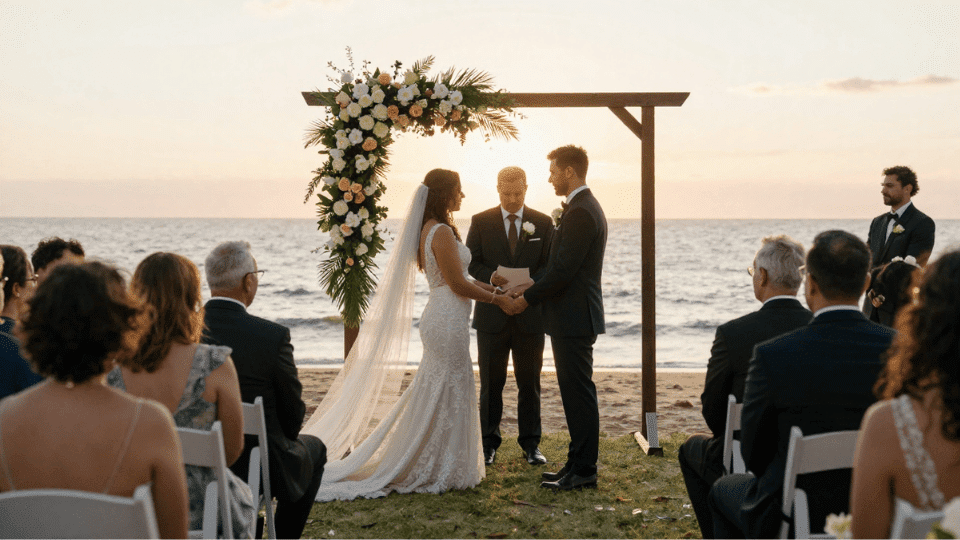
Technically, yes. You can absolutely have a wedding ceremony without throwing a reception afterward. Some couples do a simple courthouse wedding or elopement and skip the party entirely.
Others have the ceremony with close family and then host a casual get-together later instead of a formal reception. And believe it or not, some people throw reception-style parties without doing a legal ceremony that day.
Think vow renewals or destination weddings, where the legal part happens separately. There’s no rule saying you need both. It really just depends on what feels right for you and your budget.
Wedding Reception Ideas
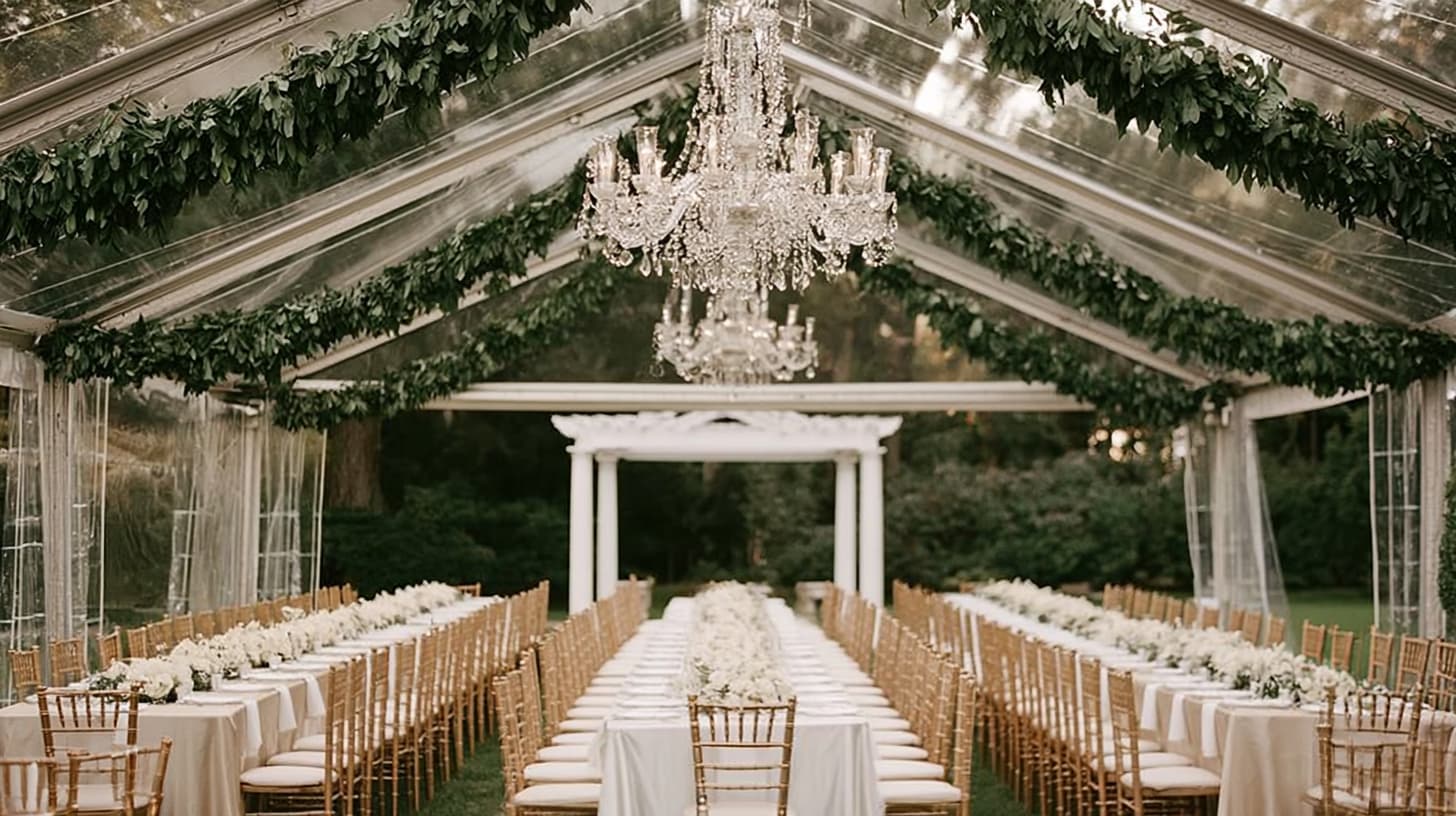
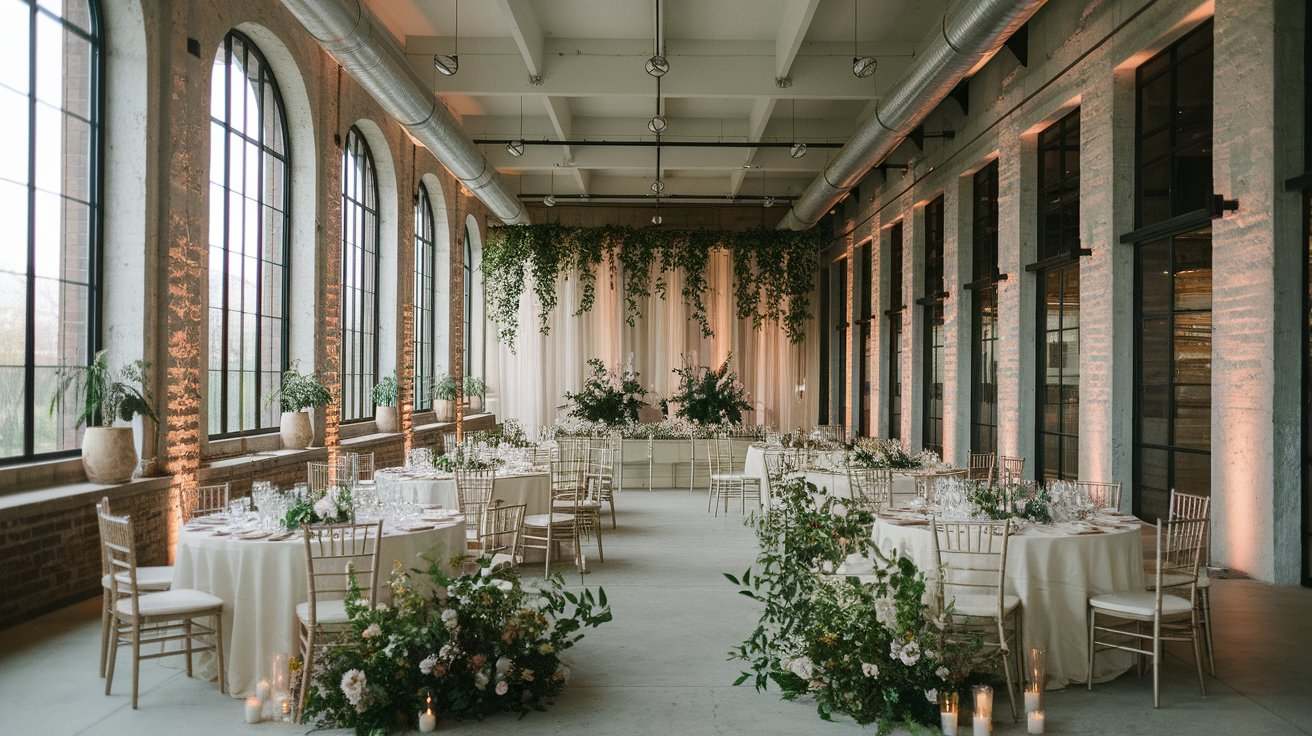
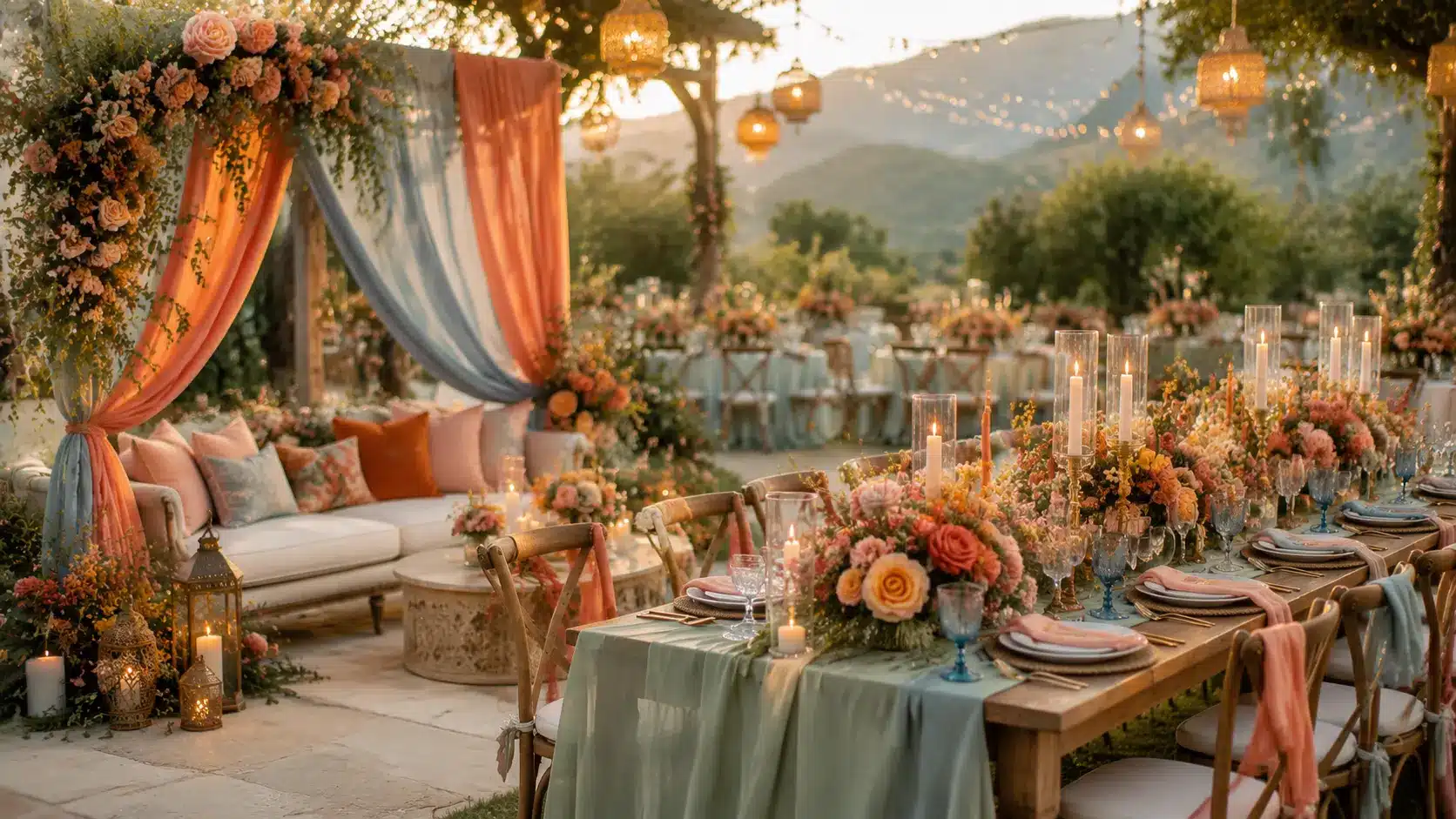
Your reception is where the real celebrating happens. The food, the lighting, the little details all come together to create the night your guests will talk about for years. Here are some ideas to make it feel yours genuinely.
1. Candlelit Entrance
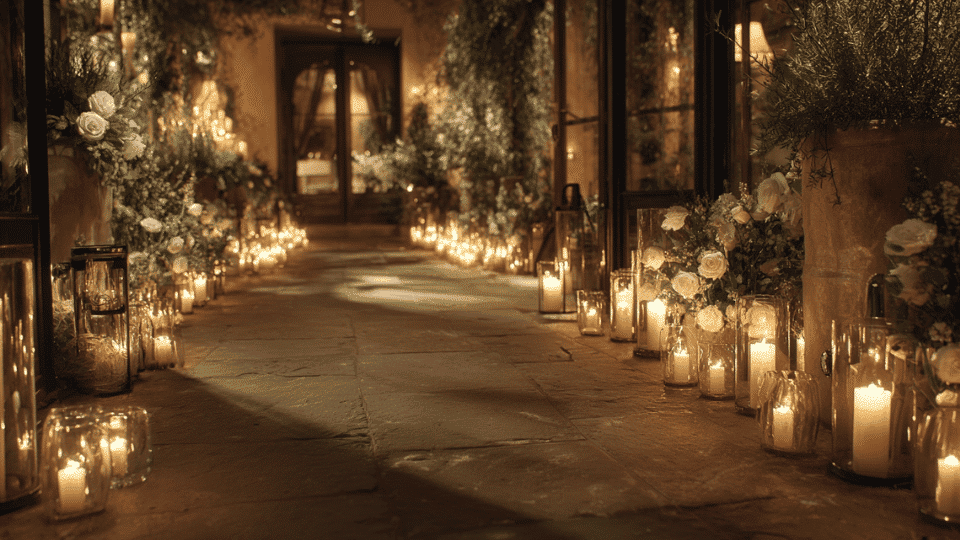
Walking into a room full of candles just hits differently. Line your entrance with pillar candles, lanterns, or small tea lights in glass holders.
It sets the mood before guests even reach their seats. You don’t need hundreds; a few well-placed clusters do the trick. And it photographs beautifully, too.
2. Late-Night Snack Bar

By midnight, everyone’s hungry again, and a snack bar saves the day. Set up a table with mini sliders, fries, or even chips and dip.
It keeps the energy going when the dance floor heats up. You can match the food to your theme or just go with crowd favorites. Either way, guests will love it.
3. Cozy Lounge Corner
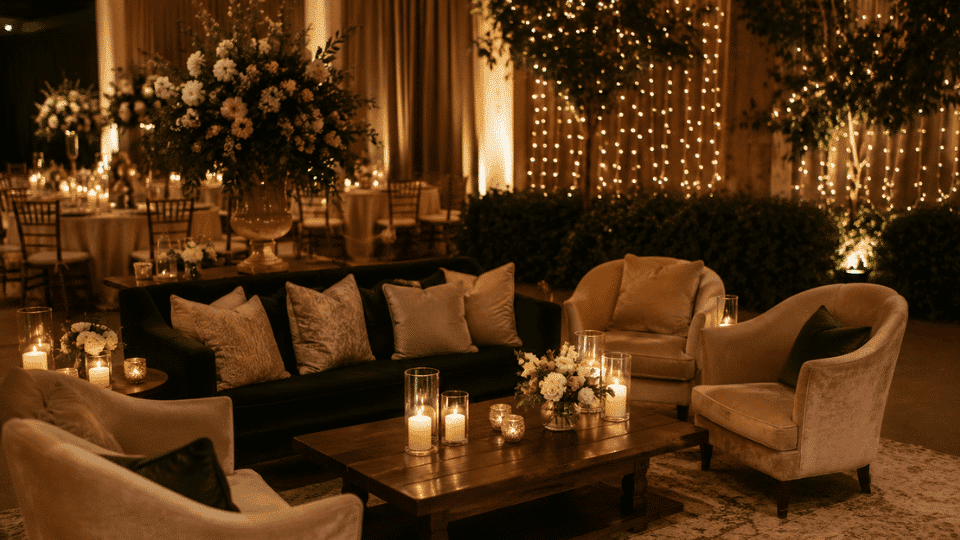
Not everyone wants to dance all night, and that’s totally fine. Create a corner with plush chairs, throw pillows, and a low coffee table.
It gives guests a place to sit, chat, and actually enjoy the evening. Add some candles or fairy lights to make it feel inviting. It’s a small touch with a big payoff.
4. String Light Ceiling
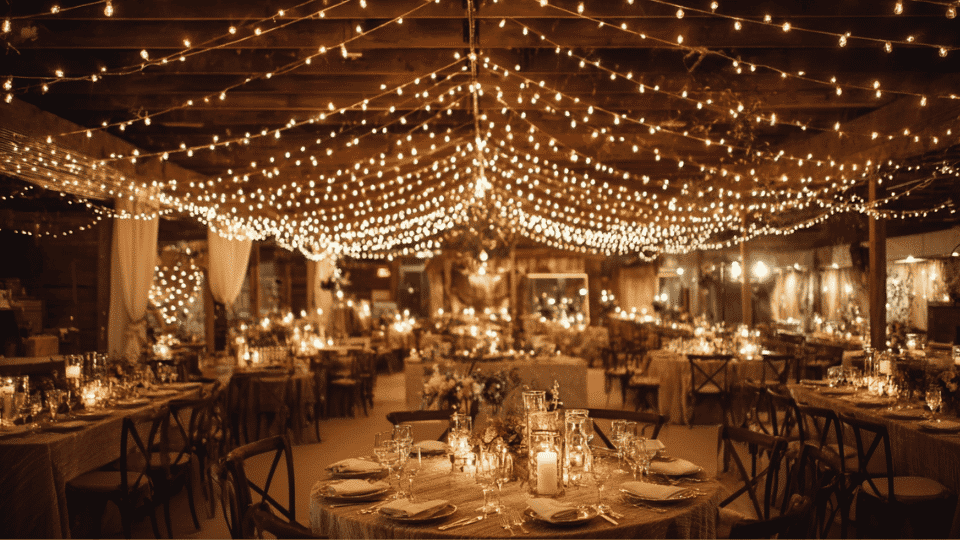
String lights turn any venue into something out of a dream. Drape them across the ceiling in layers or in a crisscross pattern for a warm, glowy effect.
You can go with warm white for a classic look, or try Edison bulbs for a more rustic look. Either way, the whole room feels magical, and your photos will thank you.
5. Signature Cocktails
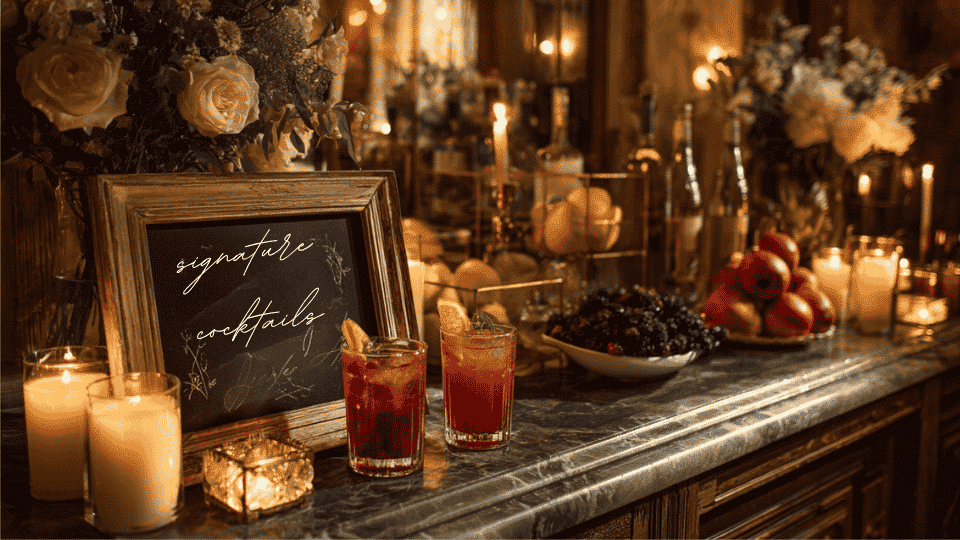
A signature cocktail makes your wedding feel personal. Work with your bartender to create one or two drinks that reflect you and your partner, maybe something with your favorite fruits or a nod to where you met.
Display them on a chalkboard sign. Guests love ordering something special rather than choosing from a standard menu.
6. Vintage Tableware
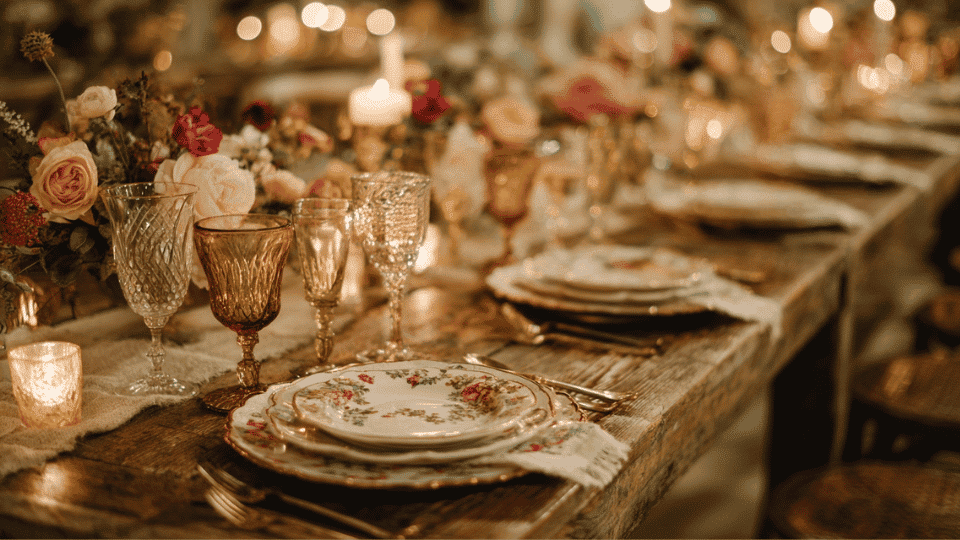
Mismatched vintage plates and glassware give your table an effortless, collected-over-time look. You can rent them or hunt for pieces at thrift stores and estate sales.
It adds warmth and character without a huge budget. Pair them with simple linen napkins and fresh flowers, and your tables will look like something from a beautiful old film.
7. Live Dinner Music
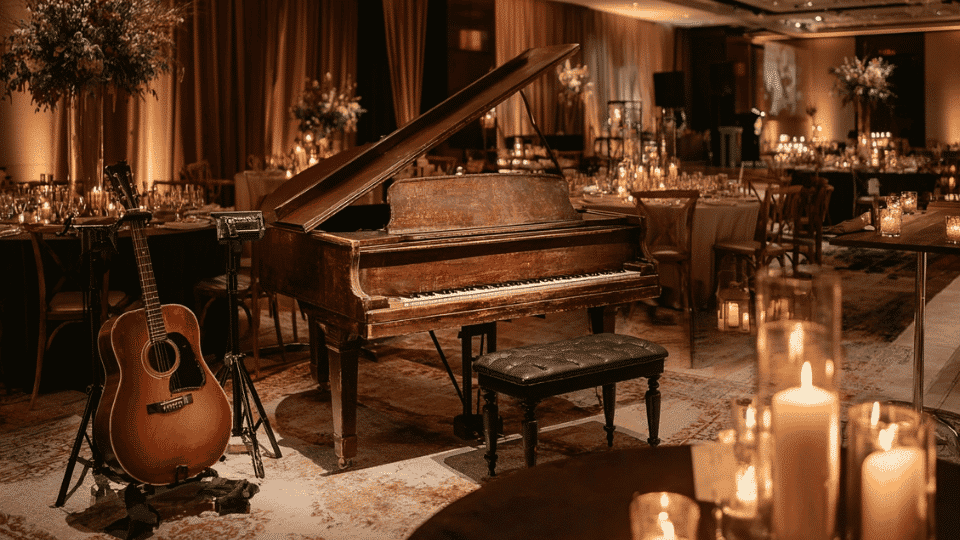
Background music during dinner makes the whole meal more enjoyable. Hire a jazz trio, a string quartet, or even a solo acoustic guitarist, whatever fits your vibe.
Keep the volume low enough that guests can still talk. Live music adds a warmth that a playlist just can’t match, and it gives your evening a real sense of occasion.
8. Dessert Table
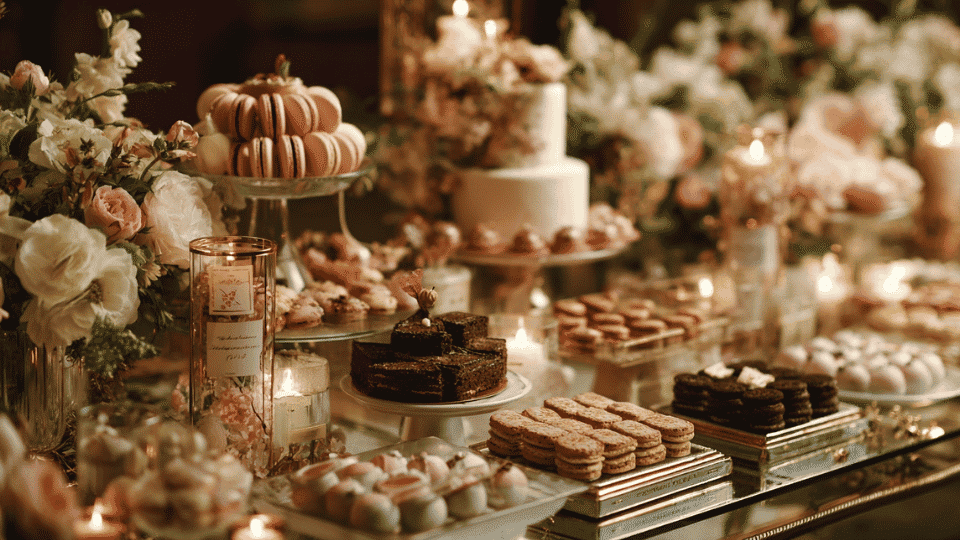
A dessert table is a dream come true for guests with a sweet tooth. Fill it with macarons, brownies, mini tarts, cake pops, and whatever else you love.
Label everything with cute little signs. You can tie in your color palette here, too, and it doubles as a beautiful display before anyone takes a single bite.
9. Seasonal Flowers
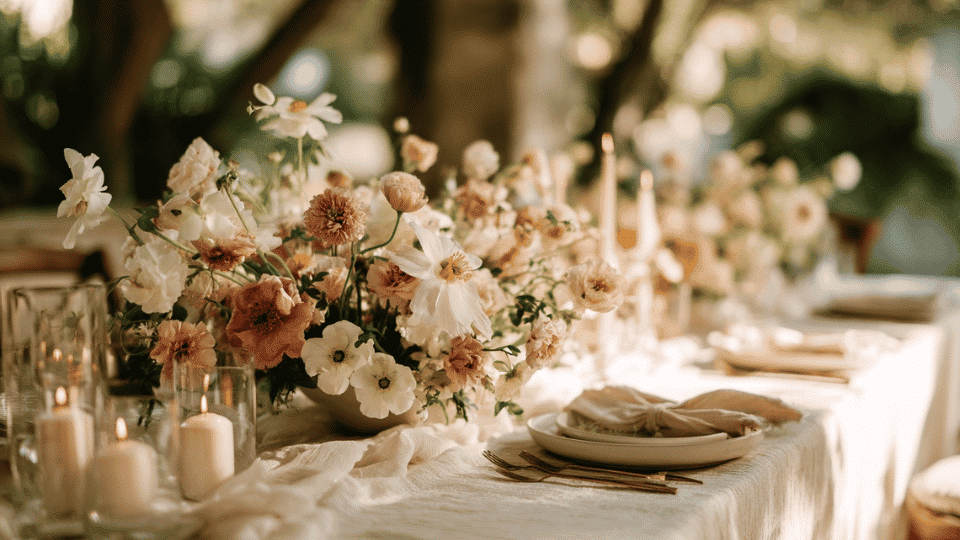
Using in-season flowers keeps costs down without sacrificing beauty. Talk to your florist about what’s blooming around your wedding date.
Seasonal blooms look fresher, last longer, and feel more natural than forced, out-of-season stems. Mix textures and heights for a relaxed, garden-style look that feels intentional but never overdone.
10. Custom Dance Floor
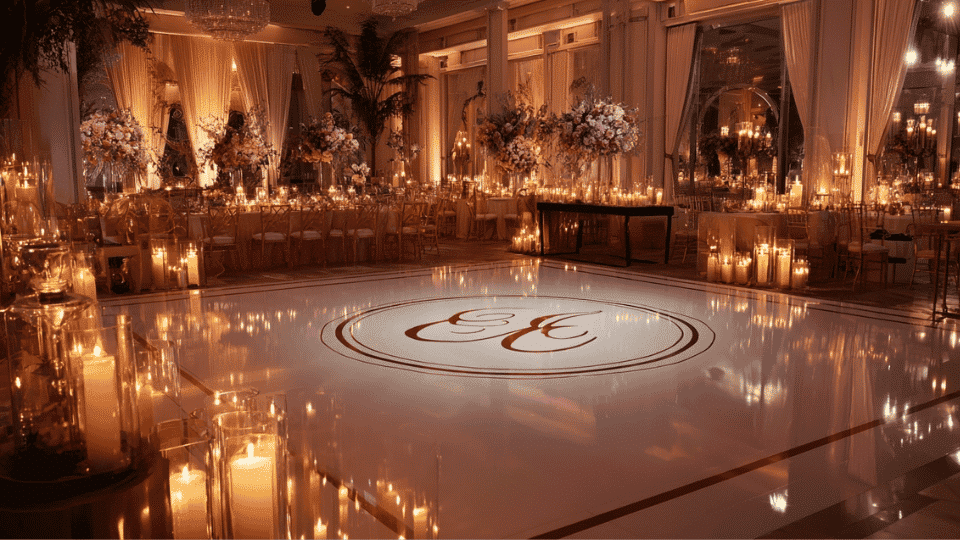
Your dance floor doesn’t have to be plain. Add a monogram, pattern, or floral design with vinyl decals or a custom floor wrap.
It’s one of those things guests won’t expect but will absolutely notice. Place it in the center of the room so it becomes the focal point, especially once the dancing really gets going.
11. Taco or Pizza Station
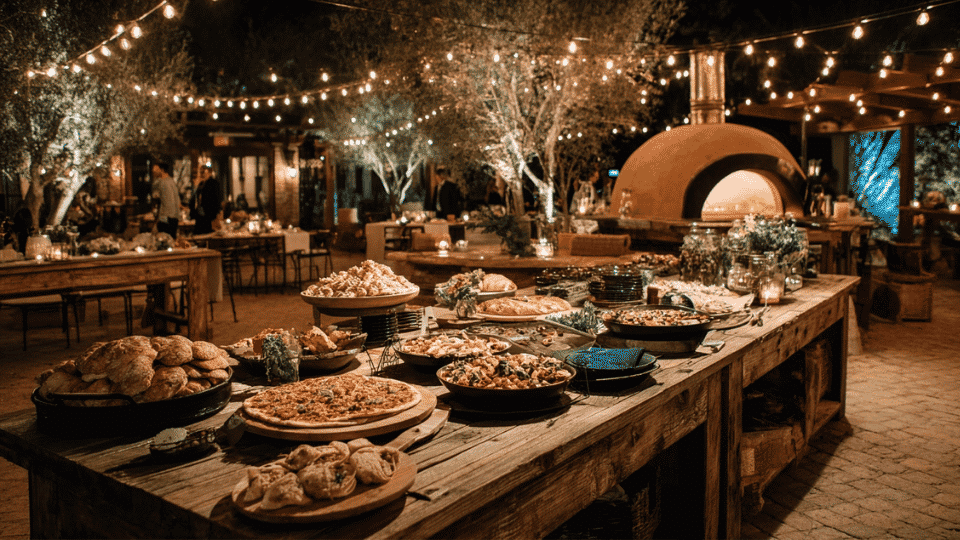
Interactive food stations are always a hit. Set up a taco bar with all the toppings laid out, or go with a wood-fired pizza station for something a little more theatrical.
Guests can build their own plates, which makes it fun and keeps everyone happy. It’s casual, delicious, and a great conversation starter too.
12. Handwritten Place Cards
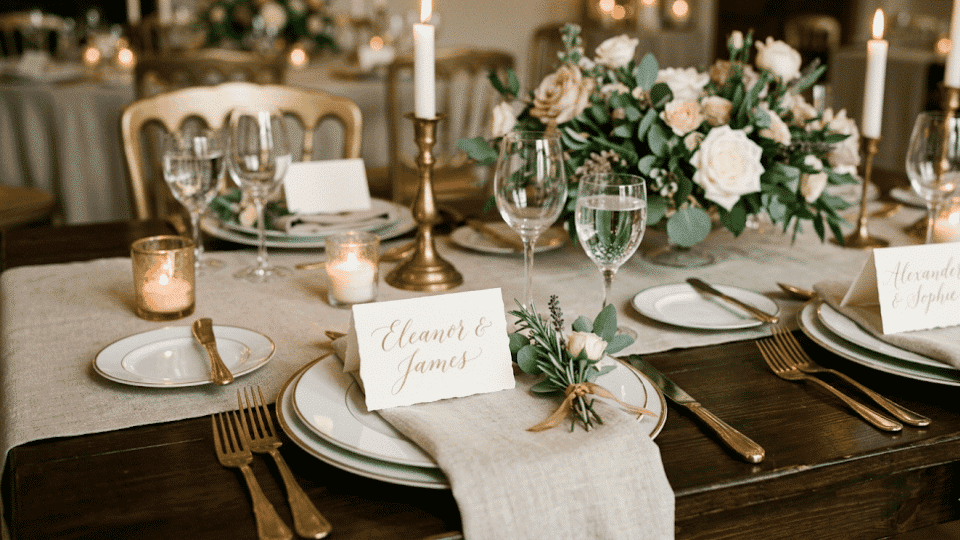
There’s something warm about seeing your name written by hand. Handwritten place cards feel personal and considered, like someone actually thought about where you’d sit.
Write them yourself if you have the time, or hire a calligrapher for a polished finish. Add a small sprig of herbs or a flower to each one for an extra touch.
13. Sunset Cocktail Hour
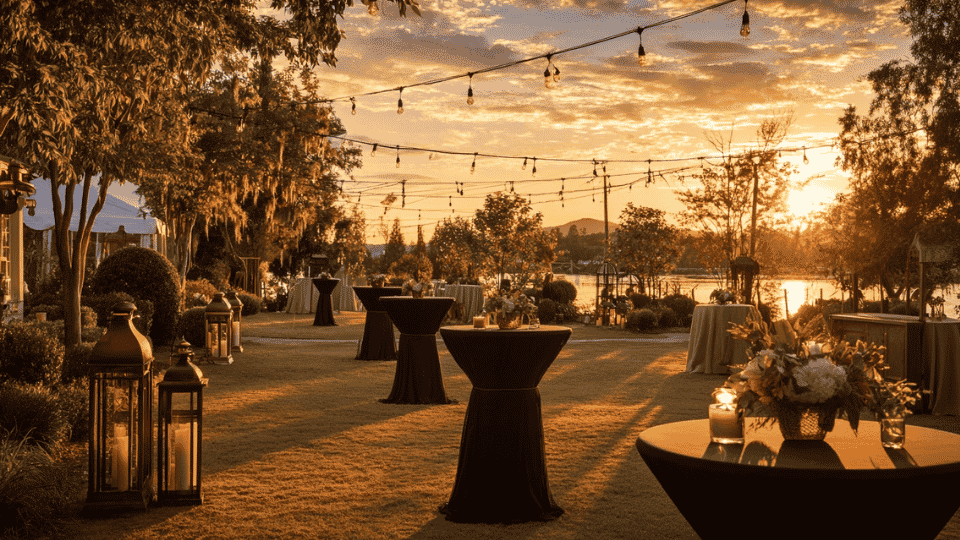
If your venue has outdoor space, use it. A sunset cocktail hour gives guests a chance to breathe, mingle, and soak in the golden light before heading inside.
Set up a few high-top tables, a drink station, and some light bites. It’s relaxed, beautiful, and sets a lovely tone for the rest of the night.
14. Instant Cameras
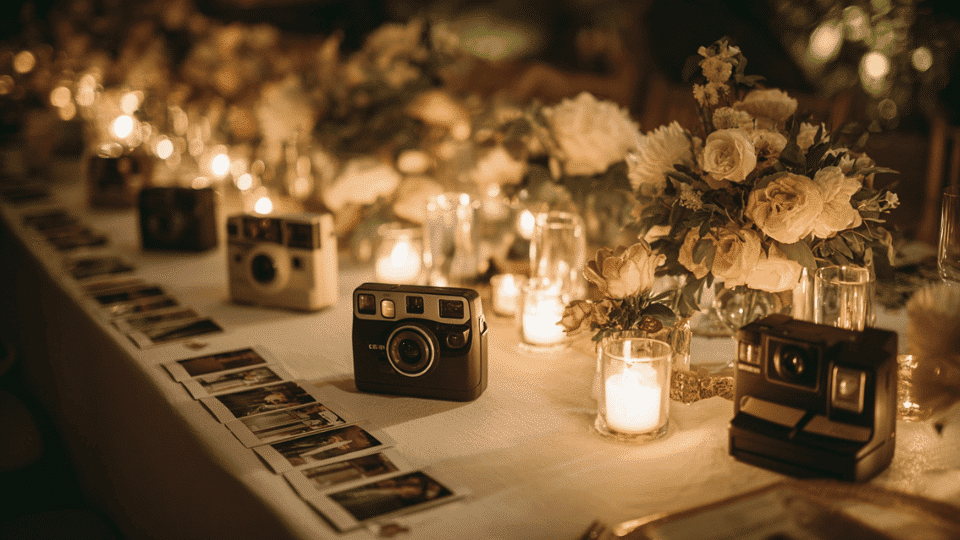
Put disposable or instant cameras on each table and let guests go wild. They’ll capture candid moments you’d never get from a professional photographer, the silly toasts, the dance floor chaos, and the quiet in-between moments.
Collect the cameras at the end or ask guests to leave the photos in a basket. Simple, fun, and genuinely memorable.
15. Sparkler Exit
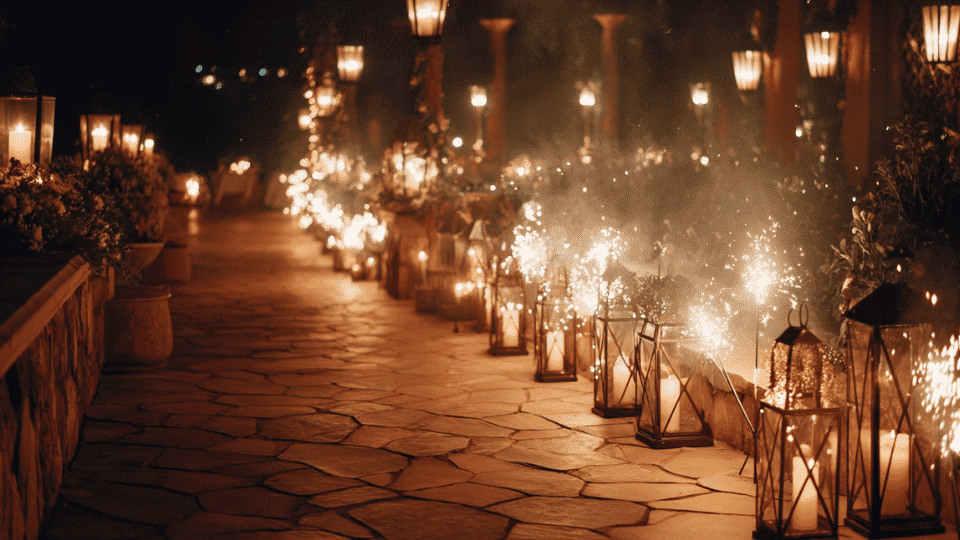
End the night on a high note with a sparkler exit. Hand them out to your guests, line everyone up in two rows, and walk through as a couple.
It’s dramatic, joyful, and makes for incredible photos. Just make sure your venue allows it, and have someone ready to hand them out so the whole thing runs smoothly.
You don’t have to do everything on this list. Pick a few ideas that actually feel like you. The best receptions are personal, warm, and a little bit fun. Trust your instincts, and enjoy every single moment of it.
Planning Tips for Your Reception
Planning a wedding reception can feel overwhelming when you start looking at all the details. But focusing on a few key areas makes the whole process way more manageable.
- Set a realistic budget early: Know what you can afford before you fall in love with things you can’t. Food and drinks usually take up the biggest chunk. Check average reception costs by region to see what couples in your area are actually spending.
- Pick your venue first: The space sets the tone for everything else. Once you book it, other decisions, like décor and catering, become easier.
- Don’t skip the seating chart: It sounds tedious, but putting thought into who sits where keeps things smooth and helps shy guests feel comfortable.
- Hire a good DJ or band: Music makes or breaks the vibe. Meet with them beforehand and share what you actually want to hear.
- Build in buffer time: Things run late. Toasts go long. Plan for it so you’re not stressed when the timeline shifts.
You don’t need everything perfect. Just focus on what’ll make the night feel like yours. The people showing up care way more about celebrating you than they do about matching napkins.
Final Thoughts on the Wedding Reception
A wedding reception is where the ceremony turns into a real celebration. One part of the day makes the marriage official. The other makes sure everyone who loves you gets to be part of it.
The timeline, the planning, the budget, those are just the logistics. What couples actually remember is whether they felt present, whether they got to eat the food, and whether they heard the speeches without watching the clock.
Keep that in the back of your mind as you plan.
Drop a comment below and tell us what part of the reception you’re most looking forward to, or most stressed about.
Frequently Asked Questions
Who Usually Pays for a Wedding Reception?
The couple, their families, or both usually pay for the wedding reception. Traditionally, the bride’s family covers most of the cost, but now couples often share the expenses.
Does a Wedding Reception Include Dinner?
Yes, a wedding reception typically includes dinner or a meal for guests, ranging from a sit-down dinner to a buffet or lighter options.
How Many Hours Is a Wedding Reception?
A wedding reception usually lasts 4 to 6 hours, depending on the couple’s preferences and schedule.