


I have helped plan more bridal showers than I can count, and I still notice the same thing every time: the small celebrations always feel the most alive.
The ones where everyone actually gets to speak to the couple, the food feels intentional, and nobody is managing a seating chart for 200 people.
A micro wedding works on exactly the same idea. It is a small wedding, typically with 50 or fewer guests, built around the people who genuinely matter most to you.
You still get the ceremony, the flowers, the photos, and the dinner. You just skip the crowd.
This guide covers what a micro wedding is, how it compares to an elopement, what it costs, and how to plan one.
What is a Micro Wedding?
A micro wedding is a small wedding with a short guest list, often composed of close family and friends. It still includes many traditional elements, like a ceremony, food, decor, and
photos, but in a more intimate setting.
You may also hear the word minimony. A minimony is usually a very small ceremony, often held after a wedding reception.
Micro Wedding vs. Elopement: What’s the Difference?
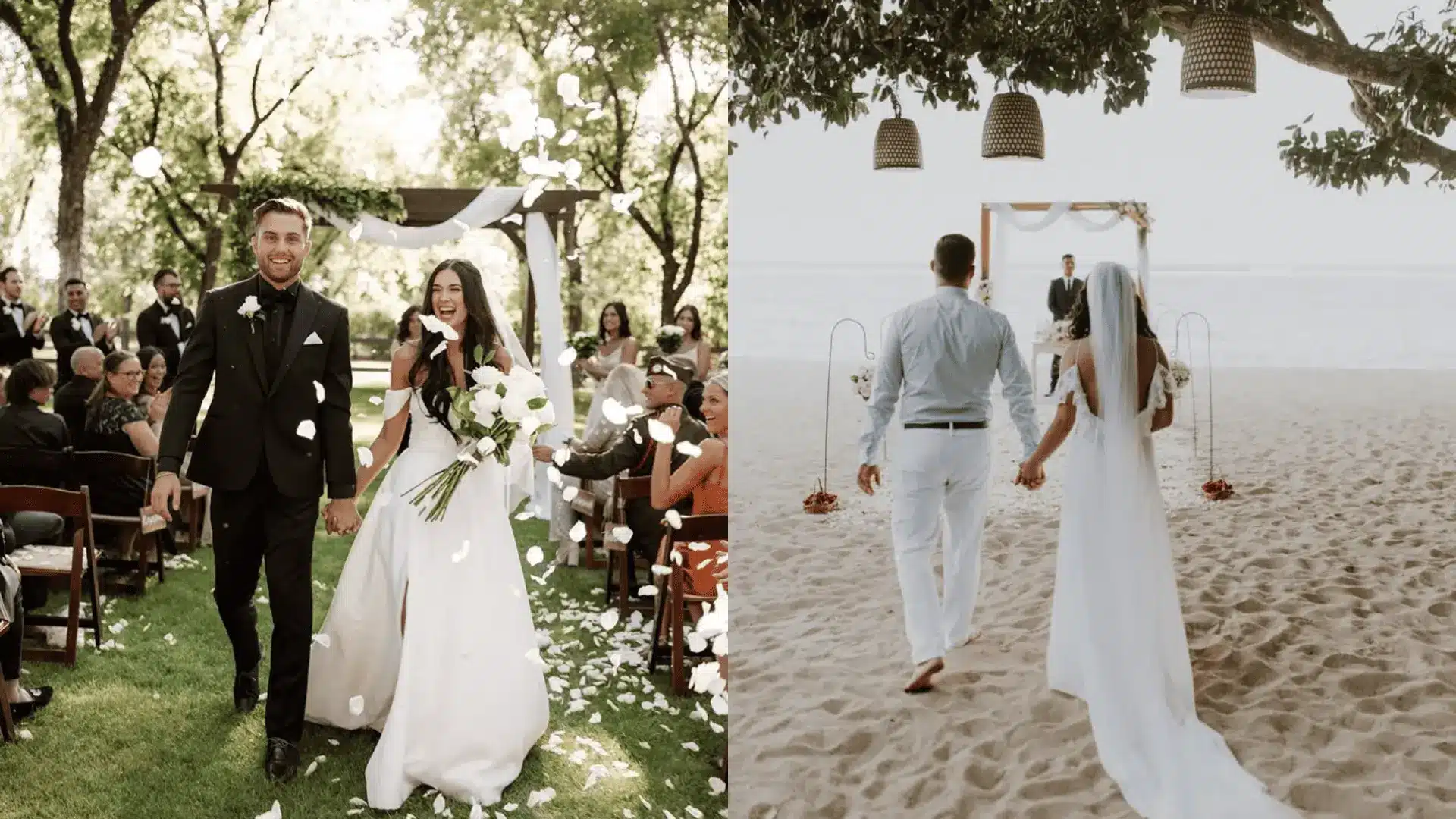
Choosing between these two intimate wedding styles can feel confusing, but understanding their differences makes it easier to decide what suits you best.
| Aspect | Micro Wedding | Elopement |
|---|---|---|
| Guest List | Typically 20–50 guests, usually close family and friends | Usually just the couple or very few people |
| Planning | Requires some planning (venue, decor timeline) | Minimal planning, often quick to arrange |
| Cost | Budget-friendly but includes event costs | Typically, the most affordable option |
| Experience | Feels like a full celebration with loved ones | Focused on a private, intimate ceremony |
| Setting | Often held at a venue or planned space | Can happen anywhere (mountains, courthouse, destination) |
| Focus | Celebration + ceremony | Ceremony and personal connection |
Both options offer meaningful experiences, so your choice should reflect whether you value sharing the moment or keeping it beautifully private.
Benefits of a Micro Wedding
Choosing a micro wedding offers numerous advantages, from a more relaxed atmosphere to lower expenses. Let’s take a look at why this trend has been catching on.
- Personalized Experience: With fewer guests, you have the freedom to customize every aspect of your wedding, ensuring it truly reflects your personality as a couple.
- Quality Over Quantity: You can focus on providing your guests with a high-quality experience, including gourmet catering, unique decor, and even top-tier entertainment.
- Less Stress: With fewer moving parts, planning a micro wedding can be much less stressful and overwhelming than a traditional wedding.
- More Time with Loved Ones: The smaller guest list lets you spend more meaningful time with the people who matter most.
- Affordable: Micro weddings are much more affordable, allowing you to save on many of the elements that make traditional weddings expensive.
The most important benefit is that you get to create a wedding that suits your style, values, and priorities, without feeling pressured by societal expectations of what a “big wedding” should look like.
Practical Tip: If you are livestreaming the ceremony for guests who cannot attend in person, mention this when you reach out. It is a small gesture that makes a real difference, especially for family members who live far away or cannot travel.
How to Build Your Micro Wedding Guest List
The guest list is where most micro wedding plans get complicated. With only 20 to 50 seats, every name on the list carries weight, and getting this right early makes every other decision simpler.
Start with the people you would call first with big news: immediate family and your closest friends. From there, work outward only if space genuinely allows.
The key is setting your number before any conversations begin.
If you have 30 guests in mind, commit to 30 before you tell anyone. Once you start making exceptions on one side of the family, you will need to match them on the other.
One thing couples consistently run into is family pressure about the short list. The best way to handle questions is to be consistent: this was an intimate celebration, and the size was not a personal slight against anyone.
If there are people you want to celebrate with but cannot include, a casual post-wedding dinner works well and keeps those relationships intact.
How to Plan a Micro Wedding (Ideas and Tips)
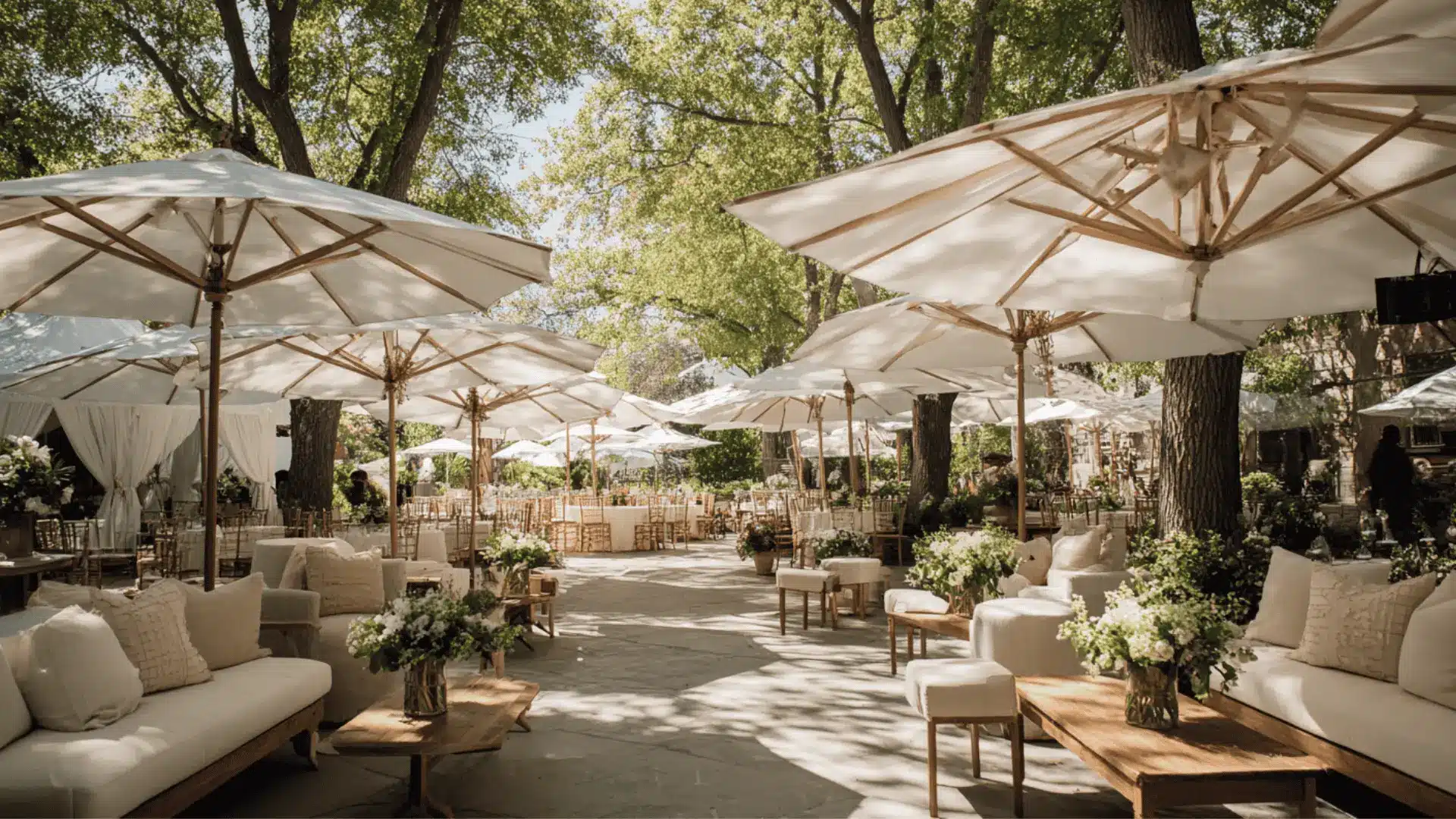
Planning a micro wedding is not about doing less. It is about making every detail feel more intentional.
With a smaller guest list, you can focus on the elements that matter most, create a warm and personal atmosphere, and design a celebration that feels meaningful, stylish, and easy to enjoy from start to finish.
1. Choose the Right Venue
The venue sets the tone for your entire micro wedding. Since you are inviting fewer guests, you have more freedom to look beyond traditional wedding halls and consider intimate, unique, and personal spaces for your relationship.
Great Venue Ideas for a Micro Wedding:
- Private home or backyard
- Boutique hotel or small estate
- Winery or vineyard
- Botanical garden or greenhouse
- Art gallery or museum space
2. Add Personal Details
A micro wedding gives you the chance to create a celebration that feels deeply personal. Small details can make a big difference, especially when every guest is someone close to you and your partner.
| Personal Touch | Why It Works |
|---|---|
| Custom Vows | Makes the Ceremony More Emotional |
| Family Readings | Adds Warmth and Meaning |
| Personalized Decor | Reflects Your Style as a Couple |
| Handwritten Notes | Makes Guests Feel Special |
3. Create a Memorable Menu
Food and drinks can become one of the most exciting parts of a micro wedding.
A smaller guest count makes it easier to serve a more curated meal, whether that means a plated dinner, a tasting menu, or signature cocktails inspired by your story.
4. Choose Entertainment That Fits the Mood
Entertainment should match the atmosphere you want to create. Instead of planning for a huge crowd, focus on options that feel engaging and natural in a smaller setting.
Ideas to Consider:
- Acoustic guitarist for the ceremony
- Jazz trio for dinner
- String quartet for an elegant touch
- Lawn games for outdoor weddings
- Photo booth for fun guest memories
5. Capture the Moments and Refine the Experience
Great photography preserves the emotions of the day, while thoughtful guest details and simple decor create an overall experience.
Focus on candid moments, warm hospitality, and elegant styling to make your micro wedding feel intimate, polished, and truly memorable without overwhelming the space.
6. Plan a Relaxed Timeline
A simple timeline can make the whole day feel smoother and more enjoyable. Micro weddings work best when there is enough space to enjoy each moment without rushing from one part of the celebration to the next.
A Relaxed Micro Wedding Timeline May Include:
- Getting Ready with Close Family or Friends
- Intimate Ceremony
- Cocktail Hour or Mingling
- Seated Meal or Dinner
- Toasts, Music, and Photos
7. Stay True to What Matters Most
The best micro weddings are the ones that reflect the couple, not outside expectations.
If you choose a luxury dinner, a casual backyard setup, or a destination celebration, the goal is to create a day that feels authentic, comfortable, and memorable for both of you.
Average Cost of a Micro Wedding in the US
While the cost of a micro wedding can vary depending on location and choices, the average price typically falls between $10,000 and $20,000.
This is a fraction of the cost of a traditional wedding, which, according to The Knot’s Real Weddings Study, averages around $35,000 in the US. Below are some typical costs for a micro wedding:
- Venue: $2,000 to $6,000
- Catering: $50 to $150 per person
- Photography/Videography: $2,000 to $5,000
- Wedding Planner: $1,000 to $4,000 (optional, but recommended for smooth planning)
- Decor: up to $2,000
- Marriage license: $30 to $110, depending on the state
- Flowers/florals: $500 to $2,000 for intimate arrangements
While it’s important to remember that every wedding is unique, the general trend is that smaller weddings are more affordable than larger ones.
This can free up your budget for other expenses, such as honeymoon costs, home renovations, or savings.
Budget Note: One thing couples consistently underestimate is per-person costs at smaller events. Some vendors charge a minimum fee regardless of headcount, which can make the per-person cost of a 20-person wedding higher than a 100-person one.
Always ask vendors for their minimum booking fee, not just the per-head rate.
Micro Wedding vs. Big Traditional Wedding
A micro wedding and a big traditional wedding can feel very different. Here’s a simple comparison to help you decide which style fits you best.
| Aspect | Micro wedding | Big traditional wedding |
|---|---|---|
| Guest count | Usually fewer than 50 guests | Often 100 or more guests |
| Budget | Around $10,000 to $20,000 | Often $30,000 or more |
| Venue | Smaller, intimate spaces like homes, gardens, or estates | Larger venues like ballrooms, hotels, or banquet halls |
| Customization | More personal and easier to customize | Often less flexible because of the larger scale |
| Stress level | Simpler to plan with fewer details to manage | More complex and often more stressful to organize |
| Atmosphere | Intimate, relaxed, and personal | Grand, lively, and more formal |
Both options can work well. The right choice depends on your budget, guest list, and the kind of celebration you want.
Micro Wedding Trends Shaping Modern US Weddings
Micro weddings are increasingly driven by personalization, sustainability, and intimate experiences.
According to The Knot’s 2026 Real Weddings Study, thousands of couples are prioritizing meaningful, smaller celebrations with curated guest experiences.
Outdoor and destination venues remain popular, while sustainability is on the rise, 75% of couples now prioritize eco-friendly choices, including low-waste decor and green vendors.
Technology, including livestreaming, is also expanding guest access. Overall, micro weddings reflect a shift toward intentional, flexible, and experience-focused celebrations.
Practical Planning Tips for Couples
Planning a micro wedding becomes much easier when you focus on a few practical steps that keep everything organized and stress-free.
- Start Early: Even a small wedding needs time and careful planning.
- Consider a Planner: A planner can help manage details, especially for unique venues.
- Set a Realistic Budget: Reserve space for unexpected costs.
- Stay Flexible: A micro wedding gives you more freedom to be creative.
By staying organized, flexible, and focused on your priorities, you can create a celebration that feels smooth, meaningful, and truly personal.
Conclusion
A micro wedding offers an intimate, personalized, and budget-friendly alternative to traditional weddings.
With fewer guests, more flexibility, and less stress, a micro wedding lets you celebrate your love with your nearest and dearest.
If you’re ready to start planning, embrace the creativity and meaningful moments that come with such a special event.
Ready to make your micro wedding a reality? Contact us today for expert tips, recommendations, and guidance on planning your dream intimate wedding.
Frequently Asked Questions
What is the Difference Between a Micro Wedding and an Elopement?
A micro wedding typically involves a small guest list of close friends and family, while an elopement is usually just the couple, with no guests or only a few.
How Do I Keep Costs Low for My Micro Wedding?
To keep costs down, consider hosting the wedding at a private home, limiting the guest list, and choosing simple yet elegant decor.
Can a Micro Wedding Be as Elegant as a Traditional Wedding?
Absolutely! Micro weddings offer the perfect opportunity to focus on quality and personal touches. You can have elegant decor and dining, and a memorable experience just on a smaller scale.