
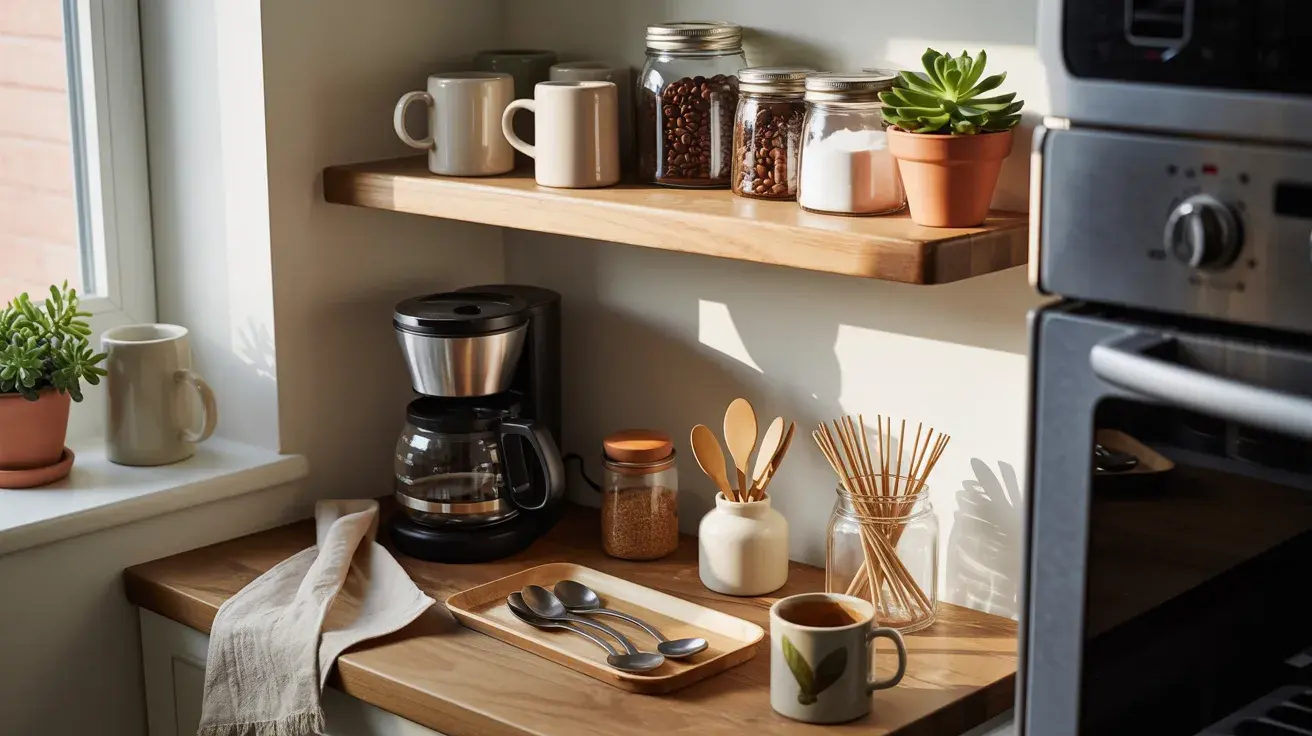
There is something about that first cup of coffee in the morning that hits differently when it comes from a space that actually feels like yours. Not a cluttered counter with cords everywhere. A real spot, built with a little intention.
That is exactly what a DIY coffee bar can do, and it does not have to be complicated or expensive. After years of writing about home and lifestyle, and plenty of DIY projects that started simple and grew into something much bigger, one thing is clear: there is a setup for every kind of home.
Small apartment? There are DIY coffee bar ideas built around tight corners and floating shelves. Tight budget? Some setups cost under fifty dollars. No design experience? Still totally doable.
These ideas cover everything from simple stations to creative builds, with practical tips to help get it done right.
DIY Coffee Bar Setup ChecklistBasic Essentials
Spot Options
|
Which Coffee Setup Is Right for You?
The machine you pick shapes how much space and storage you actually need, so it’s worth deciding before buying anything else.
| Setup Type | Outlet Needed | Space Footprint | Extra Accessories Needed | Best For |
|---|---|---|---|---|
| Drip Coffee Maker | Yes | Medium | Filters | Counter or furniture-based stations |
| French Press | No | Small | Separate kettle, grinder (if using whole beans) | Bar carts, floating shelf stations |
| Pour-Over | No | Small | Gooseneck kettle, filters | Minimalist or tight-space setups |
| Espresso Machine | Yes | Large | Milk frother or steam wand | Built-in or furniture-based stations with room to work |
Getting this right first means the rest of the setup actually works, rather than looking good but being annoying to use every morning.
How to Make a DIY Coffee Bar at Home (Step-by-Step)
Most coffee bars come together faster than expected. Follow these steps, and the setup stays simple from start to finish.
- Pick the Space: Counter corner, small table, bar cart, or unused cabinet. Decide on the spot before buying anything. The space shapes every decision after it.
- Decide on The Layout: Vertical layouts use wall shelves and hooks to build upward, great for small spaces. Horizontal layouts spread across a counter or table are better when there is more surface room. Pick one and stick with it.
- Add Storage First: Put shelves up, set the tray down, and place the jars. Storage creates the structure around which everything else sits. Getting this right first saves a lot of rearranging later.
- Set up The Coffee Machine Area: Give the machine its own dedicated spot. Keep it close to an outlet and leave enough space around it to actually use it comfortably.
- Organize Mugs and Supplies: Hang mugs on hooks, stack them on a shelf, or line them up on the tray. Group supplies like pods, spoons, and sweeteners together so nothing gets scattered.
- Add Simple Decor: A small plant, a chalkboard label, a candle, or a framed print. Keep it light. The coffee setup itself is the focal point, and decor just ties it together.
Six steps, and the whole thing is done. Most setups are ready to use the same day they go up.
Small Space DIY Coffee Bar Ideas
Small spaces work well for coffee bars because the constraint forces a cleaner setup. These ideas are built around corners, walls, and furniture you likely already have.
1. Corner Shelf Setup
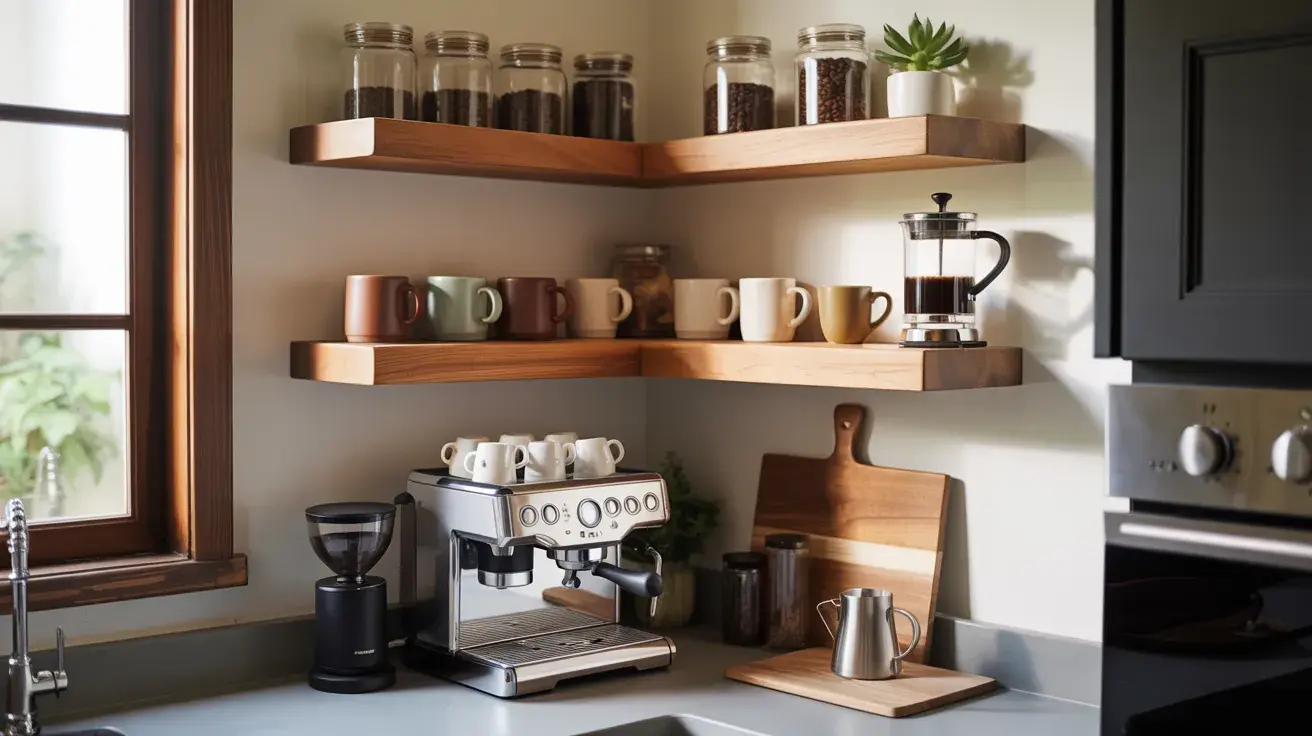
Mount two or three shelves in an unused corner and stack everything vertically. Beans on top, mugs in the middle, machine on the counter below. This idea works because corners are almost always wasted space that are often left unseen.
2. Wall-Mounted Coffee Bar
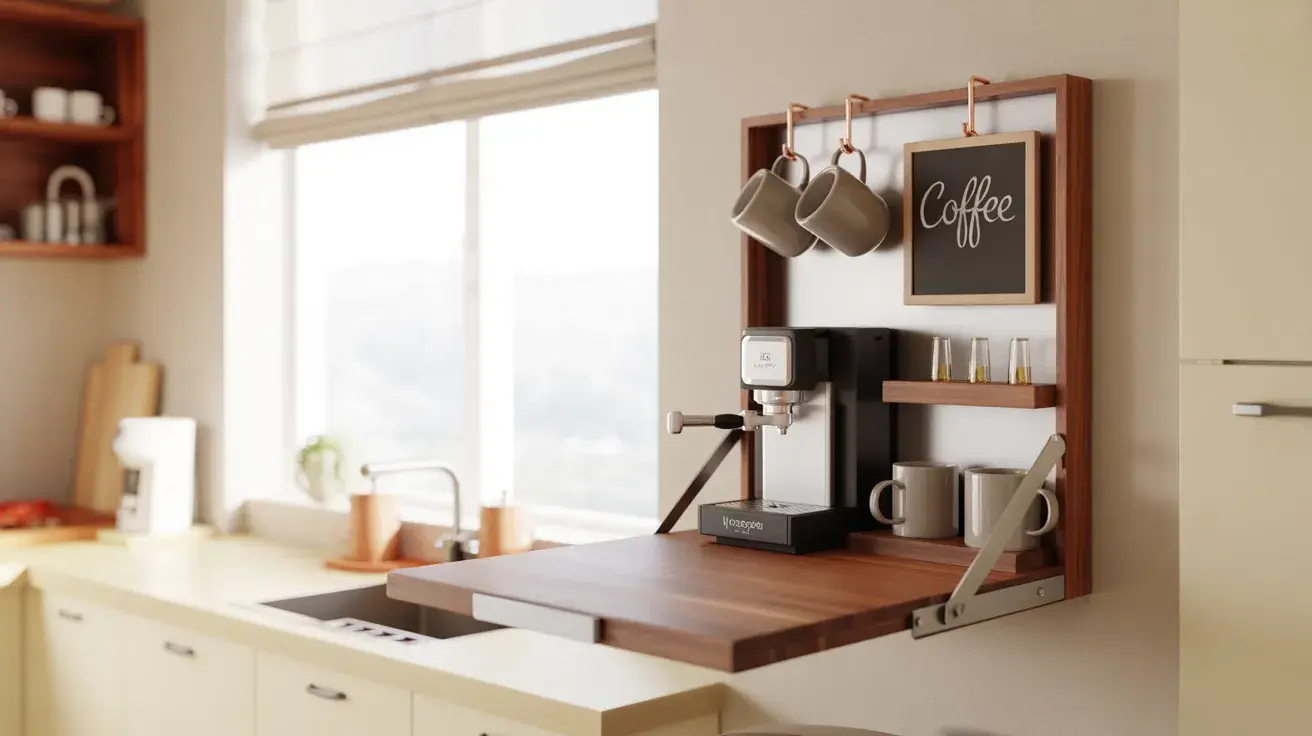
A small fold-down board attached to the wall creates an instant surface that folds flat when not in use. Ideal for studio apartments or kitchens with zero counter space. Add a few floating shelves above it for mugs, a small coffee maker, and your favorite beans.
3. Floating Shelf Station
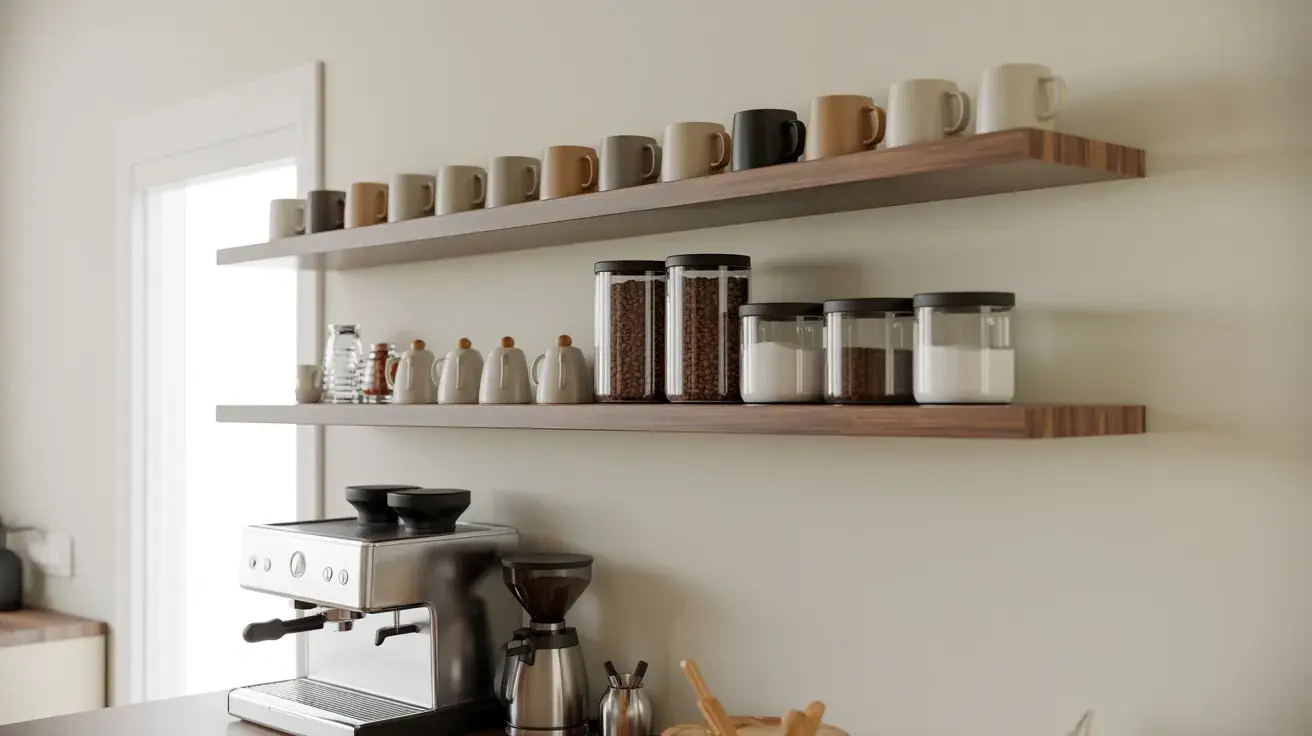
Two floating shelves above the coffee machine handle mugs, jars, and supplies without taking up floor or counter space. Clean, minimal, and easy to install. Group things by use so the most-reached items stay on the lower shelf.
4. Narrow Console Table
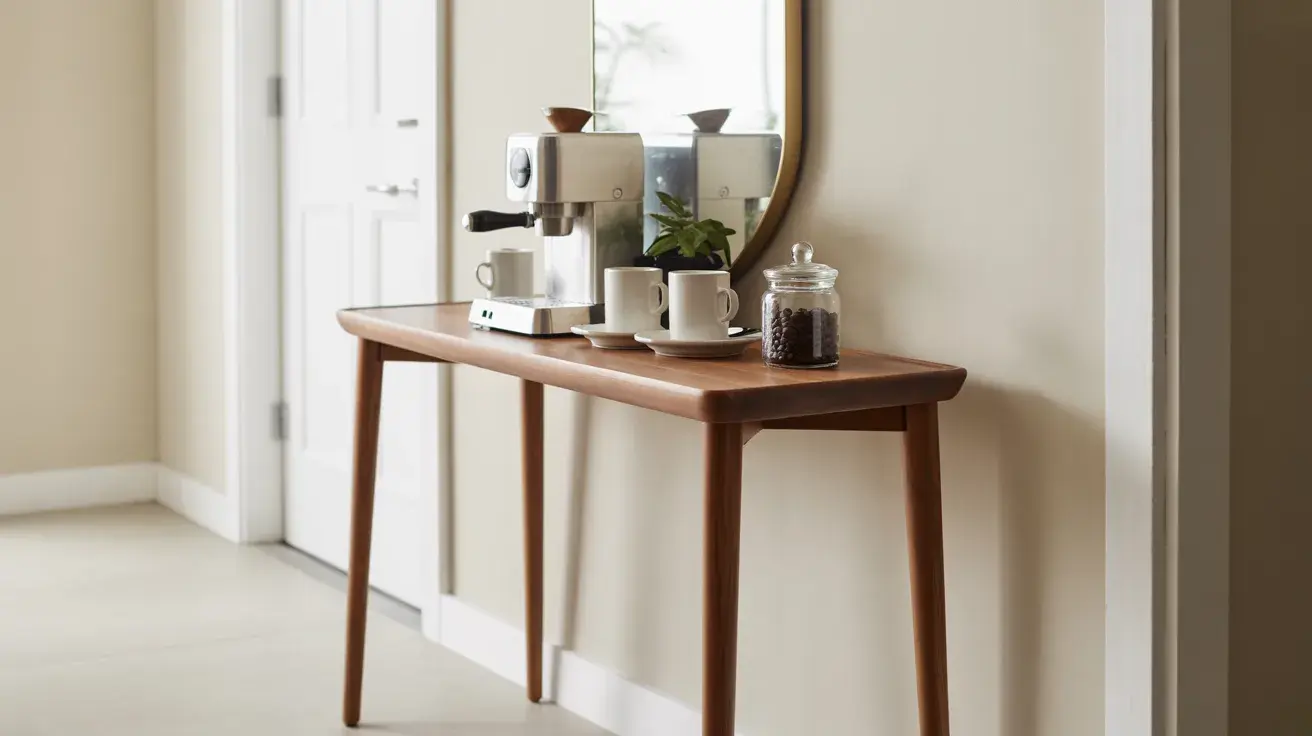
A slim console table fits against almost any wall and holds a full coffee setup without blocking walkways. Great for entryways or narrow kitchens. Look for one with a bottom shelf or small drawers to store extra pods, napkins, or a spare French press.
5. Cabinet Door Storage
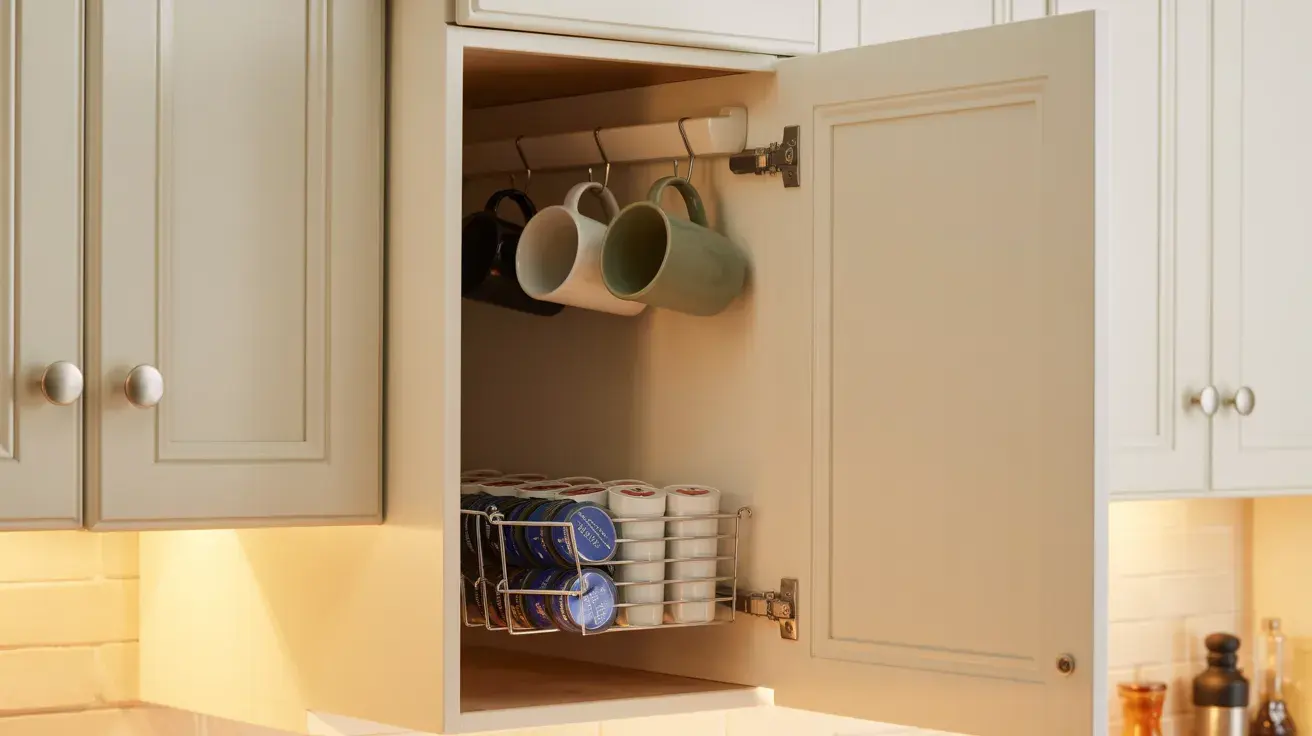
Add small hooks and a mounted rack to the inside of a cabinet door. Keeps mugs, pods, and filters organized and completely out of sight when the door is closed. It’s one of the easiest setups to pull off with just a few hardware store finds.
6. Bar Cart Station
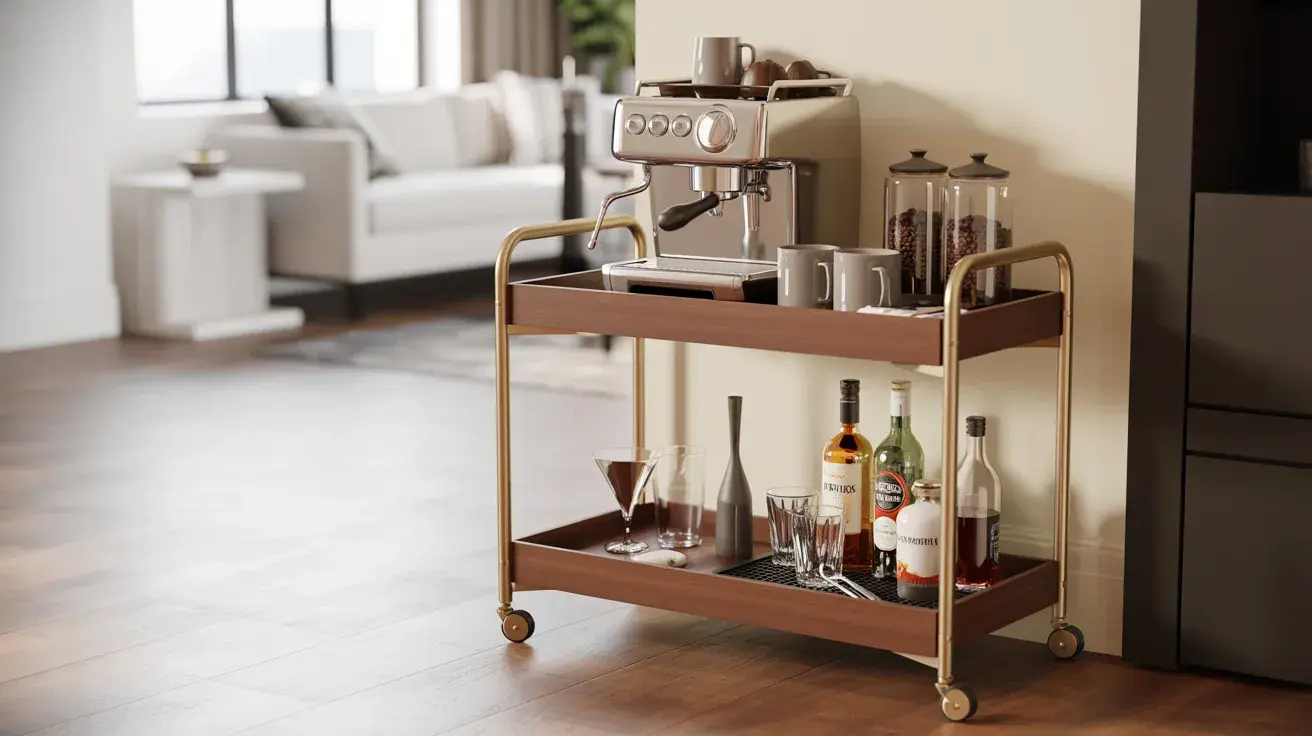
A two-tier bar cart rolls anywhere and holds everything needed for a basic setup. Move it out when it is coffee time, tuck it away after. Perfect for renters. Pick one with wheels that lock so nothing shifts mid-brew.
7. Over-the-Counter Shelf Unit
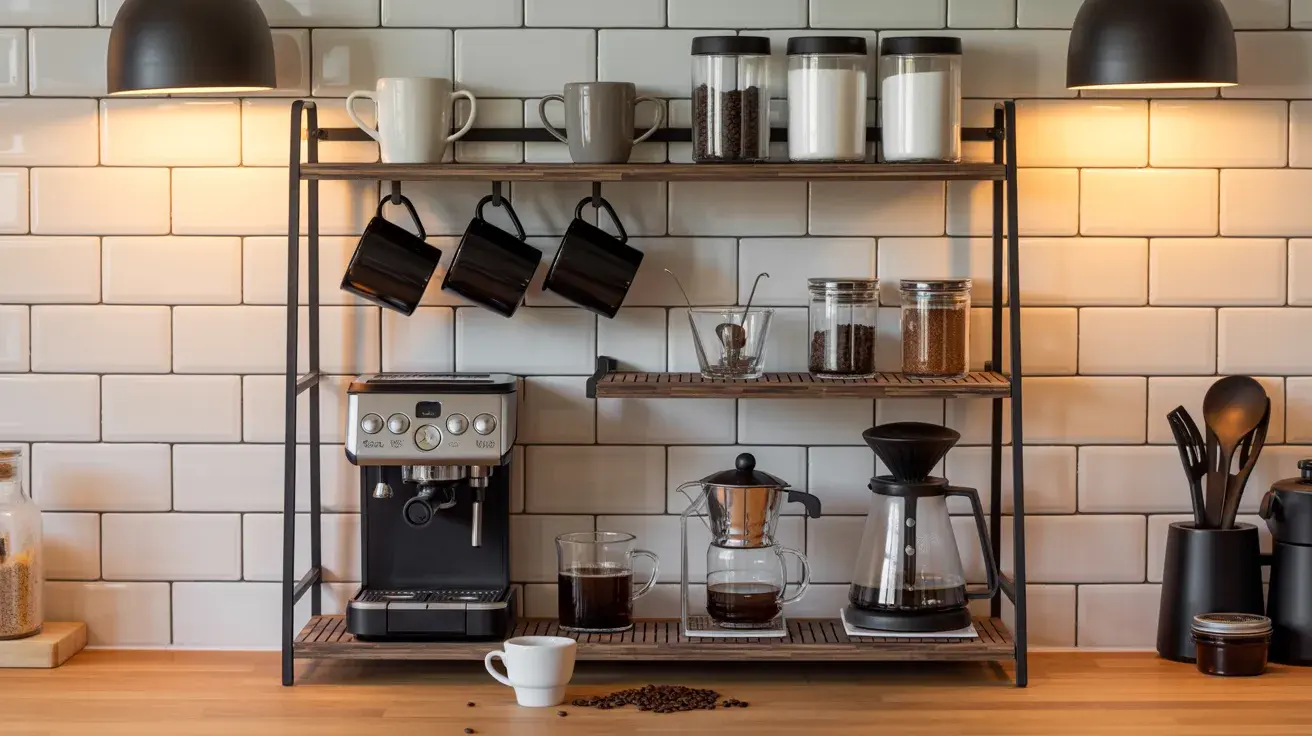
A freestanding shelf unit placed directly on the counter maximizes vertical space without any drilling. Works well in rental spaces where wall mounting is not an option. Stack the machine on the lower level and use the upper tier for mugs, jars, or a small plant.
Budget-Friendly DIY Coffee Bar Ideas
These setups keep costs low without looking like it. Most of them work with pieces you can thrift, repurpose, or pick up for under twenty dollars.
8. Repurposed Furniture
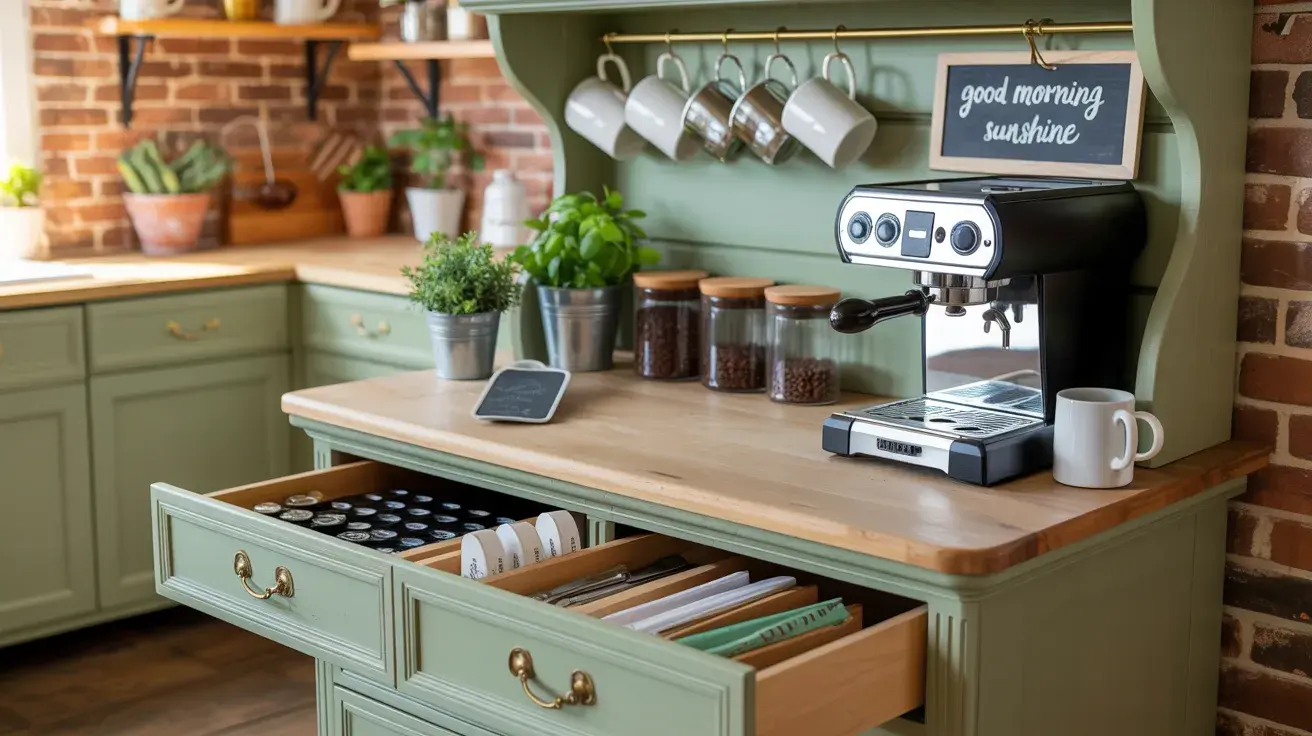
An old dresser, side table, or console picked up secondhand can be sanded and painted into a solid coffee bar base. Costs a fraction of buying new and looks more personal. Check thrift stores, Facebook Marketplace, or even curbside pickups for the right piece.
9. Tray Setup on the Counter
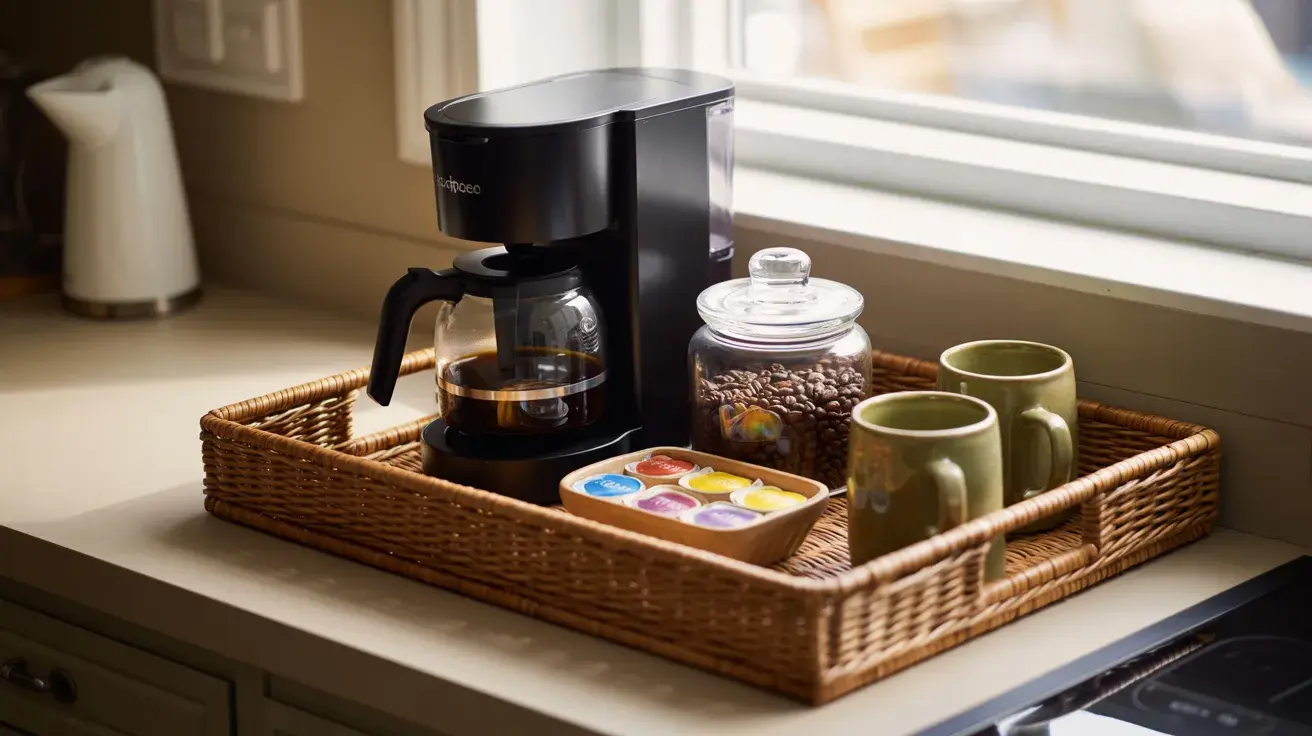
Group the coffee maker, a jar of beans, a small dish for pods, and a couple of mugs on a single large tray. Takes ten minutes and zero money if the tray is already in the house. The tray does the organizing work by giving everything a defined boundary.
10. DIY Crate Coffee Bar
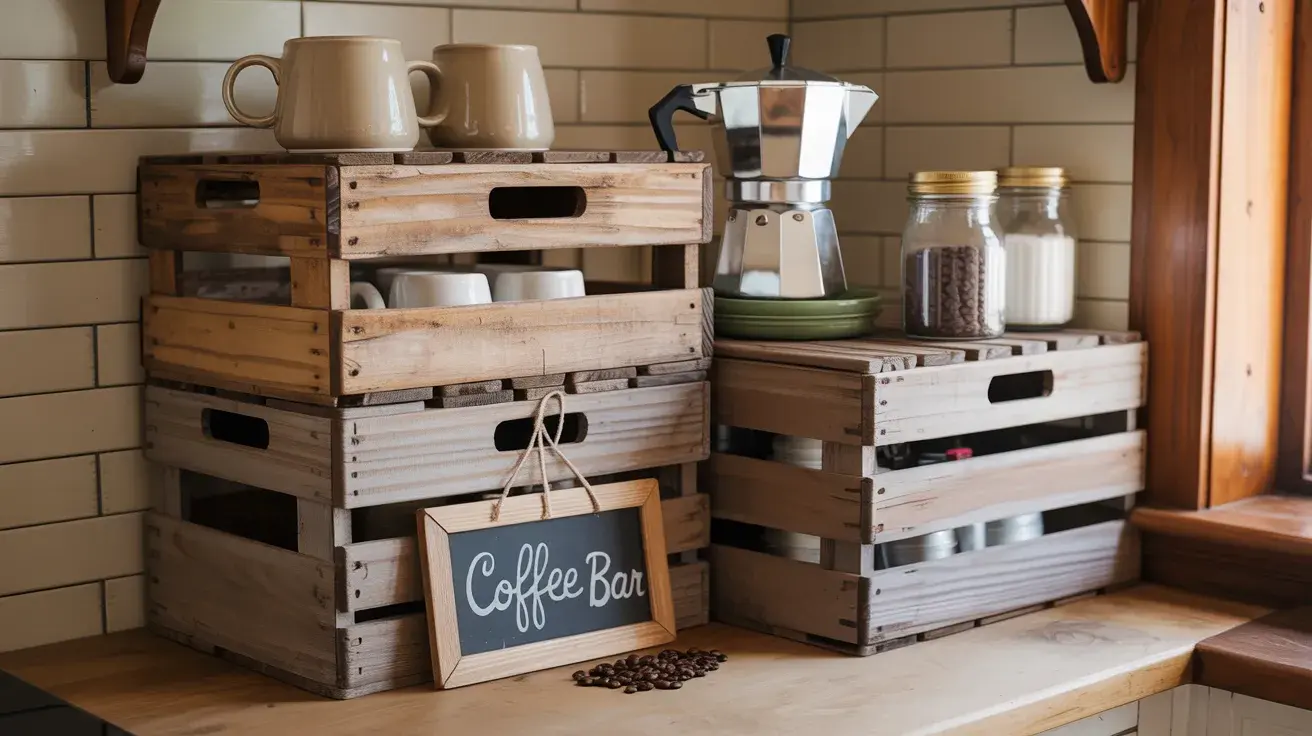
Stack two or three wooden crates, secure them together, and use each level for different supplies. Crates are cheap, easy to find, and add a rustic feel without trying too hard. Sand the edges lightly so nothing snags, and add a small piece of wood on top as a flat surface.
11. Open Shelf with Jars
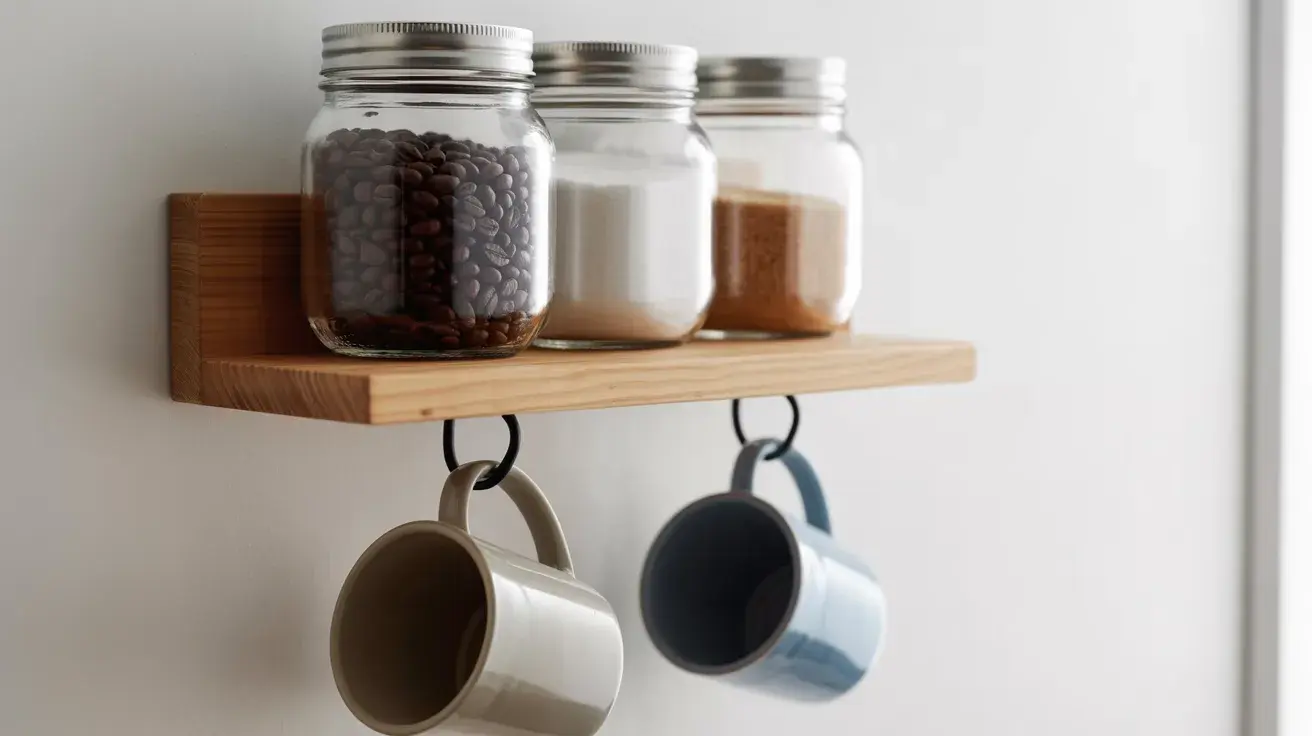
One shelf, a few glass jars for beans and sugar, and a couple of hooks for mugs. That is the whole setup. Simple, affordable, and looks put together with almost no effort. Glass jars keep things visible, so nothing gets forgotten or buried.
12. Simple Cart Setup
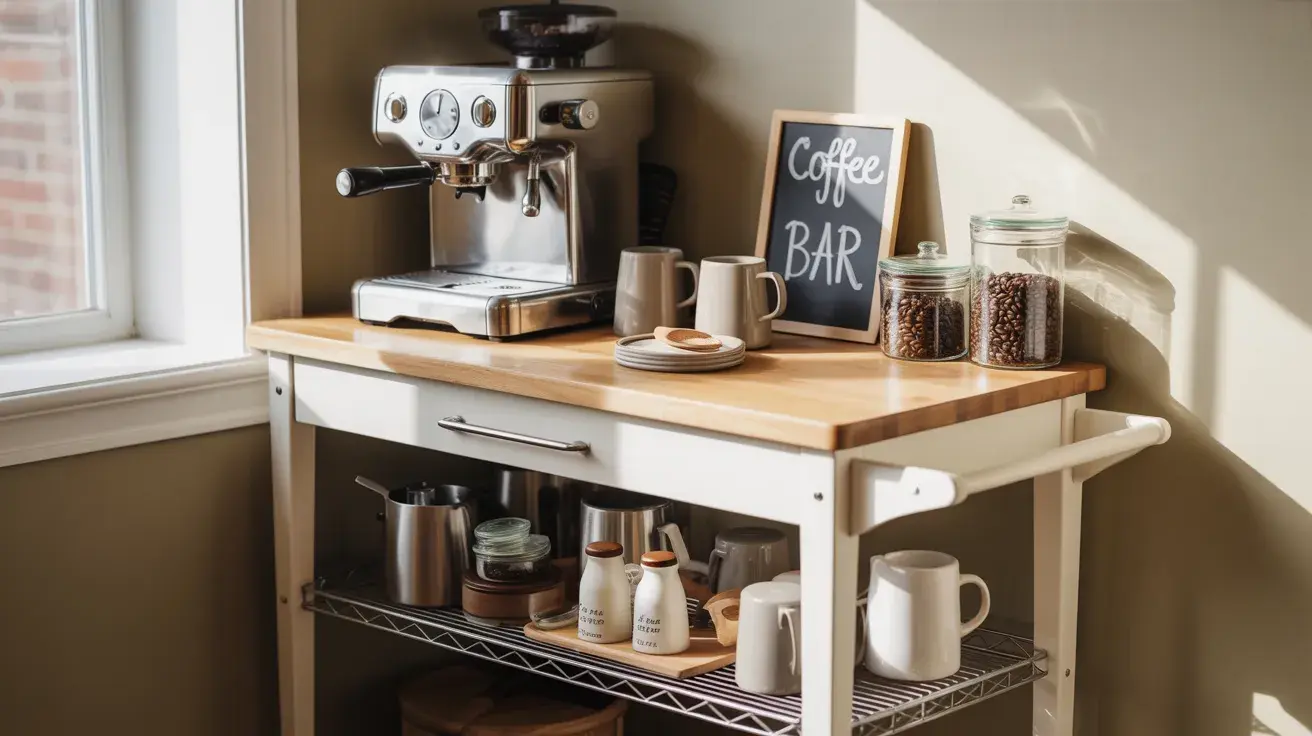
A basic kitchen cart from any home store gives a dedicated coffee surface plus under-shelf storage. Most options come in under sixty dollars and require no tools to assemble. Many carts also have hooks on the sides for mugs or small towels, which adds a bit more storage without taking up extra space.
Kitchen Counter Coffee Bar Ideas
Counter space is already where the machine lives, so turning it into a proper station is mostly a matter of defining the area and keeping it consistent.
13. Minimalist Counter Setup
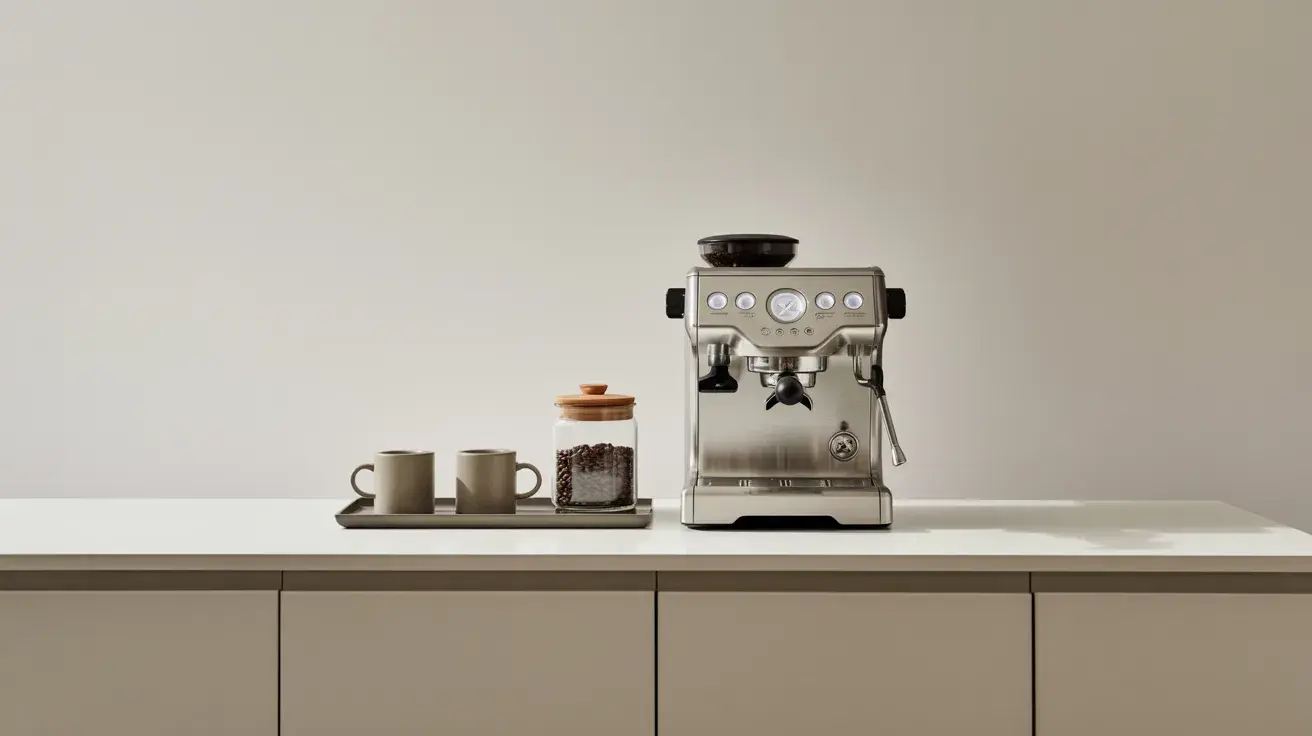
Keep it to the machine, one jar, and two mugs on a tray. Nothing extra. A clean, uncluttered setup that works especially well in modern or small kitchens. The fewer items on the tray, the easier it is to wipe down and reset each morning.
14. Coffee and Toaster Combo Zone
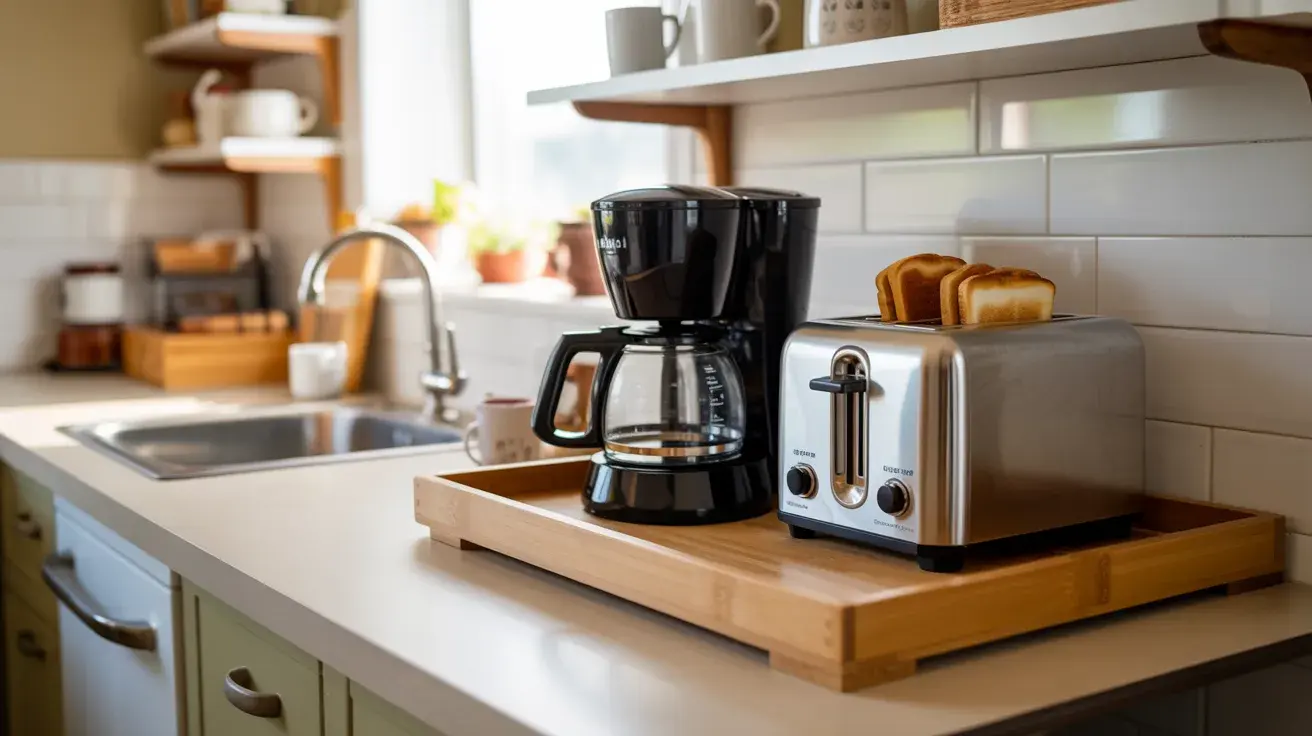
Group the coffee maker and toaster together on one end of the counter with a tray underneath both. Creates a dedicated breakfast zone and keeps the rest of the counter free. Keeping both appliances on the same tray also means one surface to clean instead of two.
15. Tray-Organized Station
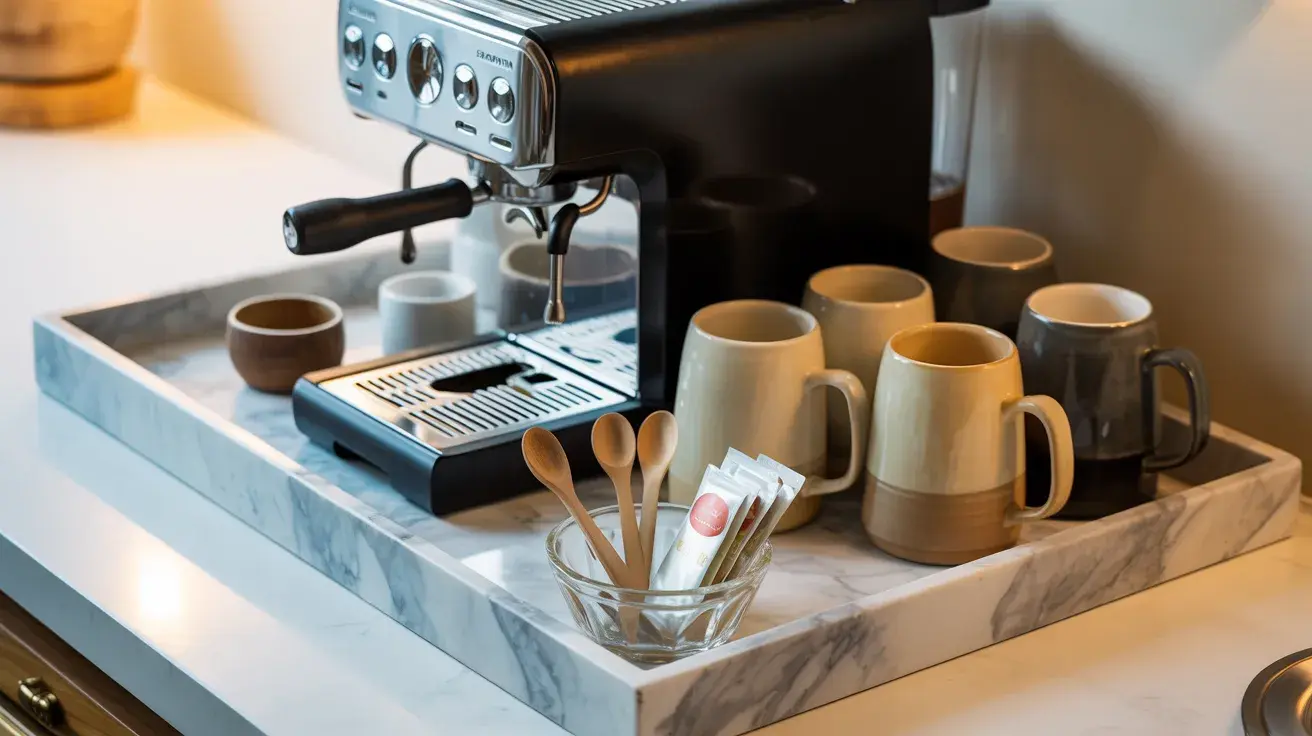
A large wooden or marble tray corrals everything in one spot. Machine at the back, mugs to the side, sweeteners and spoons in a small dish at the front. Looks intentional and stays tidy. Marble trays add a bit of visual weight that makes even a basic setup look more put-together.
Coffee Bar Furniture Ideas
The right furniture can turn a simple coffee corner into a dedicated station that blends beautifully with your home décor. From vintage carts to sleek sideboards, the perfect piece sets the tone for your entire coffee bar setup.
16. Coffee Bar Cabinet
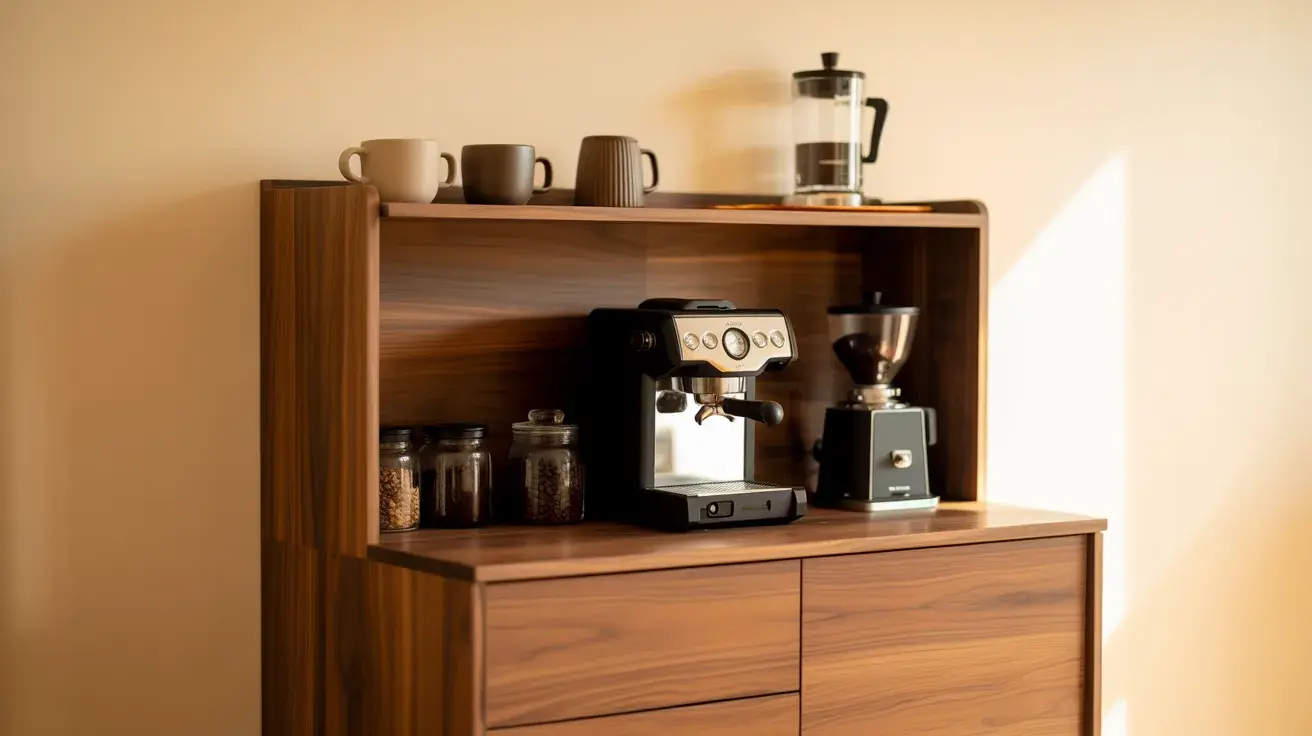
A small cabinet with an open top shelf and closed storage below keeps supplies hidden and the surface clear. Works like a mini sideboard built specifically for coffee. The closed bottom section is ideal for stashing extra pods, filters, or a spare bag of beans out of sight.
17. Rolling Cart
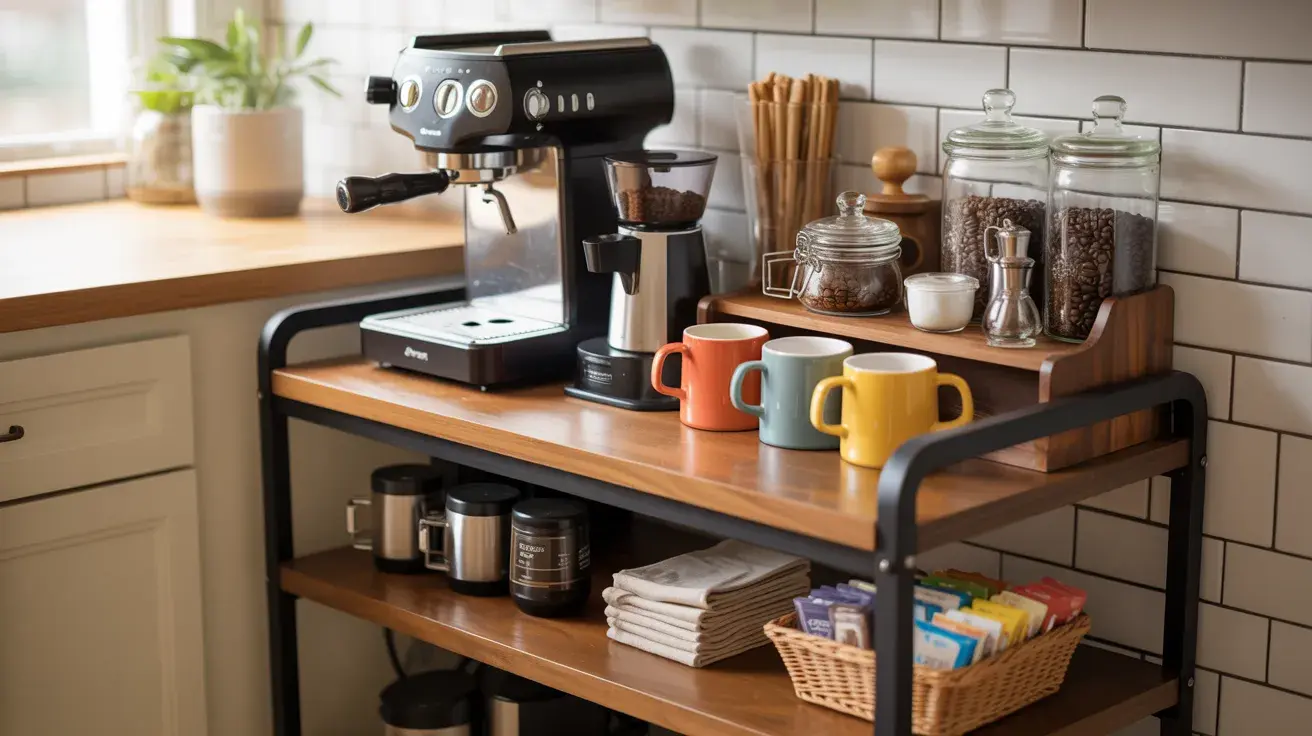
A rolling kitchen cart gives full flexibility. Use the top for the machine, the lower shelves for mugs and supplies, and roll it wherever it fits best that day. It is one of the few setups that genuinely works in any layout, from a studio apartment to a large open kitchen.
18. Sideboard Station
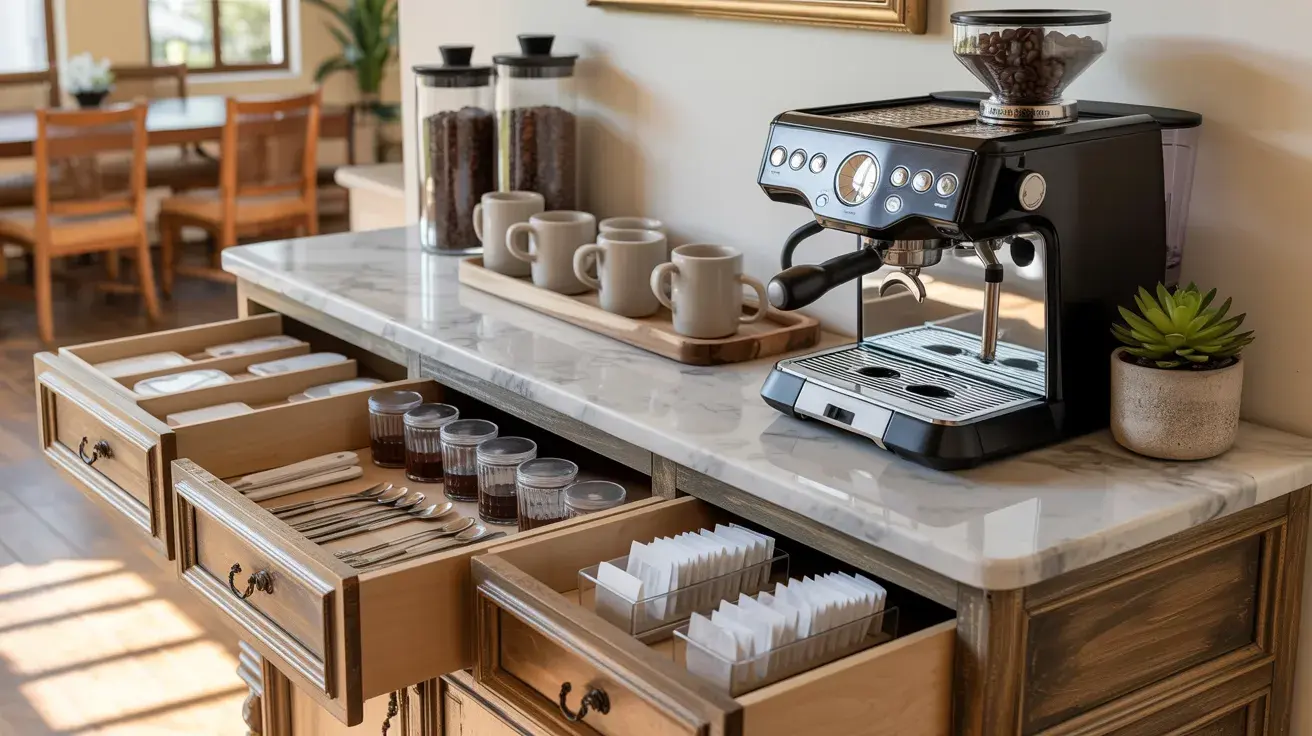
A sideboard or buffet table offers a wide surface for the full setup and drawers for storing extras. Great for dining rooms or open-plan spaces that need a defined coffee area. The extra drawer space means cords, spare filters, and cleaning supplies all have a home without cluttering the top.
19. Bookshelf Coffee Bar
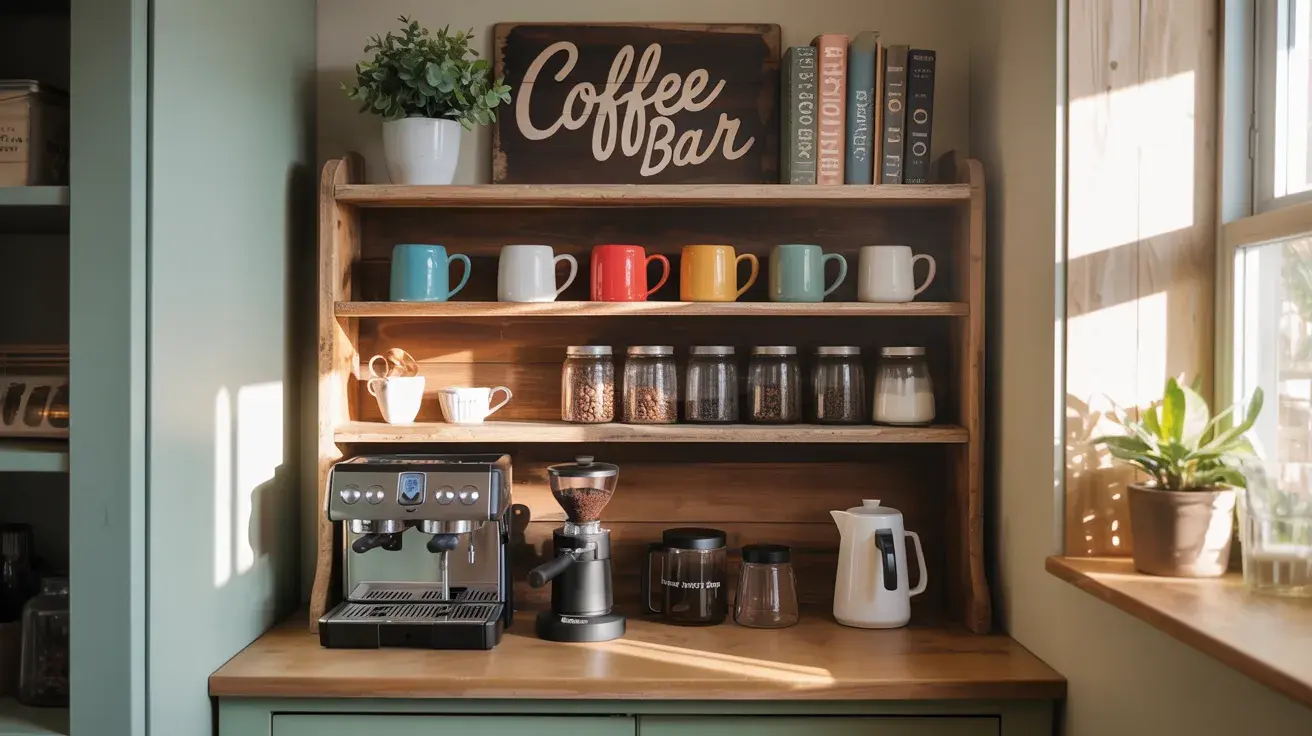
A standard bookshelf works surprisingly well. Dedicate the bottom shelf to the machine, the middle shelves to mugs and jars, and the top for decor. Affordable and already in many homes. Adjustable shelves make it easy to fit taller items like a French press or a large canister without any modifications.
Aesthetic and Cozy Coffee Bar Ideas
A coffee bar should feel like a warm hug, a little corner that’s as pleasing to the eyes as it is to the soul. Think soft textures, warm lighting, and thoughtful details that make every cup feel like a true escape.
20. Farmhouse Style
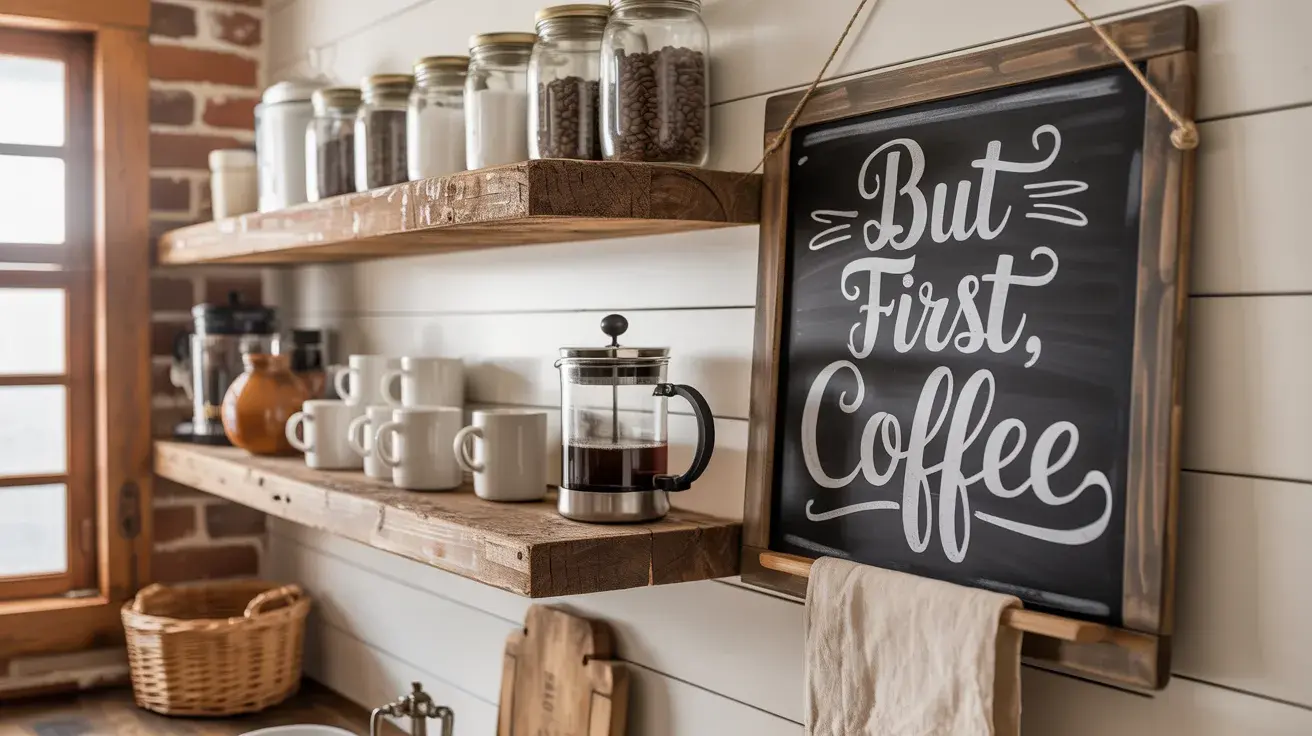
Wooden shelves, mason jar storage, a chalkboard sign, and neutral linens pull the whole look together. Warm, lived-in, and one of the most popular coffee bar styles for good reason. Mixing textures like raw wood, woven fabric, and ceramic mugs adds depth without needing much color.
21. Neutral Tones
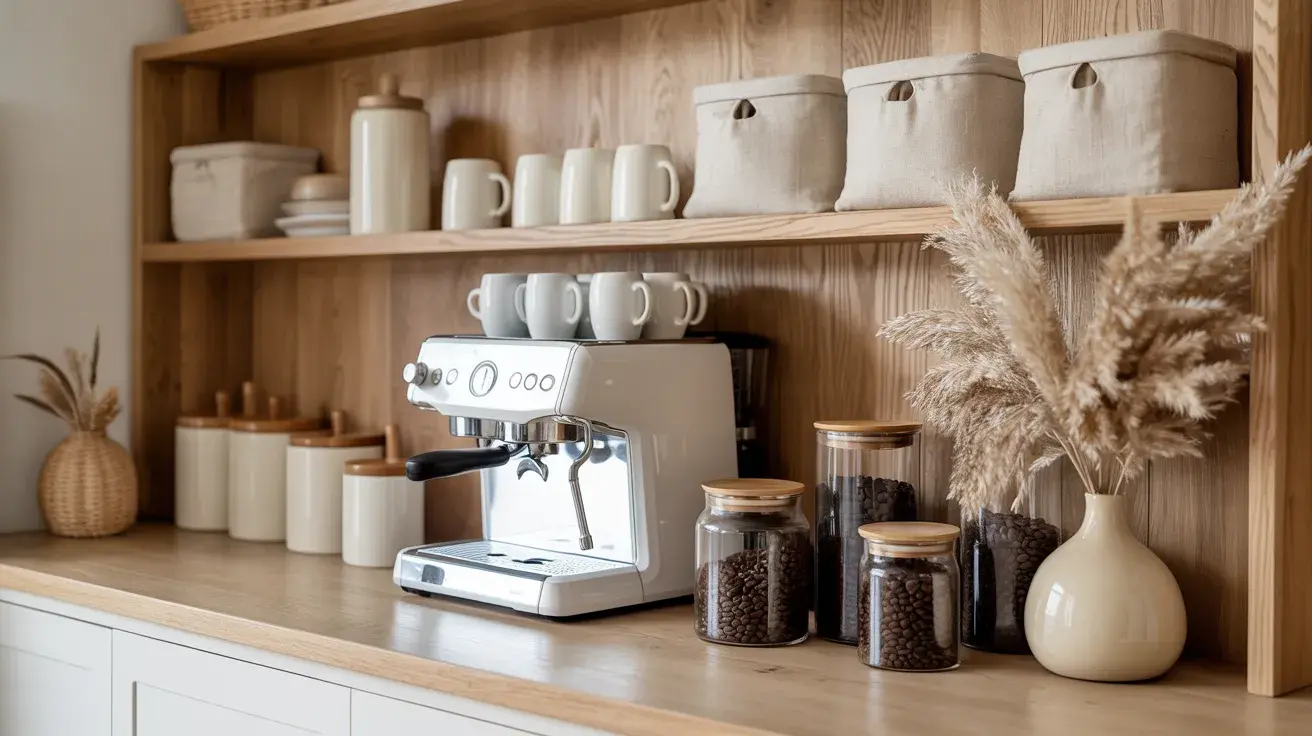
Stick to whites, creams, and light wood tones for a calm and cohesive look. Everything matches without trying, and the setup photographs well if that matters. Neutral setups are also easier to update, since swapping one or two pieces doesn’t throw off the whole look.
22. Warm Lighting
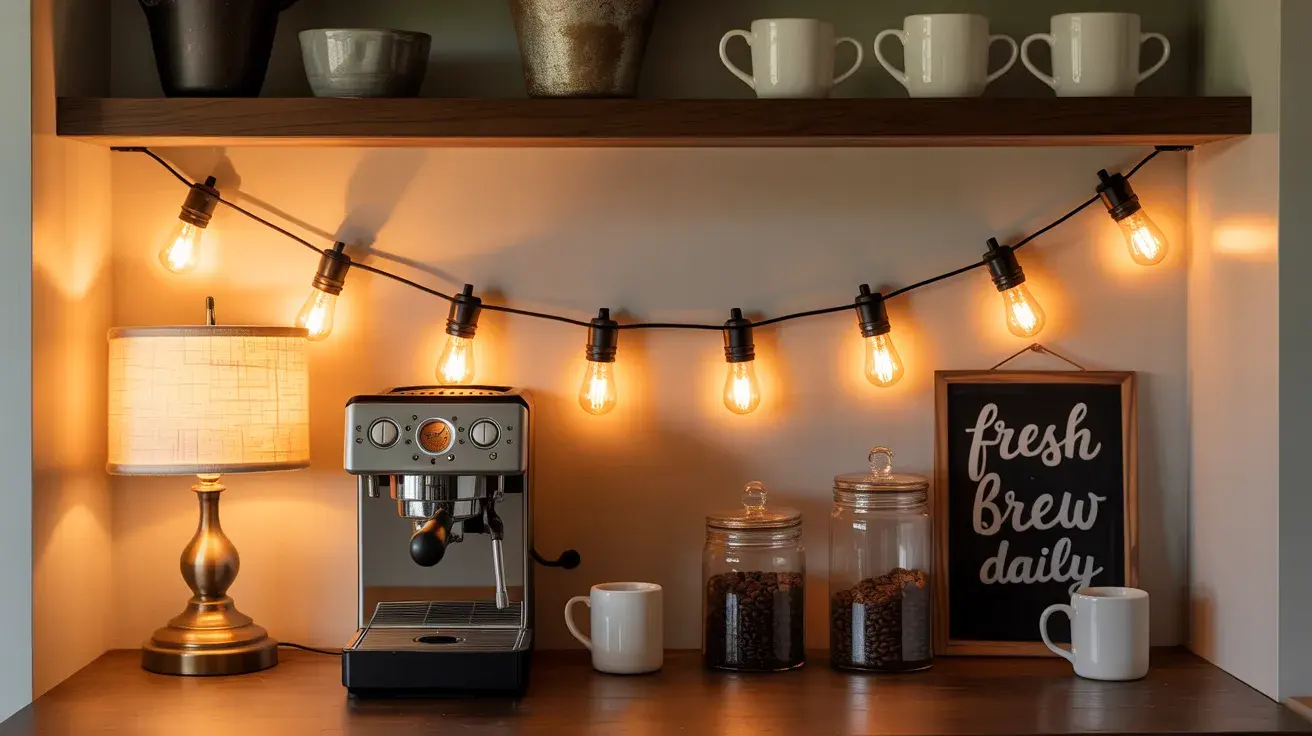
A small plug-in lamp or a string of warm Edison bulbs, placed behind or above the coffee station, changes the whole mood. Makes the space feel intentional rather than just functional. Warm light also softens the look of basic or budget setups, making everything appear more polished than it actually is.
23. Mug Display Wall
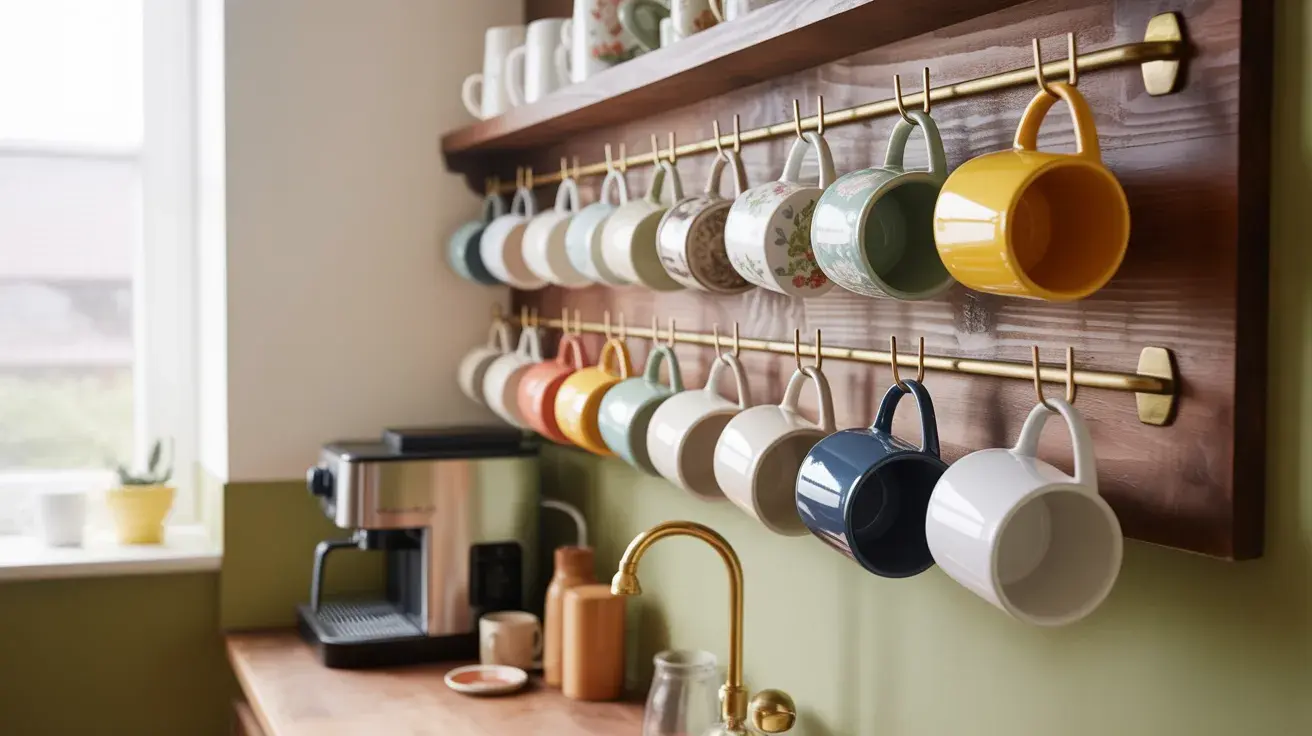
Mount a row of hooks on a small section of wall and hang mugs by their handles. It keeps mugs accessible and doubles as decor, all without a single shelf. Arranging mugs by color or size gives the wall a more deliberate look without much effort.
24. Chalkboard Backdrop
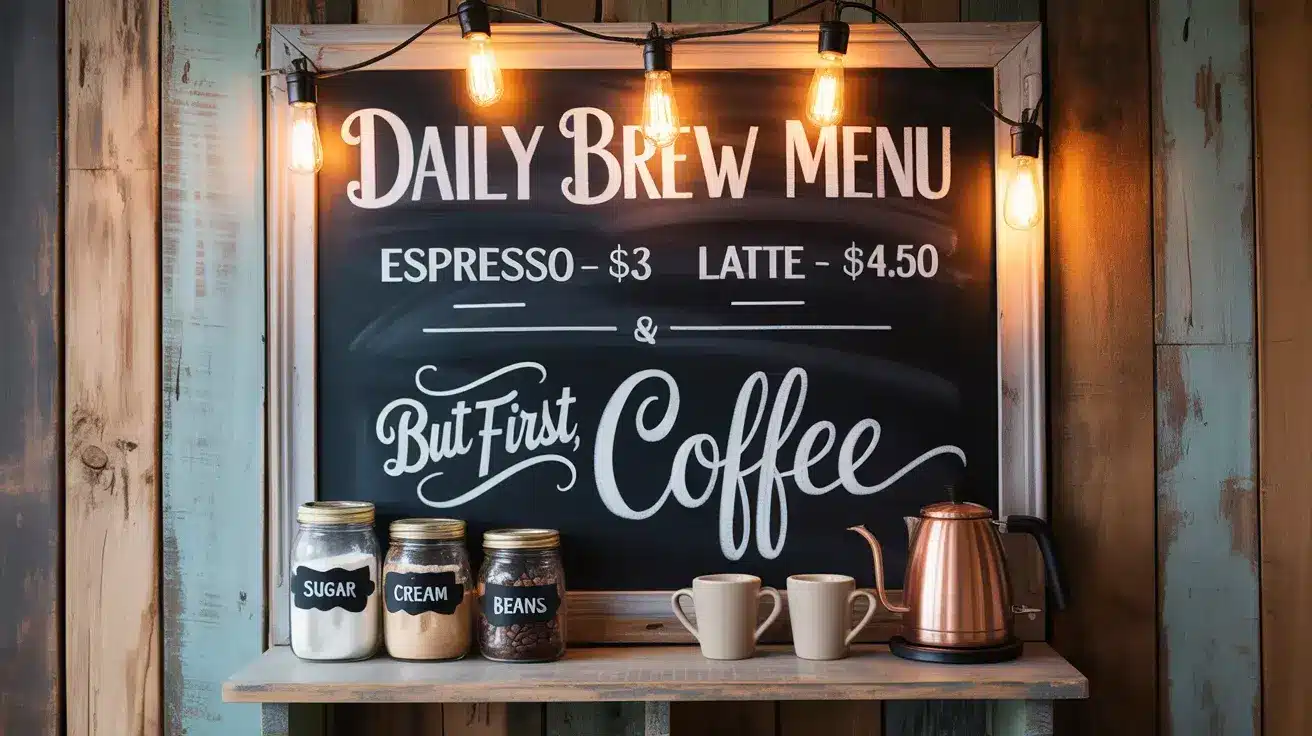
Paint a small section of wall or a piece of wood with chalkboard paint and use it to write the coffee menu, a daily quote, or just labels for jars. Adds personality and is easy to change. Chalkboard sections work especially well in rental spaces, since painted wood requires no wall commitment.
25. Mini Espresso Corner
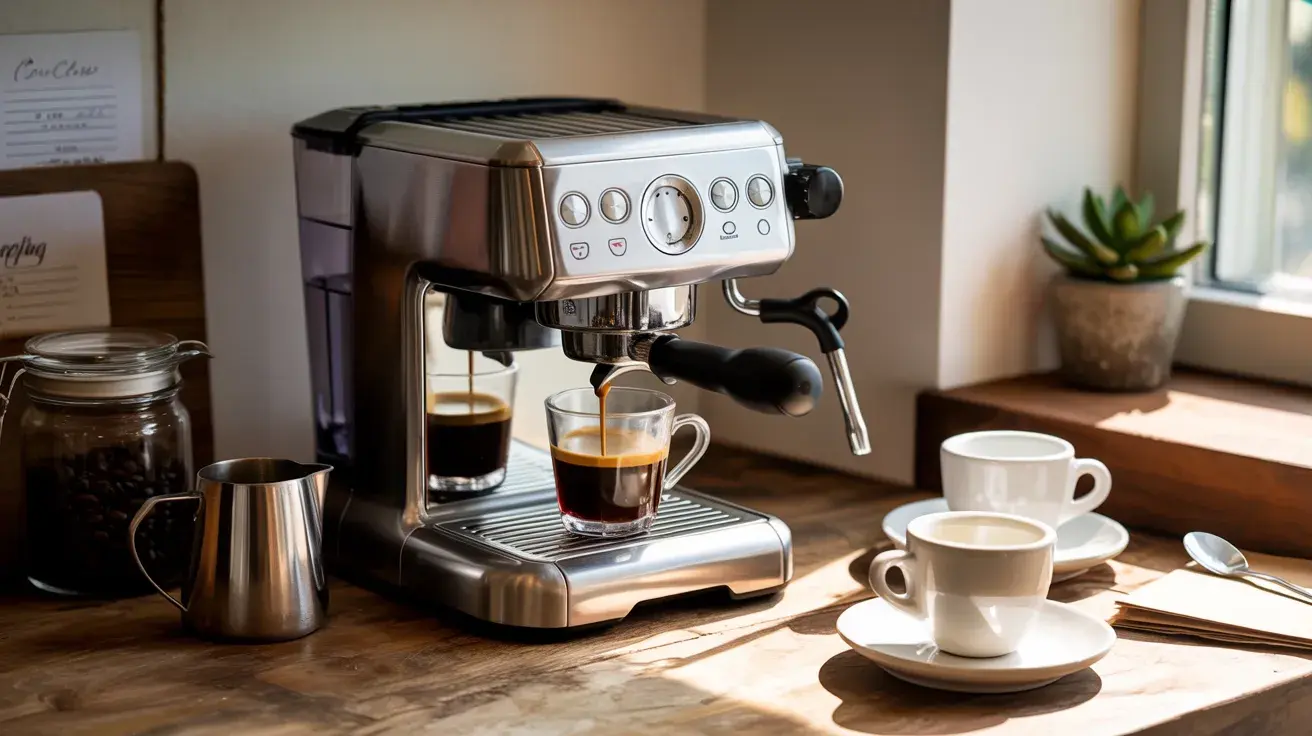
A compact espresso machine, a small frother, one jar of beans, and two espresso cups on a marble tray. Minimal footprint, looks high-end, and takes up less space than most people expect. Keeping the color palette tight, like all-white or all-black equipment, makes even a tiny setup look intentional.
26. Vintage or Thrifted Setup
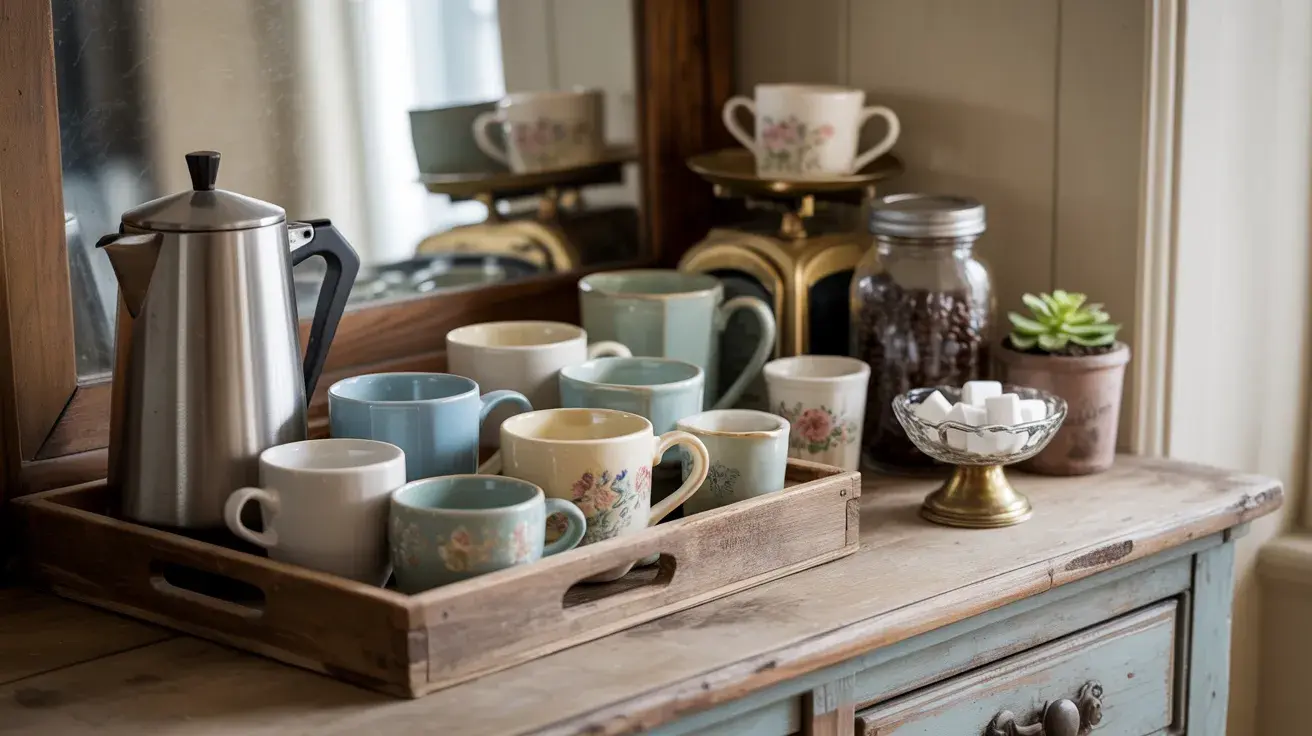
Mix secondhand mugs, an older coffee maker, and a vintage tray for a setup that looks collected over time rather than bought all at once. Character without the price tag. Thrift stores and estate sales are the best places to find pieces that actually have history.
27. Plant and Coffee Combo
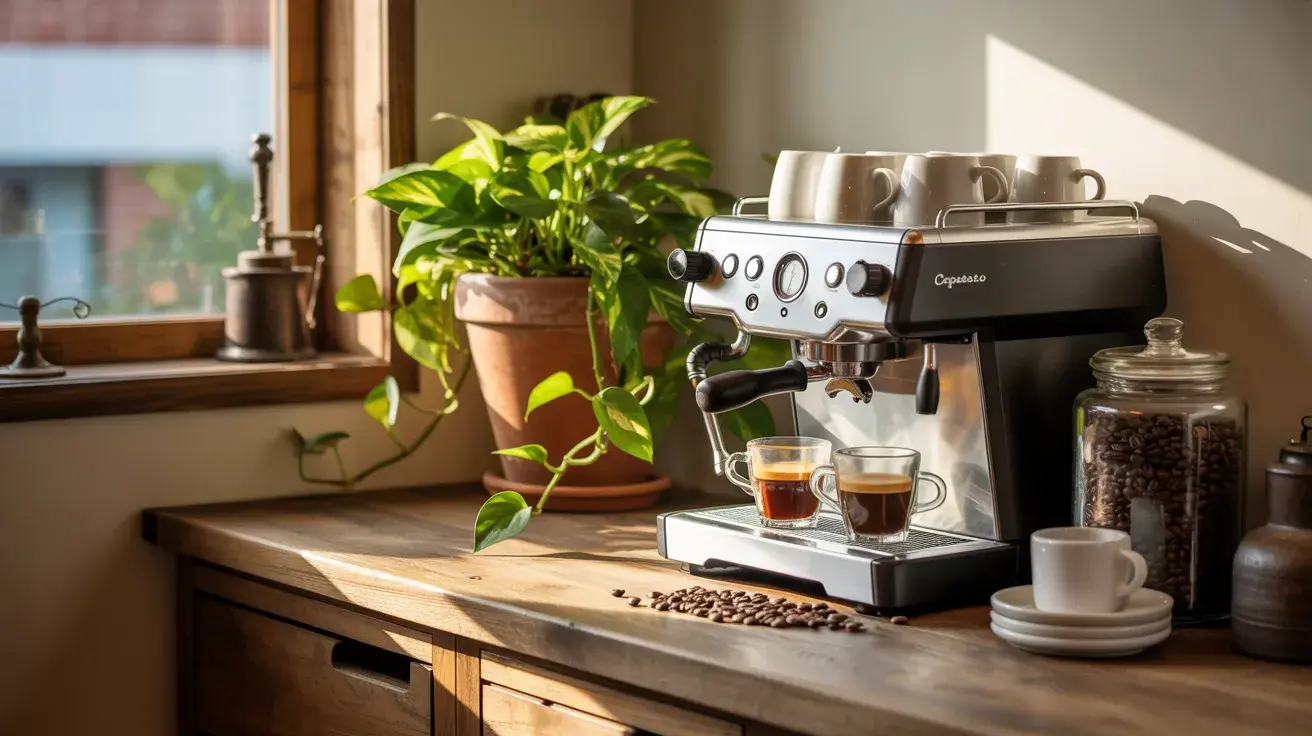
Add one small plant next to the coffee setup. A pothos, succulent, or small herb pot softens the look and makes the space feel more like a cafe corner than a kitchen counter. Low-maintenance plants work best here since the coffee area tends to get steamy and warm.
Tips to Make Your Coffee Bar More Functional
A good coffee bar is not just about looks. It is about how well it holds up on a busy morning when the coffee has not kicked in yet. These small adjustments make a real difference in daily use.
- Keep Everyday Items Within Reach: The coffee maker, mugs, and whatever goes in the cup daily should all be accessible without opening a drawer or cabinet. If it gets used every morning, it stays on the surface.
- Use Vertical Space: Shelves, hooks, and wall-mounted storage free up the counter without shrinking the setup. Building upward is the easiest way to fit more into a small footprint.
- Avoid Clutter: Extra appliances, decorative pieces, and supplies that rarely get used belong somewhere else. A coffee bar works best when everything on it has a purpose.
- Group Items by Use: Keep sweeteners, stirrers, and pods together. Mugs in one spot. Machine in its own dedicated area. Grouping by function cuts down the time spent searching for things half-asleep.
- Stick to Easy-To-Clean Surfaces: Trays, sealed wood, and smooth shelves wipe down quickly. Coffee drips and spills are inevitable, so the surface beneath should handle them with little effort.
A functional setup does not need to be complicated. Get these basics right, and the coffee bar practically runs itself every morning.
Final Thoughts
A DIY coffee bar does not have to be perfect on day one. The best ones usually start as a tray on a counter and grow from there.
I have seen this with enough DIY projects to know: starting small is not settling. It is the smarter move. One good shelf leads to a second. A tray turns into a full station. A setup that fits the space and the routine will always work better than one that looks good in photos.
Start with the basics. Add what makes sense. Skip what does not. The goal is a setup that makes the morning feel a little easier and a lot more like home.
Frequently Asked Questions
What is the Difference Between a Coffee Bar and a Coffee Station?
A coffee station is usually a single spot for the machine and basic supplies. A coffee bar is a more complete setup with storage, display, and sometimes a dedicated piece of furniture.
Can a Coffee Bar Work in a Studio Apartment?
Yes, a wall-mounted shelf or a compact bar cart is all it takes. The key is to go vertical and keep the footprint small.
How Do You Keep a Coffee Bar Organized in the Long Term?
Assign a fixed spot for every item and put things back after each use. A tray helps contain everything and makes the surface easy to reset in seconds.
What Type of Shelf Works Best for a Coffee Bar?
Floating shelves work well for tight spaces, while freestanding units offer more storage without any drilling. The right choice depends on the wall material and the level of permanence required.