
You’re staring at a blank page with a pencil in hand and absolutely no idea what to put on it. It happens to everyone who draws, no matter how long they’ve been doing it.
Getting the right drawing inspiration at the right moment is often all it takes to go from stuck to sketching.
This post rounds up drawing ideas and sketch prompts to get your pencil moving, covers the best platforms to find daily drawing inspiration, and shares tips for working through creative blocks when they show up.
Nature and Landscapes
The natural world is full of ready-made subjects, from the texture of bark to the way light hits open water. These drawing ideas are great for artists who want something grounding and visually rich to work from.
1. A Field of Wildflowers
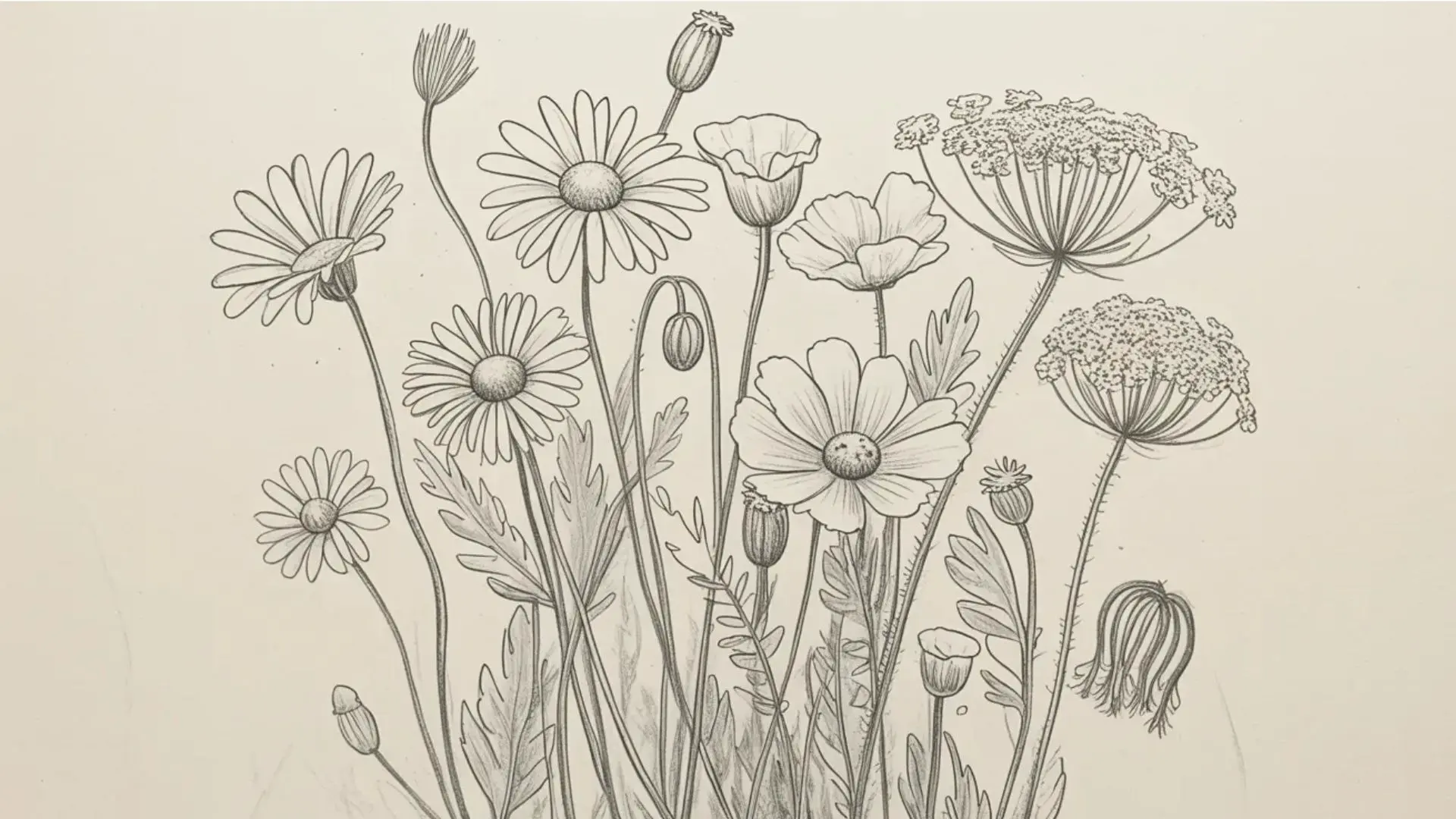
Pick a single flower species or mix several together on the page. Dandelions, poppies, and sunflowers all make satisfying subjects because their shapes are forgiving and their details reward close attention.
2. An Ancient Tree with Exposed Roots
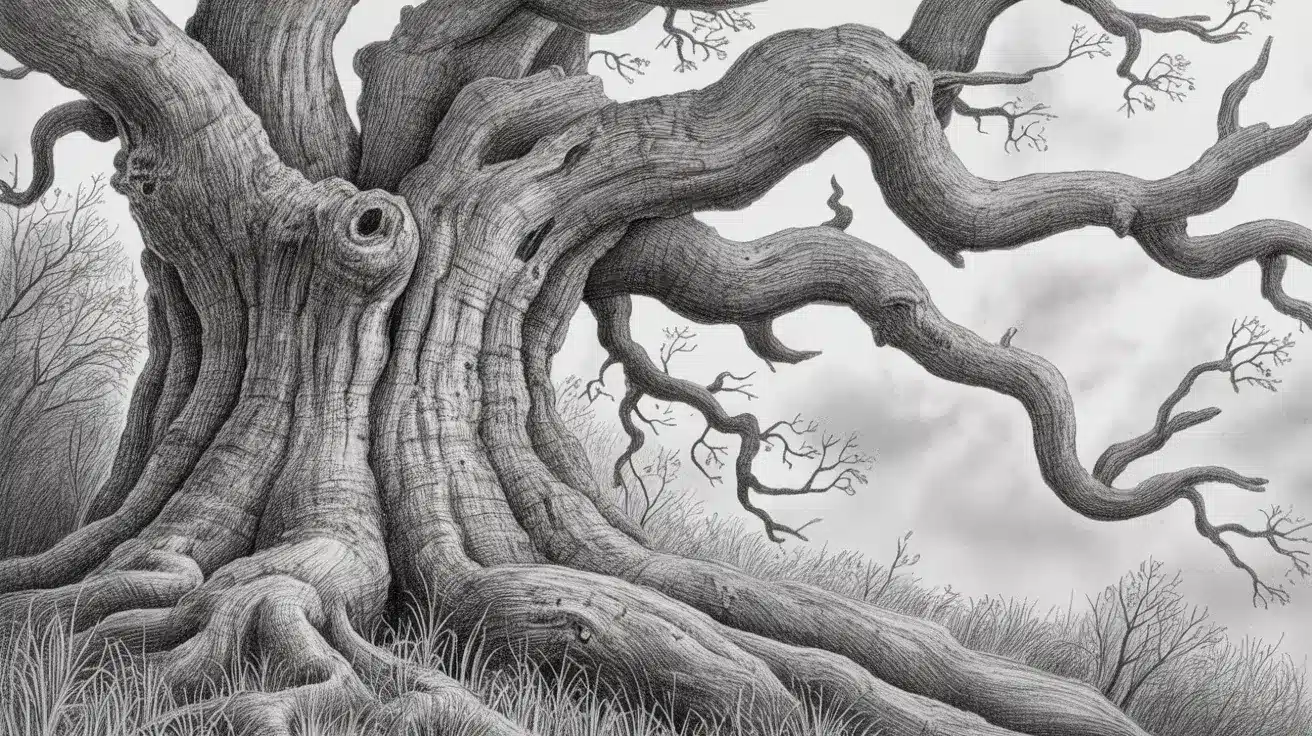
Old trees with gnarled bark, twisted branches, and surface roots produce some of the most textured and satisfying drawings you can attempt. Start with the trunk shape and work outward from there.
3. A Mountain Range at Dusk
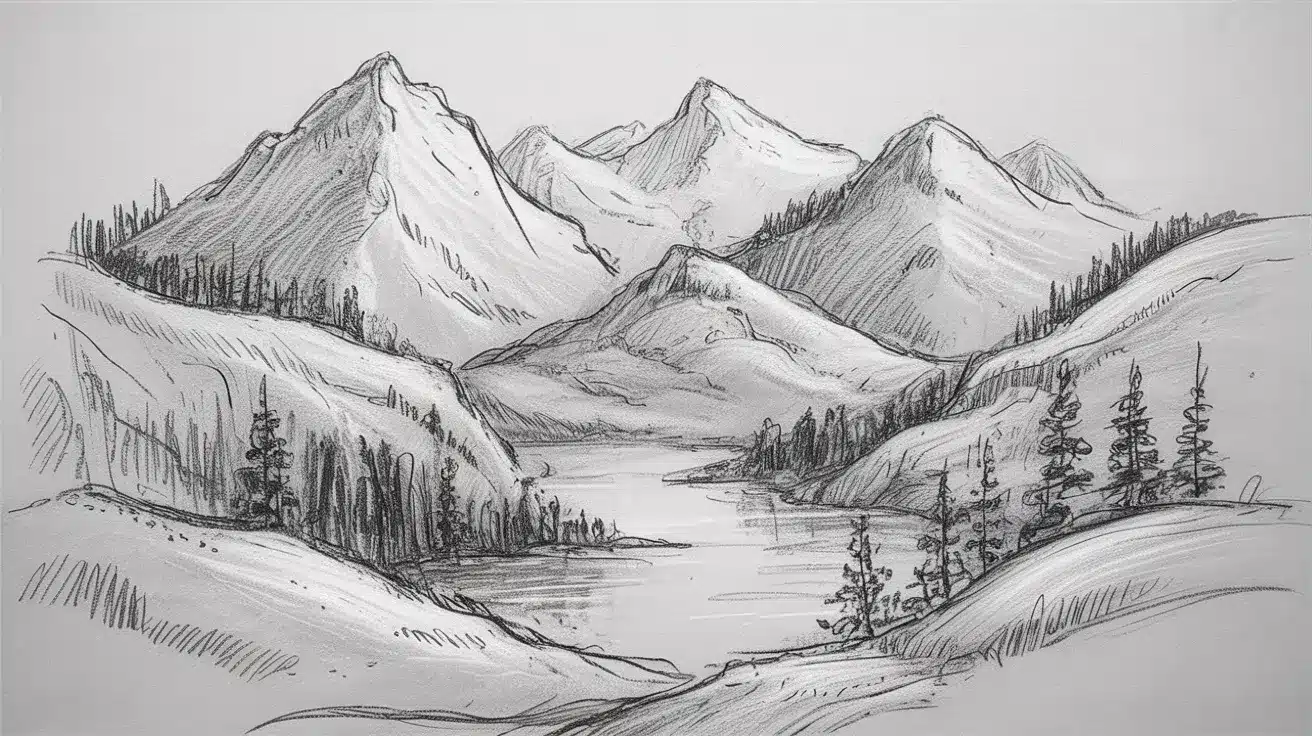
Layering distant peaks creates natural depth, which makes this a great sketch for practicing perspective. Vary your pencil pressure to separate the foreground hills from the mountains behind them.
4. Rain on a Window
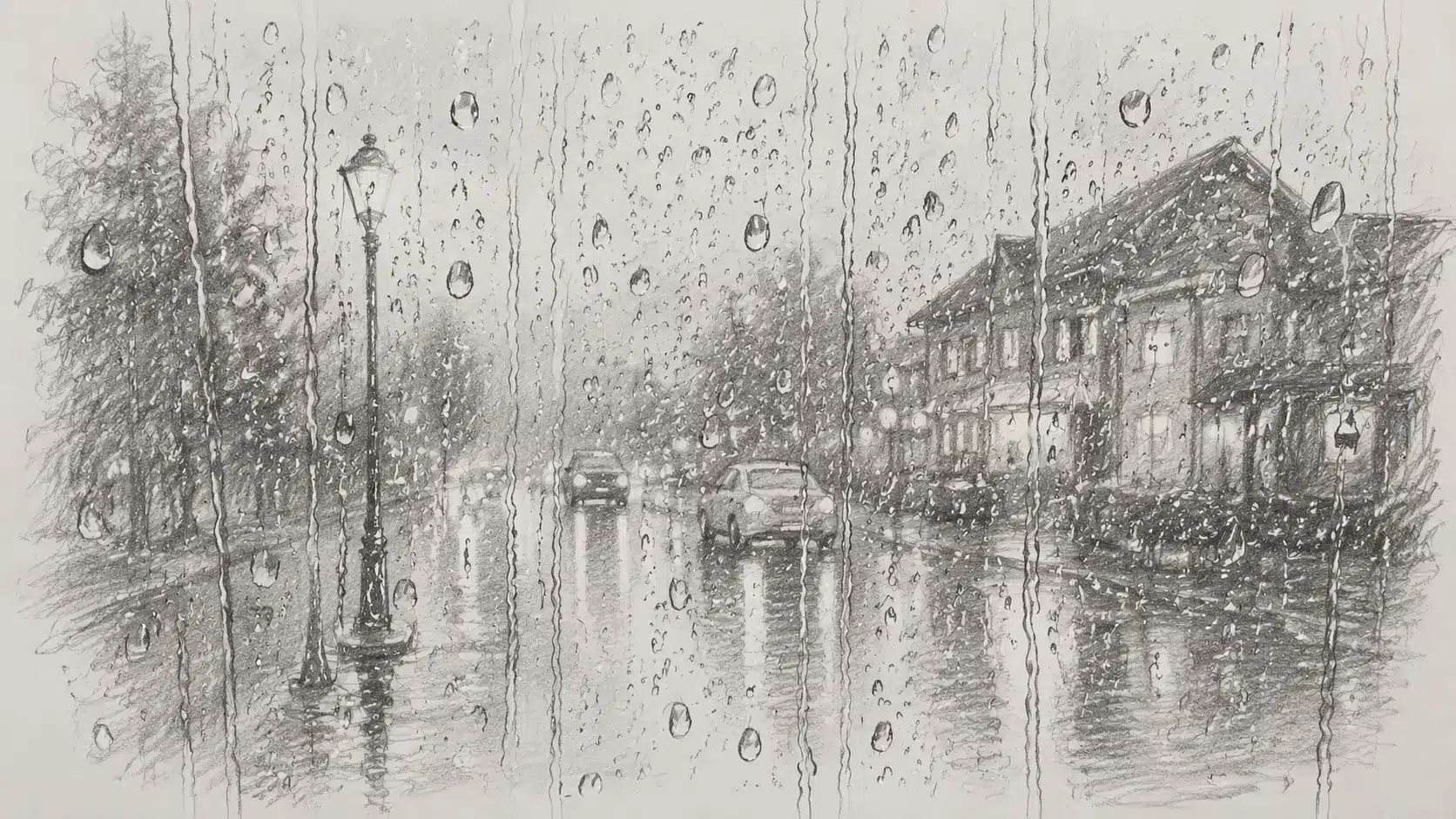
Draw the view through rain-streaked glass. The combination of sharp droplets in the foreground and blurred shapes outside gives you a chance to play with focus and texture in one drawing.
5. A Coastline or Rocky Shore
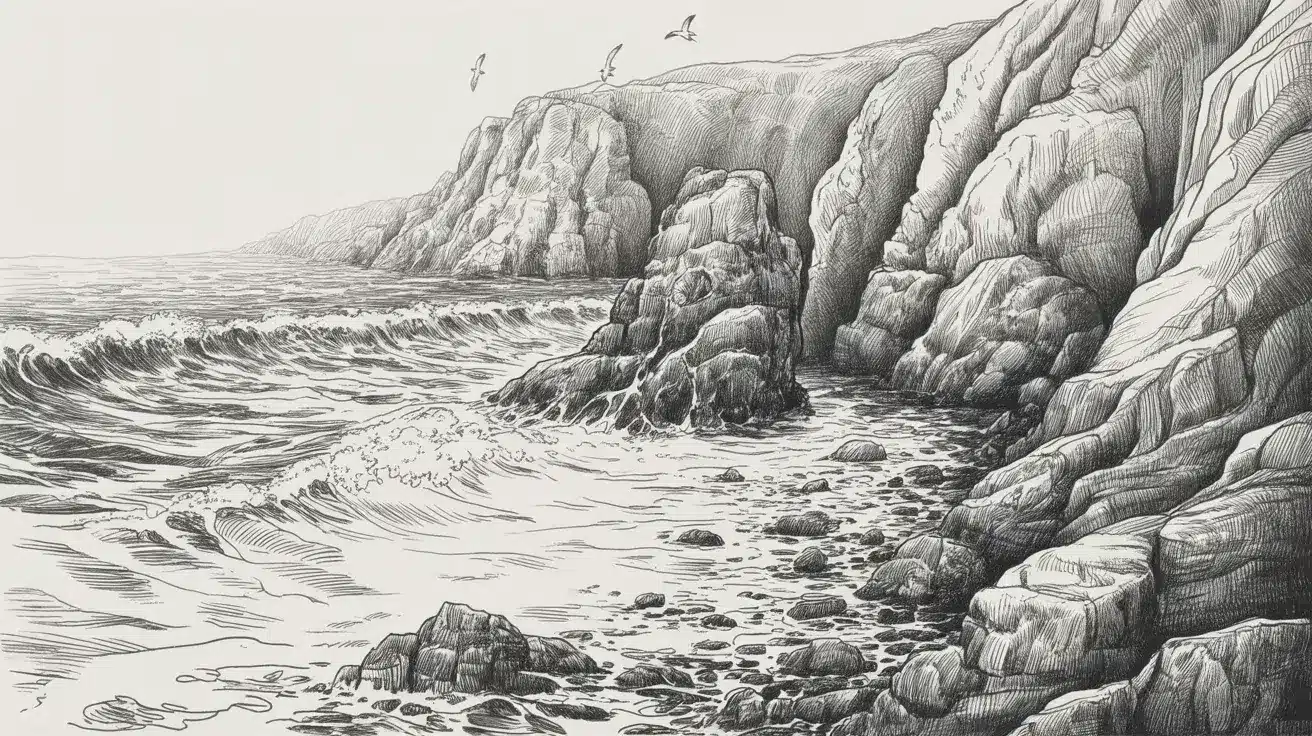
Rocks, water, and sea foam give you three distinctly different textures to practice within a single composition. Focus on the contrast between smooth water and rough stone for a visually striking result.
Animals and Creatures
Animals bring a mix of challenge and reward to any sketchbook session. Whether you draw from life, a photograph, or pure imagination, creatures of all kinds push your observation skills in ways that flat objects simply don’t.
6. A Portrait of Your Pet
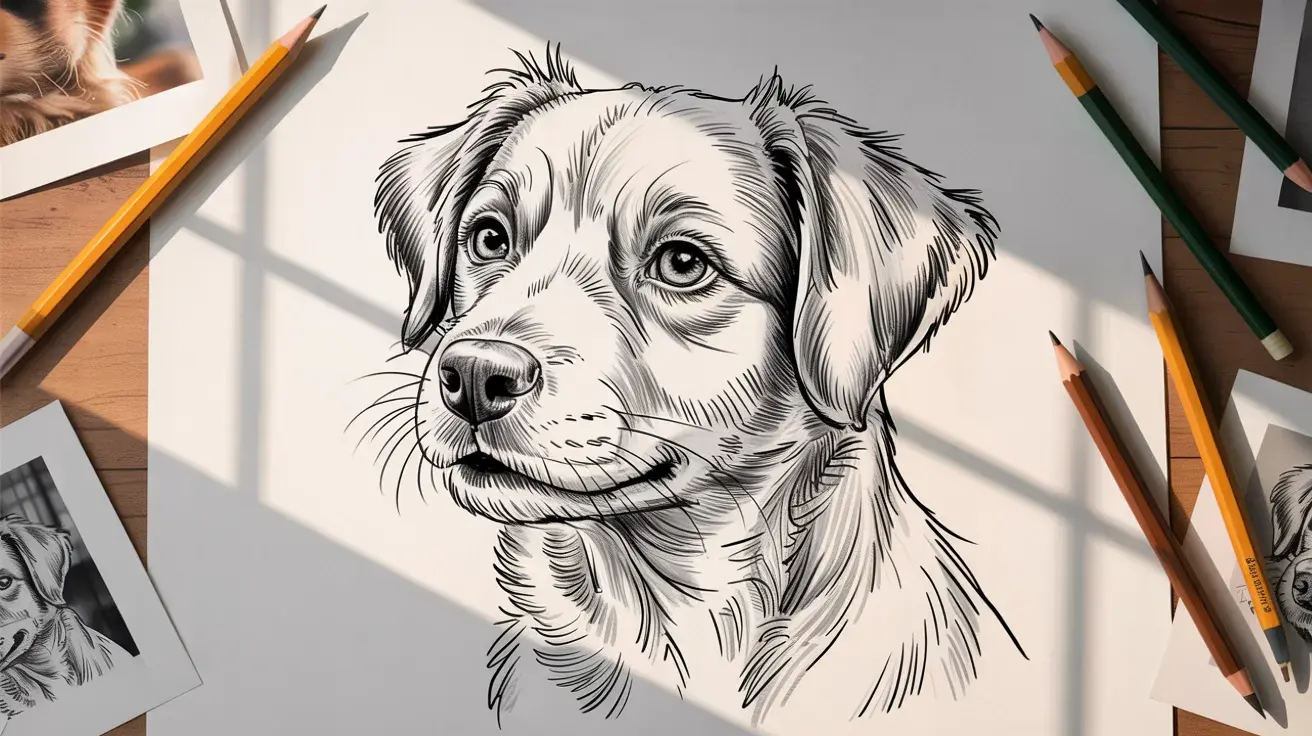
Drawing an animal you see every day gives you a built-in reference and a personal connection to the subject. Start with the eyes and build the rest of the face outward.
7. A Hummingbird in Flight
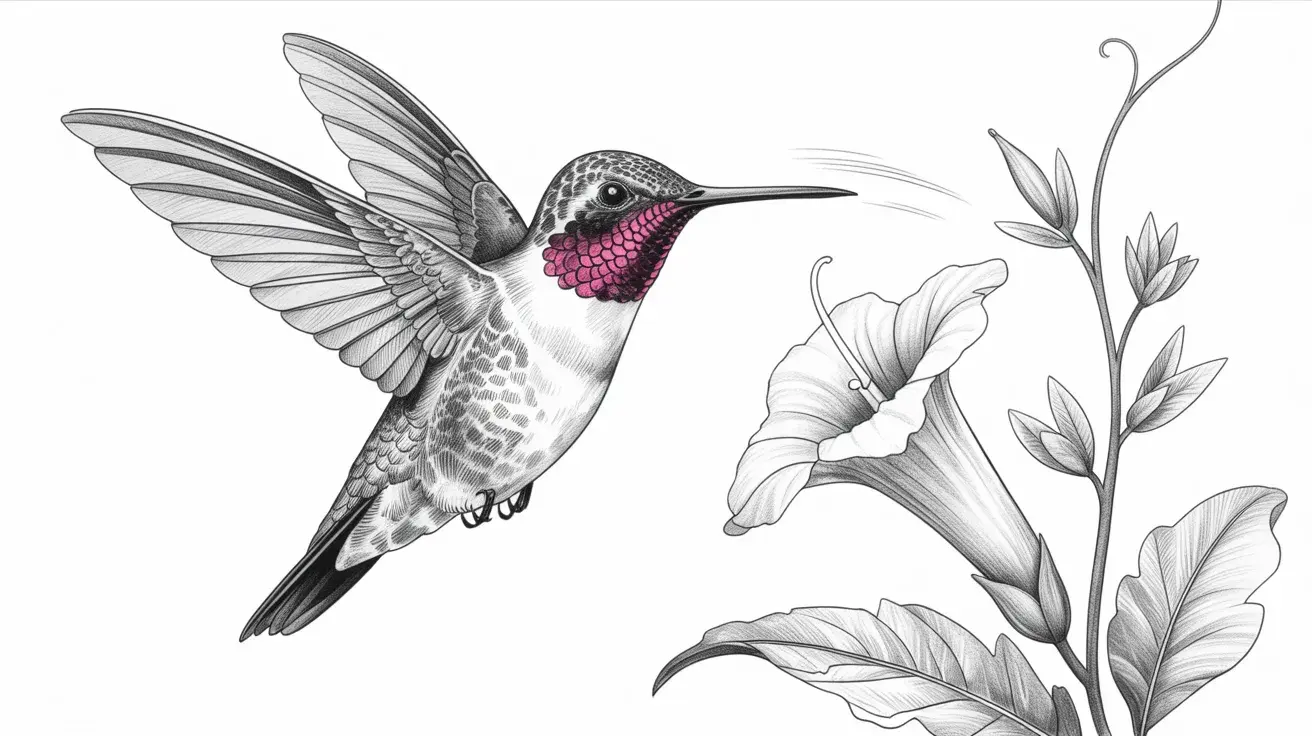
The challenge here is capturing motion in a still image. Slightly blurred wing lines suggest movement without making the drawing look unfinished, and the long beak gives you a clear anchor point to start from.
8. A Fantasy Dragon
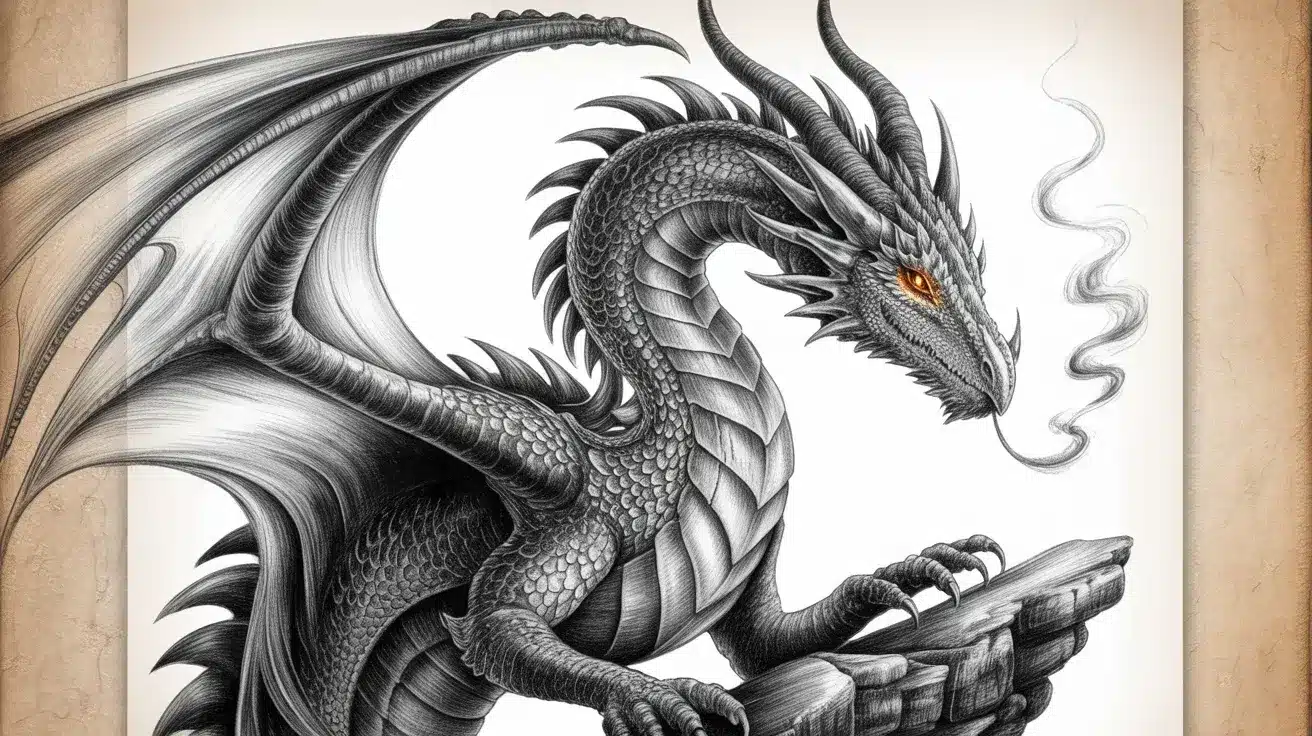
Fantasy creatures are ideal for artists who want creative freedom. There are no rules about what a dragon looks like, so you can combine features from lizards, birds, and your own imagination freely.
9. An Underwater Scene with Jellyfish
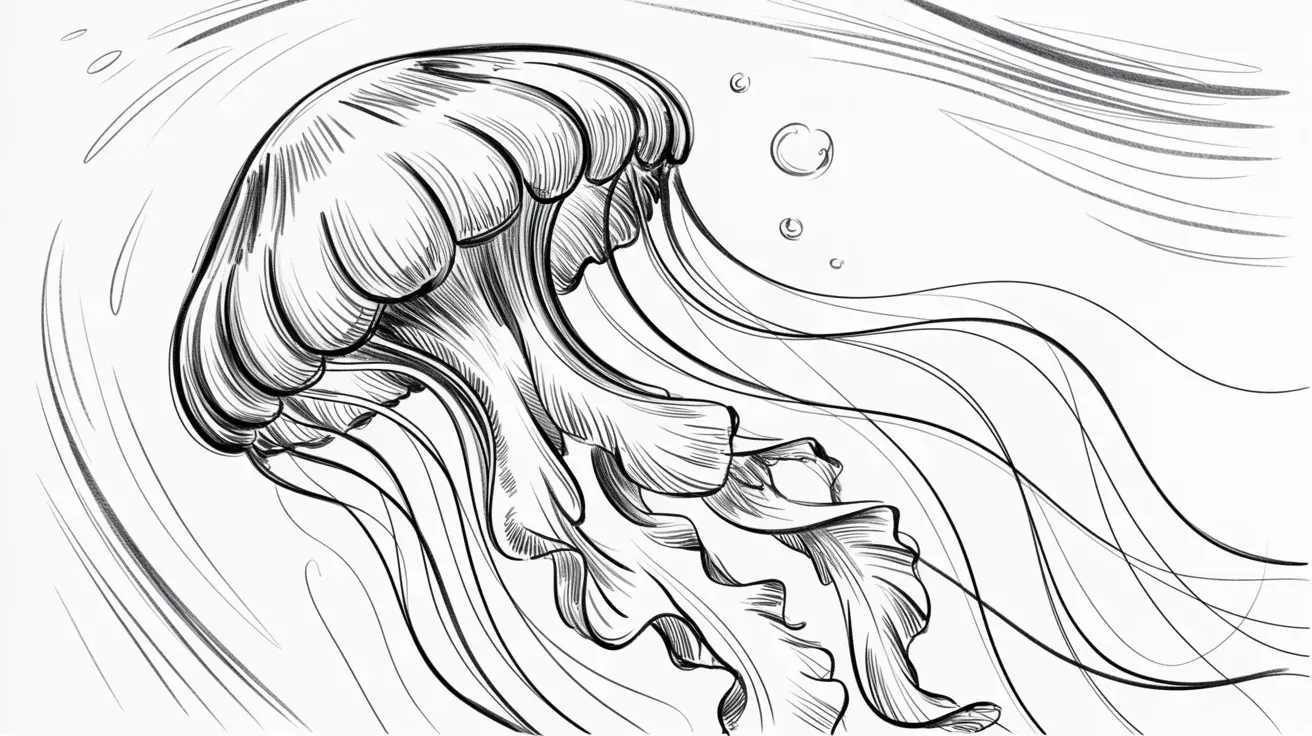
Jellyfish have flowing, translucent forms that are both simple to outline and visually striking on paper. Draw them against a dark background to make their shapes stand out clearly.
People and Portraits
Drawing people is where many artists feel the most pressure, but it’s also where the biggest skill jumps happen. Faces, hands, and figures in motion teach you to see proportion and expression in a way no other subject can.
10. A Self-Portrait from a Mirror
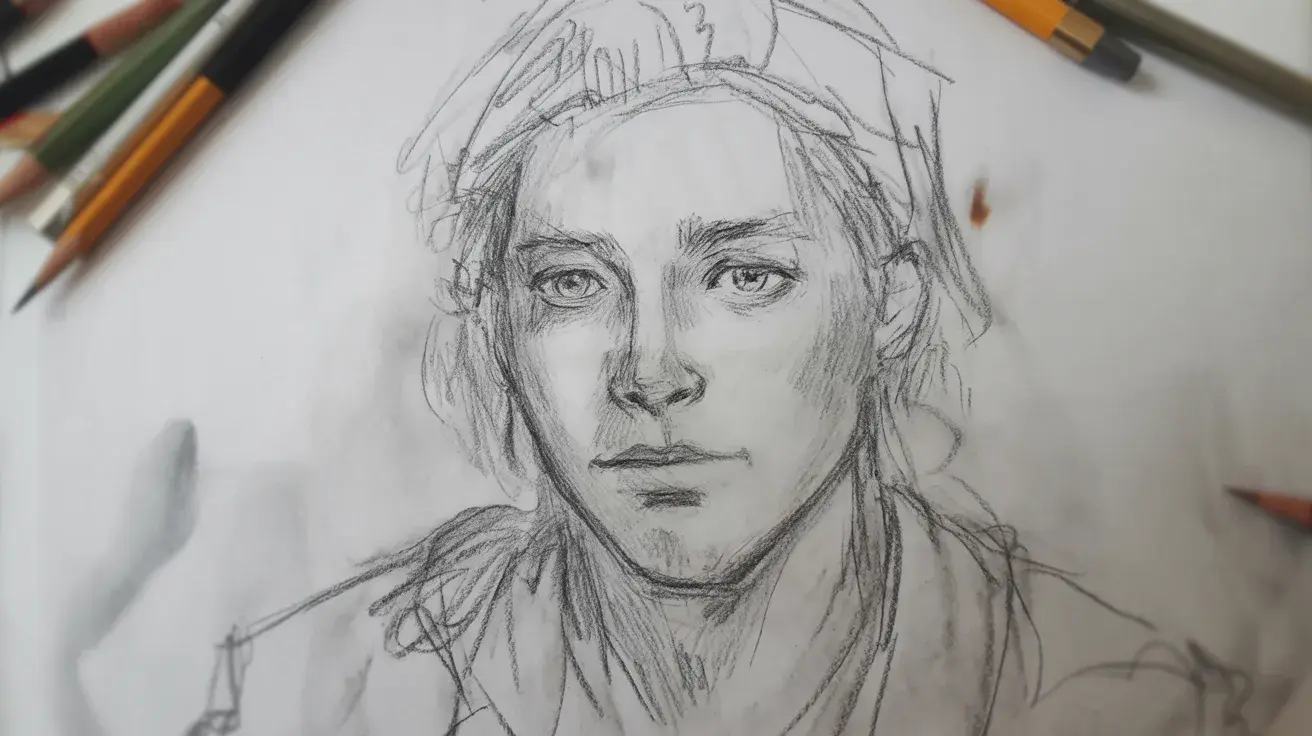
Self-portraits are some of the most honest drawing practices available to any artist. Spend time studying your facial proportions carefully before you put pencil to paper, and resist the urge to idealize what you see.
11. Hands in Different Positions
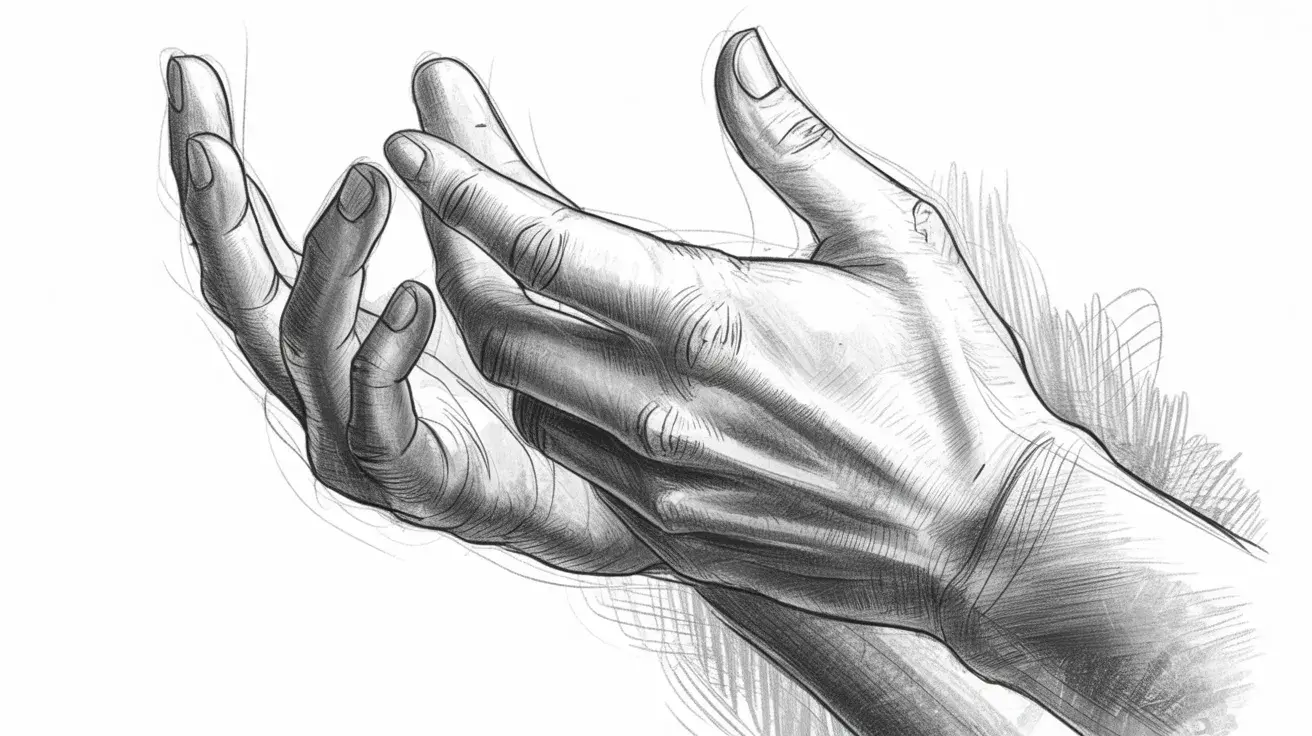
Hands are notoriously difficult to draw well, which is exactly why they’re worth the time. Sketch your own hand in five different positions across a single page to see real improvement fast.
12. A Street Performer or Musician

People in motion carry natural energy that static poses don’t. Pull up a short video clip of a musician or performer, pause it at an interesting moment, and use that as your reference shot.
13. An Imaginary Character
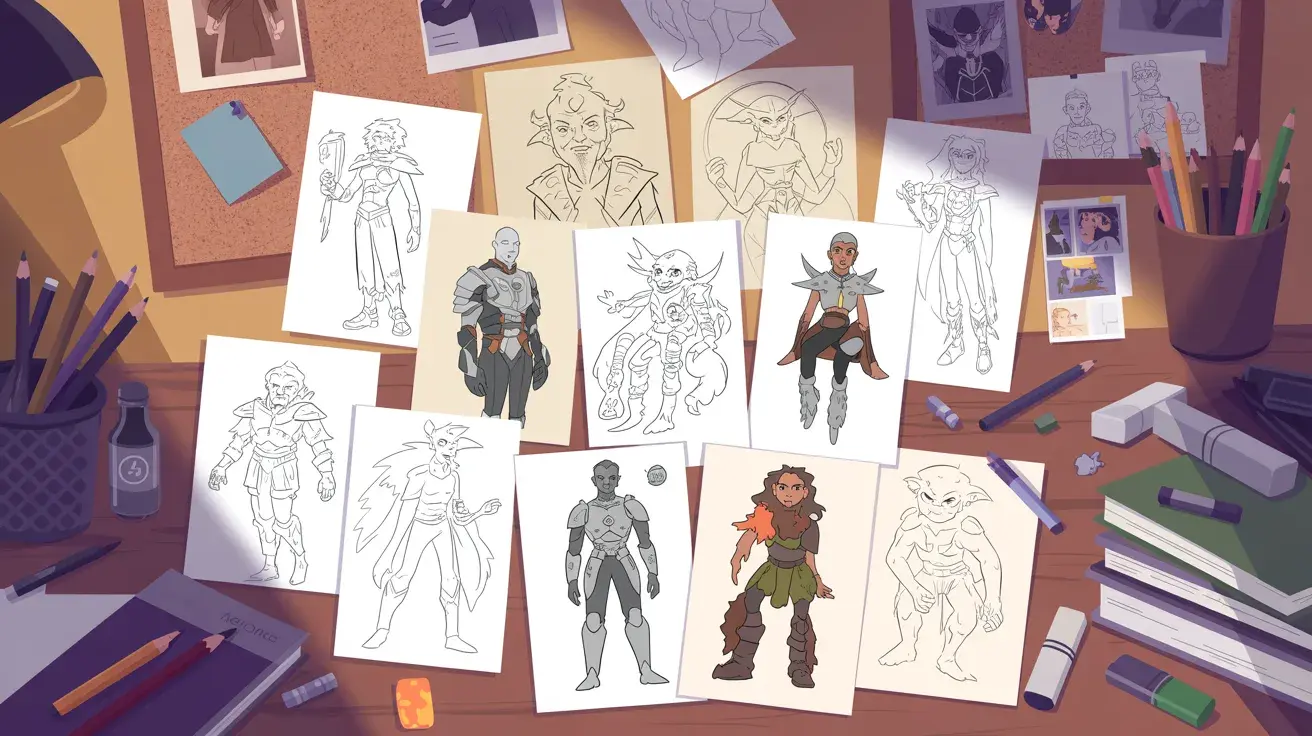
Create a character with a defined personality and backstory. Give them specific clothing, accessories, and an expression that tells a story without a single word of explanation.
Objects and Everyday Life
The objects sitting around you right now are more interesting to draw than they look. Familiar things seen up close reveal unexpected shapes, shadows, and textures that make for quietly compelling sketches.
14. Your Morning Coffee Setup
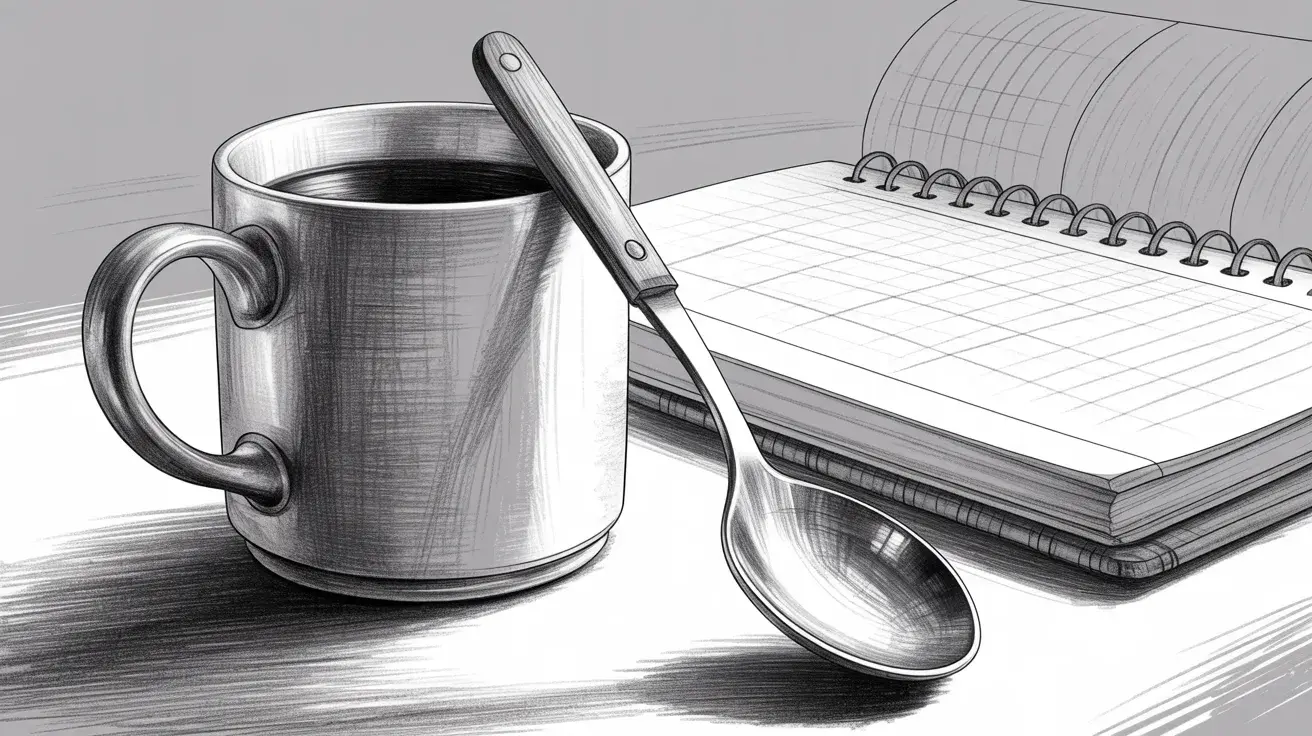
A mug, a spoon, a notebook open beside it. Drawing ordinary objects from your daily routine teaches you to notice shapes and light in things you normally overlook.
15. A Stack of Books
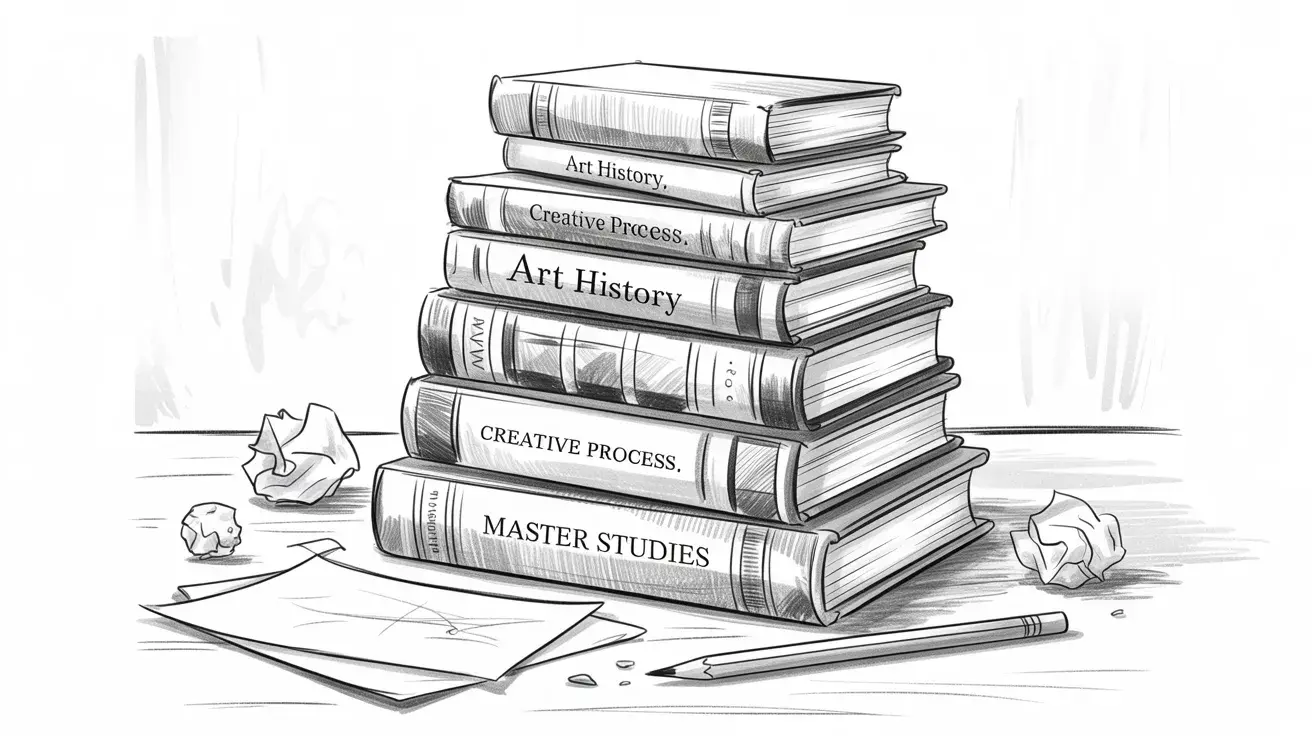
Books have clean geometric forms, but worn spines and irregular pages add the kind of character that makes a drawing interesting. Try rendering the same stack from two different angles.
16. Fresh Fruit and Vegetables
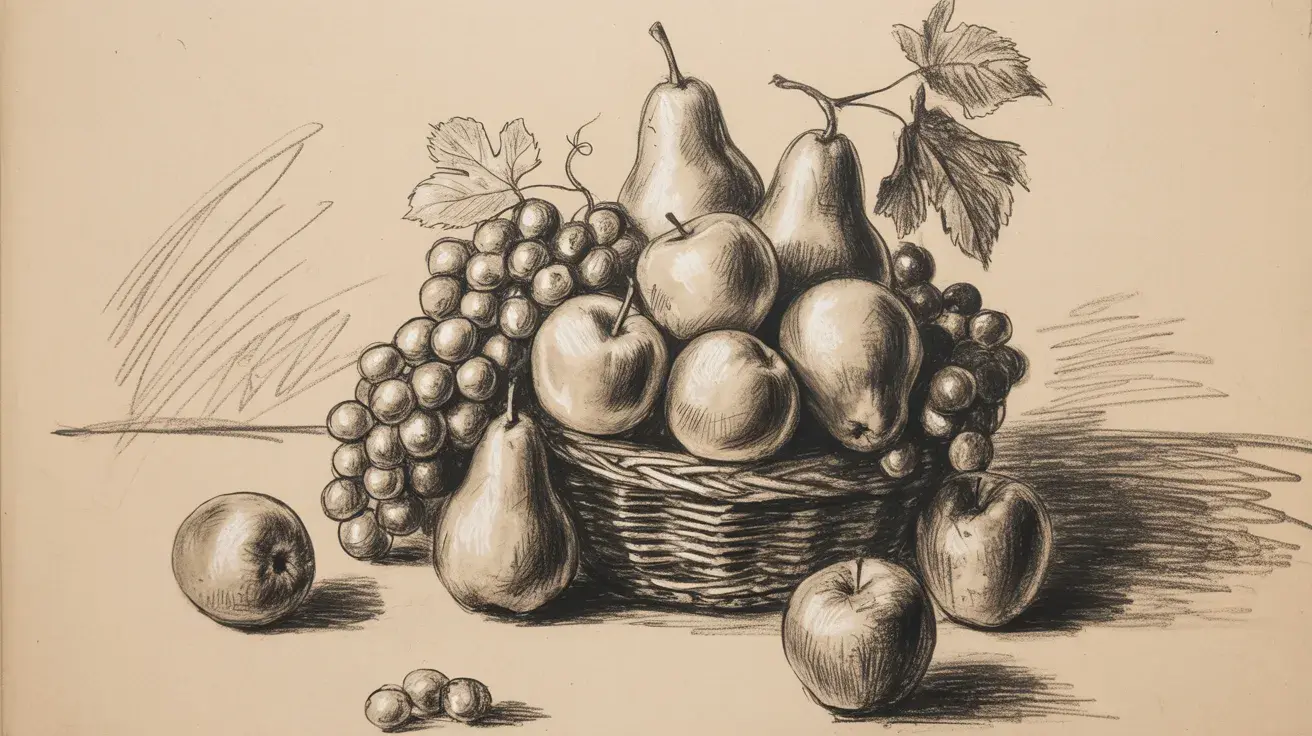
Still life drawing is a classic for good reason. Citrus fruit, bell peppers, and berries all have interesting surface textures and catch light in distinctive ways that test your shading skills.
17. Your Favorite Pair of Shoes
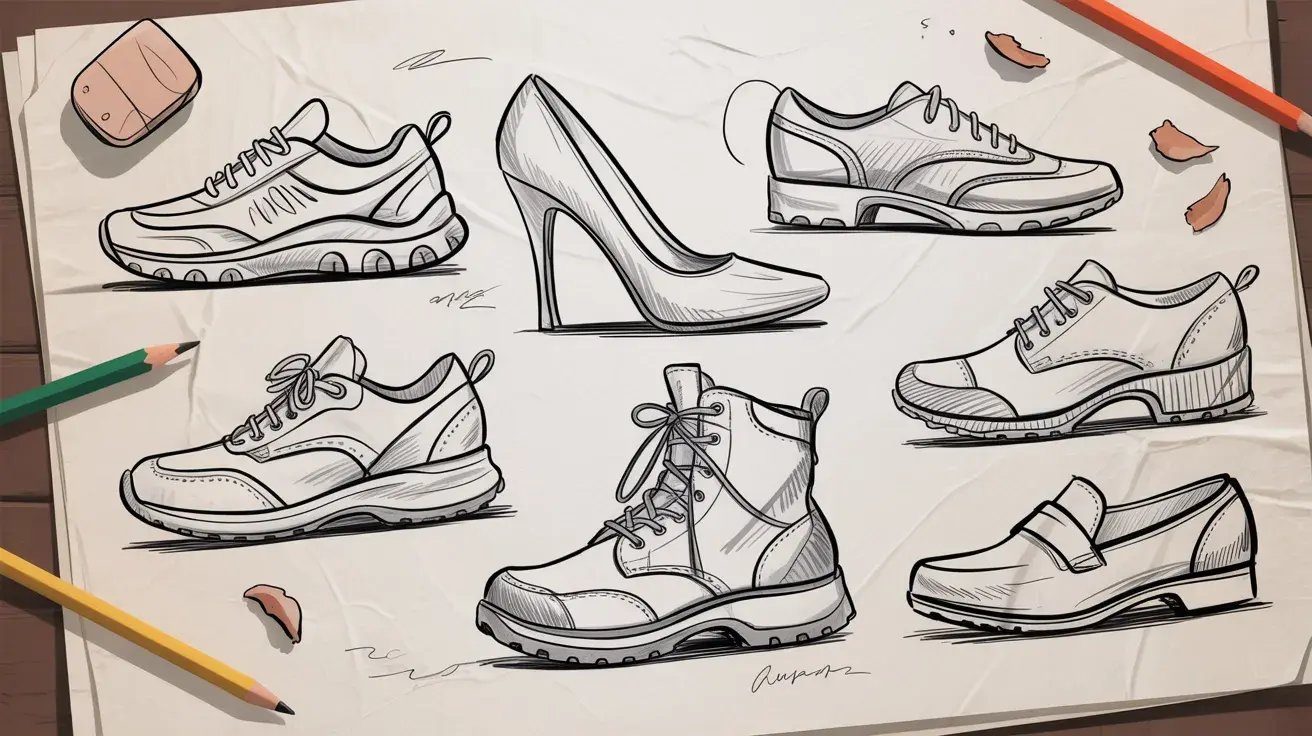
Footwear holds surprising amounts of detail. Laces, soles, stitching, and wear marks all make for a drawing that turns out far more engaging than it sounds at first.
18. A Kitchen Shelf or Pantry Corner
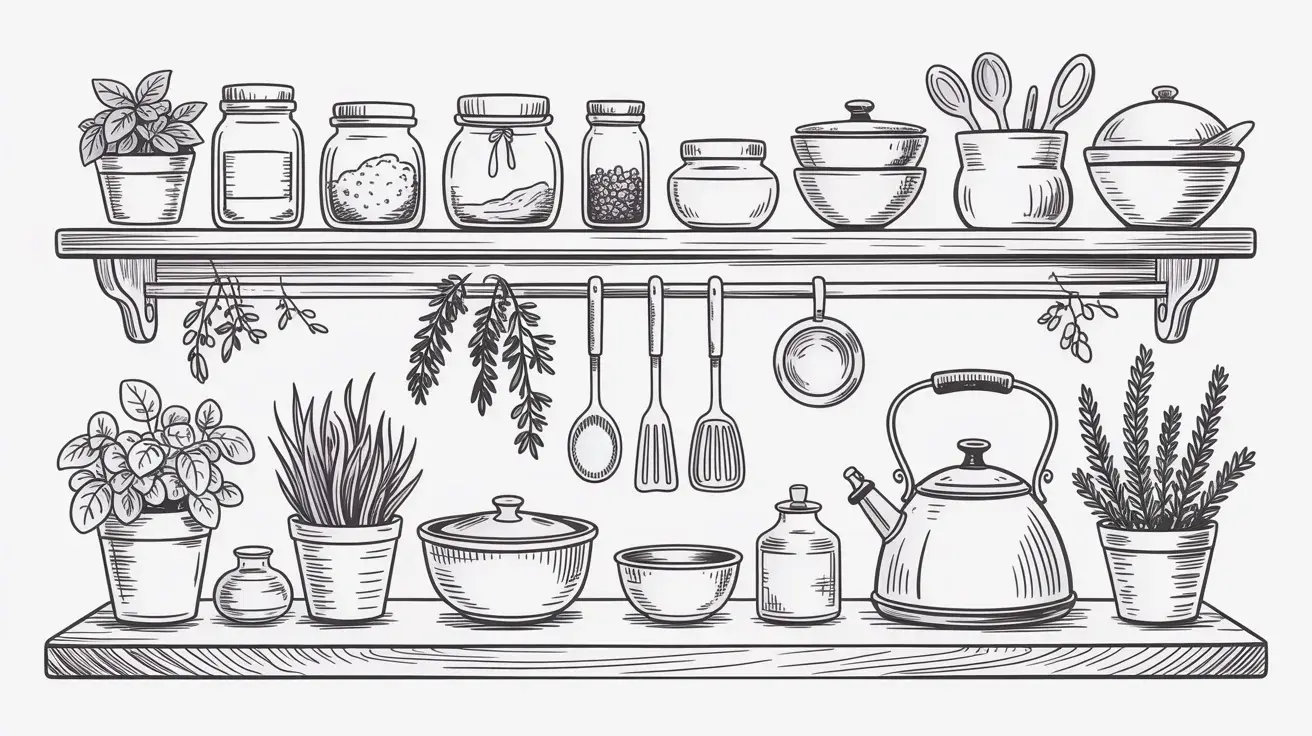
Group a few jars, cans, or bottles together and draw them as a cluster. Pay attention to how objects overlap each other and how light falls into the gaps between them.
Abstract and Doodles
Not every drawing needs a subject or a plan. Abstract work and doodling give you permission to fill a page purely with shape, pattern, and movement, which often produces some of the most satisfying results in your sketchbook.
19. A Zentangle Page
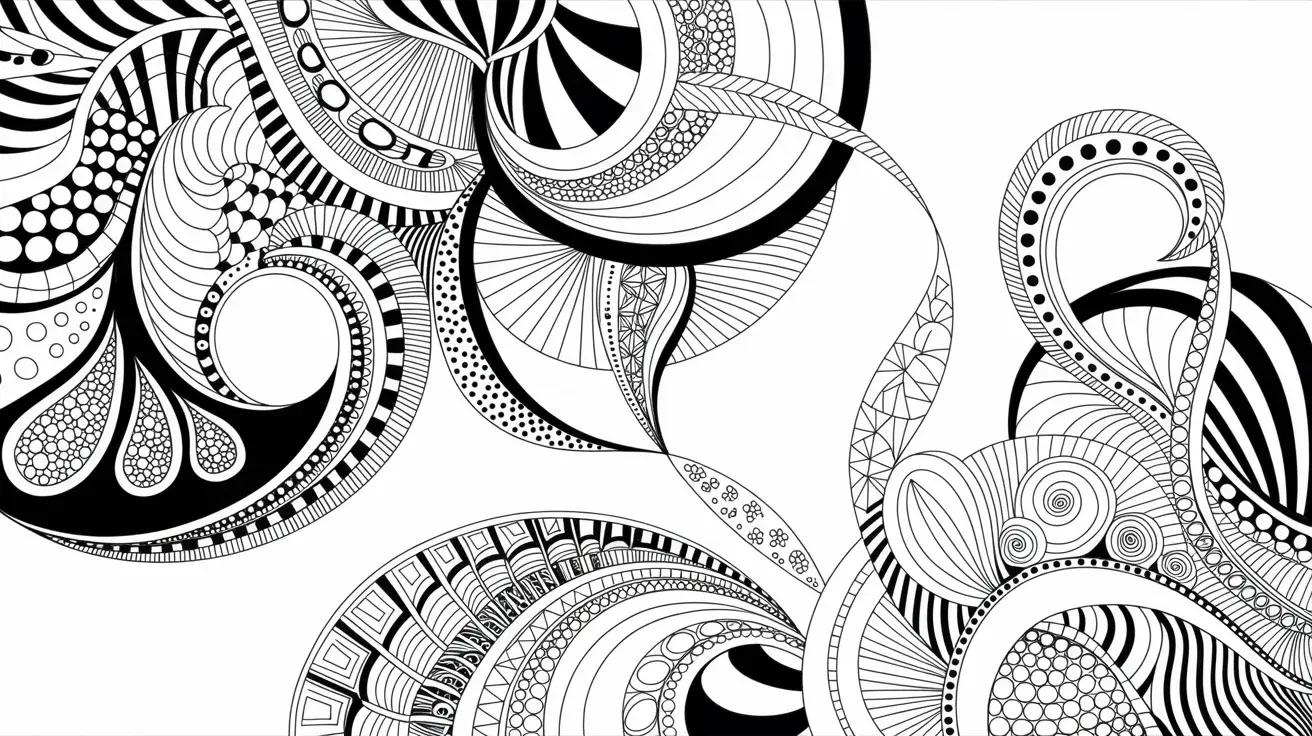
Pick a geometric shape as your container and fill it entirely with repeating patterns. Zentangle is low-pressure and meditative, producing results that look impressive even at the beginner level.
20. Layered Geometric Shapes
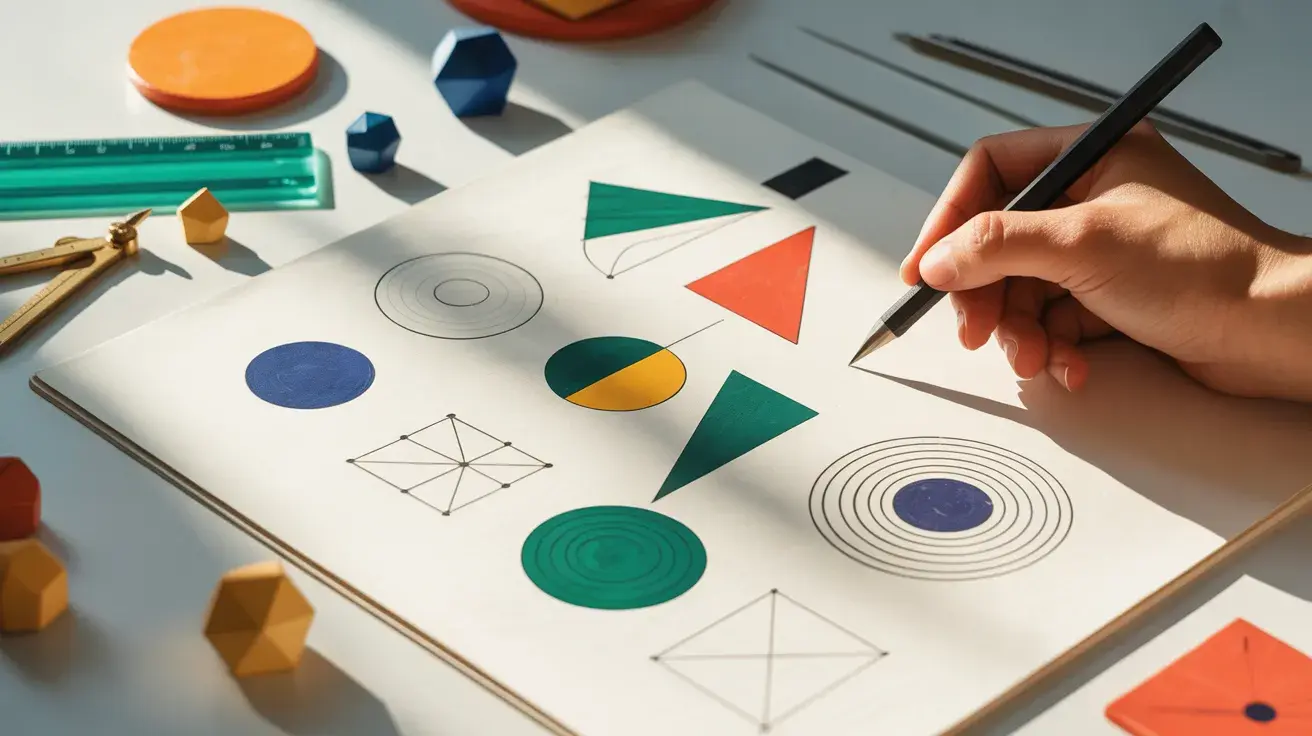
Overlap circles, triangles, and rectangles across your page, then shade the intersecting areas differently. It’s one of the fastest ways to fill a page with something visually interesting when you’re short on ideas.
21. A Free-Flow Doodle with No Rules
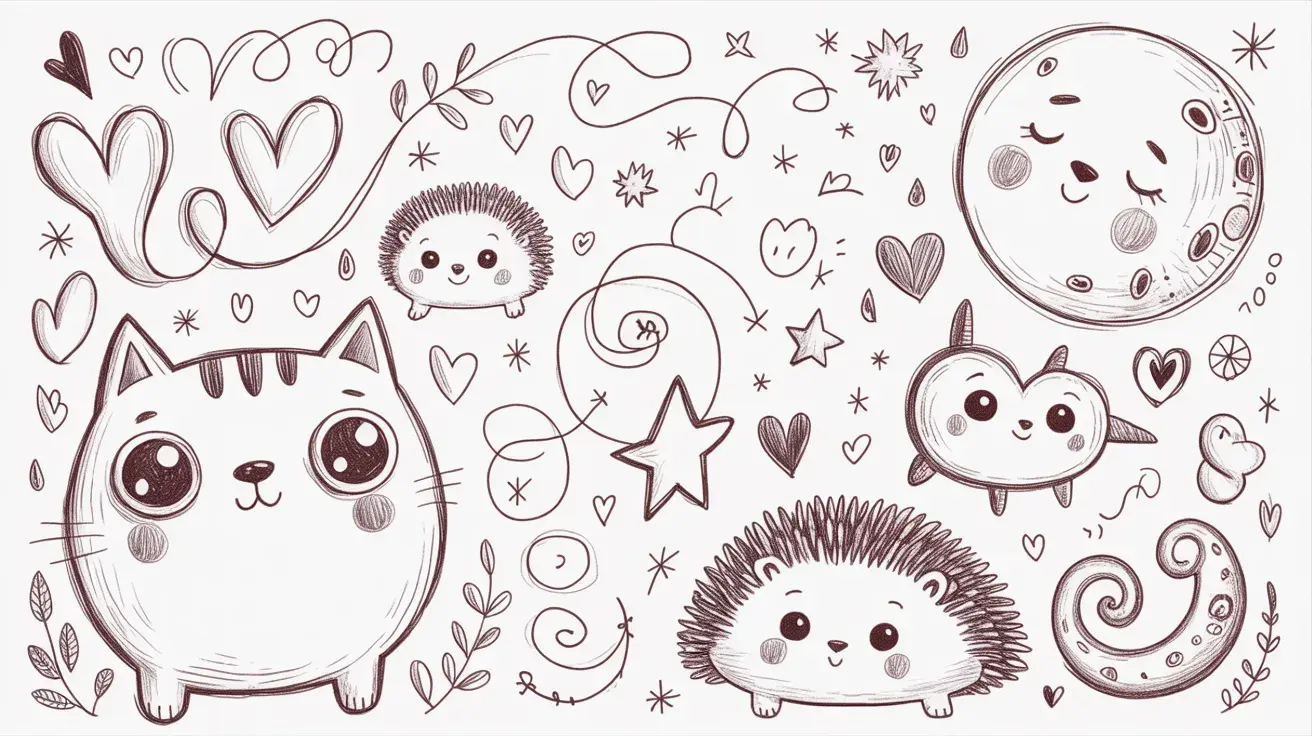
Pick up your pen and draw without stopping for five minutes. No planning, no erasing, no second-guessing. Free-flow doodling is one of the most effective ways to rediscover your natural drawing instincts when you feel stuck.
Where to Find More Drawing Inspiration Online
When your own ideas run dry, these platforms are where artists consistently turn for fresh drawing inspiration and daily drawing ideas.
Pinterest: Pinterest is one of the most widely used tools for visual reference and drawing inspiration. Search terms like “drawing ideas for beginners,” “sketch prompts,” or “nature drawing reference” pull up thousands of curated boards from other artists.
Sketch a Day Apps: Apps like Sketch a Day send daily drawing prompts directly to your phone. Having a prompt waiting each morning removes the decision fatigue that often stops people from starting. For many artists, that small nudge is the difference between a sketchbook that fills up and one that gathers dust.
Instagram Artist Pages: Following working artists on Instagram puts a steady stream of styles, subjects, and techniques in front of you. Look for artists who are slightly ahead of your current skill level so their work feels genuinely attainable. Search hashtags like #dailydrawing, #sketchbook, or #drawingprompts to find active communities posting regularly.
Art Blogs and Community Galleries: Sites like Ctrl+Paint (focused on drawing and digital art fundamentals), Artists Network, and DeviantArt all host galleries and written resources for artists at every level.
Tips to Overcome Creative BlocksBuild a Sketchbook Routine Try Mini Drawing Challenges Use Reference Photos and Mood Boards Combine Random Sketch Prompts |
Bonus Drawing Prompts and Challenges
Beyond the 21 ideas above, structured challenges are among the best ways to keep your drawing inspiration consistent over weeks and months, rather than just days.
Monthly Theme Challenges: Pick a single theme and draw something related to it every day for a full month. Themes like “the natural world,” “urban life,” or “imaginary creatures” offer enough variety to stay interesting while keeping your daily practice focused. Inktober is the most well-known version of this format, but you can run your own at any time of year.
Weekly Prompt Lists: If daily drawing feels like too big a commitment right now, a weekly prompt list works just as well. Draw one subject from the list at your own pace across the week. Many artists share free weekly drawing prompt lists on Instagram and Pinterest, so you’re never short of options.
Create Your Own Sketch Prompts: Write ten objects, ten settings, and ten moods on separate slips of paper. Draw one from each pile at random. Prompts you generate yourself tend to reflect what you actually find interesting, which makes the drawing session feel like a project rather than an exercise.
Conclusion: Start Drawing Today
The drawing inspiration in this post is a starting point. Pick one that sounds genuinely interesting, set a timer, and see what comes out.
Some sketches will work well and others won’t, and both outcomes move your skills forward.
If you have a drawing subject you keep coming back to, or a prompt that always gets your pencil moving, share it in the comments below.
Your ideas might be exactly what another reader needs to get started.
Frequently Asked Questions
What Should a Beginner Draw First?
Start with simple everyday objects like cups, shoes, or fruit. Familiar shapes build foundational skills without feeling overwhelming.
How Do I Get Better at Drawing Fast?
Draw daily, even for ten minutes. Focused repetition with real references improves hand-eye coordination and accuracy faster than anything else.
What App is Best for Drawing Inspiration?
Pinterest and Sketch a Day are popular starting points. Both offer a constant stream of prompts and visual references for all skill levels.
How Do You Fill a Sketchbook?
Use daily prompts, themed challenges, or quick observational sketches. Removing the pressure to make perfect drawings keeps the pages moving.