Feeling stuck with blank walls or plain spaces at home can be frustrating. Most art feels expensive or hard to make.
DIY art lets you bring your own personality into your space. It saves money and lets you create pieces that perfectly match your style. Plus, it can be relaxing and fun.
This post shares easy projects, beginner-friendly instructions, and creative ideas for canvas paintings and other DIY paintings. You’ll learn how to make art step by step and add unique touches to your home that you’ll enjoy displaying.
Easy DIY Canvas Painting Ideas
Canvas is the easiest place to start, since one blank canvas can become a dozen different things depending on how you treat it. The ideas below are beginner-friendly, and most cost less than a takeout dinner.
A basic acrylic paint set runs about $10 to $20, and a multipack of small canvases is usually $10 to $15, so a single painting often lands under $25.
1. Neutral Abstract Canvas Painting
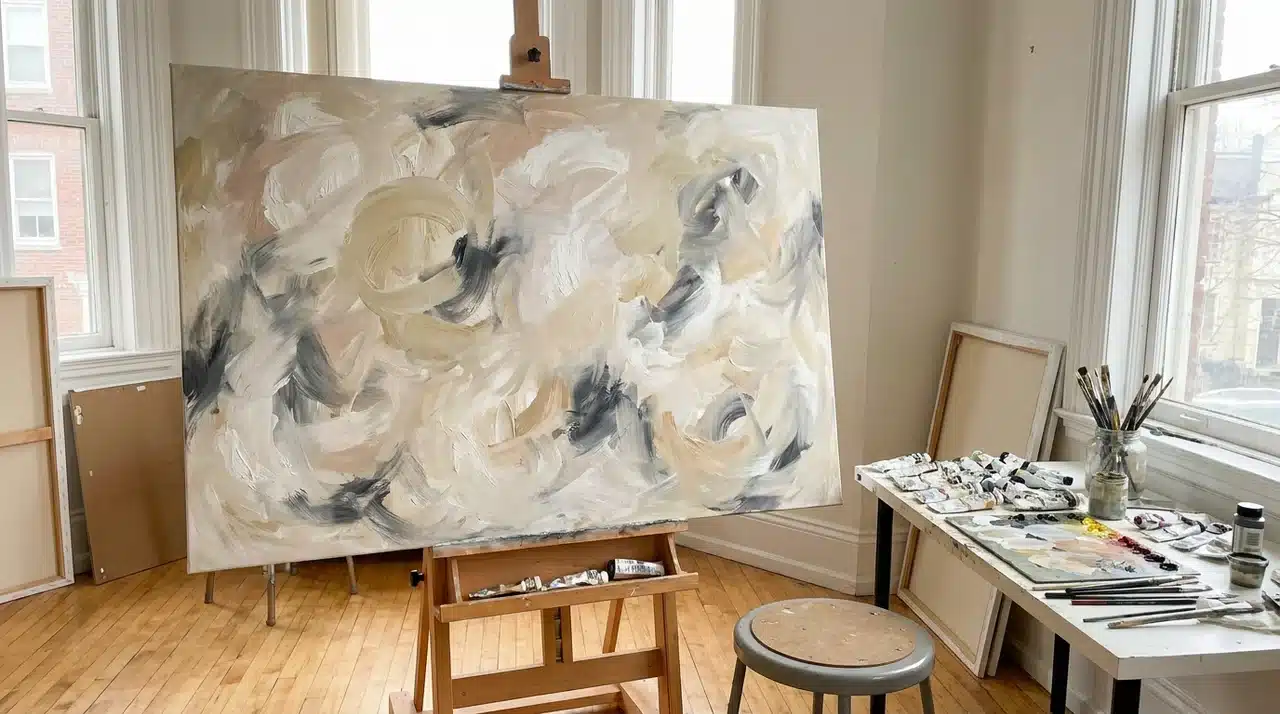
Create gentle strokes of beige, white, and soft gray across your canvas in random patterns, layering colors to form depth. Allow paint to dry slightly between layers to avoid blending. Use a wide brush for large strokes and a smaller brush for subtle details. This method creates a calm, abstract piece that works well in any room.
Materials Used: Canvas, acrylic paint, brushes, palette
2. Color Block Canvas Painting
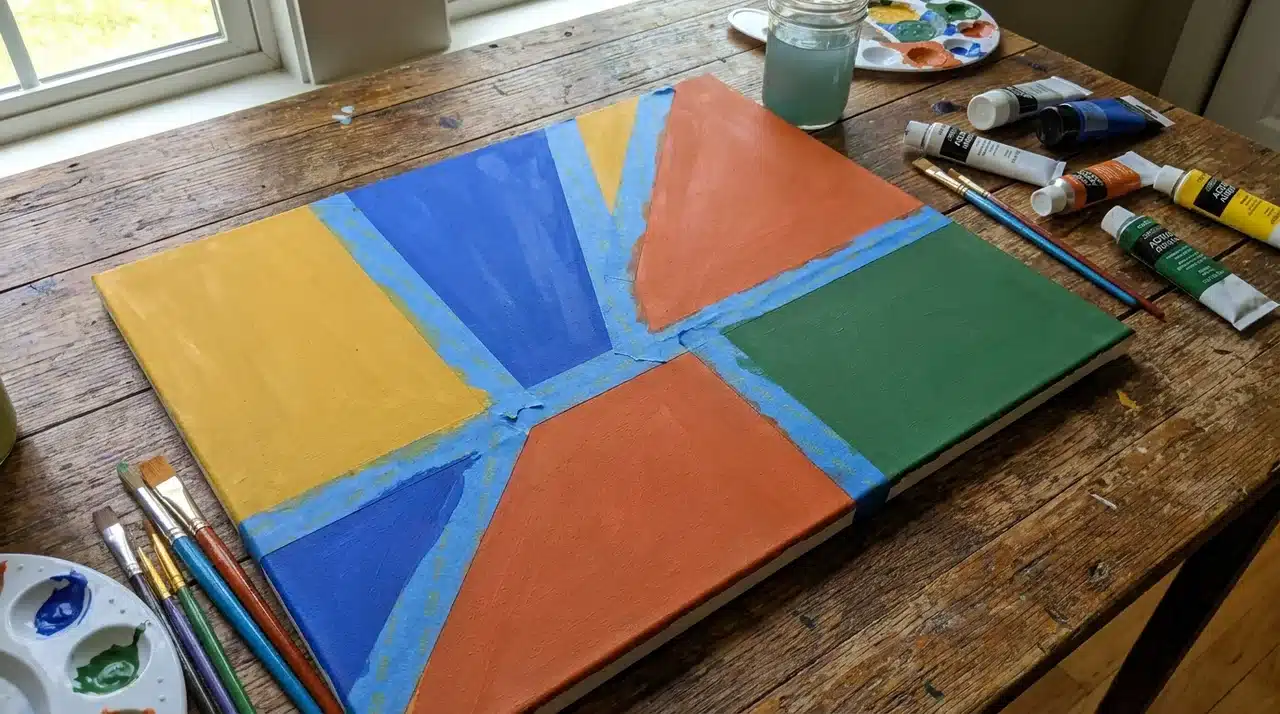
Use painter’s tape to section the canvas into rectangles and squares. Fill each section with contrasting or coordinating colors. Remove the tape carefully once the paint is dry. Layer a second coat if needed for a clean finish. This creates a modern geometric artwork that adds structure and interest to your walls.
Materials Used: Canvas, painter’s tape, acrylic paints, brushes
3. Sunset Gradient Painting
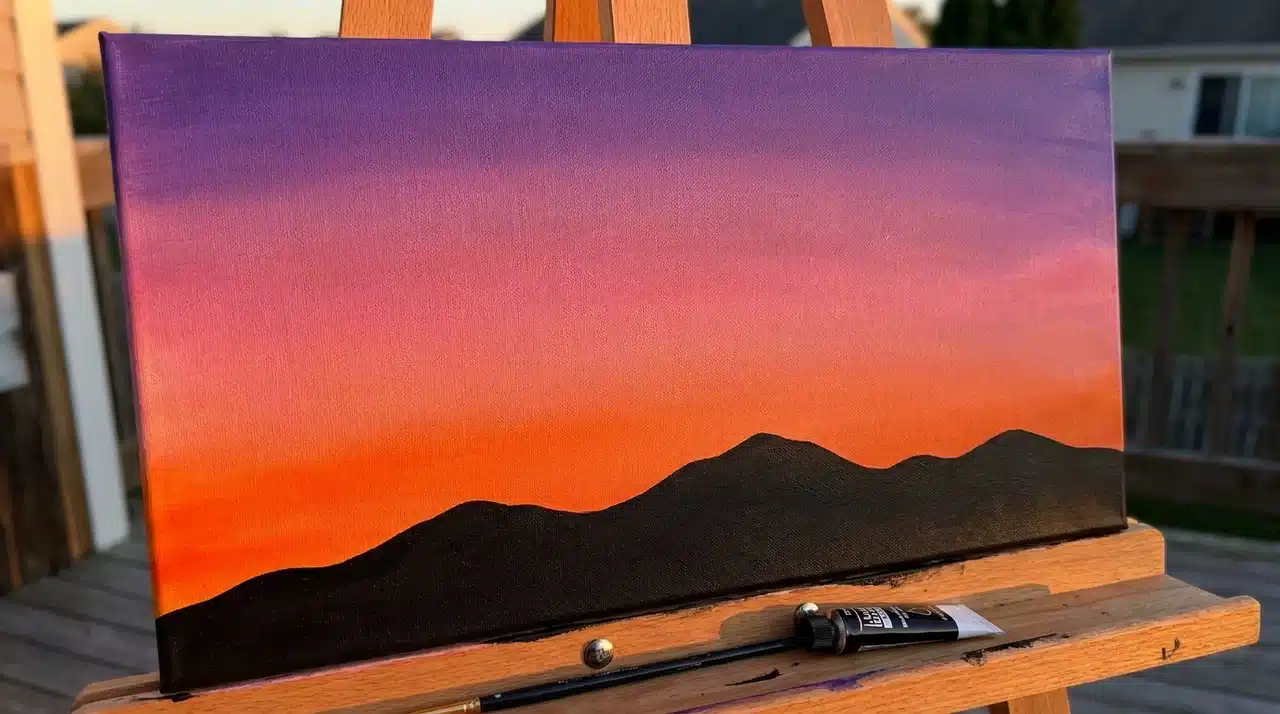
Blend warm shades of orange, pink, and purple from top to bottom of the canvas using a flat brush or sponge. Use horizontal strokes and gently overlap colors to achieve a smooth transition. Add a simple silhouette, like a tree or mountains, in black to complete the scene. This technique produces a peaceful sunset effect.
Materials Used: Canvas, acrylic paints, brushes, sponge
4. Black-and-White Abstract
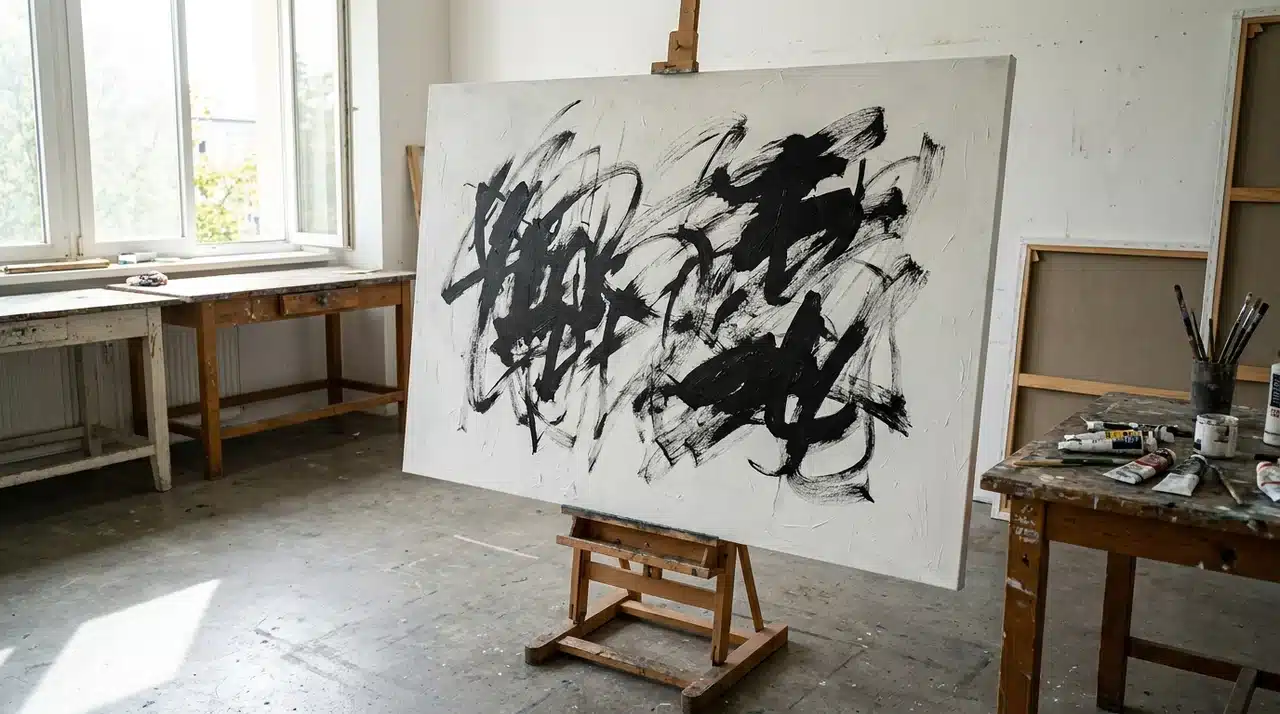
Paint thick black strokes over a white primed canvas in random patterns. Layer lines, curves, and dots to achieve texture. Use different brush sizes to create variation and interest. Allow the piece to dry fully before adding additional highlights or shadows with white paint. This method creates modern wall art suitable for minimalist spaces.
Materials Used: Canvas, black and white acrylic paint, brushes
5. Watercolor Effect Canvas
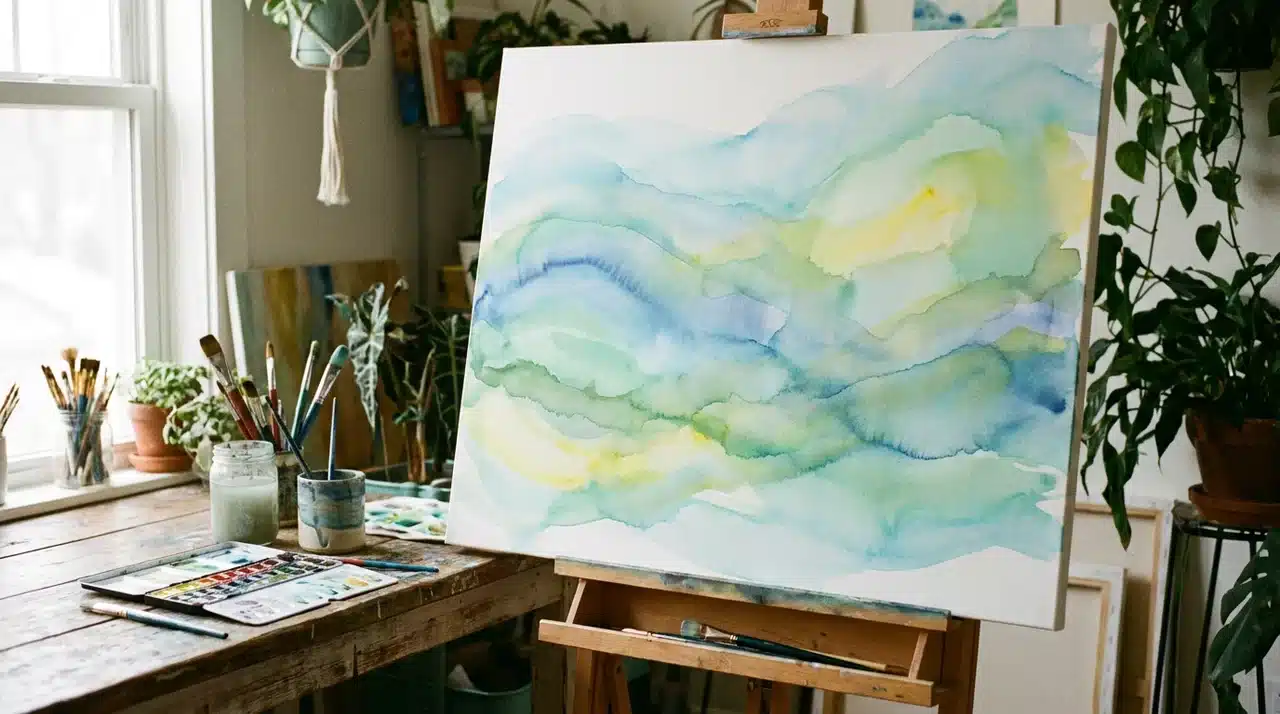
Apply watered-down acrylic paints in soft washes across the canvas. Tilt or rotate the canvas to allow colors to flow naturally. Layer multiple washes to achieve depth. Use a fine brush to add details or leave the piece abstract. This technique is forgiving for beginners and results in a serene, fluid art piece.
Materials Used: Canvas, acrylic paint, water, brushes
6. Textured Spackle Painting
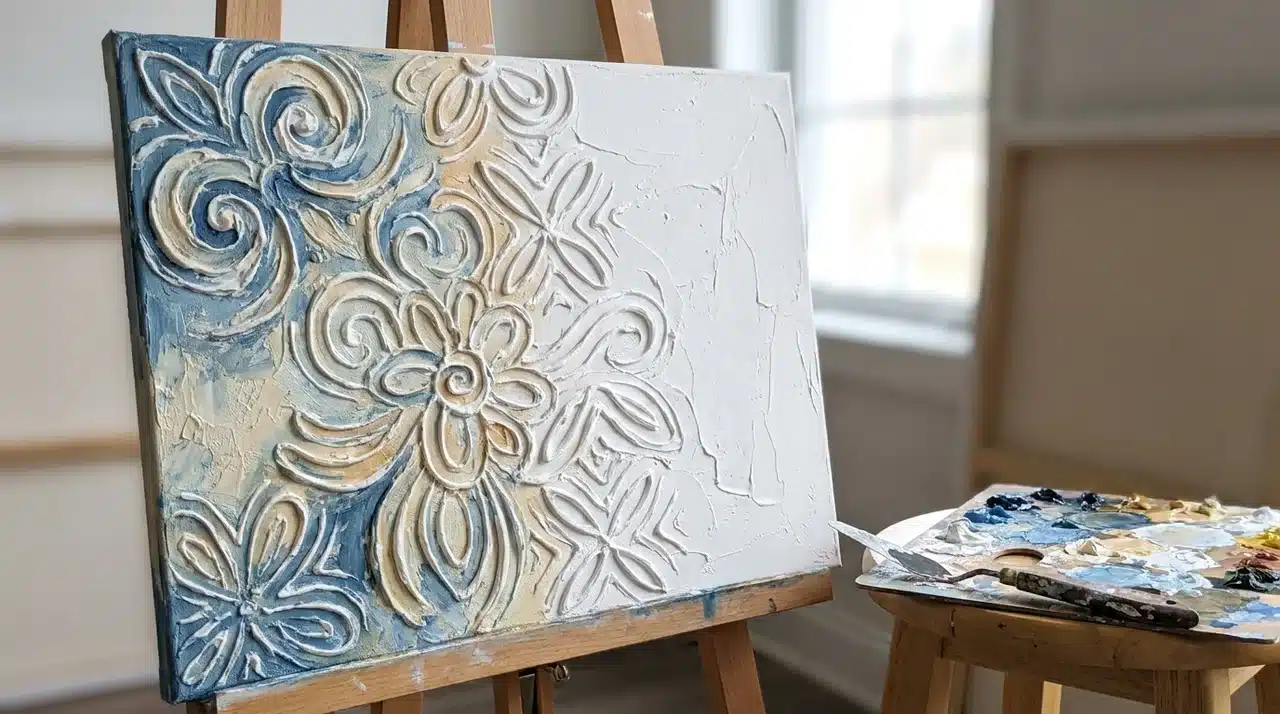
Spread a thin layer of spackle or modeling paste across the canvas using a palette knife. Create patterns or waves with the knife before it dries. Once dry, paint over the textured surface with acrylic colors. The texture adds dimension and an artisanal feel to the artwork.
Materials Used: Canvas, spackle, palette knife, acrylic paints, brushes
7. Simple Floral Painting
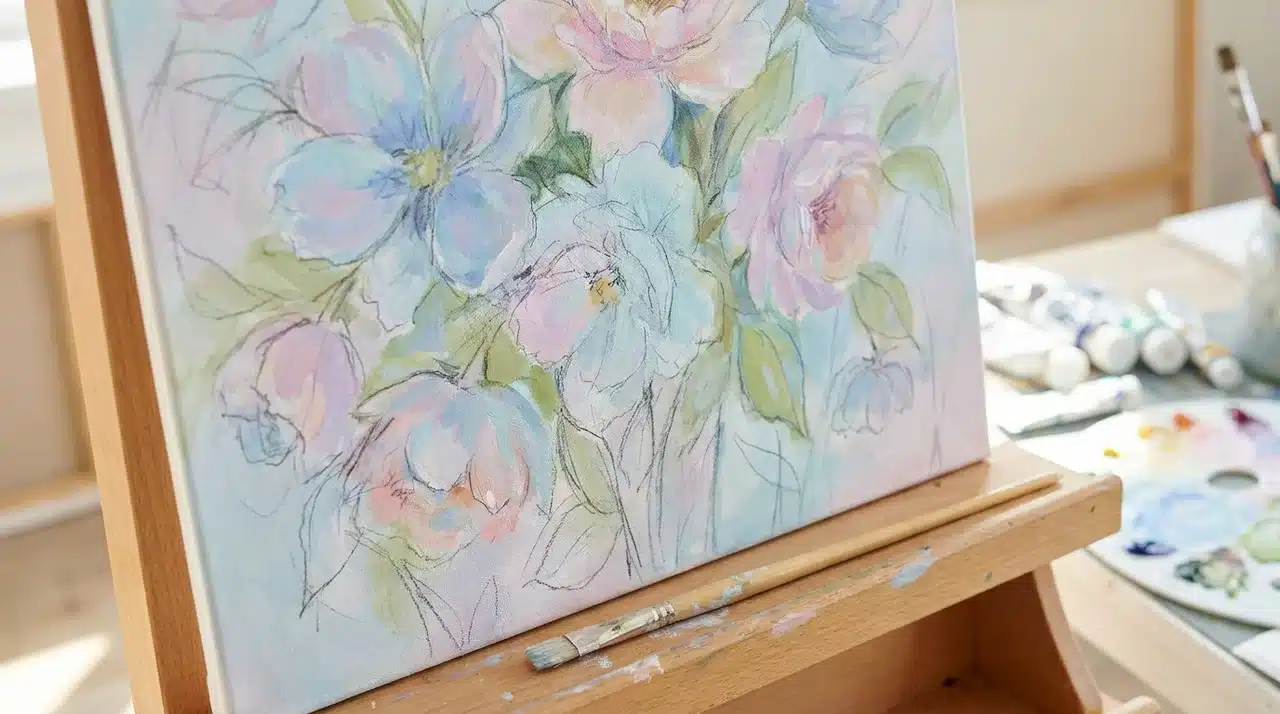
Sketch basic flower shapes lightly on the canvas. Fill petals with soft colors, layering from light to dark. Add stems and leaves with a thin brush. Focus on loose strokes rather than perfection. This creates an inviting and cheerful floral design suitable for any beginner.
Materials Used: Canvas, acrylic paints, brushes, pencil
8. Large Statement Canvas
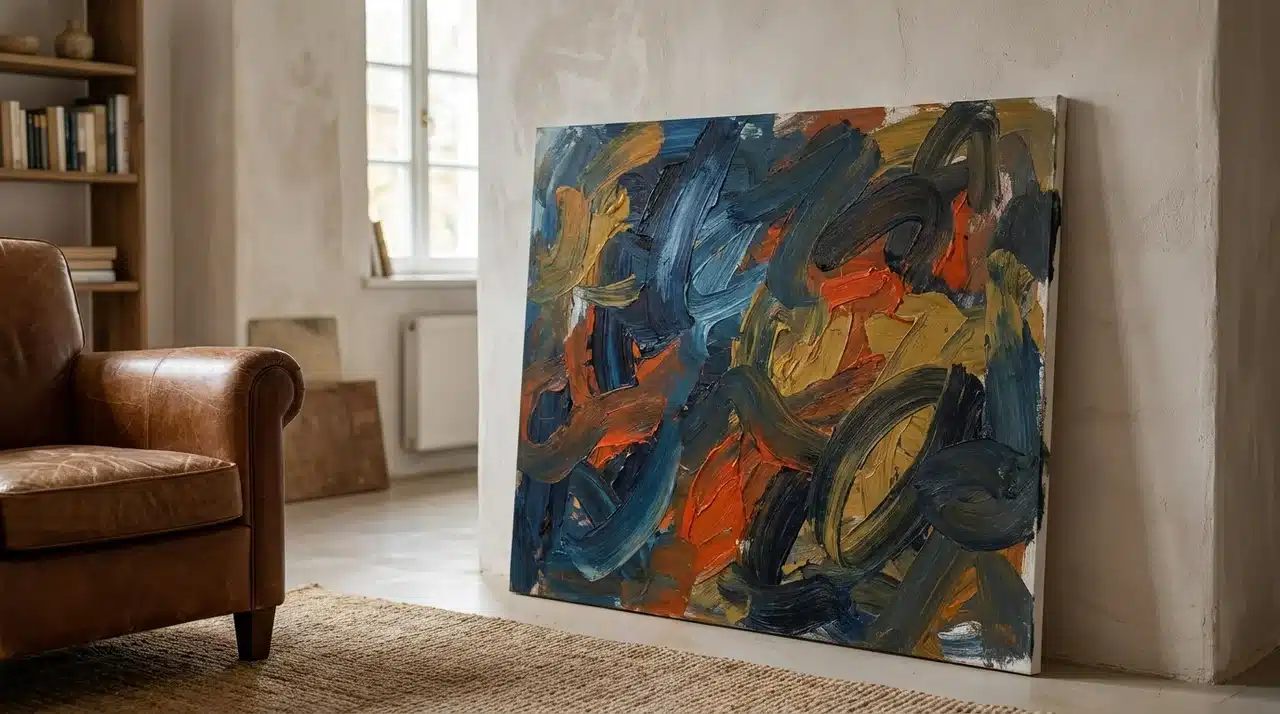
Use a large canvas and apply bold brushstrokes or broad shapes in contrasting colors. Keep the design simple to prevent it from becoming busy. This project is ideal for making a focal point in a living room or bedroom. Let each layer dry to maintain clarity.
Materials Used: Large canvas, acrylic paints, wide and thin brushes
9. Geometric Lines Painting
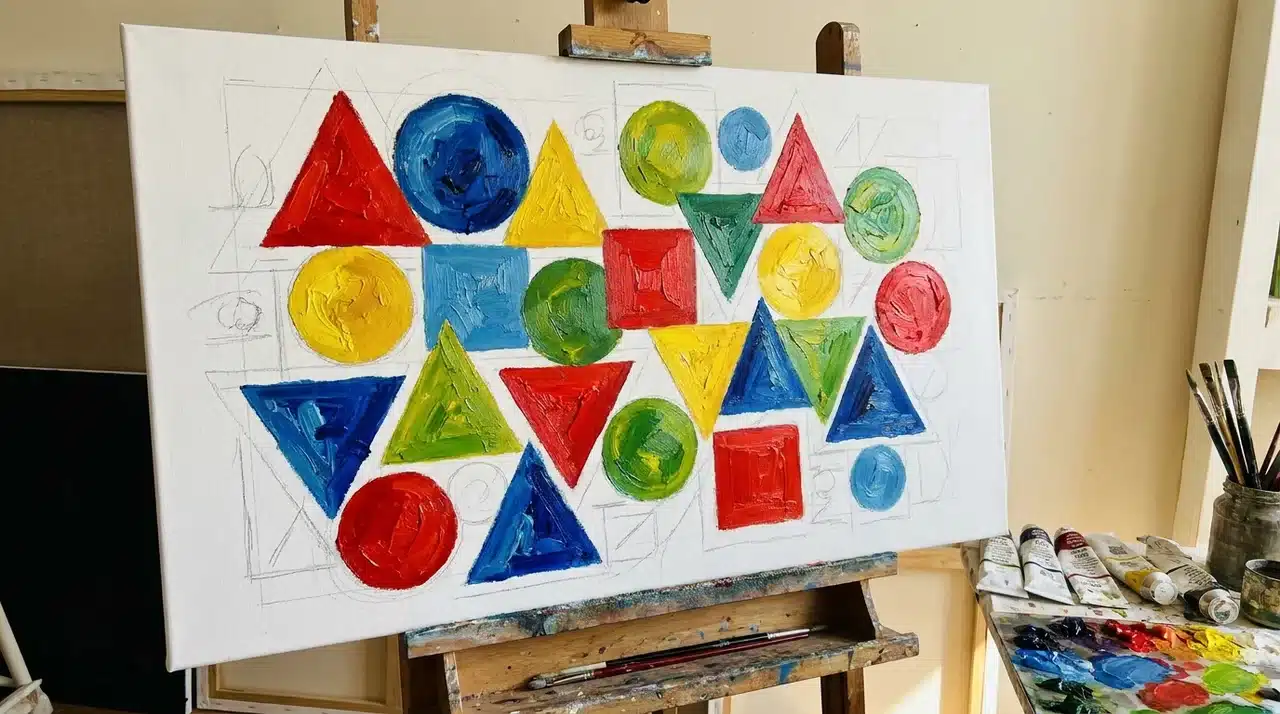
Draw geometric shapes lightly with a pencil. Paint inside shapes using varied colors. Erase pencil lines after the paint dries. Use symmetry or asymmetry as preferred. The result is a structured yet vibrant artwork that adds energy to a space.
Materials Used: Canvas, acrylic paints, brushes, pencil
10. Ocean Wave Painting
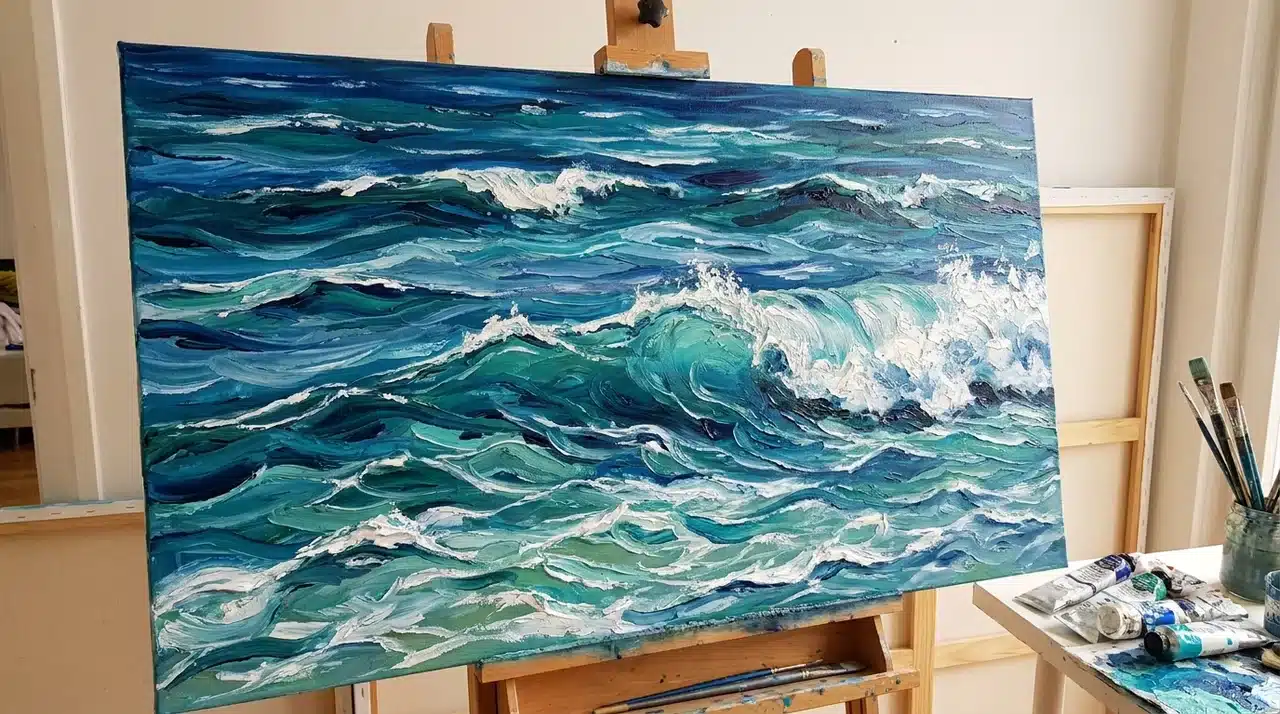
Mix blues, whites, and greens to create wave patterns. Use sweeping horizontal strokes and layer colors to suggest depth and motion. Add white highlights for foamy waves. Allow paint to dry between layers to maintain clarity. This painting evokes a calm seaside feel.
Materials Used: Canvas, acrylic paints, brushes
These canvas painting ideas provide easy ways to add personal and artistic touches to your walls while staying approachable for beginners.
Creative DIY Art With Different Materials
Art can be created using materials beyond traditional canvas. These projects use accessible items for distinctive results.
11. Paper Collage Wall Art
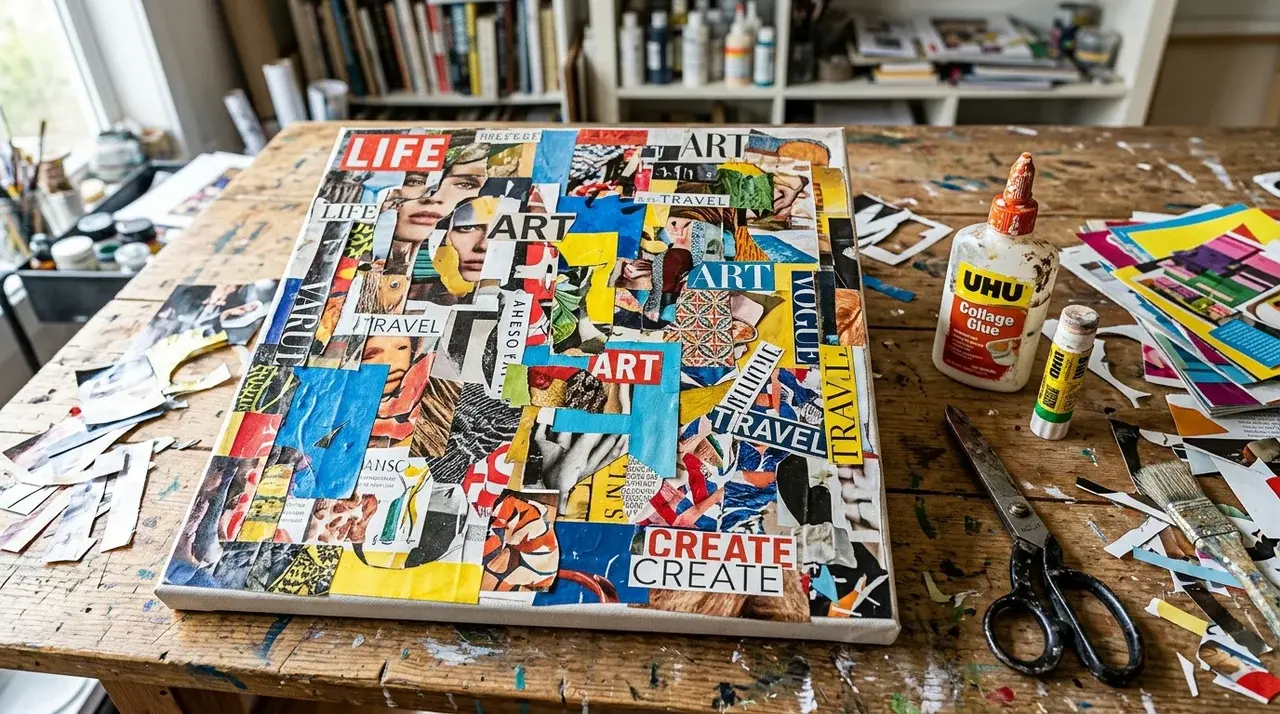
Cut magazine images, colored paper, or patterned sheets into various shapes. Arrange and glue them on a canvas to form a cohesive design. Layer pieces for depth. Once dry, apply a clear sealant to secure the collage. This creates a lively and personalized artwork suitable for walls or desks.
Materials Used: Canvas, colored paper, glue, scissors, sealant
12. Pressed Flower Frames
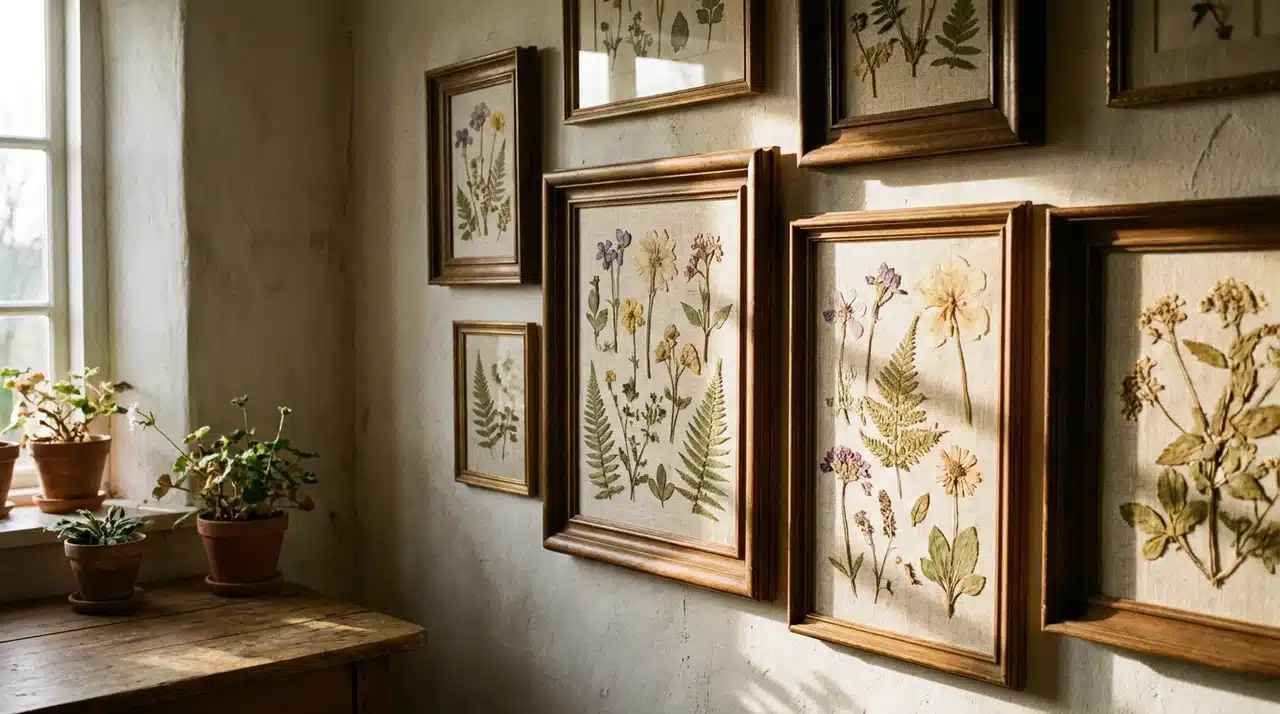
Select fresh flowers and press them between heavy books or in a flower press. Arrange them on a backing board or canvas and secure with glue. Frame the arrangement to display. This technique preserves natural beauty while creating elegant wall decor.
Materials Used: Pressed flowers, canvas or board, glue, frame
13. String Art Shapes
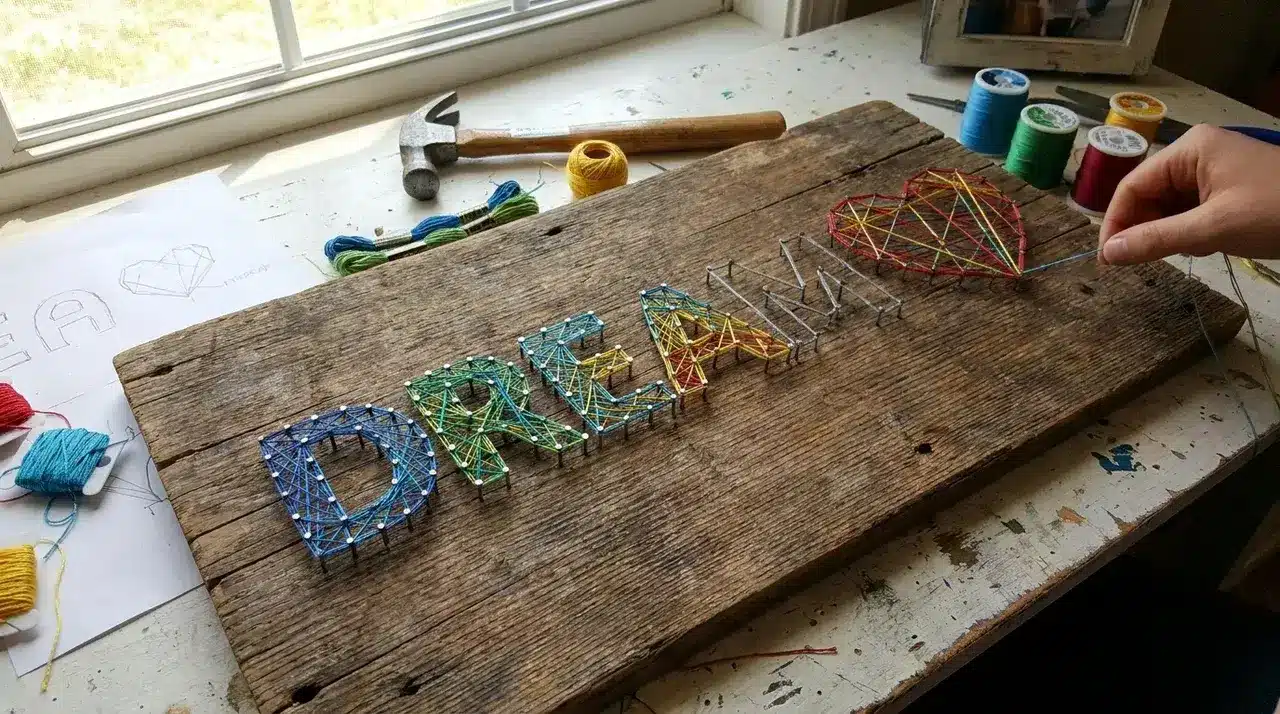
Hammer nails into a board following the outline of a word or shape. Wrap colored threads around the nails to form the design. Vary thread tension for texture. Once complete, secure ends with tape or glue. This project produces tactile art suitable for entryways or bedrooms.
Materials Used: Wooden board, nails, thread, hammer, tape
14. Clay Wall Pieces
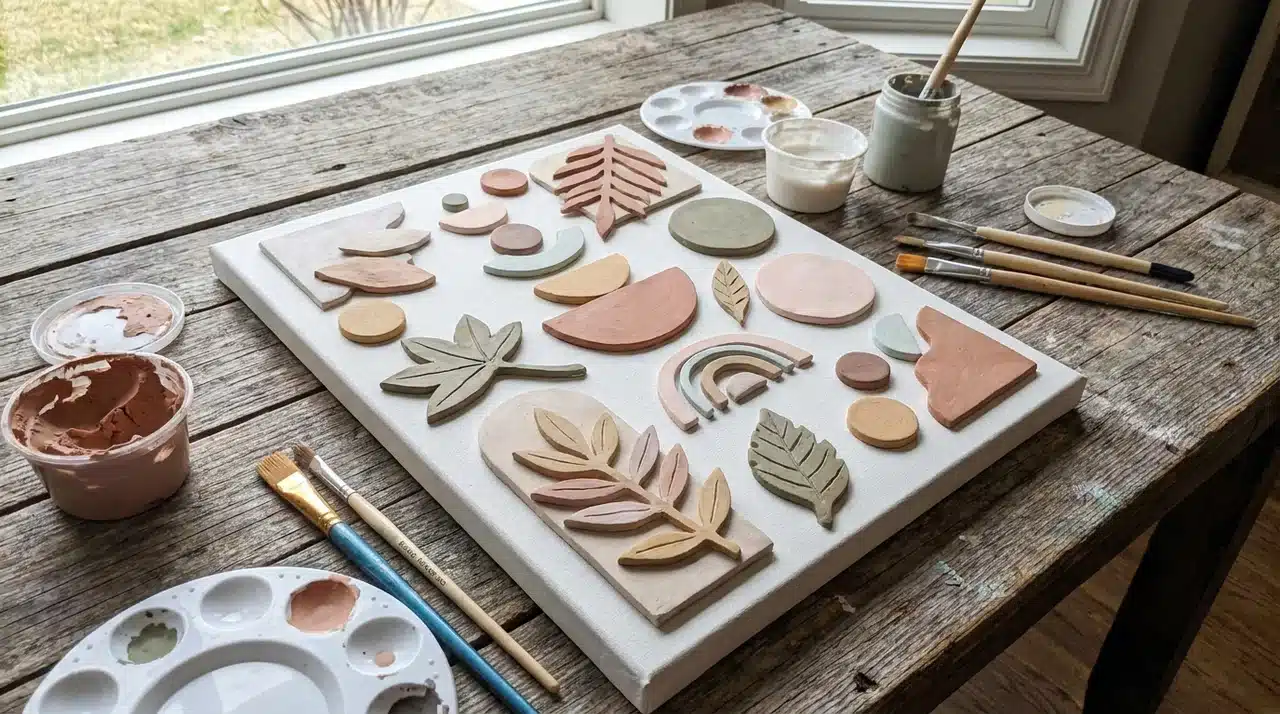
Shape air-dry clay into abstract or geometric forms. Allow to dry completely, then paint or glaze. Attach to canvas or directly on the wall using adhesive. This method creates dimensional artwork with a modern touch.
Materials Used: Air-dry clay, acrylic paints, adhesive, canvas or board
15. Fabric Scrap Art
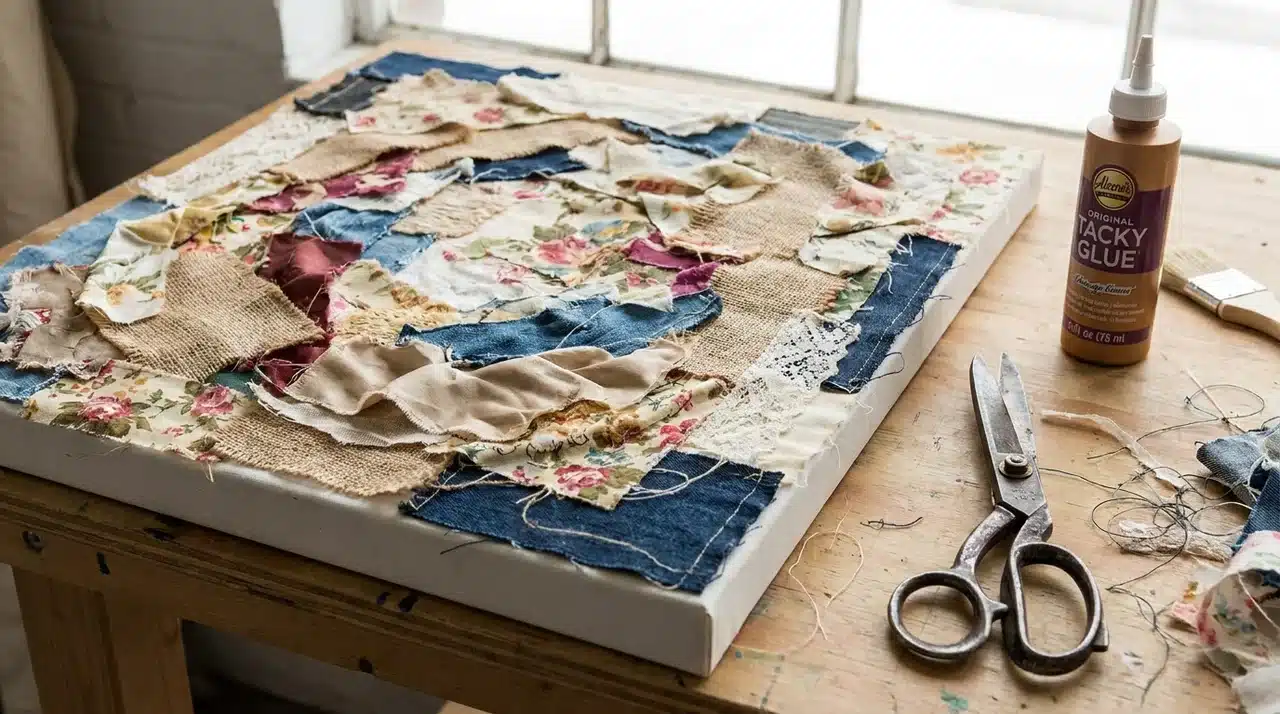
Cut small pieces of fabric into shapes and layer them on a canvas or board. Glue in place and add details with paint or thread. Create patterns or abstract designs. This technique upcycles old fabrics and adds texture to walls.
Materials Used: Canvas, fabric scraps, glue, scissors, paint
16. Copper Tape Patterns
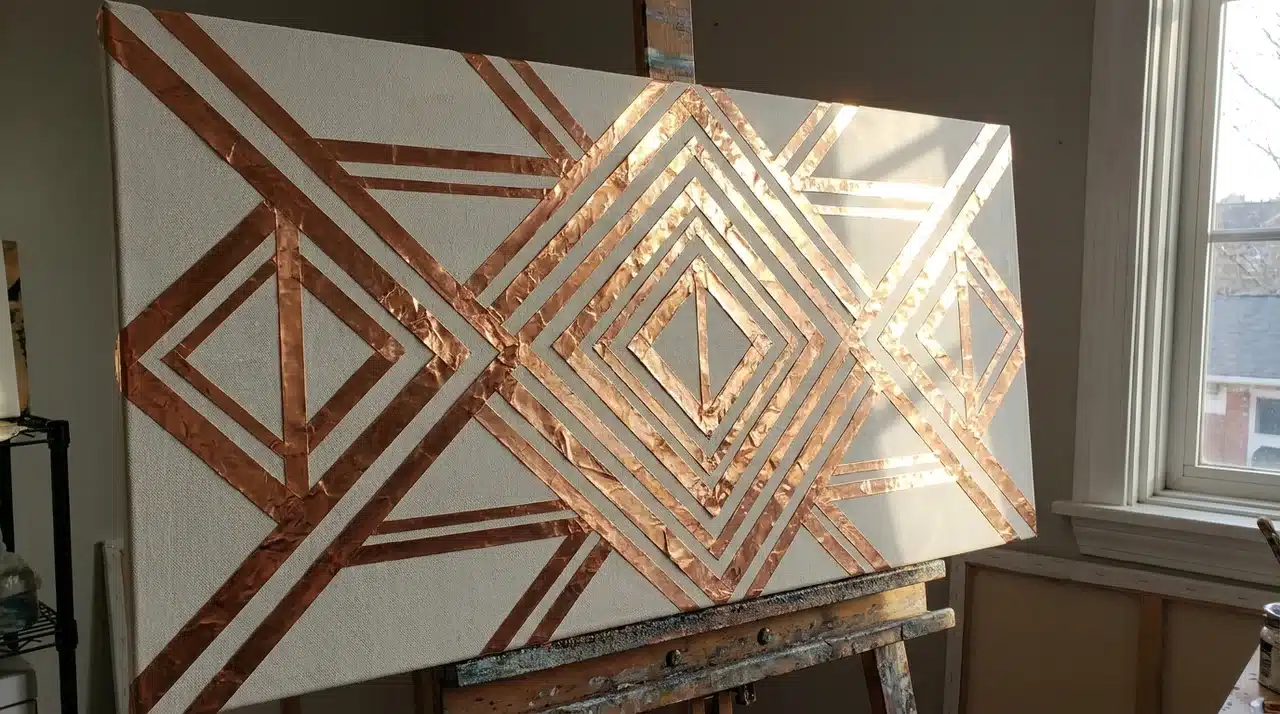
Apply copper tape to canvas or board in geometric or abstract arrangements. Paint around or over parts of the tape if desired. The metallic shine adds a subtle but striking effect.
Materials Used: Copper tape, canvas or board, paint, brushes
17. Wooden Panel Art
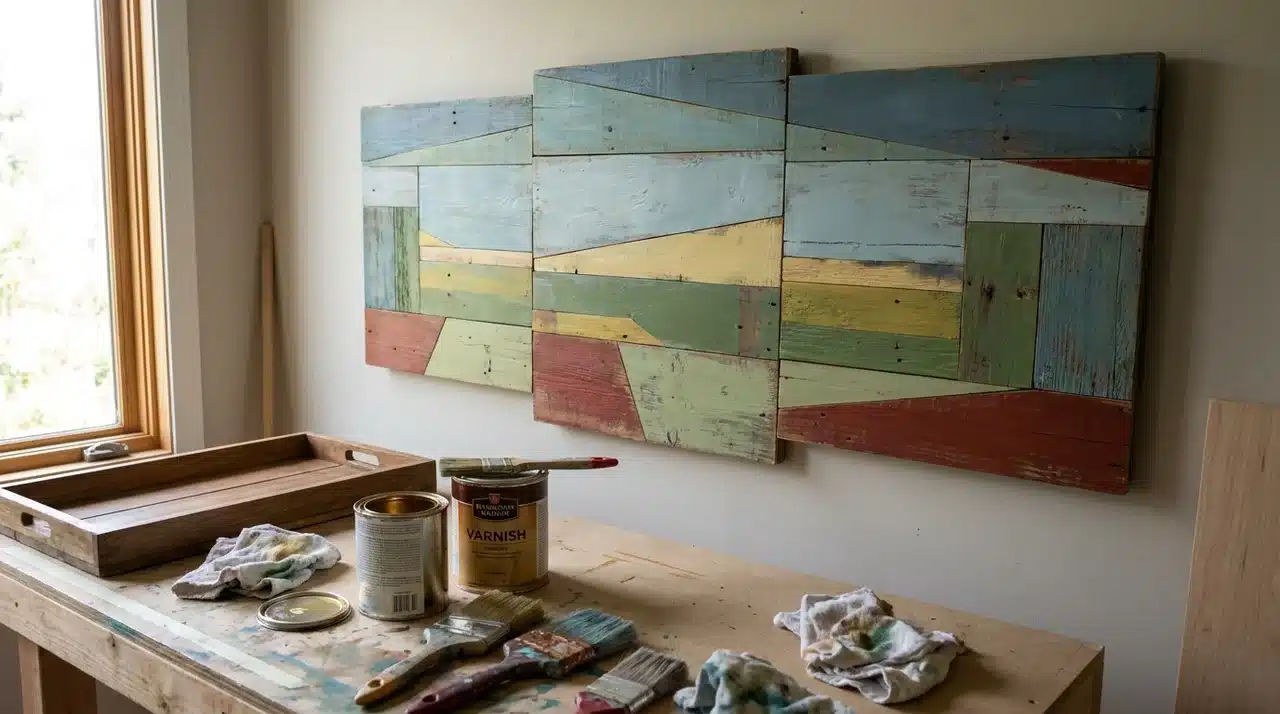
Paint sections of wooden panels in complementary colors or designs. Arrange multiple panels together to form one artwork. Seal with clear varnish for durability. The natural wood adds warmth to the painted designs.
Materials Used: Wooden panels, acrylic paints, varnish, brushes
18. Fiber Wall Hanging
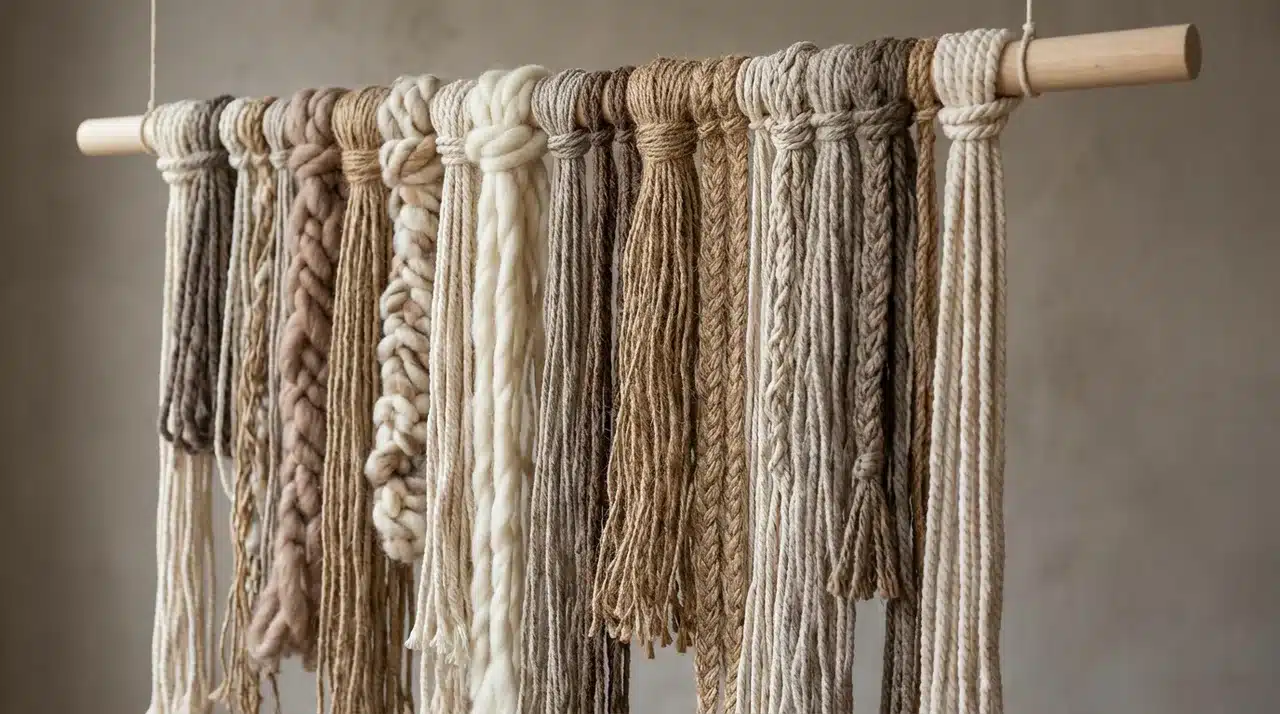
Cut yarn or rope to desired lengths. Knot, weave, or loop strands on a dowel or stick. Add layers and textures to create a full hanging. This produces a soft, tactile piece ideal for bedrooms or living areas.
Materials Used: Yarn, rope, dowel, scissors, glue
19. Paper Butterfly Frame
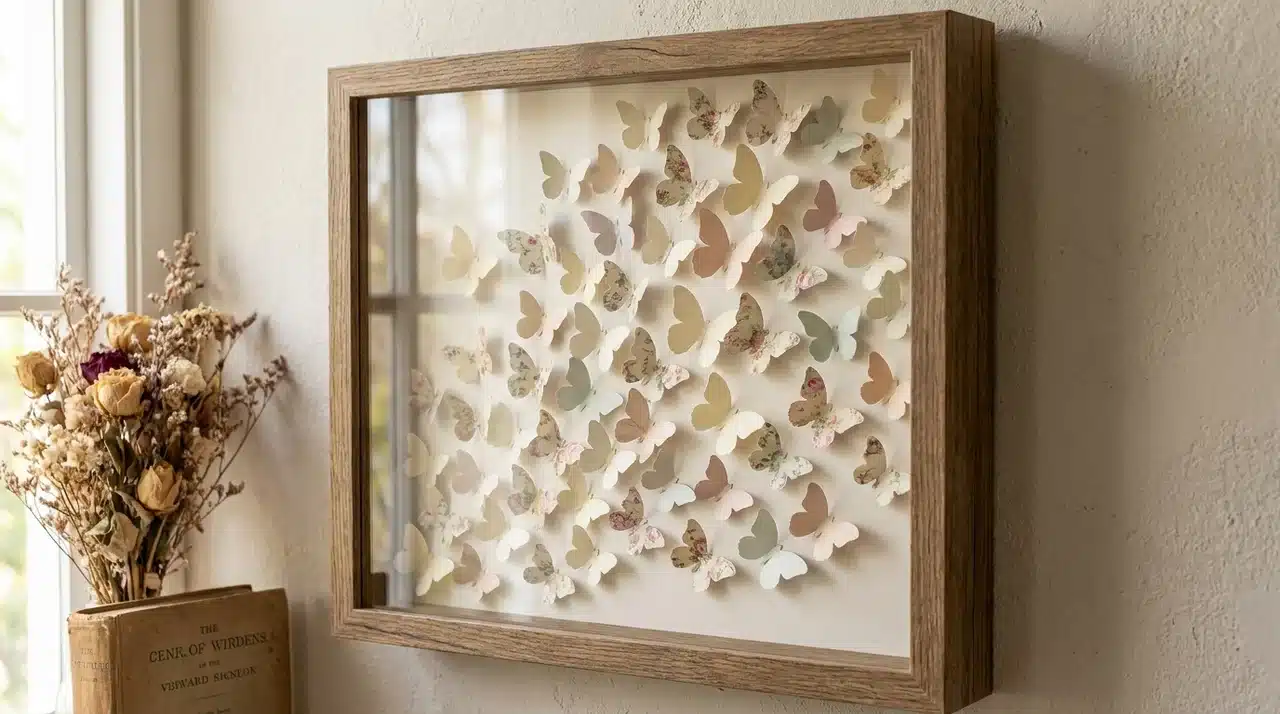
Print or cut butterfly shapes from paper. Fold wings slightly and arrange inside a frame. Glue carefully to secure. This creates a 3D floating effect that adds whimsy to walls.
Materials Used: Paper, frame, glue, scissors
20. Faux Living Wall
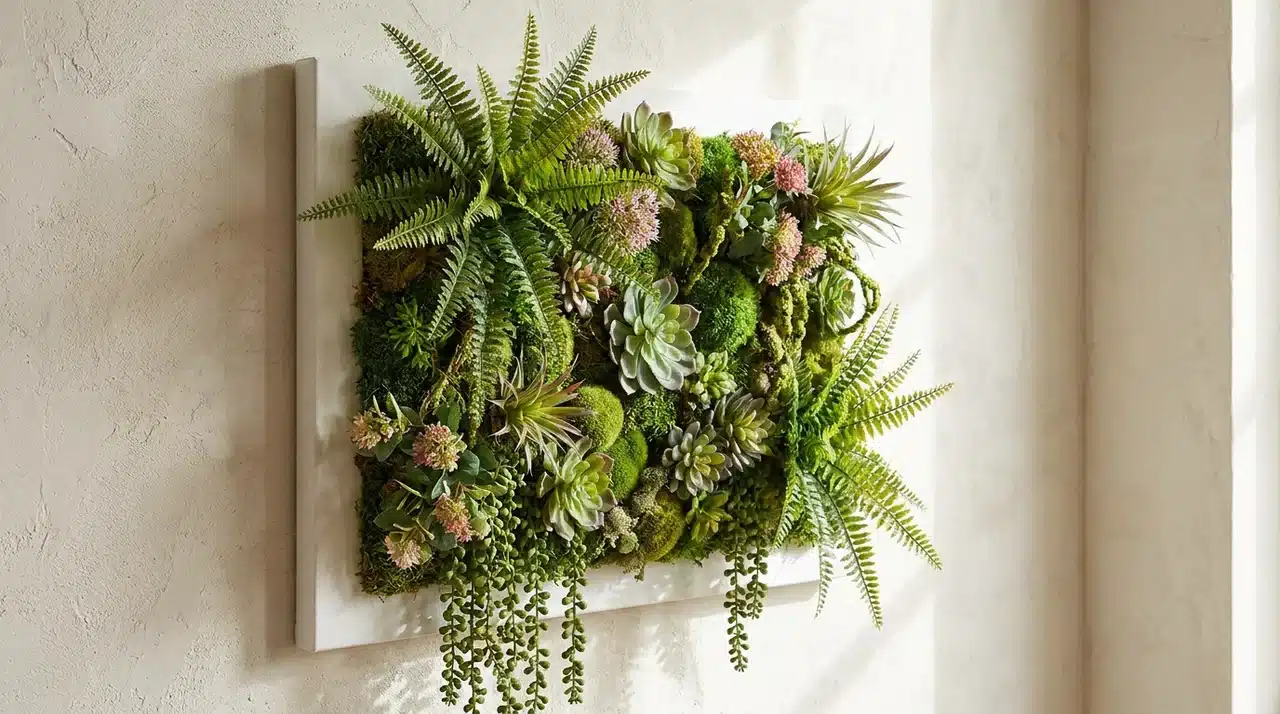
Paint a canvas green or use a foam base. Insert artificial plant stems into holes or secure with glue. Arrange different plant types to create fullness. This produces a natural-looking wall piece with no maintenance required.
Materials Used: Canvas or foam board, artificial plants, glue, knife
These projects use accessible materials to create distinctive and personal wall art for any room while encouraging creativity beyond paint.
Trendy DIY Paintings
These painting techniques are approachable yet produce modern, stylish artwork for any space.
21. Checkerboard Canvas
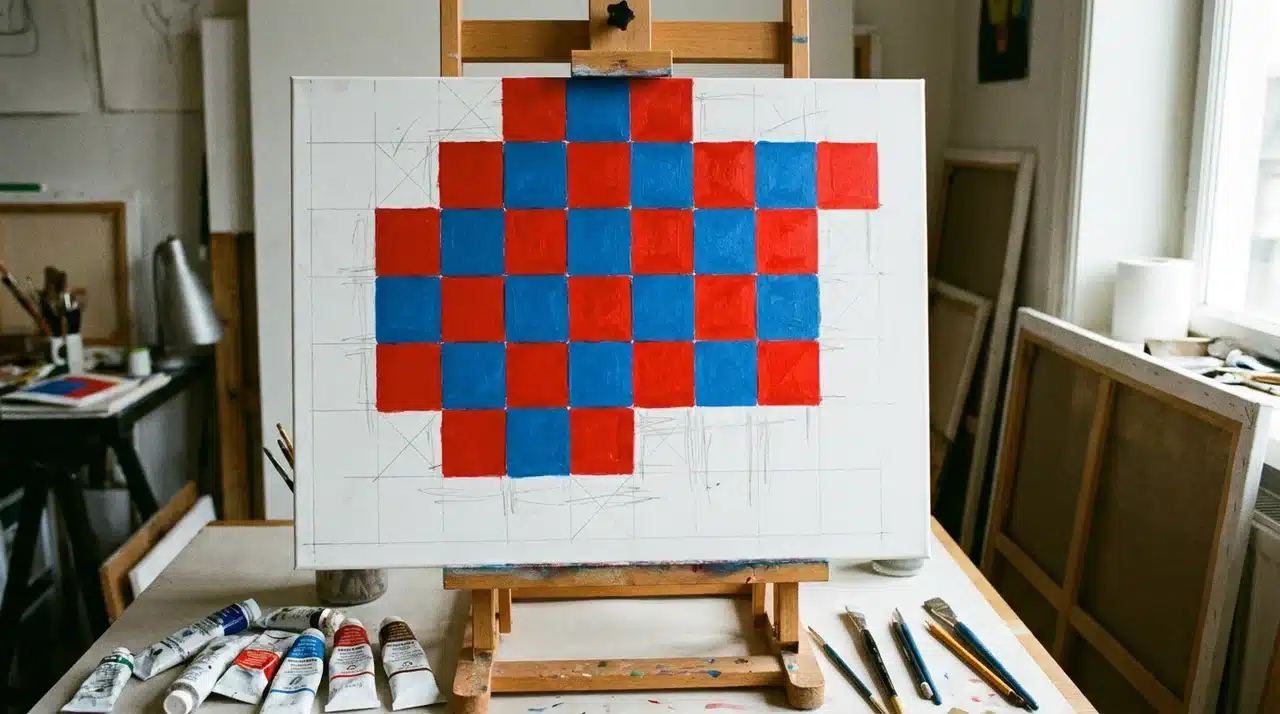
Use a pencil to mark squares. Paint alternating colors inside squares. Keep edges crisp with tape if needed. The checkerboard creates a bold pattern that complements modern interiors.
Materials Used: Canvas, acrylic paints, brushes, pencil, tape
22. Pop Art Portrait
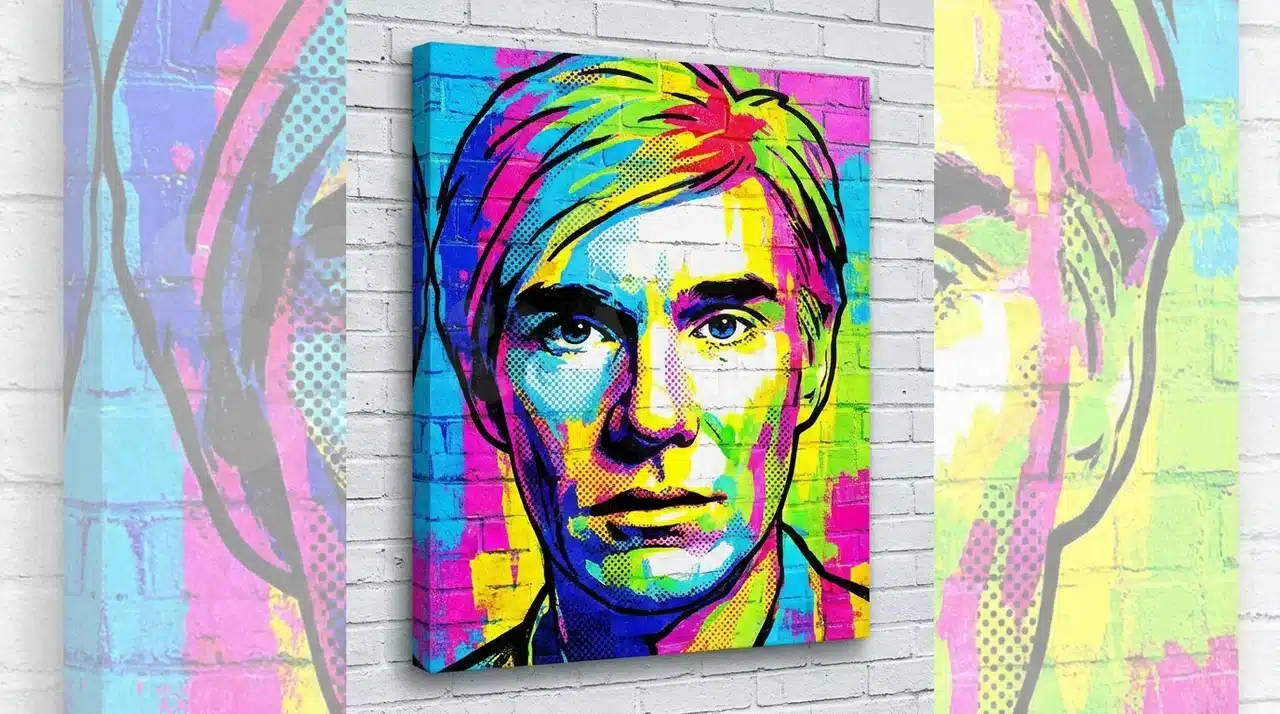
Use a printed photo, and trace outlines on canvas. Fill sections with bright colors. Emphasize facial features with bold contrasts. This results in a playful, colorful portrait.
Materials Used: Canvas, acrylic paints, brushes, printed photo, pencil
23. Line Art Painting
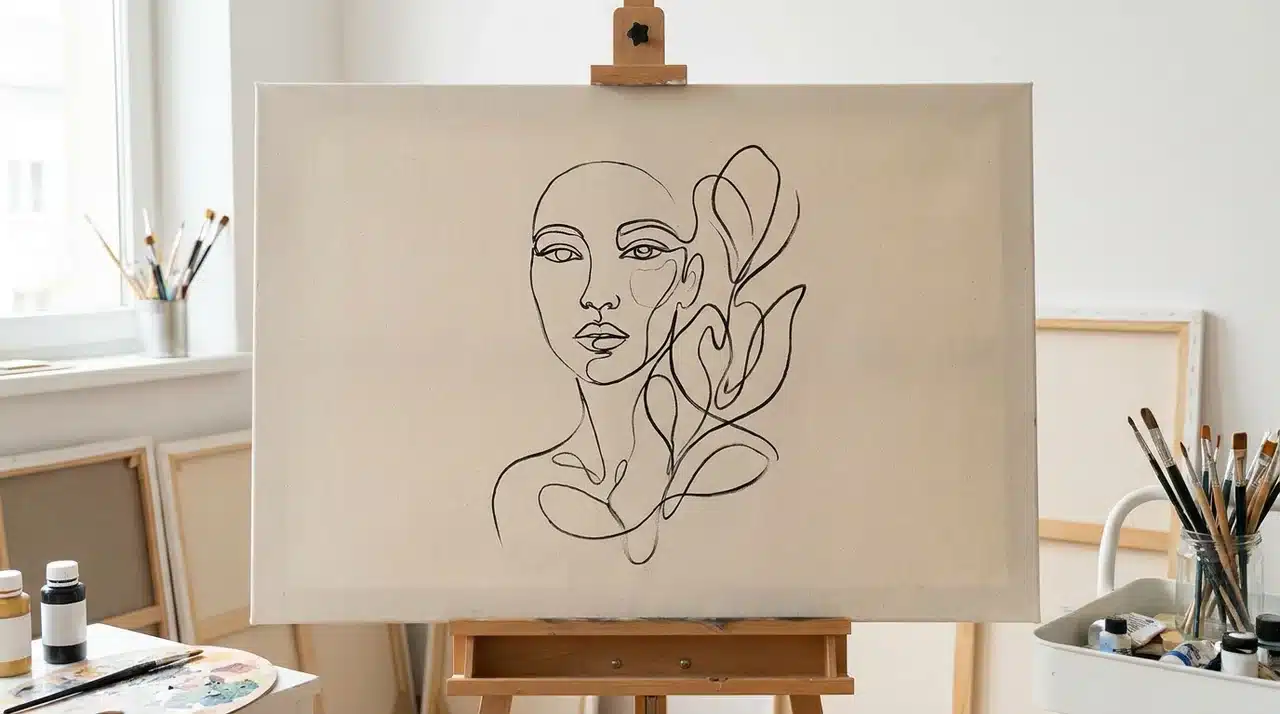
Draw continuous line faces or shapes on the canvas. Use a thin brush or marker to trace over the pencil sketch. Keep lines fluid and confident. This minimalistic style creates striking modern artwork.
Materials Used: Canvas, pencil, thin brush or marker, acrylic paint
24. Stenciled Canvas
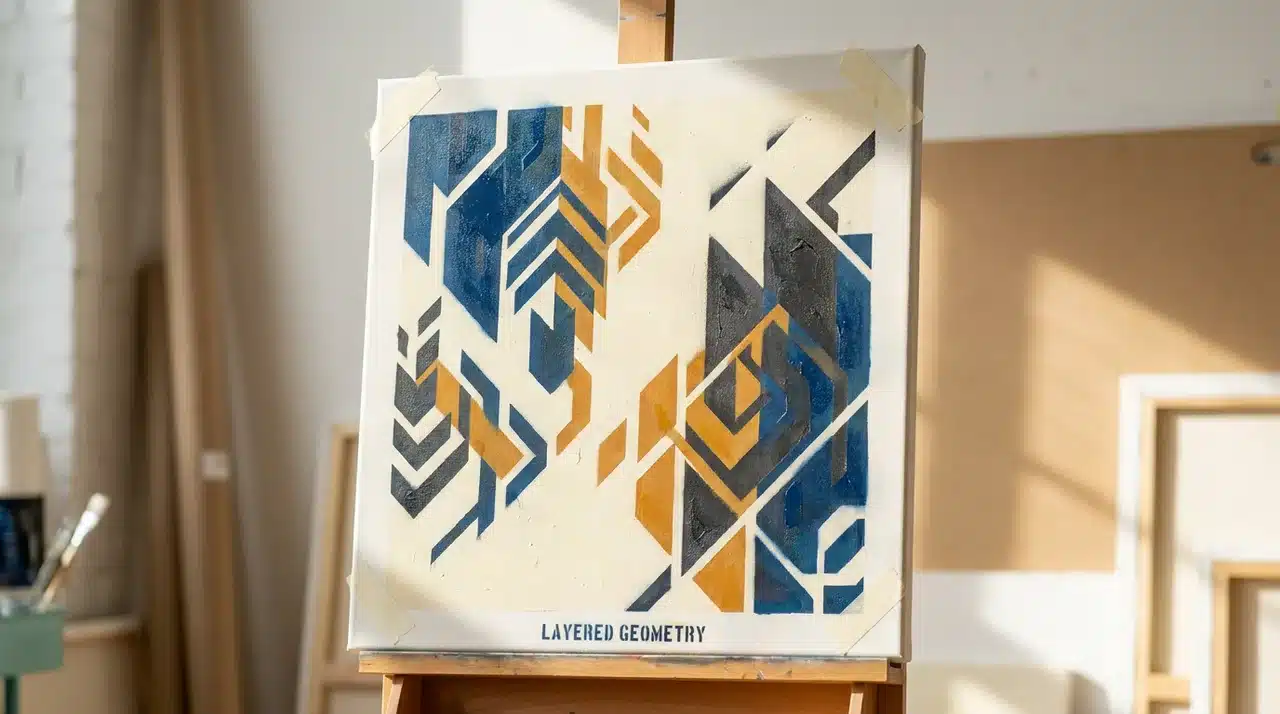
Place a stencil on a primed canvas and paint over it. Remove stencil carefully to reveal crisp patterns. Repeat in different areas for layered designs. This technique produces precise artwork with minimal effort.
Materials Used: Canvas, stencil, paint, brushes, tape
25. Gold Leaf Canvas
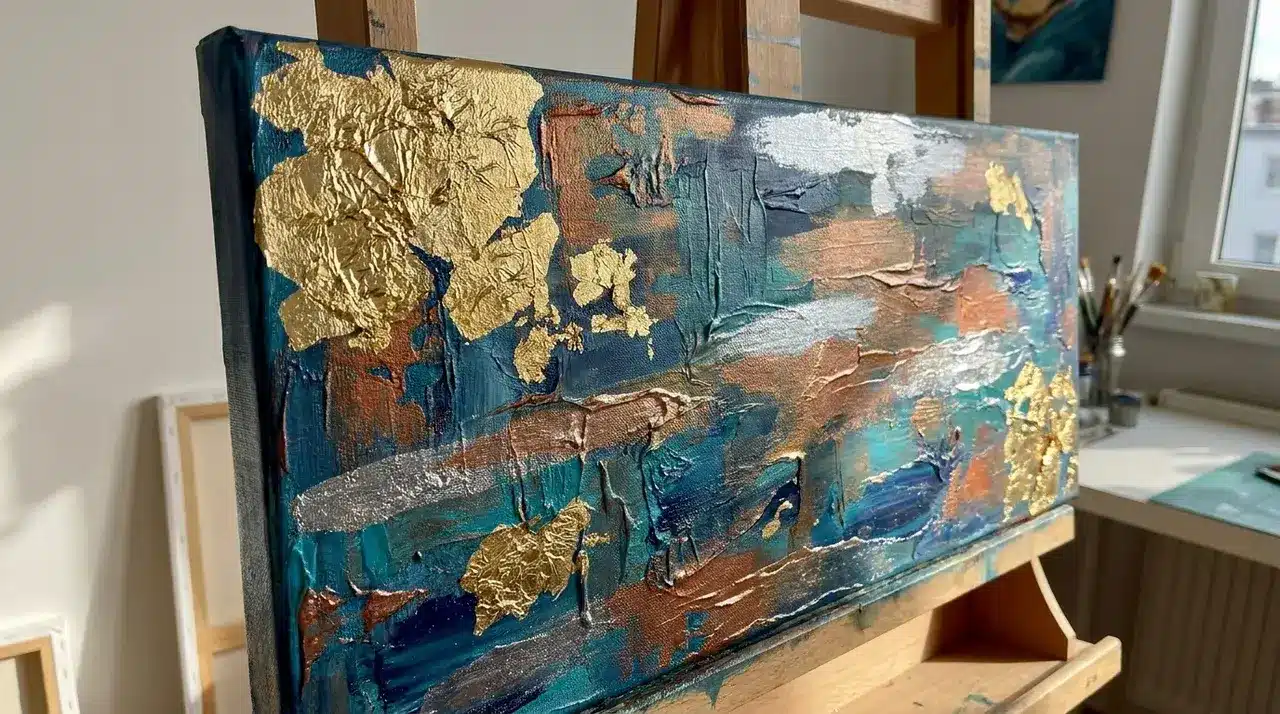
Apply adhesive to areas of the canvas. Press gold leaf carefully on the sticky parts. Once dry, gently brush away excess leaf. Optionally paint around the gold for contrast. This creates shimmering accents on the painting.
Materials Used: Canvas, adhesive, gold leaf, brush, acrylic paint
26. Agate Slice Watercolor
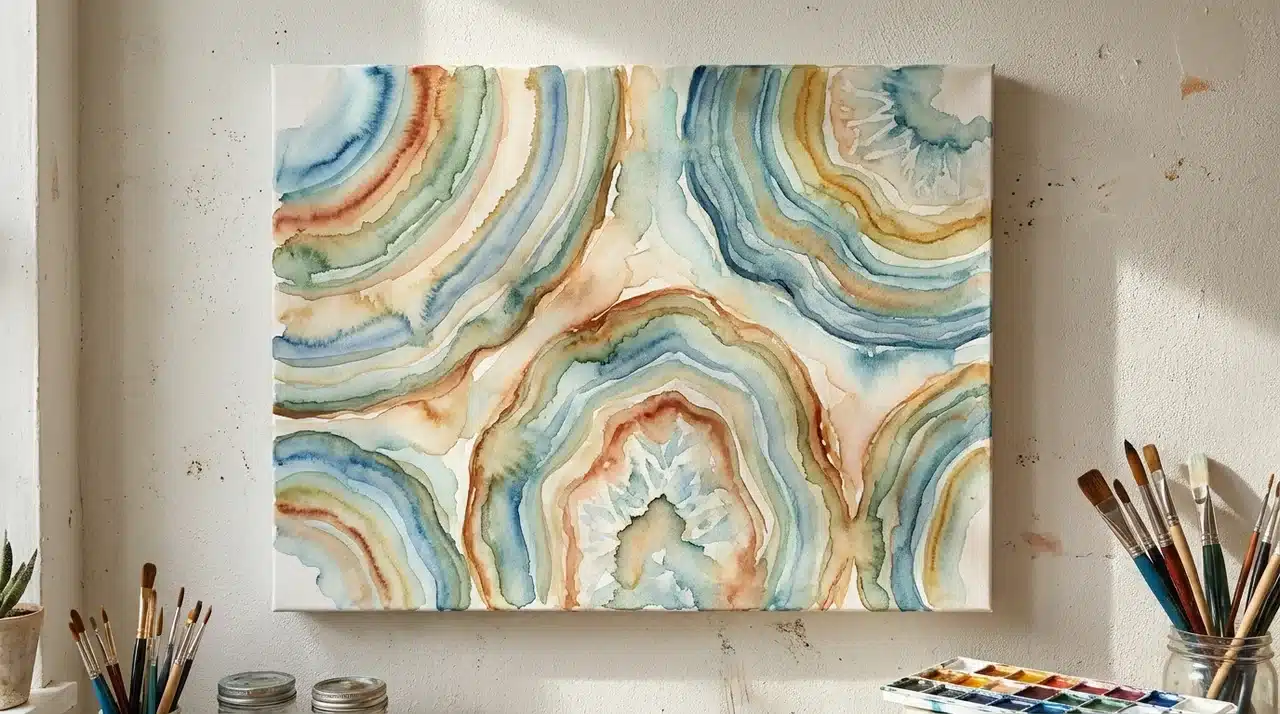
Paint layered arcs resembling agate slices with watercolor paints. Add fine details with a thin brush. Blend colors gently for a natural look. This technique produces a gemstone-inspired abstract canvas.
Materials Used: Canvas, watercolor paints, brushes, pencil
27. Rainbow Color Block
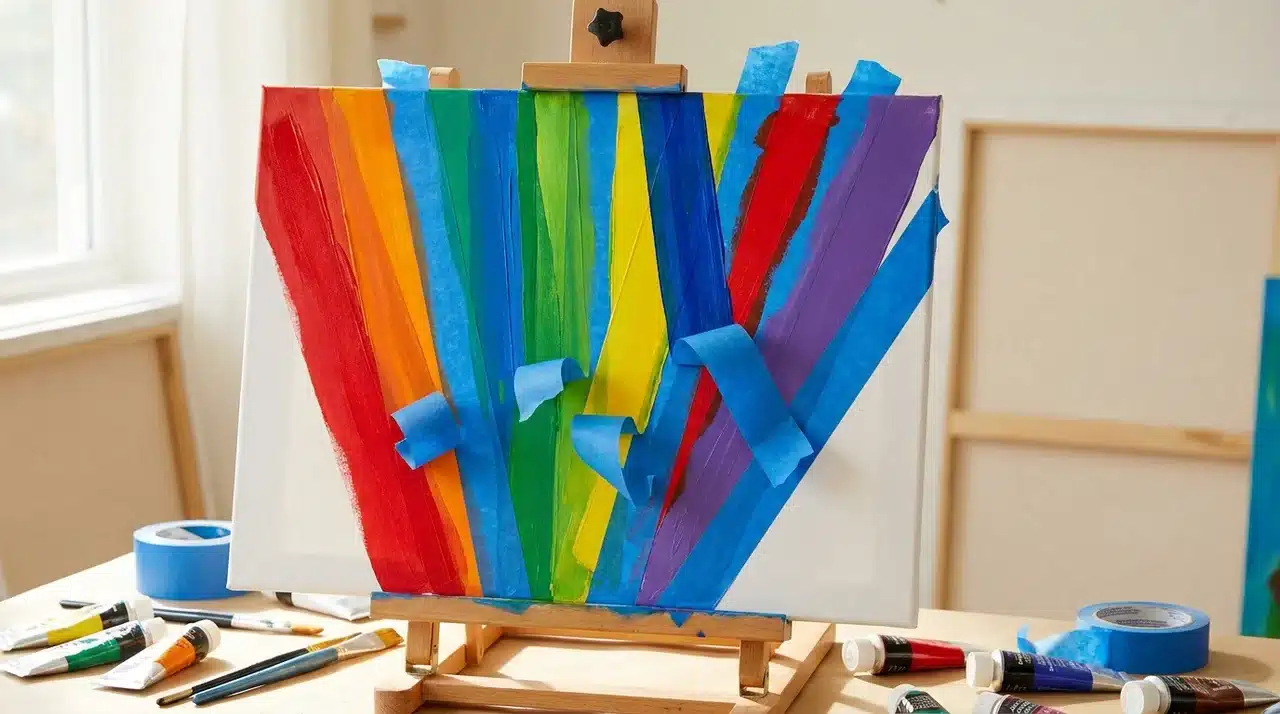
Use painter’s tape to create stripes across the canvas. Fill each stripe with a different color. Remove tape when the paint is dry. This produces a bright and cheerful design that energizes any room.
Materials Used: Canvas, painter’s tape, acrylic paints, brushes
28. Paint Swatch Art
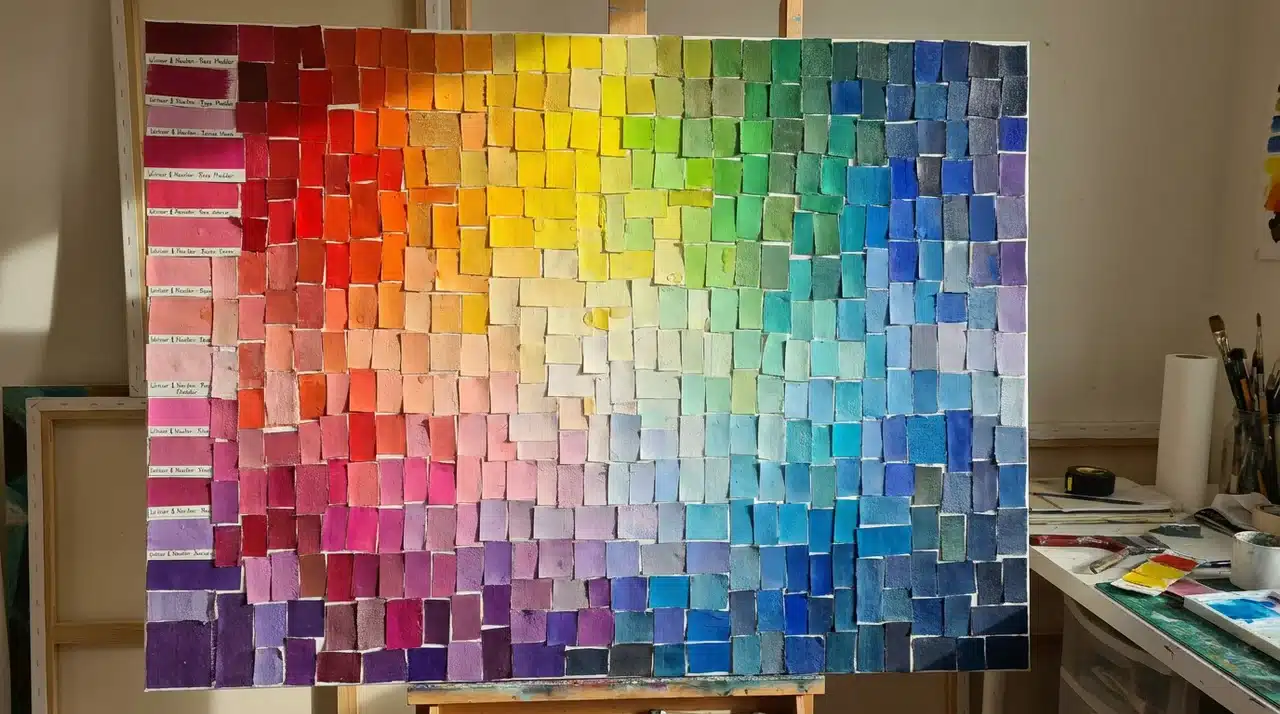
Collect color swatches. Arrange on canvas in a pattern. Glue securely. Optionally outline or label for visual interest. This creates a fun and customizable wall piece.
Materials Used: Canvas, paint swatches, glue, scissors
29. Large Abstract Painting
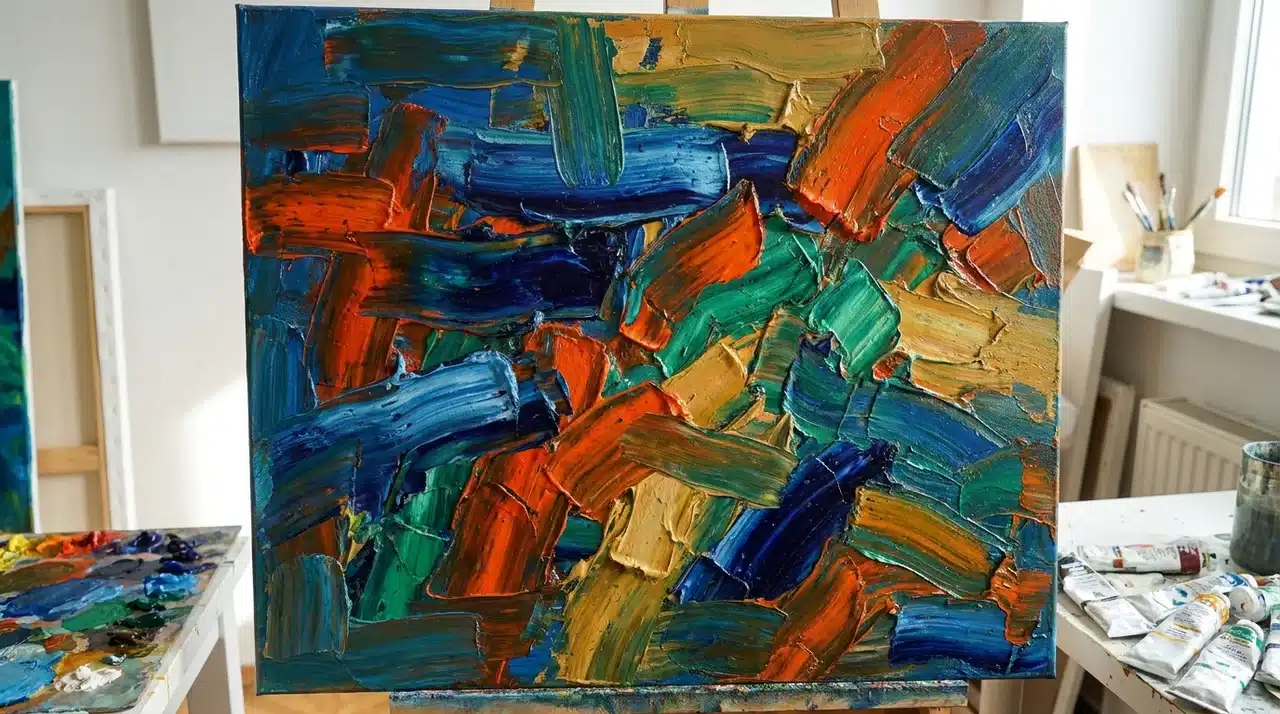
Paint bold shapes with wide strokes across the canvas. Use contrasting colors and layers for depth. Allow drying between layers to prevent muddiness. The result is a striking abstract focal point.
Materials Used: Large canvas, acrylic paints, wide and thin brushes
30. Botanical Poster
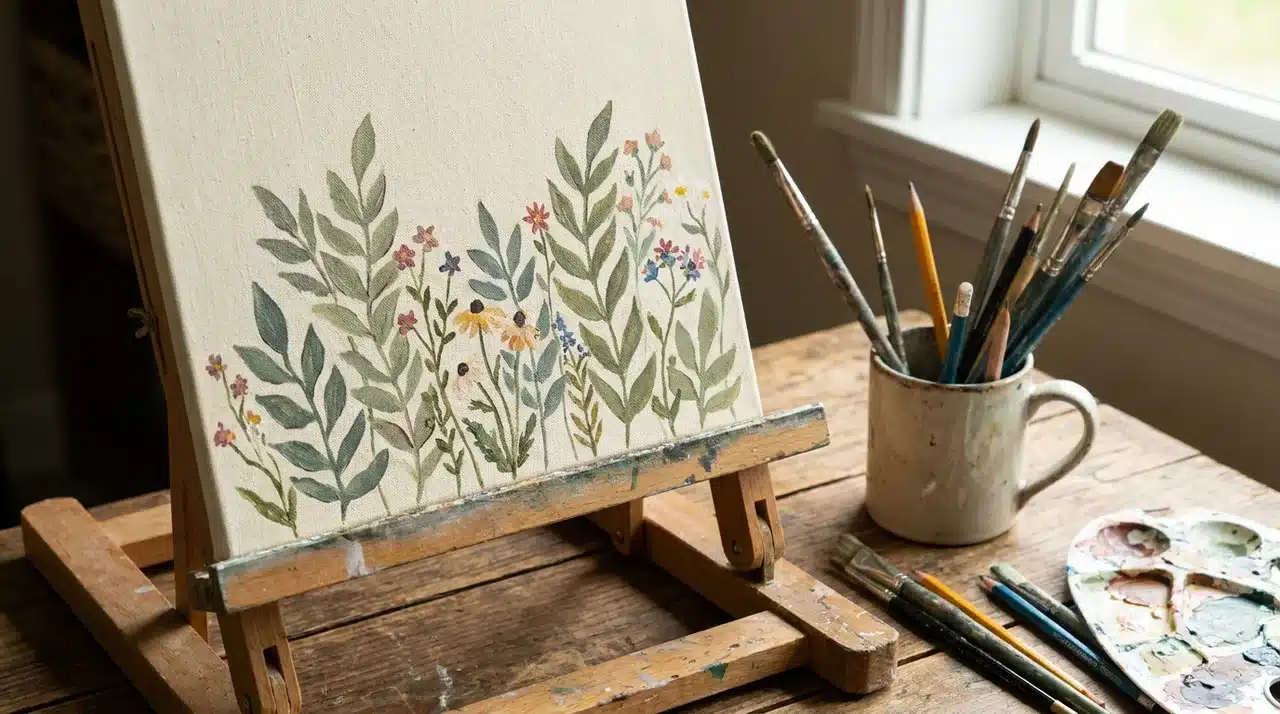
Sketch flowers or leaves lightly on canvas. Fill with vibrant colors using small brushes. Outline or highlight details to make them pop. Attach a dowel and string for hanging. This creates botanical-inspired decor suitable for walls.
Materials Used: Canvas, acrylic paints, brushes, pencil, dowel, string
31. Pop Art Canvas
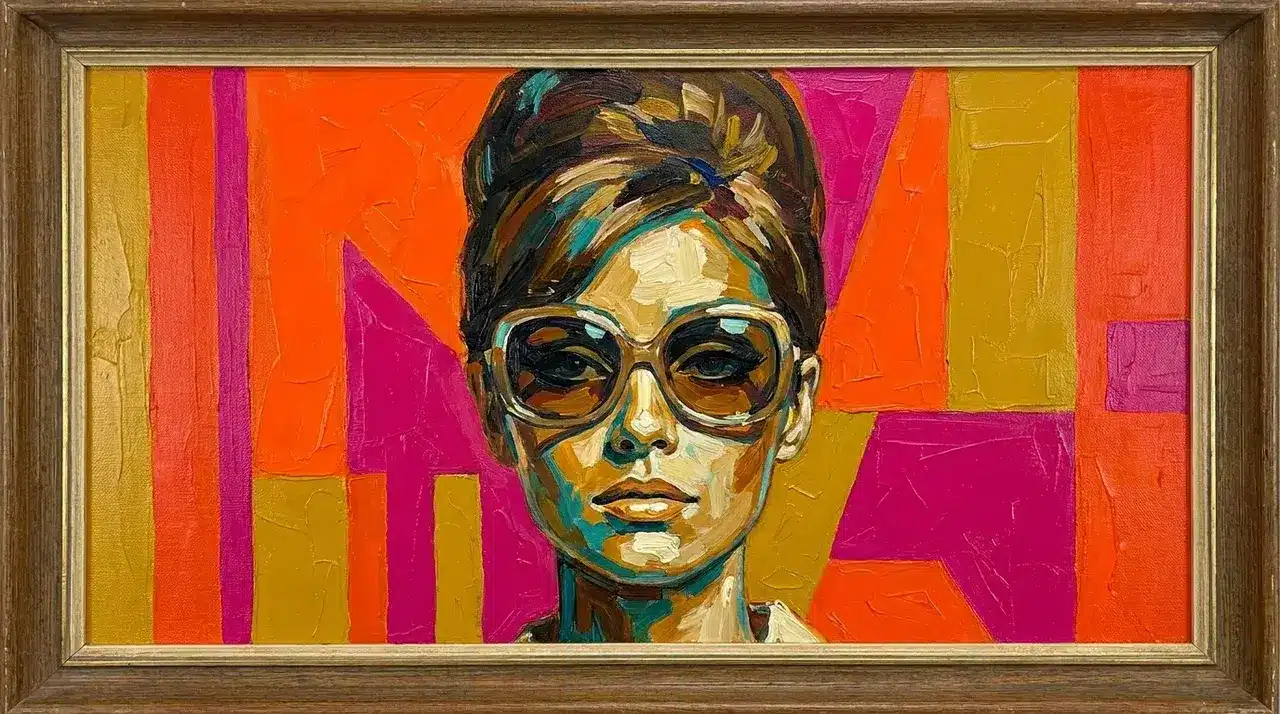
Print a simple portrait. Transfer onto canvas using tracing paper. Fill areas with bold colors. Use bright backgrounds to enhance contrast. The painting will have a retro and lively vibe.
Materials Used: Canvas, printed photo, acrylic paints, brushes, tracing paper
32. Clipboard Display Art
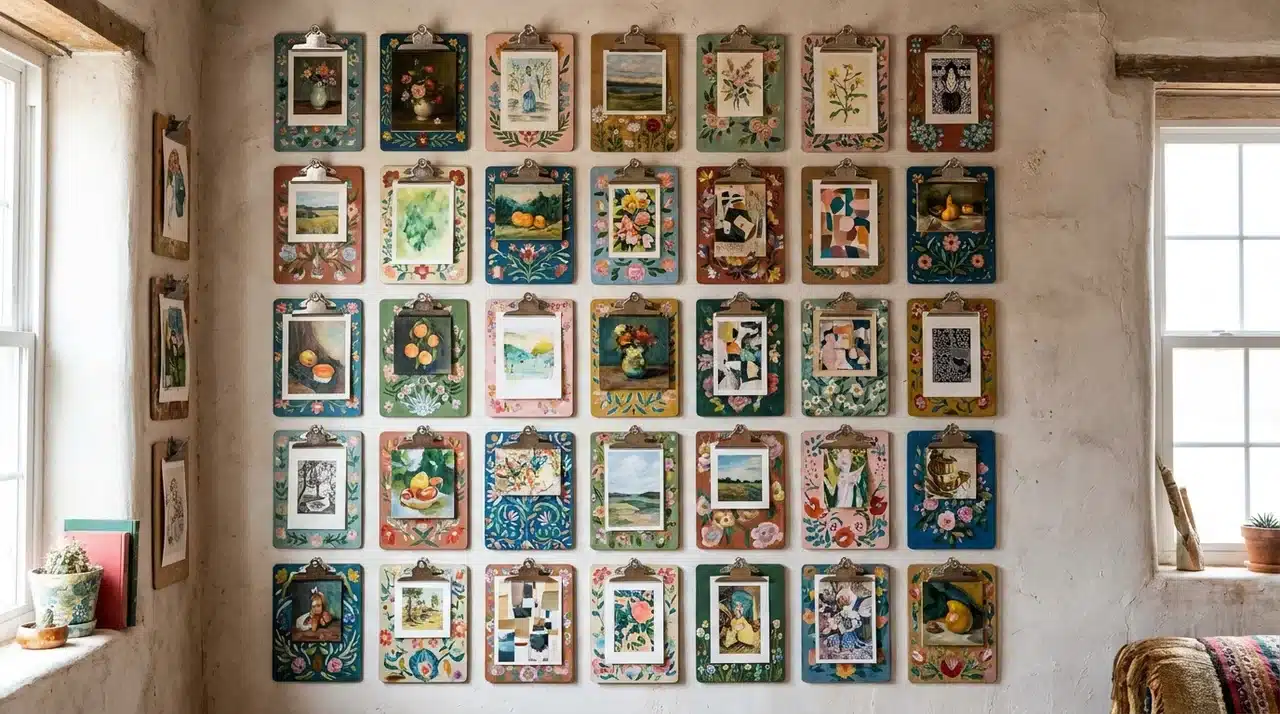
Paint clipboards in desired colors. Attach printed or painted art to the boards. Hang with hooks or string. This allows rotation of displayed art and creates a playful display area.
Materials Used: Clipboards, paint, brushes, hooks, string, printed art
33. Love Note Canvas
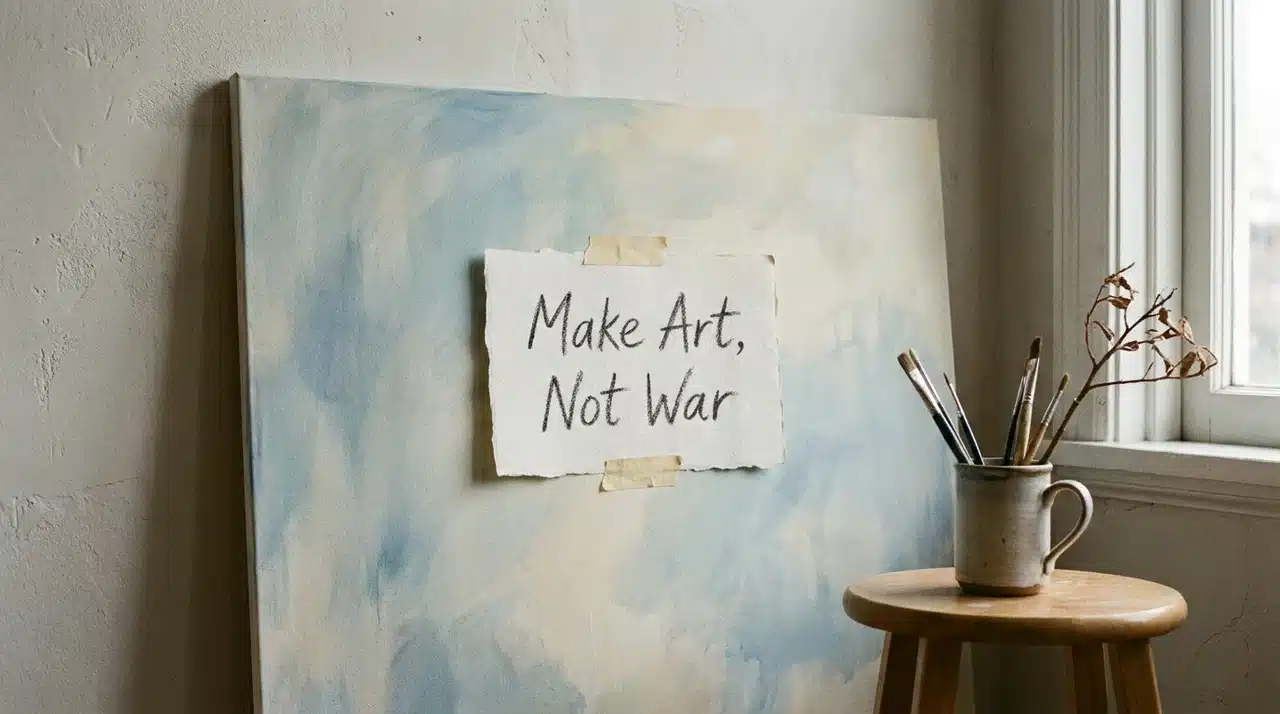
Enlarge a handwritten note or card. Attach to canvas and secure with glue. Optionally add a painted border or background. This results in a sentimental and decorative piece.
Materials Used: Canvas, glue, note or card, paint, brush
34. Chalkboard Canvas
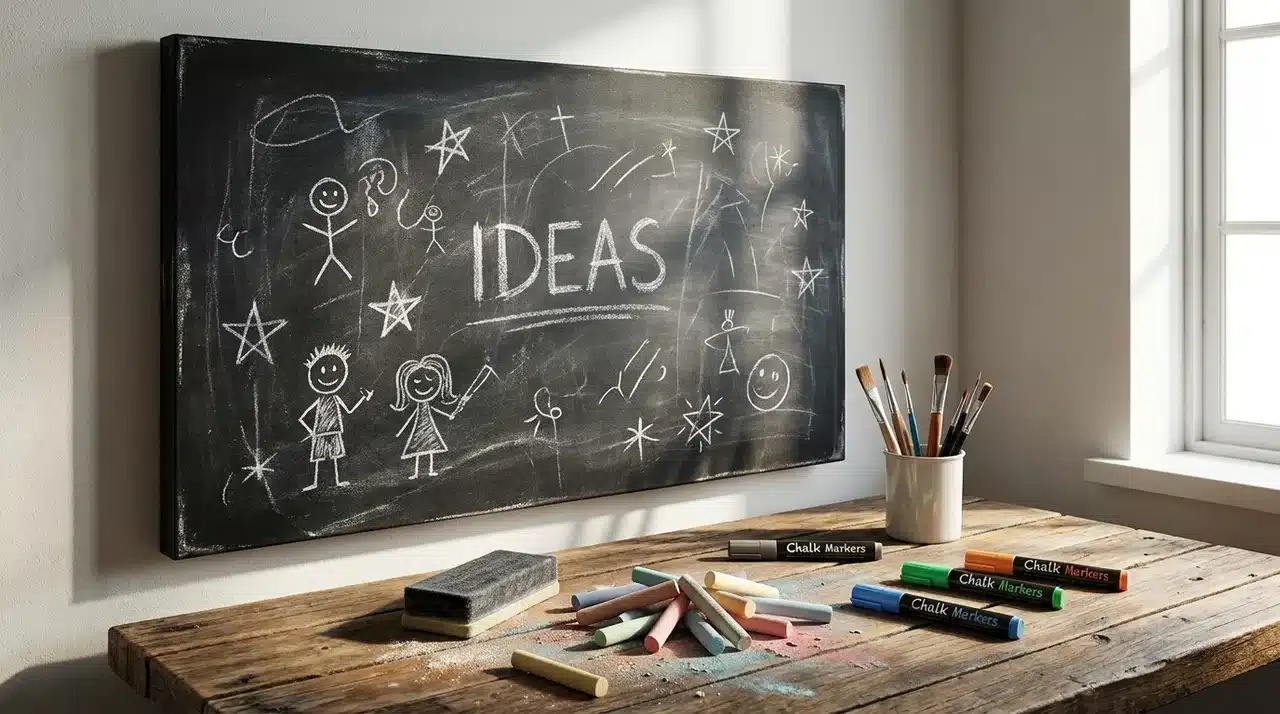
Paint a canvas with chalkboard paint. Let dry. Use chalk or chalk markers to draw designs, write quotes, or doodle. Update artwork as desired. This produces reusable and interactive art.
Materials Used: Canvas, chalkboard paint, chalk or markers, brush
35. Household Tool Texture
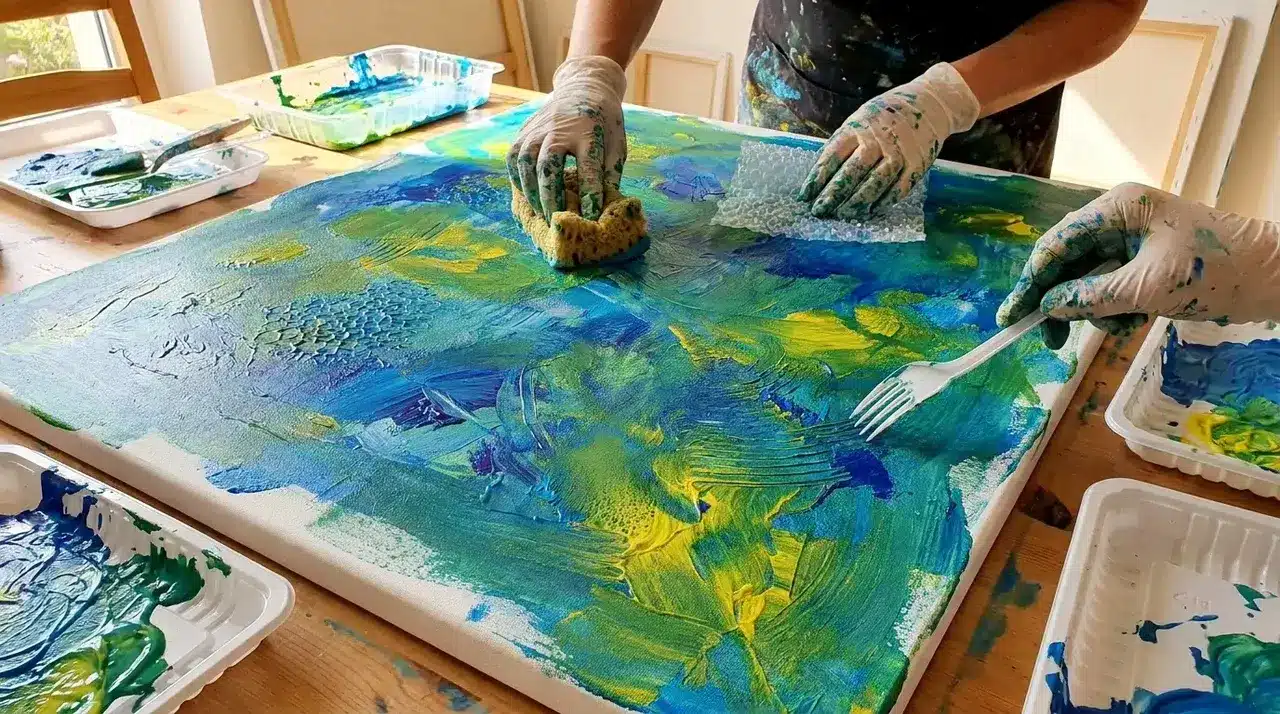
Use sponges, forks, bubble wrap, or combs to apply or stamp paint onto a canvas. Layer textures and colors to create interest. Experiment with patterns and marks for unique results. This approach produces fun, creative designs using common tools.
Materials Used: Canvas, acrylic paints, sponge, fork, bubble wrap, comb
These trendy painting techniques offer a wide variety of creative options to bring color and personality to any living space while remaining accessible to all skill levels.
How to Make DIY Art Look Expensive
A few small choices are what separate a craft project from something that looks gallery-bought.
Framing does most of the heavy lifting. A simple float frame or a wide-matted frame around even a basic painting reads as intentional, and thrift stores are full of solid wood frames you can repaint to match.
Scale helps too. One large piece almost always looks more deliberate than a cluster of tiny ones, which is why an oversized abstract on a cheap drop cloth can hold a whole wall.
Stick to two or three colors per piece so it looks curated rather than busy, and give each layer enough time to dry so the finish stays clean.
Texture is the last trick: a thin pass of joint compound under your paint mimics the pricey plaster-style canvases sold for a few hundred dollars.
Where to Buy the Best DIY Art Kits Online
Finding the right DIY art kit can make creating your own artwork easier and more enjoyable. Here’s a breakdown of popular online options with key details.
1. Etsy
You can find a wide selection of handmade and unique kits on Etsy. Prices generally range from $15 to $60, and the platform offers options suitable for both beginners and advanced artists. Many sellers also offer customization, allowing you to order personalized kits tailored to your preferences.
2. Amazon
Amazon provides a large variety of beginner-friendly bundles. Most kits fall within a $10 to $50 price range. Fast shipping and extensive customer reviews make it easier to pick the right kit for your skill level and style.
3. Michaels
Michaels is known for craft supplies and DIY kits. Their prices typically range from $10 to $40, with options suitable for both beginners and intermediate users. Some kits also include online tutorials to guide you step by step.
4. Target and Walmart
For budget-friendly options, Target and Walmart offer kits ranging from $5 to $30. These kits are mostly beginner-friendly, with standard shipping available. While customization is limited, they are ideal for those just starting out.
With these options, you can find a DIY art kit that fits your budget and skill level, making it simple to start creating your own unique artwork at home.
Conclusion
Blank walls and empty corners don’t have to stay that way. DIY art gives you control to make your space personal and inviting. You can create pieces that match your taste and mood, and enjoy the process without high costs.
By following these ideas, you’ll gain skills to paint, layer, and craft art that feels uniquely yours. Each project offers flexibility to try different styles and materials, helping you build confidence in your creativity.
Start small, pick one idea, and see how easy it is to refresh your home. Grab a canvas and some paint today to begin your first DIY art project.
Frequently Asked Questions
Can I Frame a Textured Canvas Painting?
Yes, using a deep frame or shadow box ensures the texture is preserved.
How Do I Prepare a Canvas Before Painting?
Prime the canvas with gesso and let it dry for a smooth painting surface.
What is the Best Way to Combine Paint with Paper Elements?
Glue the paper first, then paint over it lightly to ensure integration and consistency.
How Can I Make Diy Art Suitable for High-Humidity Areas?
Seal the finished piece with waterproof acrylic varnish to protect it from moisture.