
The A-line dress has been a wardrobe constant since the mid-1950s, and for good reason.
I have seen this silhouette work again and again, from wedding fittings to workwear edits and simple weekend outfits.
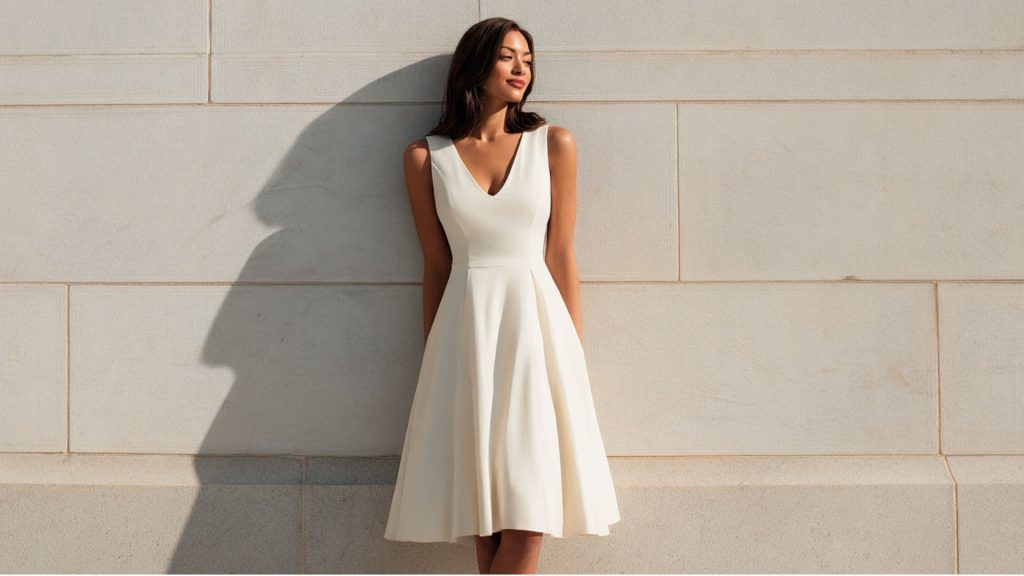
Fitted at the bust and gradually widening toward the hem, it creates a shape that feels comfortable, balanced, and easy to wear.
It works for brunch, a board meeting, a beach wedding, and most occasions in between. Unlike trendier cuts that demand the right moment or body shape, the A-line does a lot of the styling work for you.
From its history to fit, styling, and body-shape tips, the A-line dress remains one of the easiest pieces to understand, wear, and keep in regular rotation.
What is an A-Line Dress?
An A-line dress is named for its “A” shape. It fits closer at the bust or waist, then widens smoothly toward the hem.
This shape comes from the cut, seams, and darts, not a heavy structure. It can be mini, midi, or maxi as long as the skirt gradually flares outward.
One thing I always tell people when they are confused at the rack: if you place the dress flat and the outline looks like the letter A, it is an A-line. That single visual test has saved more than a few shopping trips from going sideways.
Key Characteristics of an A-Line Dress
A few specific design details define the silhouette and separate it from similar cuts like the fit-and-flare or sheath.
- Fitted Bodice or Upper Body: The dress sits close around the shoulders and bust. It doesn’t feel tight, but it holds its shape enough to give a clean, structured look on top.
- Defined or Natural Waistline: Most A-line dresses either highlight the waist or follow your natural waistline without squeezing it. This is what helps the dress fall neatly into that signature shape.
- Gradual Flare from The Waist down: The fabric slowly opens from the waist down. It’s not dramatic or puffy. The flare is soft and steady, which keeps the dress easy to wear and move in.
- Skirt Widens Evenly Toward the Hem: The bottom part spreads out evenly on both sides, creating that “A-line dress silhouette.” It doesn’t cling to the hips or thighs, which is why many people find it comfortable for all-day wear.
- Available in Different Lengths: You’ll find this style in mini, midi, and maxi lengths. The shape stays the same, but the length changes how it feels and where you’d wear it.
When you put all these features together, you get a dress that looks balanced, feels easy to wear, and works for everyday wear as well as more dressed-up occasions.
A-Line Dress History: From Dior to Today
Christian Dior introduced the term in his spring 1955 Paris collection, marking a deliberate departure from the heavily corseted forms of postwar fashion.
Yves Saint Laurent, who took creative control of the house after Dior’s death in 1957, extended the concept with his Trapeze Line of 1958, a more dramatic variation that flared from the neckline downward, bypassing the fitted midsection altogether.
The 1960s brought widespread cultural adoption, with Mary Quant popularizing a cropped interpretation paired with bold geometric prints.
Interest faded through the early 1980s as power dressing dominated. A commercial revival came in the late 1990s, and the A-line has remained a consistent retail presence ever since.
A-Line Dress vs Other Dress Styles
Choosing between dress styles gets easier when you compare shape, waist placement, and fit side by side.
| Dress Style | Shape | Waist Placement | Skirt Volume | Fit Feel |
|---|---|---|---|---|
| A-Line Dress | Fitted top, gently flared bottom | Natural or defined waist | Light to moderate | Easy, balanced, comfortable |
| Fit-and-Flare | Fitted top with fuller skirt | Clearly defined waist | Fuller than A-line | More structured and dressy |
| Empire Waist | Flows down from under the bust | Just under the bust | Soft and loose | Relaxed through the middle |
| Sheath Dress | Straight, narrow shape | Usually natural, not strongly defined | Minimal | Close-fitting and body-skimming |
A quick table helps readers spot the main differences before choosing the dress style that suits their shape and occasion.
A-Line Dress for Every Body Type
The A-line dress body type question comes up constantly, and for good reason: the silhouette is forgiving, but small variations in cut, neckline, and length make a real difference.
When I am helping someone shop for a wedding guest dress or a workwear pick, body shape is always the first thing I think through. Here is how the A-line breaks down by figure.
- Pear shape: The A-line is the strongest option for a pear figure. The flared skirt creates balance by mirroring the width of the hips rather than fighting against it. Pair it with a V-neck or sweetheart neckline to draw the eye upward.
- Apple shape: Look for styles with a waist seam slightly above the natural waist, or choose a version with an empire-style bodice. A V-neck lengthens the torso visually. Avoid wrap-front styles that add bulk at the center.
- Hourglass shape: The classic A-line works directly with this figure because the defined waist seam sits at the narrowest point, and the flare follows naturally. You don’t need to add a belt. The cut does the work on its own.
- Rectangle shape: Choose a style with a more pronounced waist seam, or add a thin belt. The flare creates the curve that the silhouette doesn’t provide naturally. A ruched or tucked bodice adds further shape at the top.
- Petite frames: Knee-length and mini cuts work best. They keep proportions from looking heavy. Floor-length A-lines can work, but only with a heel that adds height. High-waisted versions also help elongate the leg line.
- Tall frames: This is where the A-line maxi dress earns its keep. Floor-grazing cuts that look overwhelming on shorter figures work exactly right on taller ones. Midi lengths also work well and are often underdressed on tall figures when they should be a go-to.
Choosing the Right Fabric for Your A-Line Dress
Fabric choice determines how well an A-line dress performs across different settings. The right material keeps the silhouette intact, suits the occasion, and holds its shape throughout the day.
- Fabrics for Casual Wear: Cotton holds the A-line shape cleanly without stiffness. Linen offers a breathable, textured finish suited to warm weather. Jersey works in casual cuts but needs some waist structure to maintain the flare rather than pulling close to the hips.
- Fabrics for Workwear: Crepe is the strongest office choice; it drapes cleanly, resists creasing, and holds shape across longer hemlines. Ponte is slightly heavier with a similar finish. Both keep a midi A-line structured and polished throughout a full working day.
- Fabrics for Formal and Evening Wear: Satin creates a smooth, photo-ready surface for formal lengths. Chiffon adds soft layered movement common in bridalwear. Tulle provides volume for dramatic cuts. Silk remains the premium option, typically reserved for high-end bridal and couture A-line designs.
- Seasonal Picks: Spring and summer call for cotton, linen, chiffon, or lightweight georgette. Pair your summer A-line with wedding color schemes that complement the season and your venue. Fall and winter work best with knit A-line dresses for warmth, while wool crepe and structured velvet handle formal occasions and holiday events without losing the silhouette.
Matching fabric weight to the season and setting is what keeps an A-line dress looking intentional rather than accidental. The silhouette stays the same, but the material does the contextual work.
How Fabric Weight Affects the SilhouetteThe flare in an A-line is entirely dependent on fabric behavior. A heavier fabric, like ponte or scuba, holds the shape cleanly and reads more formal. A lighter fabric like chiffon or georgette softens the flare into something that moves with the body. Jersey without enough weight will pull close to the hips and lose the silhouette altogether. When you are shopping, hold the skirt portion away from the body and let it fall, if it naturally swings outward and holds the shape, the fabric weight is right for the cut. |
Popular Types of A-Line Dresses
The A-line silhouette appears across a wide range of styles, each suited to a different setting, fabric weight, and occasion. Here are the five most common versions you will find in stores and on runways.
1. A-Line Wedding Dress
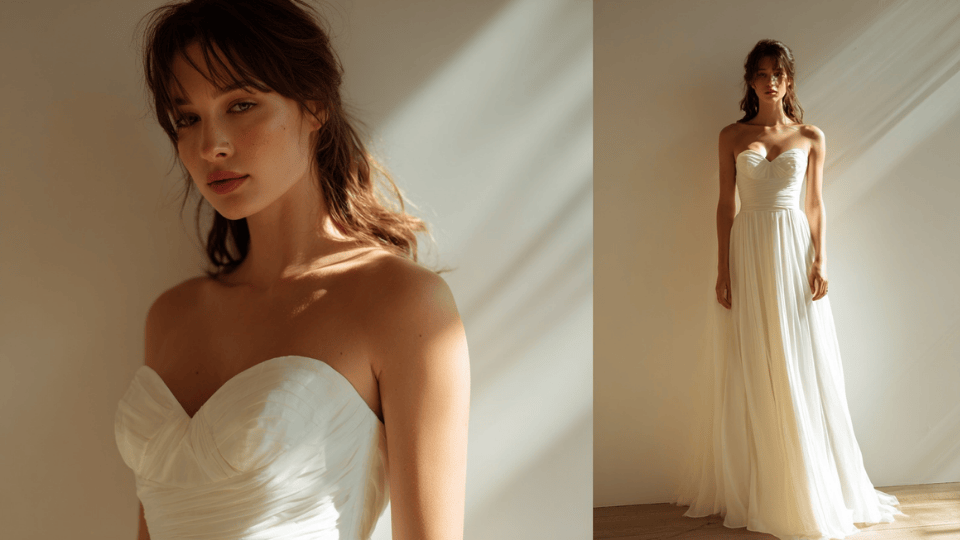
The most popular silhouette in bridal fashion. A fitted bodice with boning or internal structure leads into a skirt that flares progressively to the floor.
It works across almost every body type, photographs well from every angle, and allows full movement throughout a long event. The fitted bodice and defined neckline pair beautifully with half-up hairstyles that show off the dress’s upper structure.
2. Casual A-Line Sundress
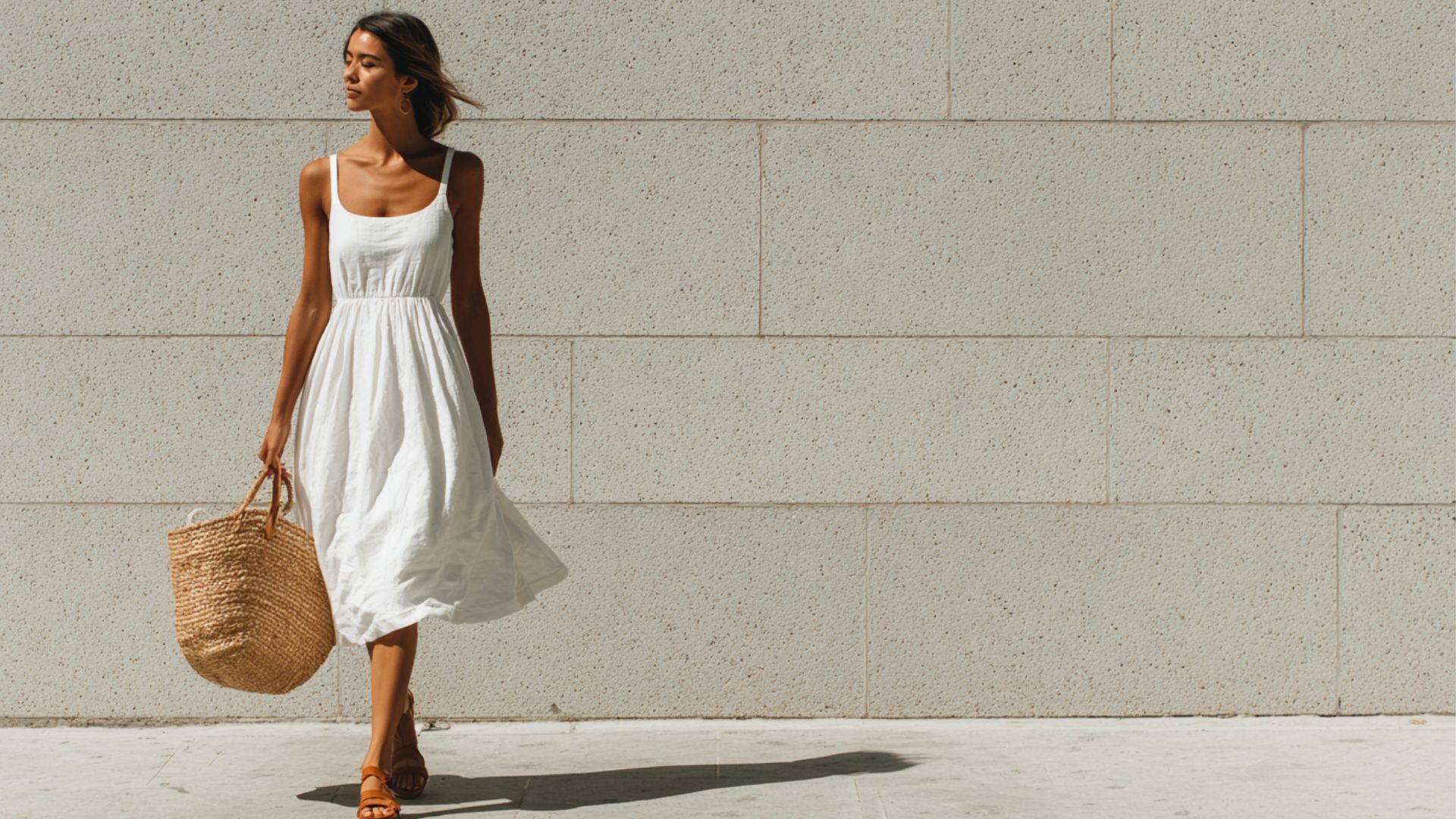
The everyday version of the silhouette. Usually sleeveless or with thin straps, cut from cotton or linen, and hitting at or above the knee.
It pairs with flat sandals and a tote for a relaxed look, or can be dressed up with block-heeled mules and a structured bag.
3. A-Line Cocktail Dress
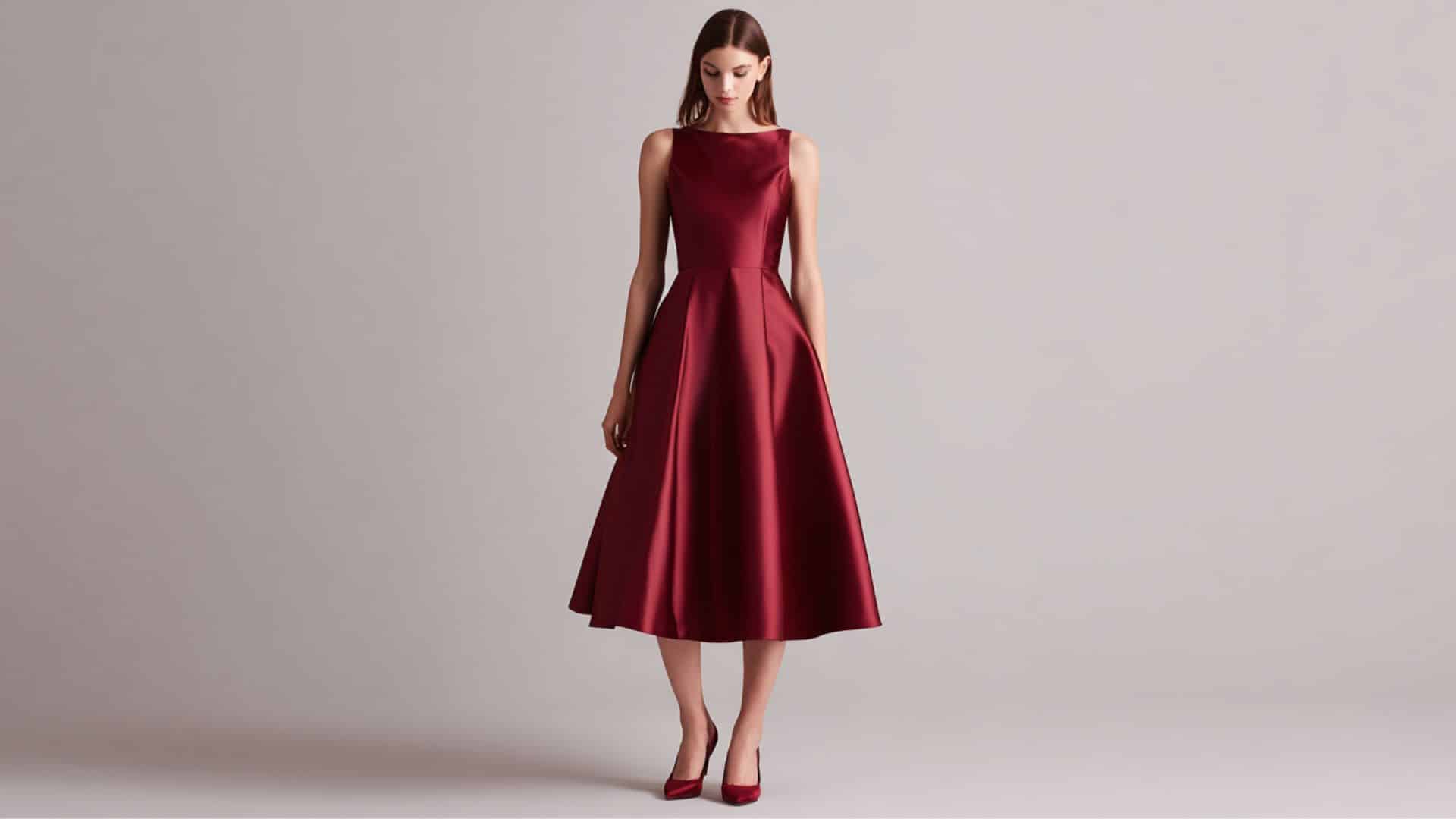
A knee-length version in structured or lustrous fabric. Satin, crepe, and velvet are common choices. The waist seam tends to be more pronounced and the skirt fuller than in casual versions, creating a formal impression without requiring floor-length fabric.
The knee-length cut makes it ideal cocktail wedding attire, formal enough for evening celebrations, while remaining comfortable for dancing and mingling
4. A-Line Wrap Dress
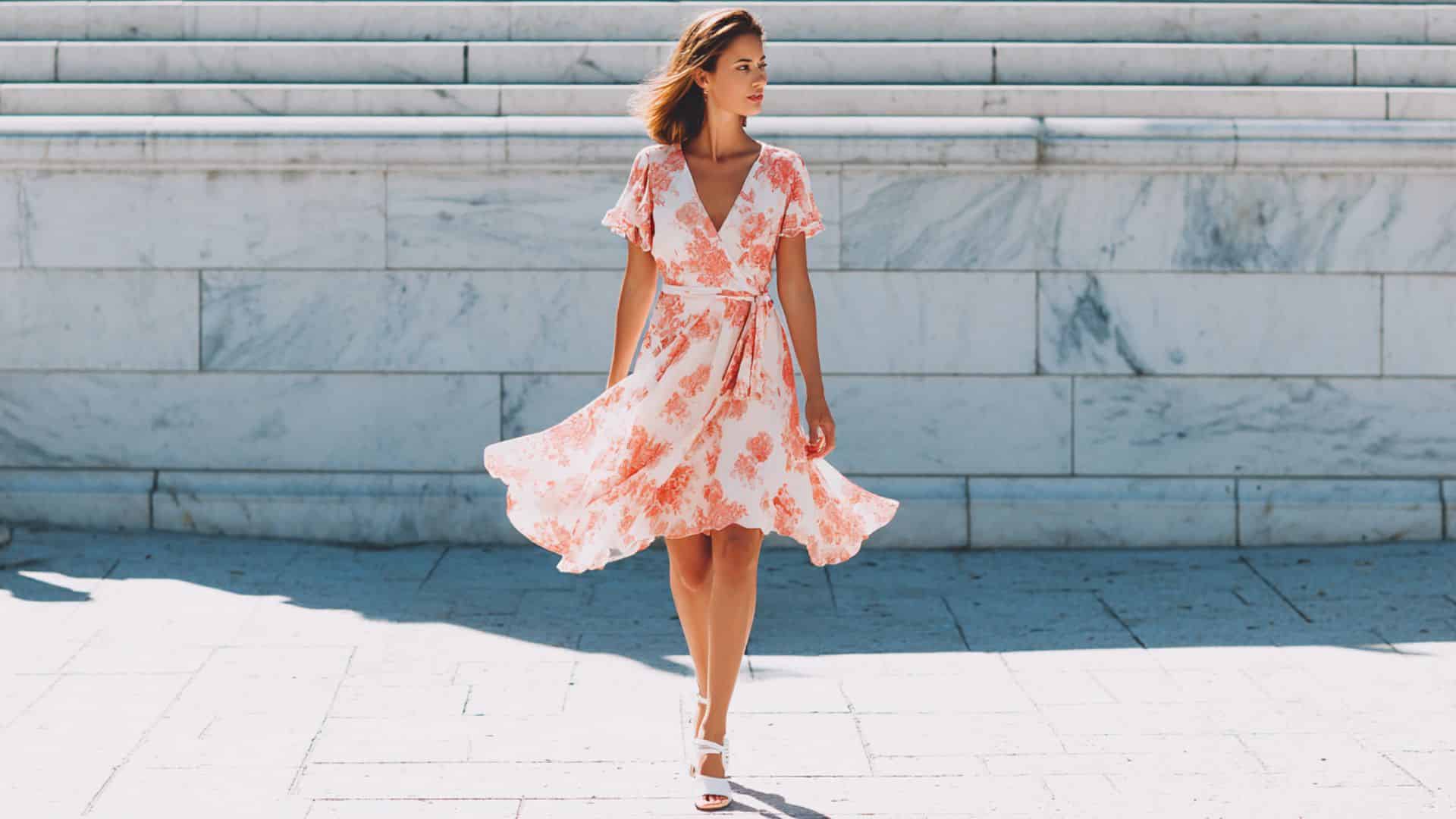
A wrap bodice ties at the waist, creating strong waist definition through construction rather than seaming.
This makes it particularly effective for figures that need waist definition while still wanting the comfort of a flared skirt. Works across casual and smart-casual settings.
5. A-Line Shirt Dress
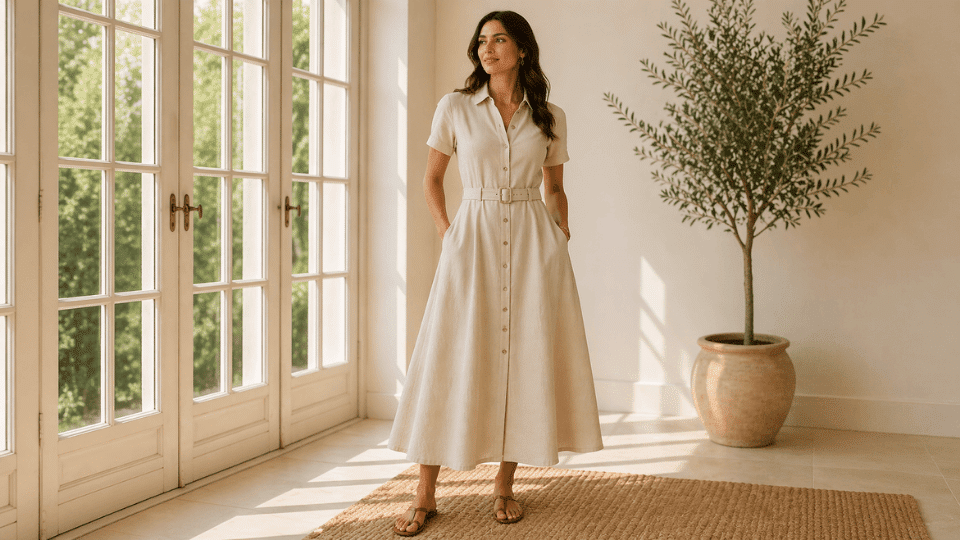
A collared, button-front bodice paired with a gently flared skirt. It reads as polished without feeling formal.
Cotton and linen versions suit warmer months, while structured poplin works year-round. Belting at the waist adds further definition.
6. A-Line Maxi Dress
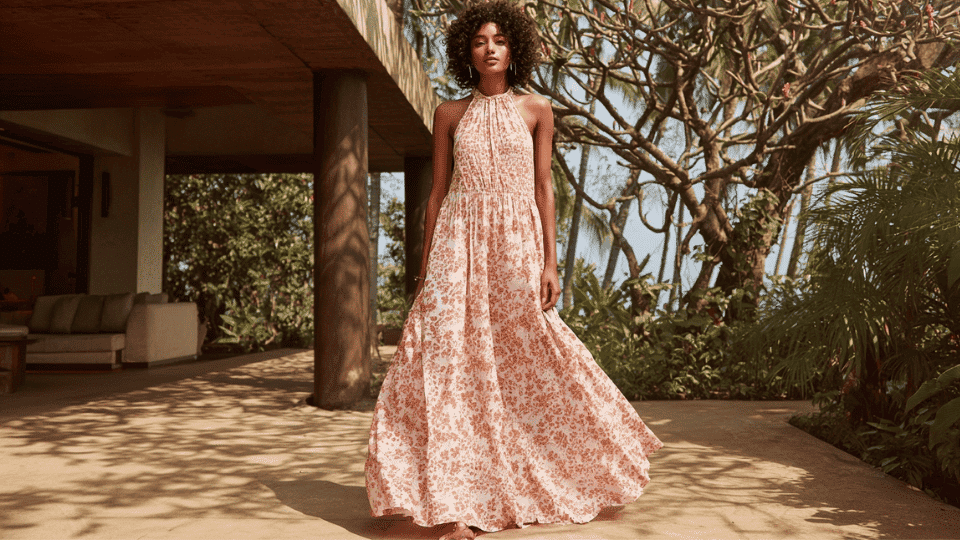
A floor-grazing cut that maintains the gradual flare of the classic silhouette. Works in both casual and dressy settings, depending on the fabric. A cotton maxi in a block print reads as resort-casual.
The same cut in a matte crepe with a halter neckline handles a garden party or an outdoor rehearsal dinner with ease. This is one of the most underutilized versions of the silhouette for tall figures, as the length plays to their proportions in a way that knee-length cuts sometimes do not.
The core silhouette stays consistent across all six types. Fabric weight, bodice construction, and hemline length are what shift the dress from one occasion category to the next.
How to Style an A-Line Dress
The right styling choices reinforce the silhouette rather than compete with it. Here is what works across every category.
- Shoes: Flat sandals and sneakers for casual wear, block heels or pointed pumps for formal occasions, ankle boots for fall and winter midi cuts.
- Layers: A cropped denim or leather jacket for casual looks, a tailored blazer or trench coat for office and event settings.
- Accessories: Match jewelry to the neckline. Pendant necklaces suit V-necks, statement earrings work with square and sweetheart necklines, and drop earrings complement off-shoulder cuts.
- Belts: A thin leather belt on casual fabrics like cotton and linen. A wide cinch belt on structured fabrics like crepe and ponte. Avoid belting heavy satin, as it tends to bunch above the belt.
- Seasons: Cotton or linen with a denim jacket in spring, chiffon with strappy sandals in summer, wool crepe with ankle boots in fall, and knit or velvet with a wool coat in winter.
Swapping fabric weight, footwear, and outerwear is all it takes to move the same A-line dress from one setting to the next.
I bet you’ll love this styling trick: keep the same A-line dress and change only the layers, shoes, and accessories. A navy crepe midi, for example, can work for the office with a blazer, for weekend plans with relaxed layers, and for dinner with heels and jewelry.
What to Check Before Buying an A-Line Dress
Before you buy an A-line dress, take a moment to check how it actually fits and moves. What looks good on the hanger doesn’t always translate the same way when you try it on.
| What to Check | What to Look For |
|---|---|
| Flare point | See where the skirt widens. A waist flare gives a cleaner shape than a hip flare. |
| Bodice fit | Should sit close without pulling, gaping, or feeling tight. |
| Movement | Walk, sit, and cross your legs. The dress should move easily and settle back. |
| Hem when seated | If it rides up too much, try a longer length or size up. |
| Fabric in light | Hold it to light to check for sheerness that may not show on the hanger. |
| Lining | Thin fabric should be lined or worn with a slip for coverage. |
A good A-line dress should feel easy the moment you put it on. If it fits well, moves comfortably, and gives you the coverage you need, it is far more likely to become a piece you reach for often.
Final Thoughts
The A-line dress has earned its place in my wardrobe because it never feels difficult to wear.
I have reached for this shape when helping someone choose a wedding guest outfit, a work dress, or a packable outfit for a weekend away.
It suits different body types, works across seasons, and adapts easily to shoes, layers, and accessories.
A mini version can feel relaxed, a satin midi can feel polished, and a structured fabric can carry you through a busy week.
Start with one neutral A-line dress in a length that feels right on you, and you will understand why this silhouette has stayed useful for nearly 70 years.
Frequently Asked Questions
How Should an A-Line Dress Fit at the Waist?
The waist seam should sit at the narrowest point of your torso. A dropping or loose waist disrupts the flare and throws off the entire silhouette.
Can You Wear an A-Line Dress to a Black-Tie Event?
Yes, provided the fabric is formal enough. A floor-length satin or silk A-line reads as black-tie appropriate without the volume of a ball gown.
What is the Difference Between an A-Line and a Trapeze Dress?
A trapeze dress flares from the shoulders, bypassing the waist entirely. An A-line flares from the waist down, maintaining a fitted upper section.
How Do You Keep an A-Line Dress From Losing its Shape?
Follow fabric care instructions carefully. Hang rather than fold to preserve the flare. Steam rather than iron, particularly on satin and chiffon versions.