


A family meal plan is a structured weekly or monthly schedule that outlines what your household will eat for breakfast, lunch, and dinner.
Rather than deciding what to cook at the last minute, you map out meals in advance based on your family’s preferences, dietary needs, and budget.
This simple habit carries real weight. It reduces daily stress by eliminating the question of “what’s for dinner?”
It also reduces food waste, saves money at the grocery store, and helps you make healthier choices before hunger drives you to make impulsive decisions.
For busy families, especially, a solid meal plan acts as a practical guide that keeps everyone fed, satisfied, and on the same page throughout the week.
Key Benefits of Family Meal Planning
Planning meals ahead brings structure to your week, saves money, reduces dinnertime stress, and encourages healthier choices, making family mealtimes more organized, enjoyable, and consistent.
- Saves Time During Busy Weekdays: Planning meals ahead means less time deciding what to cook each day and more time spent with your family.
- Reduces Grocery Spending: Shopping with a set list prevents impulse purchases and helps you stick to a realistic weekly food budget.
- Minimizes Food Waste: By planning what to use and when, you consume ingredients before they expire, keeping your kitchen efficient.
- Supports Healthier Eating Habits: Planned meals make it easier to choose balanced, nutritious options instead of reaching for fast food or processed snacks.
- Lowers Daily Stress: Knowing what is on the menu removes the nightly pressure of figuring out dinner from scratch.
- Encourages Family Involvement: Meal planning opens the door for kids and partners to share input, making mealtimes more enjoyable for everyone.
- Improves Portion Control: Preparing planned meals at home gives you better control over ingredients, serving sizes, and overall nutrition.
How to Get Started with Family Meal Planning
Getting started with family meal planning is simpler than most people expect. Begin by choosing one day each week, usually Sunday, to sit down and plan your meals for the days ahead.
Take stock of what you already have in your pantry and refrigerator before writing anything down. Next, ask family members about their preferences and any upcoming schedule changes that might affect dinner time.
From there, build a simple meal list covering breakfast, lunch, and dinner for each day. Write a grocery list based only on what you need.
Start with just three to four planned days if a full week feels overwhelming. Consistency matters more than perfection, so keep the process flexible and adjust as your family settles into the routine.
Step-by-Step Guide to Creating a Weekly Meal Plan
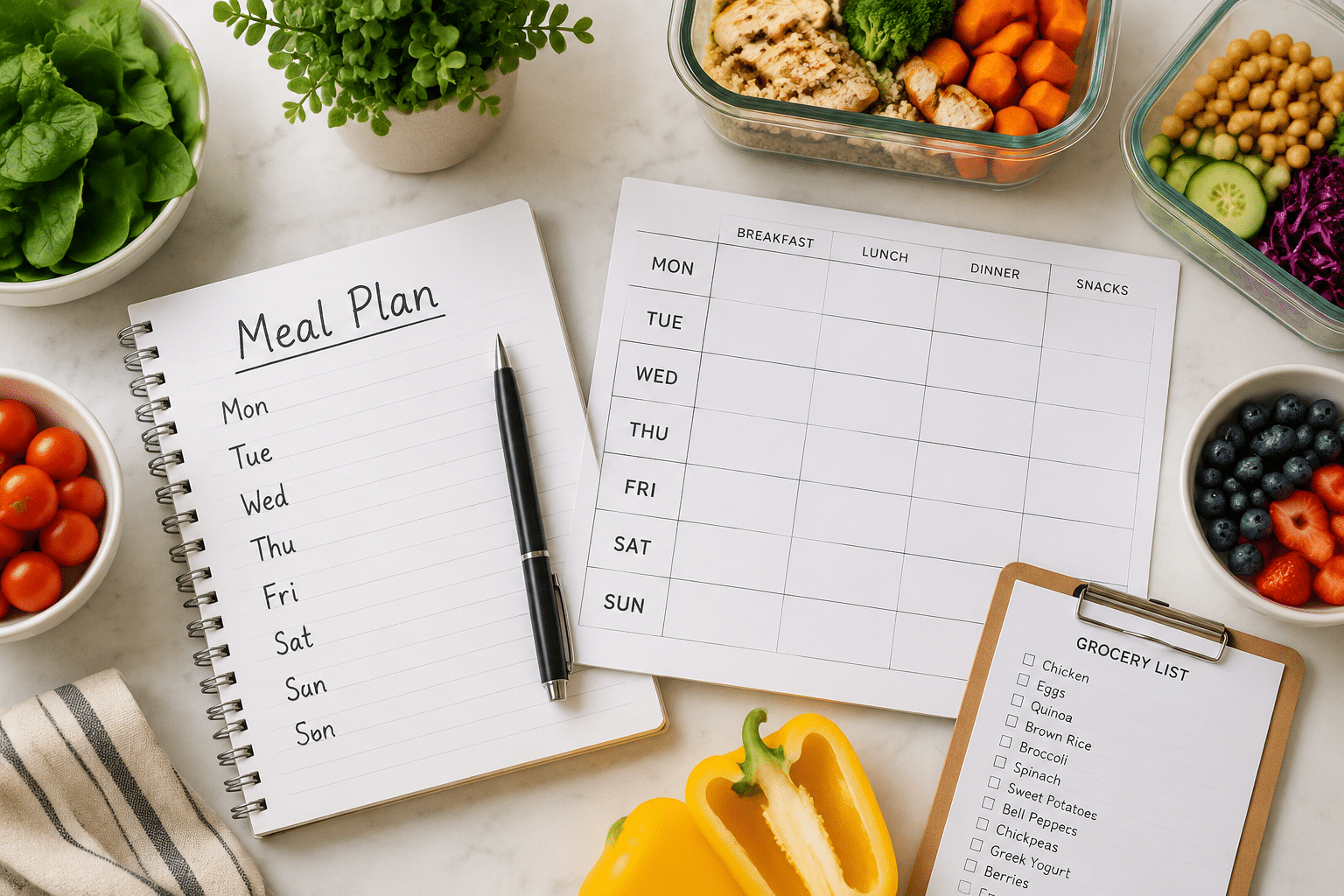
- Choose Your Planning Day: Set aside time once a week, ideally on a Saturday or Sunday, to plan all meals for the coming week without interruptions.
- Check Your Pantry and Fridge First: Review what ingredients you already have at home to avoid buying duplicates and build meals around what you have.
- Gather Family Input: Ask each family member about meal preferences, dislikes, and any events during the week that may affect eating schedules.
- Select Your Meals: Choose recipes for breakfast, lunch, and dinner for each day, keeping nutrition, variety, and preparation time in mind.
- Balance Simple and Complex Recipes: Mix quick weeknight meals with slightly more involved recipes on days when you have extra time to cook.
Sample 7-Day Family Meal Plan

To simplify weekly cooking, here’s a practical 7-day meal plan with breakfast, lunch, and dinner ideas. It balances quick recipes, family favorites, and nutritious options to help you stay organized and stress-free all week.
Day 1 – Monday
- Breakfast: Scrambled eggs with whole wheat toast and fresh orange juice
- Lunch: Grilled chicken wraps with lettuce, tomato, and a side of fruit
- Dinner: Baked salmon with steamed broccoli and brown rice
Day 2 – Tuesday
- Breakfast: Oatmeal topped with banana slices and a drizzle of honey
- Lunch: Vegetable soup with crusty bread and a simple green salad
- Dinner: Beef tacos with shredded cheese, salsa, and refried beans
Day 3 – Wednesday
- Breakfast: Greek yogurt with mixed berries and granola
- Lunch: Turkey and cheese sandwiches with carrot sticks and hummus
- Dinner: Spaghetti with marinara sauce, ground beef, and garlic bread
Day 4 – Thursday
- Breakfast: Whole-grain pancakes with fresh strawberries and maple syrup
- Lunch: Tuna salad on whole wheat bread with a side of cucumber slices
- Dinner: Homemade pizza with vegetables, mozzarella, and tomato sauce
Day 5 – Friday
- Breakfast: Smoothie bowls with mixed fruits, chia seeds, and almond butter
- Lunch: Cheese quesadillas with guacamole and a side of corn salad
- Dinner: Homemade pizza with vegetables, mozzarella, and tomato sauce
Day 6 – Saturday
- Breakfast: French toast with powdered sugar, fresh berries, and orange juice
- Lunch: Grilled veggie wraps with feta cheese and a light yogurt dressing
- Dinner: Slow cooker pot roast with carrots, potatoes, and dinner rolls
Day 7 – Sunday
- Breakfast: Vegetable omelet with whole wheat toast and sliced avocado
- Lunch: Leftover pot roast sandwiches with a fresh mixed greens salad
- Dinner: Roast chicken with mashed potatoes, steamed peas, and gravy
This sample plan provides a framework for easy, balanced meals. You can adapt it to your family’s tastes and schedule, making mealtime predictable, enjoyable, and less stressful every week.
Ready to simplify your meals even further?
Click here to grab your 4-week meal planning templates
Tips for Using Leftovers Effectively
Making the most of leftovers helps reduce waste and save time. With a few simple strategies for storing, reheating, and repurposing meals, you can turn yesterday’s dinner into today’s delicious, hassle-free options.
- Plan Meals That Naturally Produce Leftovers: Cook larger portions of roasts, soups, and casseroles on purpose, so you have ready-made meals for the next day.
- Store Leftovers Properly: Use airtight containers and label them with the date to keep food fresh, safe, and easy to identify throughout the week.
- Repurpose Leftovers Into New Meals: Turn last night’s roast chicken into wraps, salads, or soups so meals feel fresh, not repetitive.
- Designate a Leftover Night: Set one evening per week, typically midweek, as a planned leftover night to clear the fridge and reduce food waste.
- Freeze Portions for Later: ide large batches of soups, stews, and sauces into freezer-safe containers for quick meals on especially busy days.
- Refresh Leftovers Before Serving: Add fresh herbs, a squeeze of lemon, or a new sauce to revive leftover dishes and improve their flavor before reheating.
- Use Leftover Vegetables in Omelets or Stir-Fries: Cooked vegetables from dinner work perfectly as quick breakfast or lunch additions, with no extra preparation.
- Build a Weekly Leftover Inventory: Before planning each week, check what leftovers remain and incorporate them into upcoming meals to avoid unnecessary cooking and spending.
By using leftovers creatively, you extend the value of every meal, save money, and make mealtime preparation easier, turning potential waste into convenient, tasty, and satisfying family dishes.
Conclusion
Family meal planning is one of the most practical habits you can build to improve how your household eats, spends, and functions day to day.
It removes the guesswork from mealtimes, brings the family together around shared food choices, and creates a sense of structure that benefits everyone from young children to busy adults.
Starting small and staying consistent matters far more than executing a perfect plan every single week. Use the sample meal plan, leftover tips, and prep strategies covered as a flexible starting point rather than a rigid rulebook.
Over time, the process becomes second nature, and the rewards speak for themselves through saved money, reduced stress, and healthier meals on the table every single day.
Frequently Asked Questions
How Can You Manage Picky Eaters in a Family Meal Plan?
Involve picky eaters by letting them choose one meal per week and introduce new foods gradually alongside familiar favorites to keep mealtimes stress-free.
How Can You Keep Meal Planning on Track with a Changing Schedule?
Build meals around naturally safe ingredients like rice, vegetables, and lean proteins, and keep a dedicated list of family-approved recipes to simplify weekly planning.
How Can You Maintain Meal Planning When Your Schedule Changes?
Always keep two or three simple backup meals using pantry staples ready, and treat missed days as normal adjustments rather than reasons to abandon the plan entirely.