


Dark spots, uneven tone, dullness, and early fine lines are often linked to oxidative stress. That is one reason glutathione has become a popular skincare ingredient in recent years.
Many people now use it to support brighter, smoother, and healthier-looking skin without harsh bleaching products.
Interest in glutathione’s skin benefits continues to grow, as this antioxidant helps protect skin cells from damage caused by pollution, sunlight, and stress.
Still, not every claim online is accurate. Knowing what glutathione can realistically do, along with its possible side effects and safety concerns, matters before adding it to your skincare routine.
What is Glutathione? (And Why It Matters for Skin Health)
Glutathione is an antioxidant your body produces on its own, mainly in the liver. It is made from three amino acids: cysteine, glutamic acid, and glycine.
Its job is to protect your cells from free-radical damage caused by factors such as sun exposure, pollution, and stress, boosting your glow up.
As you get older, your body makes less of it. Studies show that this drop in glutathione is linked to dull skin, dark spots, and accelerated skin aging.
For skin health, it works by blocking tyrosinase, the enzyme that triggers excess melanin production. Less melanin means a more even, brighter skin tone, and clinical research backs that.
How Does Glutathione Work on the Skin?
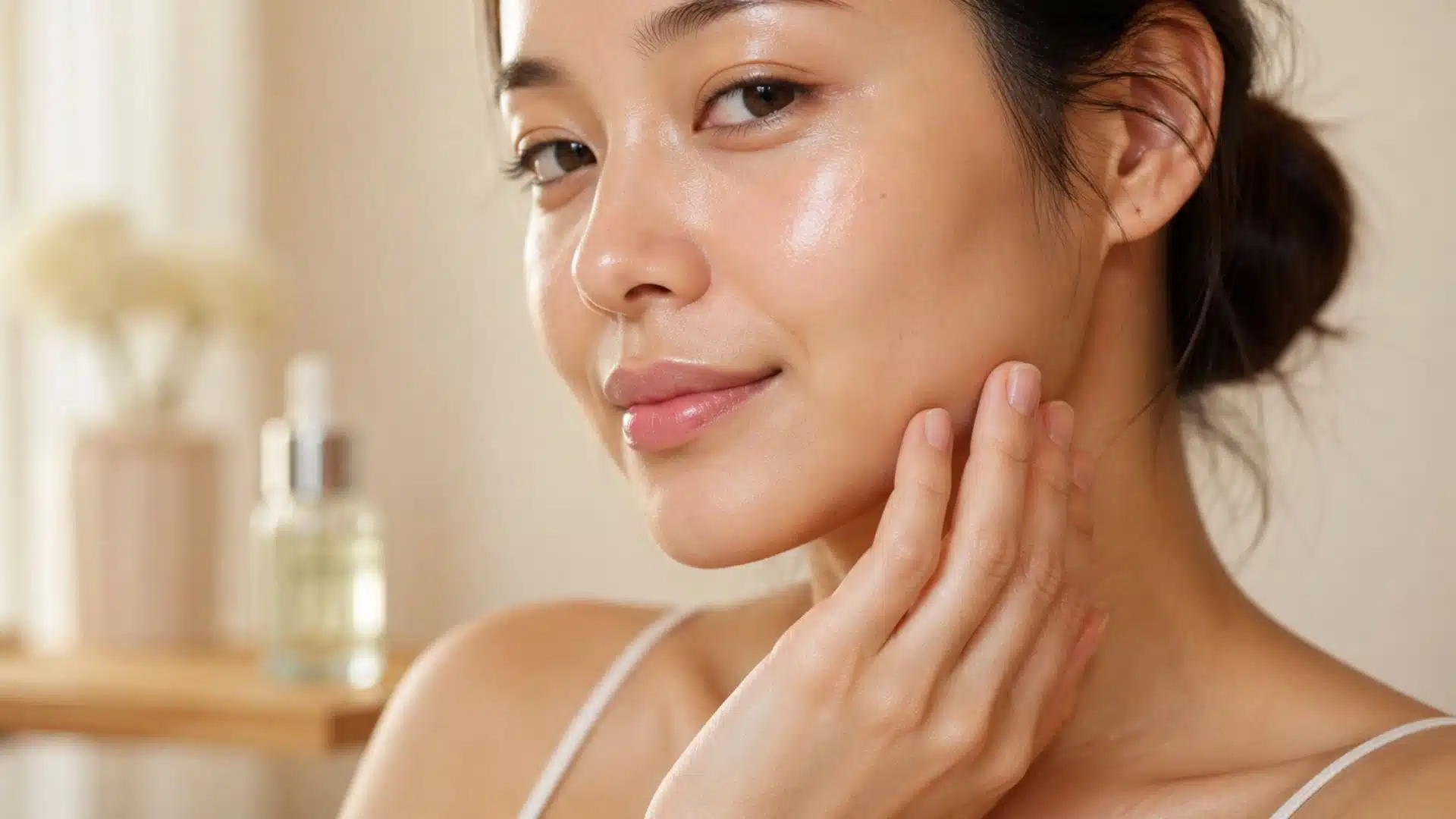
When glutathione enters your skin cells, it does something other antioxidants cannot: it shifts the type of melanin your skin produces.
Your body makes two kinds: eumelanin, which is dark brown or black, and pheomelanin, which is yellow-red and much lighter.
Some researchers believe glutathione may influence melanin production by shifting synthesis toward lighter pheomelanin rather than darker eumelanin, although the exact mechanism is still being studied.
It also keeps Vitamin C and Vitamin E active in your skin for longer. These two antioxidants break down fast on their own, but glutathione recycles them, so they keep working
That combination gives your skin stronger protection against collagen breakdown and UV-related damage.
A 2017 Clinical Trial confirmed that 250 mg of oral glutathione daily reduced measurable melanin levels in participants within four weeks without bleaching agents or harsh ingredients.
Key Glutathione Benefits for Skin
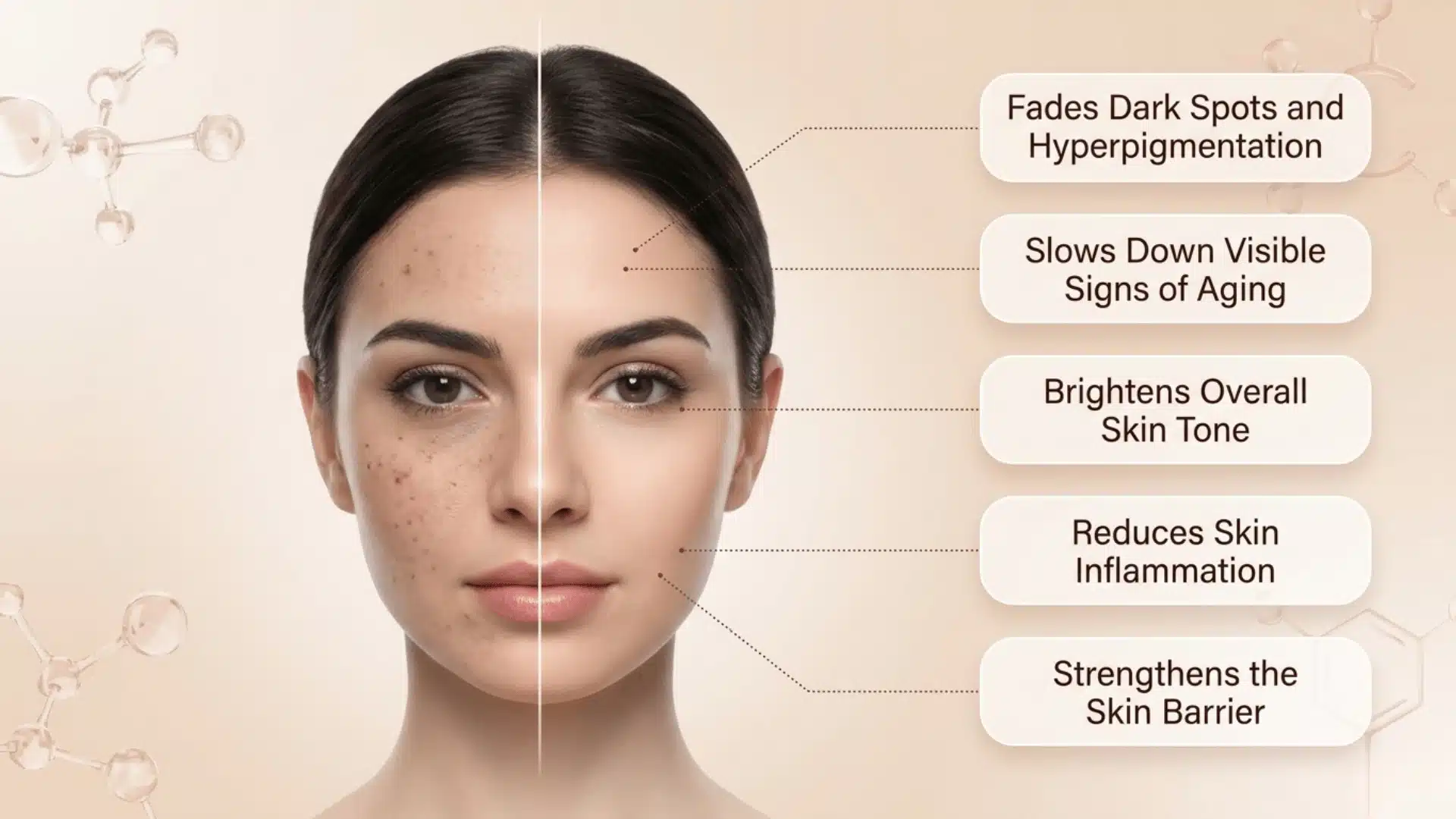
Glutathione does more for your skin than most people realize. Here are the most well-researched benefits that make it worth paying attention to
1. Fades Dark Spots and Hyperpigmentation
Dark spots form when certain areas of your skin produce more melanin than others. Glutathione reduces this overproduction at the source.
A 2019 clinical trial on 0.5% topical glutathione found that a 0.5% glutathione formula significantly improved hyperpigmented lesions within 8 weeks.
For melasma and post‑acne marks, consistent use shows real, measurable improvement in skin tone.
2. Slows Down Visible Signs of Aging
As you age, collagen levels drop, and your skin takes longer to repair itself. Glutathione helps protect skin cells from oxidative stress, which is linked to fine lines, wrinkles, and loss of firmness.
It may also support skin elasticity, helping your skin look smoother and healthier over time. Unlike products that only work on the surface, glutathione works at the cellular level within the skin.
3. Brightens Overall Skin Tone
Glutathione does not just target individual dark spots; it works across your full complexion. By gradually lowering total melanin levels, it produces a gradual, even brightening effect.
In a randomized controlled trial, participants taking oral glutathione daily saw measurable reductions in skin darkness at multiple facial and body sites within 4 weeks of consistent use.
4. Reduces Skin Inflammation
Chronic inflammation sits behind many skin problems, such as acne, redness, rough texture, and uneven tone.
Glutathione helps regulate your body’s inflammatory response by lowering oxidative stress inside your skin cells.
Studies show it modulates cellular signaling that triggers inflammation. Less internal inflammation means calmer, clearer skin over time, especially for those dealing with recurring breakouts or sensitivity.
5. Strengthens the Skin Barrier
Your skin barrier keeps moisture in and protects your skin from pollution and environmental damage. When it weakens, your skin can become dry, irritated, and sensitive.
Glutathione helps protect skin cells from oxidative stress, which may support a healthier skin barrier over time. Some studies also suggest that topical glutathione may improve skin hydration and texture with regular use.
Forms of Glutathione for Skin
Glutathione comes in several forms, and each one works differently on your skin. Knowing the difference helps you pick the right option for your skin goals and budget.
| Form | Best For | Absorption Level | Safety |
|---|---|---|---|
| Topical | Dark spots, melasma, texture | Low skin surface only | Safe for all skin types |
| Oral | Overall skin brightening | Low; breaks down in the gut | Generally safe (FDA GRAS) |
| Sublingual | Faster systemic results | Medium–High bypasses digestion | Generally safe |
| Liposomal | Better absorption than oral | Highly enhanced cell delivery | Generally safe |
| IV | Not for cosmetic use | Very high; direct bloodstream | Risk (liver damage reported) |
Topical and sublingual forms are the best option for most people, with the lowest risk. Skip IV glutathione unless a licensed dermatologist specifically recommends it for your condition.
Is Glutathione Safe for Skin Use?
The short answer is, it depends on the form you use. Topical and oral glutathione are generally safe for most people. IV glutathione is a different matter entirely.
1. Topical Glutathione Safe for Most Skin Types
Topical glutathione is well tolerated across all skin types, including sensitive and acne‑prone skin.
A 2025 systematic review on the safety of glutathione in skin care found no major adverse effects in the clinical trials evaluating topical formulations. No prescription is needed.
2. Oral Glutathione: Safe With Caution
Some forms of glutathione used in foods and supplements have received Generally Recognized as Safe (GRAS) status from the FDA for specific uses, but glutathione supplements themselves are not FDA-approved for skin brightening.
Short-term use at 250 to 500 mg daily is well-tolerated by most adults. Long-term safety data beyond six months remains limited, so medical guidance is recommended.
3. Sublingual Glutathione: Generally Safe
Published clinical trials have reported no serious adverse effects to date.
It raises plasma glutathione levels without the risks associated with injections, making it a reasonable option for adults who want faster, safer absorption.
4. Liposomal Glutathione Generally Safe
Current clinical data show no significant impact on liver or kidney markers at standard doses.
It is considered safer than IV therapy and better absorbed than regular oral supplements. Long-term data are still limited; consult a doctor for extended use.
5. IV Glutathione Not Recommended for Skin Use in the US
IV glutathione is not FDA-approved for cosmetic skin use in the United States.
Dermatologists have raised concerns about possible risks, including contamination, allergic reactions, kidney stress, and other adverse effects associated with unregulated injectable products.
Most US dermatologists advise against it entirely for skin purposes.
Quick Tip: Always patch-test any new topical glutathione product before full application.
Potential Side Effects of Glutathione
Glutathione is generally safe, but some users may experience side effects. Understanding these risks helps you use it more safely and respond quickly if needed.
| Side Effect | Symptoms | Action |
|---|---|---|
| Digestive Upset | Bloating, cramps, loose stools | Take with food; lower dose |
| Skin Reactions | Rash, itching, redness | Patch-test; discontinue if severe |
| Headaches | Mild headaches | Hydrate; monitor |
| Asthma Flare | Wheezing, breathing issues | Avoid inhaled/IV forms; consult a doctor |
| Drug Interactions | Reduced drug effect | Inform the doctor before use |
| Zinc Depletion | Fatigue (long-term use) | Monitor; consider zinc intake |
Most side effects are mild and temporary. Stop use and seek medical help immediately if you notice severe reactions like breathing difficulty, swelling, or persistent symptoms.
Who Should Use Glutathione for Skin
Glutathione suits most adults seeking brighter, more even skin, but it’s not for everyone. Knowing where you fit helps you decide whether to start or hold off.
Good candidates:
- People with dark spots, melasma, or uneven skin tone
- Those treating post-acne marks or sun-damaged skin
- Adults with early signs of aging, such as dullness or loss of firmness
- Most skin types, including sensitive and acne-prone skin, may tolerate topical glutathione well when used properly.
When to Consult a DoctorGlutathione may not be safe if you’re pregnant or breastfeeding, have asthma, are undergoing chemotherapy, live with liver or kidney disease, or have G6PD deficiency. Speak with a healthcare provider before starting |
How to Use Glutathione Safely for Skin?
Using glutathione correctly can improve results and reduce the risk of irritation. These simple tips help you use it more safely and effectively.
- Pick the Right Product: Choose a 1–2% topical serum or cream. Many clinical studies on oral glutathione use doses around 250–500 mg daily.
- Start Slowly: Apply once daily for the first two weeks and monitor your skin. Patch-test sensitive skin for 24 hours before full use.
- Apply at the Right Time: Use glutathione in the morning to help protect against daily environmental stress. If you use retinol at night, keep the two separate.
- Follow the Correct Order: Cleanse and tone first, then apply glutathione before moisturizer. Finish with SPF 30 or higher during the day.
- Pair It Carefully: Vitamin C, niacinamide, and tranexamic acid work well with glutathione and may improve brightening results.
Glutathione is generally gentler than ingredients like hydroquinone or kojic acid, but combining too many active ingredients at once may irritate the skin.
Consult a board-certified dermatologist if you plan to use multiple treatments together.
Conclusion
Interest in glutathione’s benefits for skin continues to grow, as many users report a brighter tone, smoother texture, and healthier-looking skin with regular use.
Research also supports its antioxidant and skin-brightening effects, especially when used in topical and oral forms.
Still, glutathione is not a permanent skin-lightening solution, and results vary from person to person.
Product quality, sun protection, skincare habits, and overall health all play a role in the outcome. Using safer forms and keeping realistic expectations is important for long-term results.
Have you tried glutathione products for your skin? Share your experience or questions in the comments below.
Frequently Asked Questions
Does Glutathione Work the Same Way for All Skin Tones?
No. Results vary by skin tone, genetics, and consistency of use. Darker skin tones may respond differently.
Can You Boost Glutathione Levels Naturally Through Food?
Yes, garlic, broccoli, spinach, and avocado support your body’s natural glutathione production without the need for supplements.
How Long Does Glutathione Take to Work for Skin?
Most studies showing visible skin brightening or reduced pigmentation report results after 4 to 12 weeks of consistent use. Results vary depending on skin tone, product type, dosage, sun exposure, and overall skincare routine.
Does Glutathione Permanently Change Your Skin?
No. Effects are reversible. Once you stop using it, your skin gradually returns to its natural state.