


Life doesn’t have to be extraordinary to feel good. Sometimes, it just needs a shift in how you see it.
Romanticizing life means finding beauty in the everyday moments, the ones you often rush past without a second thought.
The slow morning coffee. The golden hour light. The quiet walk you take just because you can. Learning how to romanticize your life isn’t about pretending everything is perfect, and it isn’t a performance for anyone watching.
It’s a choice to notice what’s already good. Small things, done with intention, can completely change how your days feel. You don’t need a new life. You just need a new lens.
What Does Romanticizing Your Life Mean?
The idea of romanticizing your life is simpler than it sounds. It’s the practice of treating your own life like it’s worth paying attention to. Not because it’s glamorous, but because it’s yours.
It means making your Tuesday morning feel as good as a Saturday. It means lighting a candle while you work, playing music while you cook, or sitting by the window just to watch the rain. Small stuff, but it adds up.
It’s not about faking happiness. It’s about building a daily life that actually feels like something. And that starts with noticing what’s already there.
Is Romanticizing Your Life Important or Just an Aesthetic
Most people move through their days on autopilot. They wait for big moments to feel something. But the truth is, how you experience your everyday life shapes everything.
- It improves your mood daily. Small intentional moments give your brain something positive to hold onto.
- It builds a deeper connection with yourself. You start noticing what you actually enjoy, not just what keeps you busy.
- It reduces the need for constant distraction. Your own life becomes interesting enough.
- It shifts your mindset over time. You stop waiting for life to get better and start living it now.
Learning how to romanticize your life isn’t a luxury. Aesthetic without substance fades fast, because it depends on things looking a certain way. Paying real attention doesn’t need good lighting. It works just as well on a rough day as it does on a picture-perfect one.
Morning Rituals to Romanticize Your Day

How you start your morning sets the tone for everything that follows. You don’t need a two-hour routine or a perfect schedule.
1. Start With a Morning Ritual
A morning ritual doesn’t have to be complicated. Pick one or two things that feel good to you, maybe a warm drink, a short stretch, or five minutes of silence before your phone.
Some people find it easier to start with a written morning routine and trim it down from there. Do them consistently. When you give your morning some structure, it stops feeling like something you survive and starts feeling like something you own.
2. Journal and Practice Gratitude
You don’t need to write pages. Think of it less like journaling and more like a small self-care ritual that takes three minutes and quietly sets the tone for the rest of the day.
Just a few lines about what you’re looking forward to or what went well yesterday. It trains your brain to look for the good stuff, and over time, that habit changes how you see your whole day.
3. Build a Soundtrack for Your Life
Music changes the energy of a moment almost instantly. Create playlists for different parts of your day: morning, work, cooking, and winding down.
When you pair the right music with a regular task, it stops feeling like a chore and starts feeling like a scene from a life you actually enjoy living.
4. Dress for the Life You Want
You don’t have to save your nice clothes for special occasions. Wearing something that makes you feel good on a regular Tuesday boosts your confidence and mood. It’s not about impressing anyone. It’s about showing up for your own day as it matters, because it does.
5. Treat Yourself as the Main Character
Start making small decisions as if you matter in your own story. Order the thing you actually want. Take the scenic route. Sit at the nice spot by the window.
It sounds simple, but consistently choosing yourself in small ways builds a mindset where your life feels intentional and worth paying attention to.
6. Say Yes to Spontaneous Small Adventures
You don’t need a flight booked to have an adventure. Try the new café, take a different route home, or spend an afternoon somewhere you’ve never been in your own city.
Small unplanned moments often become the ones you remember most. And they remind you that life can feel exciting without much effort at all.
Once you bring these habits into your mornings and daily choices, something shifts. Life starts to feel less like a checklist and more like something you’re actually part of.
Simple Ways to Slow Down and Savor Life

Life moves fast, and most of the time, you’re moving right along with it without stopping to take anything in. But slowing down isn’t about doing less. It’s about being more present in what you’re already doing.
7. Slow Down and Be Present
Most moments pass without you fully noticing them. Start small. Put your phone down during meals. Finish one task before jumping to the next.
When you actually pay attention to what’s in front of you, ordinary moments start to feel a lot richer. Presence isn’t a personality trait. It’s a habit you build on purpose, one moment at a time.
8. Take Intentional Walks
There’s a difference between walking to get somewhere and walking to actually be somewhere. Leave the earphones behind sometimes. Notice the street, the light, the sounds around you.
An intentional walk, even just 15 minutes, can reset your mood and clear your head. It’s one of the simplest and most underrated ways to feel good in your own life.
9. Take the Scenic Route
Shortcuts are efficient, but they aren’t always worth it. Taking the longer, prettier route home occasionally gives you something to actually look at. A different street, a park, a quiet road you never noticed before.
It adds a few minutes to your day but gives back something better, a small sense of ease that a rushed commute never will.
10. Watch Sunsets Intentionally
Sunsets happen every single day, and most people miss them entirely. Step outside, look up, and just watch. No photos required. Doing this even a few times a week gives your evening a natural pause point.
It reminds you that something beautiful happened today, regardless of how the rest of it went. That kind of reset is quiet but genuinely powerful.
11. Spend Time in Nature
You don’t need a hiking trail or a national park. A nearby garden, a tree-lined street, or even a patch of grass works just fine.
Spending time outside, without an agenda, lowers stress and brings your attention back to the present. Nature has a way of making everything feel a little less urgent and a little more okay.
These habits don’t ask much from you. A few extra minutes here, a little more attention there. But over time, they genuinely change how life feels. Romanticizing life’s meaning isn’t found in grand gestures.
Ideas to Make Your Home Feel Romantic and Cozy
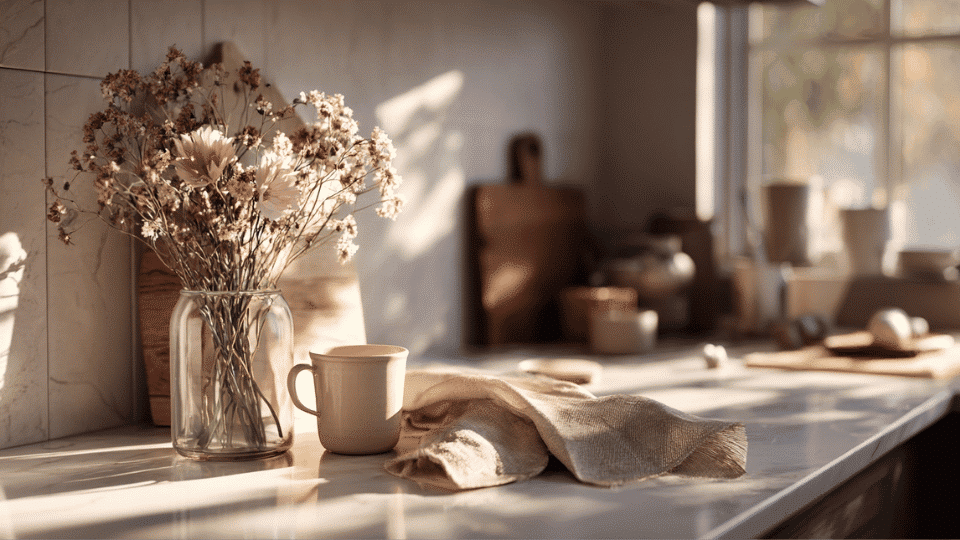
Your home is where most of your life actually happens. So it makes sense to think about how it feels. You don’t need to redecorate or spend a lot.
12. Create Ambiance at Home
Ambiance is just the feeling a space gives you, and you have more control over it than you think. Swap harsh overhead lights for lamps.
Light a candle in the evening. Put on soft background music. These tiny shifts change how a room feels entirely. Your home should feel like a place where you decompress, not just a place you return to.
13. Buy Yourself Flowers
You don’t need someone else to bring you flowers. Pick up a small bunch next time you’re at the market, or try putting together your own floral arrangement at home for something more personal and creative.
Put them somewhere you’ll actually see them: your desk, the kitchen counter, the bathroom. Fresh flowers make a space feel cared for. And buying them for yourself is a quiet but meaningful way of saying your everyday environment deserves to look and feel nice.
14. Create a “Cozy Corner” at Home
Pick one spot in your home and make it yours. A comfortable chair, a soft blanket, good lighting, and a small table for your drink. That’s really all it takes.
Having a dedicated space to read, think, or sit quietly gives you somewhere to retreat. It doesn’t need to be big. It just needs to feel good.
15. Make Your Workspace Beautiful
You spend a lot of time at your desk, so it should feel like more than just a functional surface. Add a plant, a candle, or a small object that makes you happy.
Keep it clean and organized. When your workspace feels good, you feel better while working in it. And that small shift in environment can actually make you more focused and less drained.
16. Declutter and Curate Your Space
Clutter creates low-level stress, even when you stop noticing it. Go through your space and remove what you don’t use or love.
Then bring in things that actually mean something to you: a favorite print, a book you return to, an object from a trip. A curated space feels intentional. And living in a space that reflects you is one of the quieter forms of self-respect.
17. Keep a “Beautiful Moments” Photo Album
Not everything needs to go on social media. Print a few of your favorite photos and put them somewhere visible, or keep a small album you can flip through.
Pictures of meals, places, people, and everyday moments remind you that your life genuinely has good things. It’s a simple habit, but it makes your daily surroundings feel warmer and more personal.
18. Create Seasonal Rituals
Let your home change with the seasons. Swap out a throw blanket, bring in autumn-scented candles, or put up something that marks the time of year.
Seasonal rituals give you small things to look forward to and make life feel like it has a natural rhythm. It’s a low-effort way to keep your space feeling fresh and your days feeling purposeful.
19. Light Incense or a Diffuser
Scent is one of the most underused tools for changing how a space feels. A diffuser with eucalyptus or lavender, or a stick of incense in the evening, can immediately shift the energy in a room.
It signals to your brain that it’s time to slow down or focus. Pick a scent you love and use it consistently so it starts to feel like your own signature atmosphere.
Your home doesn’t need to look like a magazine to feel beautiful. It just needs to feel like you. When you take time to build an environment that reflects what you love, coming home starts to feel like something you actually look forward to.
Creative Ways to Add Joy and Beauty to Everyday Life
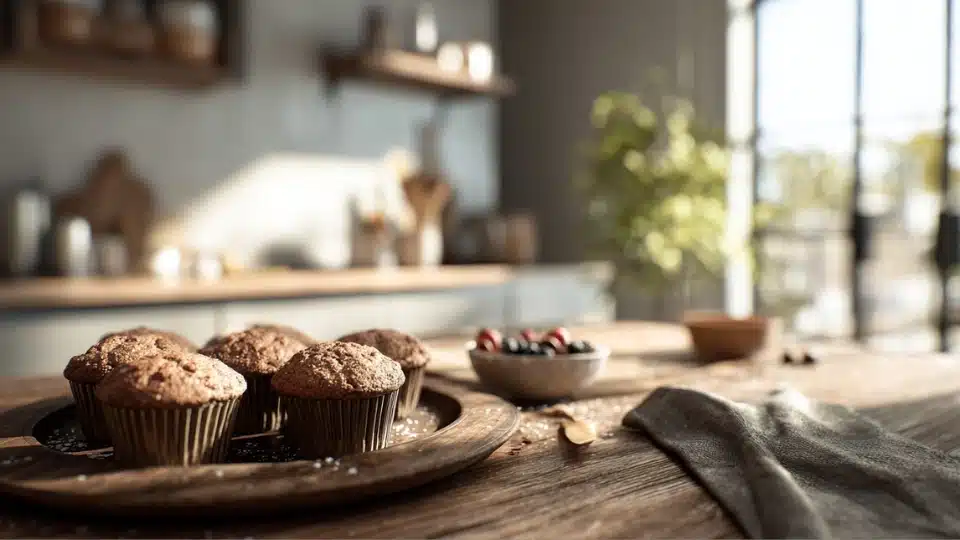
Joy doesn’t always come from big events or major changes. A lot of it is hiding in the smaller, quieter parts of your day. You just have to be willing to add a little intention to the things you’re already doing.
20. Make Meals an Experience
Stop eating in front of a screen every single time. Set the table properly, use the nice plates, and actually sit with your food. On slower evenings, trying a new comfort recipe makes this even easier to look forward to.
When you treat eating as something worth your attention, it becomes one of the most grounding parts of your day instead of just another thing you get through.
21. Learn a New Recipe Each Month
You don’t need to become a chef. Just pick one new recipe a month and actually make it. It gives you something to look forward to, something to focus on, and a small sense of achievement when it works out.
Cooking something new also breaks the monotony of routine and adds a creative outlet to a task you’re doing anyway.
22. Visit a Farmer’s Market
Farmer’s markets have a different energy from regular grocery shopping. They’re slower, more sensory, and genuinely enjoyable to walk through. Pick up something you wouldn’t normally buy, a new vegetable, a local jam, or fresh bread.
It turns a weekly errand into something that actually feels like an experience. And supporting small vendors makes it feel even better.
23. Try a New Café Alone
Going somewhere new by yourself sounds intimidating, but it’s one of the nicest things you can do for yourself. Find a café you’ve never been to, order something good, and just sit.
Bring a book or just watch the room. Solo café time has a way of making you feel more comfortable in your own company, and that’s a genuinely useful thing to build.
24. Practice a Slow Hobby
Slow hobbies are ones that require your hands and your attention without demanding perfection. Knitting, painting, baking, sketching- anything that pulls you into the process.
They give your mind a break from overthinking and your day a creative outlet. You don’t need to be good at it. You just need to enjoy the doing it, and that’s enough.
25. Write Letters to Friends
Not texts. Actual letters, or even long, thoughtful emails. Writing to someone you care about slows you down in the best way. It makes you reflect on what’s been happening and what you actually want to say.
And receiving something personal back feels completely different from a quick message. It’s a small habit that deepens your connections and adds real warmth to your week.
26. Read Physical Books
There’s something about holding a physical book that a screen just doesn’t replicate. The weight of it, the pages, the focus it requires. Reading a real book pulls you fully away from notifications and noise.
It’s one of the most effective ways to be present without trying too hard. Even twenty minutes before bed makes a noticeable difference in how settled your evenings feel.
27. Re-read a Favorite Book
Re-reading a book you love is underrated. You catch things you missed the first time, and you get to revisit something that already made you feel something. It’s comforting in a way that something new isn’t.
Pick a book that meant something to you and give it another read. Sometimes the familiar is exactly what you need, and there’s nothing wrong with that.
28. Learn One New Word a Day
This one sounds small, and it is. But learning one new word daily sharpens the way you think and express yourself over time. Use a word-of-the-day app or just keep a small notebook.
Try to use the word naturally during the day. It’s a tiny habit, but it adds a quiet layer of growth to your routine without much effort.
29. Call a Loved One for No Reason
Not to update them, not to ask for something. Just to talk. Pick up the phone and call someone you care about simply because you want to hear their voice. These kinds of calls feel different from the ones with a purpose.
They remind you and the other person that the relationship matters beyond logistics. And they leave you feeling connected in a way a message never quite does.
None of these requires much time or money. But together, they build a life that feels textured and full. Romanticizing life’s meaning isn’t about performing joy for anyone else.
Little Rituals People Swear By for a Happier Life
People suggest lots of ways to make everyday life feel a bit more special. You could start with small rituals, like slipping into a cozy robe, lighting a few candles, or jotting down what you’re grateful for.
Others recommend slowing down, taking intentional walks, watching the sunset, or noticing little beautiful details around you.
Some add extra joy with music, favorite scents, or snapping photos of moments that make them happy. Even chores can feel more meaningful if you approach them with care.
The Psychology Behind Romanticizing Your Life
Your brain is wired to focus on problems. It’s a survival instinct, but in everyday life, it means you naturally notice what’s wrong before what’s right.
Romanticizing your life works because it actively trains your brain to do the opposite. When you consistently look for beauty in small moments, you strengthen neural pathways connected to positivity and gratitude.
Over time, this becomes your default way of seeing. Psychologists call this a negativity bias shift. You’re not ignoring reality. You’re choosing where to direct your attention, and that choice quietly shapes how your entire life feels.
Tips for Long‑Term Practice
Starting is the easy part. Keeping it going is where most people lose momentum. These tips will help you make romanticizing your life a lasting habit, not just a phase.
- Start with just one or two changes. Trying to shift everything at once leads to burnout. Pick what feels most natural and build from there.
- Don’t aim for perfection. Some days will feel flat, and that’s fine. Consistency matters more than doing it flawlessly every time.
- Revisit your habits regularly. What works in one season of life might not work in another. Adjust as you go.
- Keep it personal. What romanticizes life for you won’t look the same as it does for someone else, and it doesn’t need to.
This isn’t a practice you finish. It grows with you. The longer you stick with it, the more naturally it becomes just how you live.
Final Thoughts
You already have everything you need to start. Life doesn’t need to look different; it needs to feel different, and that shift begins with small, deliberate choices.
When you commit to learning how to romanticize your life, you’re not chasing a fantasy. You’re building a genuine connection with your own days, one small moment at a time.
The coffee, the walk, the candle, the phone call. It all counts. Start today. Pick one thing from this blog and actually do it. Your everyday life is worth showing up for.
Frequently Asked Questions
Is Romanticizing Life the Same As Toxic Positivity?
No. Romanticizing life is noticing and enjoying small moments, while toxic positivity ignores real problems.
Can Romanticizing Life Improve Mental Health?
Yes. Paying attention to small joys can boost mood, reduce stress, and increase contentment.
How to Start Romanticizing My Life Right Now?
Start with a simple habit: light a candle, take a mindful walk, or slowly enjoy a favorite drink.



One Response