

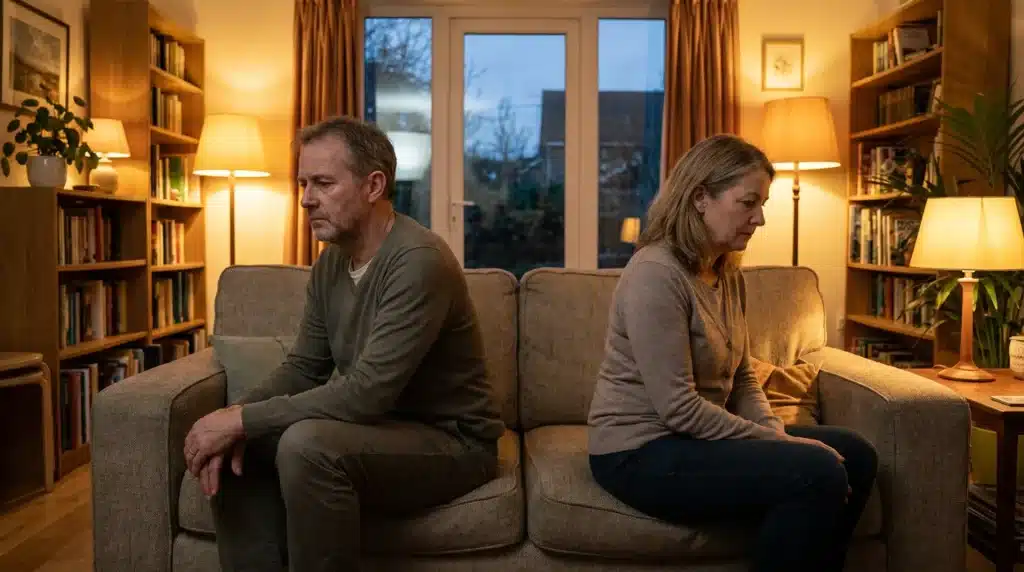
A toxic marriage does not always begin with big fights or obvious problems. Sometimes it starts with small changes, like feeling unheard, feeling emotionally tired, or feeling nervous about speaking honestly to your partner.
I think many people ignore these signs at first because they hope things will improve with time.
But when criticism, manipulation, disrespect, or emotional distance become part of daily life, the relationship can slowly affect mental and emotional health.
Understanding the warning signs is important because unhealthy patterns rarely disappear on their own. Recognizing them early can help people make healthier decisions for themselves and their future relationships.
What is a Toxic Marriage?
Every marriage has arguments, stressful seasons, and moments where communication breaks down.
That alone does not make a relationship toxic. A toxic marriage is different because the unhealthy behavior becomes constant and starts affecting a person’s emotional well-being.
There may be ongoing criticism, manipulation, disrespect, control, or a lack of emotional safety.
Over time, one or both partners can feel anxious, exhausted, or unheard in the relationship. Many toxic marriages also fall into repeating patterns.
A fight happens, feelings get hurt, apologies may follow, and then the same problems return again. When these cycles continue without real change, the relationship can slowly become emotionally draining for both people.
How to Know if Your Marriage is Toxic?
Sometimes, unhealthy relationships become normalized over time, making the warning signs harder to notice. Toxic marriages are often built on repeated emotional pain, poor communication, and unhealthy behavior patterns.
- Constant Criticism or Blame: One partner is regularly blamed, judged, or spoken to harshly, even over small issues.
- Lack of Trust and Respect: Privacy, boundaries, and feelings are ignored, leading to disrespect and ongoing suspicion.
- Feeling Emotionally Drained: Instead of feeling supported, one or both partners feel anxious, exhausted, or emotionally overwhelmed.
- Walking on Eggshells and Controlling Behavior: Fear of arguments may stop honest communication, while one partner tries to control decisions, money, or relationships.
- Manipulation and Repeated Emotional Hurt: Guilt-tripping, silent treatment, and unresolved arguments create the same painful cycle again and again.
A toxic marriage does not always look unhealthy from the outside. Many people hide their struggles for years before realizing how deeply the relationship is affecting their mental and emotional health.
Common Signs of a Toxic Wife or Toxic Husband

Toxic behavior in marriage is not always obvious in the beginning. Many unhealthy patterns slowly grow over time and begin to affect trust, communication, and emotional safety.
1. Constant Criticism or Put-Downs
In a toxic marriage, criticism becomes frequent and personal instead of helpful. One spouse may mock, shame, or constantly point out flaws during normal conversations.
Over time, this damages confidence and emotional connection. Research in marital psychology has found that ongoing criticism is strongly linked to unhealthy and unhappy marriages.
2. Walking on Eggshells Around Your Spouse
Many people in toxic marriages feel afraid to say the wrong thing. They avoid honest conversations because they fear anger, criticism, or another argument.
Even simple discussions can feel stressful. This constant tension often leaves one partner emotionally exhausted and unable to fully relax around their spouse.
3. Silent Treatment After Disagreements
The silent treatment can become emotionally damaging when it happens often.
Instead of resolving problems through healthy communication, one spouse may completely ignore the other after an argument.
This creates emotional distance and confusion. Over time, unresolved issues continue building because communication keeps getting shut down rather than repaired through deeper conversations.
4. Frequent Yelling or Hostile Arguments
Arguments happen in every marriage, but constant yelling creates fear and emotional stress inside the home. Small disagreements may quickly turn into hostile fights filled with insults, blame, or anger.
After a while, communication stops feeling safe or productive. Studies on marital conflict have shown that frequent hostile arguments can increase stress levels and negatively affect both emotional and physical health over time.
5. Emotional Manipulation or Guilt-Tripping
Emotional manipulation happens when one partner uses guilt, blame, or pressure to control situations.
A spouse may twist conversations or make the other person feel responsible for every problem. In some marriages, affection is only shown when one partner gets their way.
Research links emotional manipulation to lower self-esteem and emotional stress.
6. Excessive Jealousy and Possessiveness
Jealousy becomes toxic when it turns into control and constant suspicion. A spouse may question harmless interactions, monitor activities, or become upset about time spent with others.
Instead of building trust, the relationship becomes centered around fear and insecurity, which slowly damages emotional closeness and comfort in the marriage.
7. Lack of Trust in the Relationship
Trust is necessary for a healthy marriage. In toxic relationships, partners may constantly doubt each other, hide things, or assume the worst during conflicts.
This creates emotional distance and ongoing tension. Without honest communication and an effort to rebuild trust, the relationship can start to feel unstable and emotionally draining.
8. Public Disrespect or Humiliation
A toxic spouse may embarrass their partner through sarcastic comments, insults, or disrespectful behavior in front of others.
Even jokes can feel hurtful when they are meant to shame or belittle someone publicly. Over time, repeated humiliation can damage emotional safety and make a person feel unsupported in the marriage.
9. Refusing to Take Accountability
In toxic marriages, one partner never admits when they are wrong. Instead of apologizing, they make excuses, deny, justify, or shift blame.
BYU research shows defensiveness is linked to divorce, while taking an accurate amount of accountability is the antidote. Couples who take responsibility for mistakes communicate better and solve conflicts more peacefully.
10. Controlling Finances or Major Decisions
Control in marriage can sometimes appear through money or important life choices. One spouse may limit access to finances, make major decisions alone, or use money to control the relationship.
Over time, this creates imbalance and emotional stress. A healthy marriage should allow both partners to feel respected and included in important decisions that affect their lives together.
11. Constant Blame-Shifting During Conflicts
Blame-shifting happens when one partner avoids responsibility by turning every problem back on the other person. Even small disagreements may end with one spouse being blamed for everything.
This creates frustration and emotional exhaustion over time. Instead of solving problems together, conflicts become a cycle where healthy communication and understanding slowly disappear from the relationship.
12. Feeling Emotionally Drained After Interactions
A toxic marriage can leave someone feeling mentally and emotionally exhausted after simple conversations or daily interactions.
Instead of feeling supported or comforted, they may feel anxious, stressed, or emotionally heavy around their spouse. Over time, even normal discussions can start feeling draining.
The relationship no longer feels emotionally safe or peaceful.
13. Using Affection as Punishment or Reward
In some toxic marriages, love and affection are only shown when one partner gets their way.
A spouse may suddenly become cold, distant, or emotionally unavailable after disagreements. This behavior can create confusion and insecurity in the relationship.
Healthy affection should not be used as a tool for control, punishment, or emotional pressure during conflicts.
14. Dismissing Your Feelings or Concerns
A toxic spouse may ignore, mock, or minimize the other person’s feelings during conversations or arguments. Instead of listening with care, they may say things like “you are overreacting” or “it’s not a big deal.”
Over time, this behavior can make someone feel emotionally unsupported and afraid to speak honestly about their thoughts or emotions.
15. Isolation From Friends or Family
Isolation can happen slowly in toxic relationships. One spouse may discourage time with loved ones, complain about outside relationships, or create tension whenever family and friends are involved.
Over time, the person may become emotionally dependent and disconnected from their support system.
Isolation is often seen as a common unhealthy relationship pattern in emotionally toxic marriages.
16. Threats, Intimidation, or Fear-Based Behavior
Fear should never be part of a healthy marriage. In toxic relationships, one partner may use threats, anger, intimidation, or aggressive behavior to control situations.
Even without physical violence, constant fear can deeply affect emotional health. NIH-funded research has linked dominance and intimidation to suicidal ideation, even when physical violence is absent.
17. Repeated Dishonesty or Secrecy
Trust becomes difficult when dishonesty keeps happening in a marriage. One spouse may hide information, lie about important matters, or keep secrets that damage emotional security.
Over time, repeated dishonesty creates distance and suspicion between partners. Without honesty and openness, the relationship becomes harder to feel stable, safe, and emotionally connected.
18. Lack of Emotional Support During Difficult Times
Marriage should feel supportive during stressful or painful moments. In toxic relationships, one partner may ignore the other’s struggles, show little empathy, or make difficult situations feel worse.
Emotional support becomes limited or completely absent.
Over time, this can leave someone feeling alone in the relationship, even when they are sharing the same home together, and taking care of themselves first no longer feels like an option.
19. One-Sided Effort in the Marriage
Healthy marriages require effort from both people. In toxic relationships, one partner may carry most of the emotional, mental, or practical responsibilities alone.
They may constantly try to fix problems while the other person shows little interest in improving the relationship. Over time, this imbalance can create resentment, exhaustion, and feelings of emotional loneliness.
What Causes a Toxic Marriage?

Toxic marriages usually develop slowly over time. Unresolved trauma and painful past experiences can affect communication. They can also affect how couples handle conflict. Unhealthy relationship patterns may create emotional distance over time.
Poor communication often leads to blame and misunderstandings. Financial stress can create tension in the relationship. Addiction, anger issues, and controlling behavior may also damage the marriage.
Broken trust after infidelity is another common cause of emotional pain.
Emotional neglect can also become a serious problem. One or both partners may stop feeling heard or supported. Over time, the marriage can slowly become emotionally unhealthy for both people.
Can a Toxic Marriage Be Fixed?
Some toxic marriages can improve, but real change usually takes effort from both partners.
The relationship may slowly become healthier when both people acknowledge the problem, communicate openly, and show a genuine willingness to change harmful behaviors.
Marriage counseling or therapy can also help couples rebuild a damaged relationship and improve communication over time. At the same time, not every toxic marriage can or should be saved.
Emotional abuse, physical violence, repeated manipulation, fear, and intimidation are serious warning signs.
A marriage may also become difficult to repair when one partner refuses to take responsibility or make any effort to change. In these situations, protecting emotional and physical well-being becomes the most important priority.
How to Deal with a Toxic Marriage?

Dealing with a toxic marriage can feel emotionally exhausting and confusing. Many people stay stuck because they hope things will improve or fear making the wrong decision.
- Set Healthy Emotional Boundaries: Do not allow constant disrespect, manipulation, or hurtful behavior to become normal in the relationship.
- Avoid Destructive Arguments: Step away from conversations that become hostile, aggressive, or emotionally damaging, rather than continuing the conflict.
- Keep Track of Unhealthy Patterns: Pay attention to recurring behaviors such as blame, dishonesty, manipulation, or emotional neglect.
- Reconnect with Support Systems: Spend time with trusted friends, family, or others who offer emotional support and an honest perspective.
- Focus on Long-Term Emotional Safety: Consider individual therapy, couples counseling, or making a future plan if the relationship continues affecting mental and emotional health.
Some marriages improve with effort and professional help, while others may remain unhealthy despite repeated attempts to fix them. Protecting emotional and physical well-being should always remain a priority.
The Ending Note
Living in a toxic marriage can leave a person feeling emotionally exhausted, isolated, and unsure about what to do next. While some relationships improve through honest communication, effort, and counseling, others continue causing emotional harm over time.
No one deserves to feel constantly disrespected, controlled, or emotionally unsafe in their marriage.
I believe recognizing unhealthy patterns is one of the first steps toward protecting emotional well-being and building healthier relationships in the future.
Every situation is different, and taking time to reflect honestly can bring more clarity.
If you have experienced a toxic marriage, feel free to share your thoughts or experiences in the comments below.
Frequently Asked Questions
How Long Does it Take to Recover From a Toxic Marriage?
Recovery typically takes anywhere from six months to two years, depending on the length of the marriage, the severity of the toxicity, and whether you attend therapy.
When Should I Give Up on a Toxic Marriage?
You should consider giving up when you have clearly communicated your needs multiple times, yet your spouse refuses to acknowledge the problem or seek any form of help.
What is Trauma Bonding in a Toxic Marriage?
Trauma bonding is a psychological attachment that forms when a person experiences repeated cycles of abuse followed by intermittent kindness or affection from the same partner.