

Planning a wedding sounds exciting until the details start piling up. The venue, the guest list, the catering, the flowers. Suddenly, it feels like a full-time job.
That’s exactly why having a solid wedding planning checklist matters. It keeps you focused, cuts through the noise, and makes sure nothing important slips through the cracks.
Every deadline, every vendor, every decision gets its own place. No second-guessing. No last-minute panic.
Every stage of wedding planning is covered here, so you stay ahead of the chaos right from day one. Because a dream wedding doesn’t happen by accident.
Why You Need a Wedding Planning Checklist
A wedding is not something you can wing. There are deposits to pay, appointments to book, and deadlines that sneak up faster than you expect. Without structure, small things fall through the cracks, and big things get forgotten.
A wedding planning checklist brings order to it all. It tells you what to do, what’s done, and what still needs attention. So nothing catches you off guard.
It also makes it easier to communicate with family members or a partner, because everyone can see the same plan. Less confusion, fewer missed steps, and a lot less stress along the way.
How to Use This Wedding Planning Checklist
Before you jump in, read through the full checklist once. That way, you know what’s ahead and can start planning instead of reacting.
- Start from the top: Work through tasks in order, since each stage builds on the one before.
- Set a weekly check-in: Dedicate time each week to review and tick off what’s done.
- Assign tasks: Divide items with your planner or a close friend to keep the workload balanced.
- Adjust to your timeline: Every wedding is different, so move things around to match your schedule.
- Track your budget alongside it: Note costs as you go to avoid surprises later.
Keep it somewhere easy to access, like your phone or a shared folder. The simpler it is to open and check, the more you’ll actually use it.
12 Months Before the Wedding
This is where everything begins. The decisions you make at this stage set the tone for the rest of your planning, so take them seriously and give yourself enough time to think them through.
- Announce engagement and celebrate: Share the news with family and close friends first, then take a moment to enjoy it before the planning mode kicks in.
- Set budget and financing plan: Decide on a total number and figure out who is contributing what, because every other decision will flow from this one.
- Draft the guest list and wedding website: Start with a rough guest count and build a simple website to keep everyone informed as details come together.
- Choose a wedding date and season: Consider weather, holidays, and travel convenience for guests before locking in a date.
- Book venue for ceremony and reception: Popular venues book out fast, so shortlist your options early and visit them in person before deciding.
- Secure wedding planner or coordinator: Having someone experienced in your corner from the start saves a lot of back-and-forth and costly mistakes.
- Research and book key vendors: Your photographer, caterer, and entertainment are in high demand. Get these sorted early so you are not left scrambling.
These early steps might feel like a lot at once, but they form the backbone of your entire wedding plan. Nail this stage and the rest of the process becomes a whole lot smoother.
9–10 Months Before
You have got the big pieces in place, and now it’s time to fill in the details. This stage is about locking things in before availability gets tight and your options start narrowing.
- Finalize vendor bookings: Confirm your caterer, florist, DJ or band, and videographer. Follow up on signed contracts and deposits to ensure everything is officially secured.
- Start dress shopping: Give yourself plenty of time for ordering and alterations, since bridal gowns can take months to arrive after you place an order.
- Set dress-fitting deadlines: Map out fitting appointments in advance to avoid rushing as the wedding date gets closer.
- Reserve hotel room blocks for guests: Reach out to nearby hotels and block off rooms early, especially if many guests are traveling from out of town.
- Outline ceremony structure and officiant details: Decide on the flow of your ceremony and connect with your officiant to align on readings, vows, and timing.
- Choose your wedding party: Finalize who will stand by your side and let them know early so they can plan accordingly.
- Send save-the-dates: Get these out now so guests can arrange travel, book time off, and mark their calendars without any last-minute conflicts.
With this stage wrapped up, you’ve made most of your major decisions. The next few months shift toward the finer details, and having these tasks checked off gives you real breathing room to enjoy the process.
6–8 Months Before
The big bookings are done, and now the planning gets more personal. This stage is when your wedding starts to take on a real look and feel, from the flowers to the food to what everyone will wear.
- Order invitations and stationery: Finalize your wording, design, and quantities before placing the order, since printing takes time and corrections cost extra.
- Plan décor, seating concepts, and rentals: Start visualizing how your venue will look and reach out to rental companies for chairs, linens, and draping options. Locking in arch and backdrop styles at this stage gives your florist and rental team enough time to source the right pieces.
- Taste menu with your caterer: Schedule a tasting session to confirm the food selections and make any changes before the final menu gets locked in.
- Confirm floral design and décor specifics: Sit down with your florist to finalize the design concept, flower choices, color palette, and placement details.
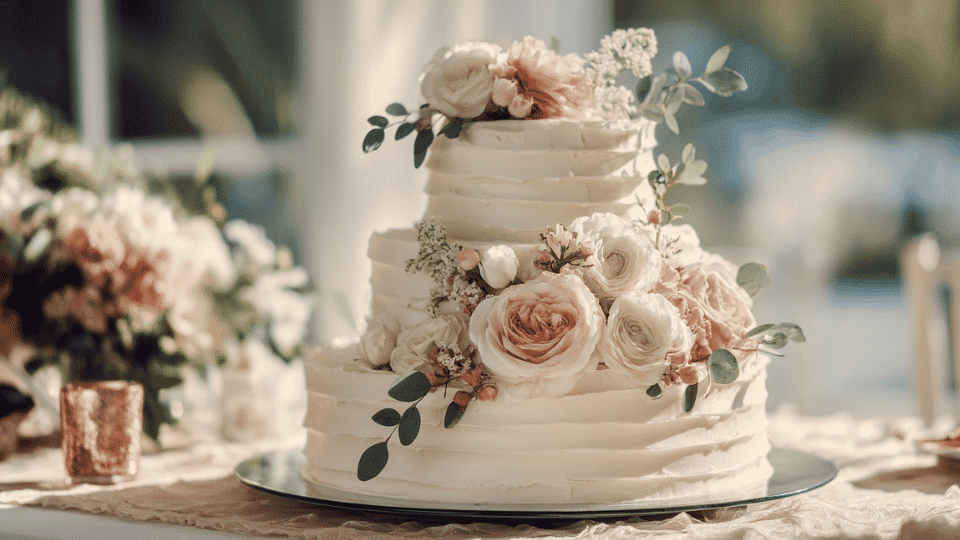
- Schedule wedding cake tastings: Book a tasting with your cake baker, try a few flavors, and settle on a design that fits your overall wedding style.
- Connect with lighting and rental companies: Discuss lighting setups and confirm the rental inventory so your venue looks exactly as you pictured.
- Choose bridesmaid and groomsmen attire: Lock in the styles, colors, and sizes and give the wedding party clear guidance on where to order and by when.
- Start planning your honeymoon: Research destinations, check passport validity, and begin booking flights and accommodation while good deals are still available.
- Build your wedding registry: Create a range of options to suit budgets so guests have plenty of thoughtful choices.
- Plan ceremony details: Think through the order of events, music, readings, and any personal touches you want woven into the ceremony.
This stage covers a lot of ground, but it is also where your wedding really starts coming to life. Take it one task at a time, and you will get through it without feeling like everything is happening at once.
4–5 Months Before
You are past the halfway point now, and the focus shifts to confirming, refining, and getting the finer details in order. Most of your big decisions are made, so this stage is about making sure everything lines up the way you planned.
- Finalize music playlists and ceremony flow: Work with your DJ or band to lock in the songs for each part of the day, from the processional to the last dance, so there are no surprises on the day.
- Book hair and makeup trials: Schedule trial appointments well before the wedding so you have time to make changes if something does not look the way you expected.
- Confirm transportation logistics: Arrange vehicles for the wedding party and plan pickup times, routes, and drop-off points to ensure the day runs smoothly.
- Select and order your wedding cake: After your tastings, decide on the flavor, size, and design, and place the official order with your baker.
- Update your wedding website: Add finalized details, including the venue address, schedule, dress code, and any travel or accommodation information guests may need.
- Finalize menu and catering details: Go over the confirmed menu with your caterer, sort out dietary requirements, and make sure service timings are clearly agreed upon.
- Plan wedding party gifts: Start thinking about meaningful gifts for your bridesmaids, groomsmen, and anyone else who has played a big role in your wedding journey.
- Begin pre-marital counseling: If you and your partner want to do this, now is a good time to start so sessions wrap up comfortably before the wedding.
- Schedule your wedding photoshoot: Whether it is an engagement shoot or a pre-wedding session, book it now and align on locations, outfits, and timing with your photographer.
Getting through this list means you are well ahead of most couples at this stage. The next few months are about finalizing rather than deciding, and that is a much lighter place to be in.
2–3 Months Before
Things are getting real now. The wedding is close enough to feel exciting and close enough to demand your full attention. This stage is about tying up loose ends and ensuring everyone and every plan is confirmed and ready to go.
- Send invitations and track RSVPs: Get invitations out promptly and set a clear RSVP deadline to ensure an accurate headcount for your venue and caterer.
- Finalize the seating chart: Once RSVPs come in, start mapping the seating arrangement and leave some flexibility for last-minute changes.
- Confirm all vendor details: Reach out to each vendor to review arrival times, setup requirements, and any outstanding payments to ensure there are no loose ends.
- Purchase gifts for the wedding party: If you planned what to give in the last stage, now is the time to actually buy, wrap, and set them aside for the rehearsal or wedding day.
- Apply for your marriage license: Check the requirements in your area early, since processing times vary, and avoid a last-minute rush.
- Schedule dress fittings and alterations: Book your final fitting appointments now so your outfit is ready well before the wedding week begins.
- Plan the rehearsal dinner: Lock in the venue, guest list, and menu, and send out the details to everyone who needs to be there.
- Create your wedding day timeline: Build a detailed schedule covering every moment of the day, from getting ready in the morning through your evening reception, so everything is planned, and nothing is left to chance.
With this stage complete, you are in a really strong position. Most of the heavy lifting is behind you, and what is left is mostly confirming, collecting, and counting down.
1 Month Before
You are almost there. This month is about wrapping up the remaining tasks and ensuring everything is exactly where it needs to be. Stay focused, work through the list, and trust the groundwork you have already laid.
- Follow up on RSVPs: Chase any guests who haven’t responded yet and lock in your final headcount so your venue and caterer have accurate numbers.
- Create your seating chart: With confirmed guest numbers now in hand, finalize the seating arrangement and double-check that every table is accounted for.
- Prepare a wedding-day emergency kit: Pack a small bag with essentials like safety pins, pain relievers, stain remover, blotting paper, and a sewing kit for anything unexpected.
- Finalize ceremony script and readings: Go over the full ceremony script with your officiant and confirm that all readings, vows, and spoken parts are exactly as you want them.
- Print programs, menus, and place cards: Get everything printed and proofread carefully before finalizing, since small errors are easy to miss and costly to reprint.
- Prepare vendor payments and tips: Organize envelopes with the correct amounts for each vendor and designate a trusted person to handle distributions on the wedding day.
- Attend your final dress fitting: Try on your outfit one last time with all your accessories to make sure everything fits perfectly, and nothing needs a last-minute fix.
- Complete beauty trials: Do a final run-through of your hair and makeup look, so you feel confident and comfortable with the results before the actual day.
- Photograph your trial results: Take clear photos of your hair and makeup look from multiple angles so your stylist has an exact reference to work from on the wedding day.
- Break in your wedding shoes: Wear your shoes around the house for short stretches each day so your feet adjust before you spend a full day in them.
One month out, and your wedding planning checklist is nearly done. Everything from here is about staying calm, confirming the small stuff, and letting yourself actually look forward to the day you have been building toward.
1–2 Weeks Before
The checklist is almost fully checked off. These final days are less about doing and more about confirming, delegating, and giving yourself space to breathe before the big day arrives.
- Reconfirm headcount and vendor arrival times: Send a quick message to each vendor with final guest numbers and a clear timeline so everyone shows up at the right place at the right time.
- Pack your honeymoon bag: Set aside dedicated time to pack so nothing gets forgotten amid the wedding-week rush. Keep travel documents, bookings, and essentials all in one place.
- Walk through the venue timeline: Do a physical walkthrough with your planner or coordinator and go over every detail from setup to the final send-off so the day flows without confusion.
- Delegate day-of tasks to family or planner: Write out a clear task list and hand responsibilities to people you trust, because trying to manage everything yourself on the wedding day is not realistic.
- Prioritize self-care and rest: Sleep well, eat properly, and step away from the planning when you can. You will show up feeling your best when you have actually taken care of yourself leading up to it.
This is the final stretch of your wedding planning checklist. The hard work is done, the plans are set, and all that is left is to be present, enjoy every moment, and let the day unfold exactly as you planned it.
The Day Before the Wedding
Tomorrow is the day. Not much is left to do, and that is exactly the point. Keep today light, simple, and intentional.
- Pick up your dress, rings, and any rentals: Collect everything you need in hand before the wedding day, and double-check that nothing is missing or damaged.
- Confirm all vendor arrival times one last time: Send a brief message to each vendor to confirm tomorrow’s schedule, since a quick check now saves a lot of stress in the morning.
- Get a good night’s sleep: Put the phone down, step away from the to-do list, and rest. Tomorrow needs the best version of you, and that starts tonight.
That is all for today. The planning is behind you, every detail is handled, and tomorrow is simply yours to experience and enjoy.
Wedding Day Tasks
Today is not a day for checklists; it is a day for celebrating. But having a loose structure in place means you can be fully present without worrying about what comes next.
- Arrival and setup schedule: Make sure you and your wedding party know exactly when and where to be so the day starts on time and without any scrambling.
- Ceremony checklist: Run through the key moments, processional order, ring exchange, vows, and the final recessional, so everyone involved knows their role and the flow stays smooth.
- Reception milestones: Track key moments like the first dance, toasts, cake cutting, and the bouquet toss so your coordinator or planner can cue each at the right time.
- Vendor payments and gratuities: Have your designated person distribute the pre-prepared envelopes to each vendor at the agreed time, so you never have to worry about it.
- Guest management support: Assign a trusted person to help guests with seating, answer questions, and handle any small hiccups so your attention stays on the celebration.
- Enjoy every moment: Put the planning brain aside. Look around, take it all in, and be present with the people who showed up to celebrate you.
The wedding day moves fast, much faster than you expect. Let the people around you handle the logistics and give yourself full permission to simply be there for every single moment of it.
Click here to download the full checklist for free.
After the Wedding: Things to Do Before Closing the Chapter
The wedding is over, but there are still a few things worth taking care of before you fully switch off. None of them are urgent, but handling them early saves you from a long to-do list later.
- Send handwritten thank-you notes to guests and vendors who made the day special.
- Return all rented items on time to avoid late fees or other charges.
- Get your wedding dress professionally cleaned and stored before any stains set in.
- Leave honest reviews for your vendors so other couples can plan with confidence.
- Back up all wedding photos and videos to a secure cloud folder or external drive.
- Start the legal name change process with your government ID first, then move on to the rest.
- Update your bank accounts, insurance policies, and shared subscriptions with your current details.
These final steps are simple but easy to put off. Work through them one by one, and you can close this chapter feeling completely settled.
Final Thoughts
A wedding has a lot of pieces, and keeping track of all of them on your own is genuinely hard. But with a solid wedding planning checklist guiding each stage, nothing falls through the cracks.
Every task has its place, every deadline has its purpose, and every decision gets made at the right time. Start early, work through it steadily, and trust the process.
Your dream wedding is absolutely within reach. Ready to get started? Save this checklist, share it with your partner, and take it one step at a time.
Frequently Asked Questions
How Far in Advance Should I Start Planning?
Start planning at least 12 months before the wedding to secure venues, vendors, and key details.
Can I Plan a Wedding in Less Than 6 Months?
Yes, but be ready to prioritize essential vendors and accept limited availability for venues and services.
What’s the Essential Order of Vendor Bookings?
Book the venue first, then the photographer, caterer, entertainment, and finally the florist and other details.