

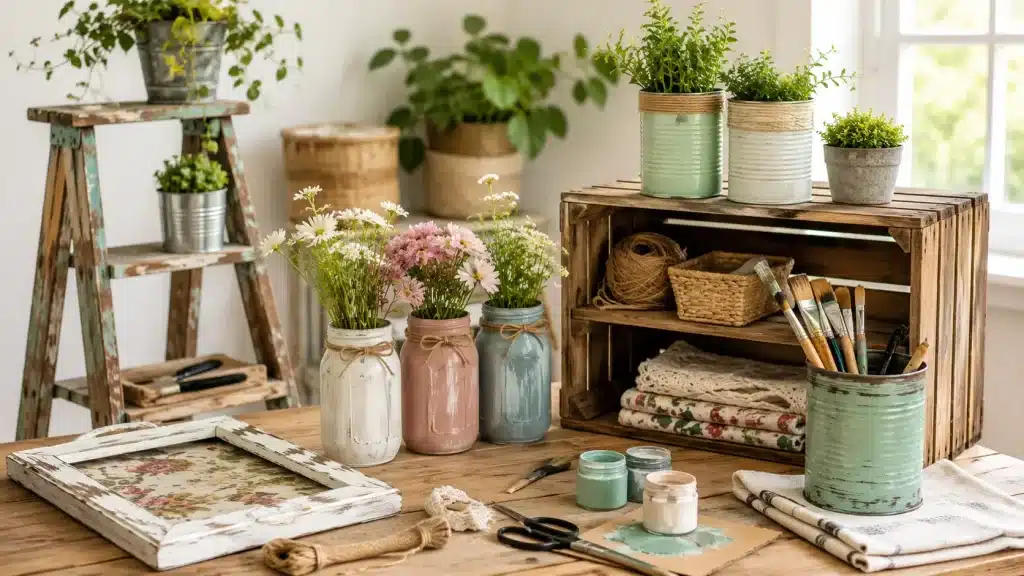
Things that end up in the garbage may hold much more value than one realizes. Outdated furniture, scraps of art materials, or household items no longer in use can be repurposed into something useful, pretty, or entirely new.
I’ve turned forgotten items around my home into useful decor and handmade pieces by giving old materials a second purpose.
In this collection of trash-to-treasure ideas, I’ve grouped projects by category so you can quickly find inspiration based on what you already have, from furniture and kitchen items to fabric, cardboard, and everyday scraps.
Each idea includes a simple starting point to help you bring discarded items back to life.
What Counts As “Trash to Treasure” (And Why It’s Worth Trying)
Trash to treasure means turning items you no longer need into something useful or decorative instead of throwing them away. It’s not about simply buying secondhand pieces or selling old items as-is.
The real transformation comes from changing an item’s purpose, look, or function through painting, repairing, rebuilding, or adding a creative touch.
It seems that most successful projects begin with objects that go unnoticed by many, such as old drawers, bottles, fabric scraps, or used furniture. Apart from saving money, this type of work helps lower pollution levels.
According to the U.S. Environmental Protection Agency, the annual amount of municipal solid waste produced in the USA is estimated at almost 292 million tons, much of which goes directly into landfills.
Where To Find The Best “Trash” Before It Hits The Bin
You don’t need to search far for materials. Many trash-to-treasure projects begin with items already around you or things others no longer want, especially when you enjoy finding creative projects you can make at home.
- Your Home: Check garages, closets, and junk drawers for forgotten furniture, jars, fabric, and storage pieces.
- Curbside Finds: Look for discarded wood furniture or decor pieces before pickup day, but follow local rules.
- Thrift Stores and Yard Sales: Find sturdy items that need only a fresh coat of paint or small repairs.
- Renovation Leftovers: Ask first, but leftover wood, doors, and trim can become great DIY materials.
- Buy Nothing Groups: Pick up free items from neighbors who no longer need them.
Furniture Makeovers Worth Saving From The Curb
Another good example is furniture; this category is an excellent choice for turning trash into treasure since these items are usually made to be durable.
With some imagination, you can enhance their look and functionality while making something unique and not buying anything new.
1. Old Dresser Into a Statement Storage Piece
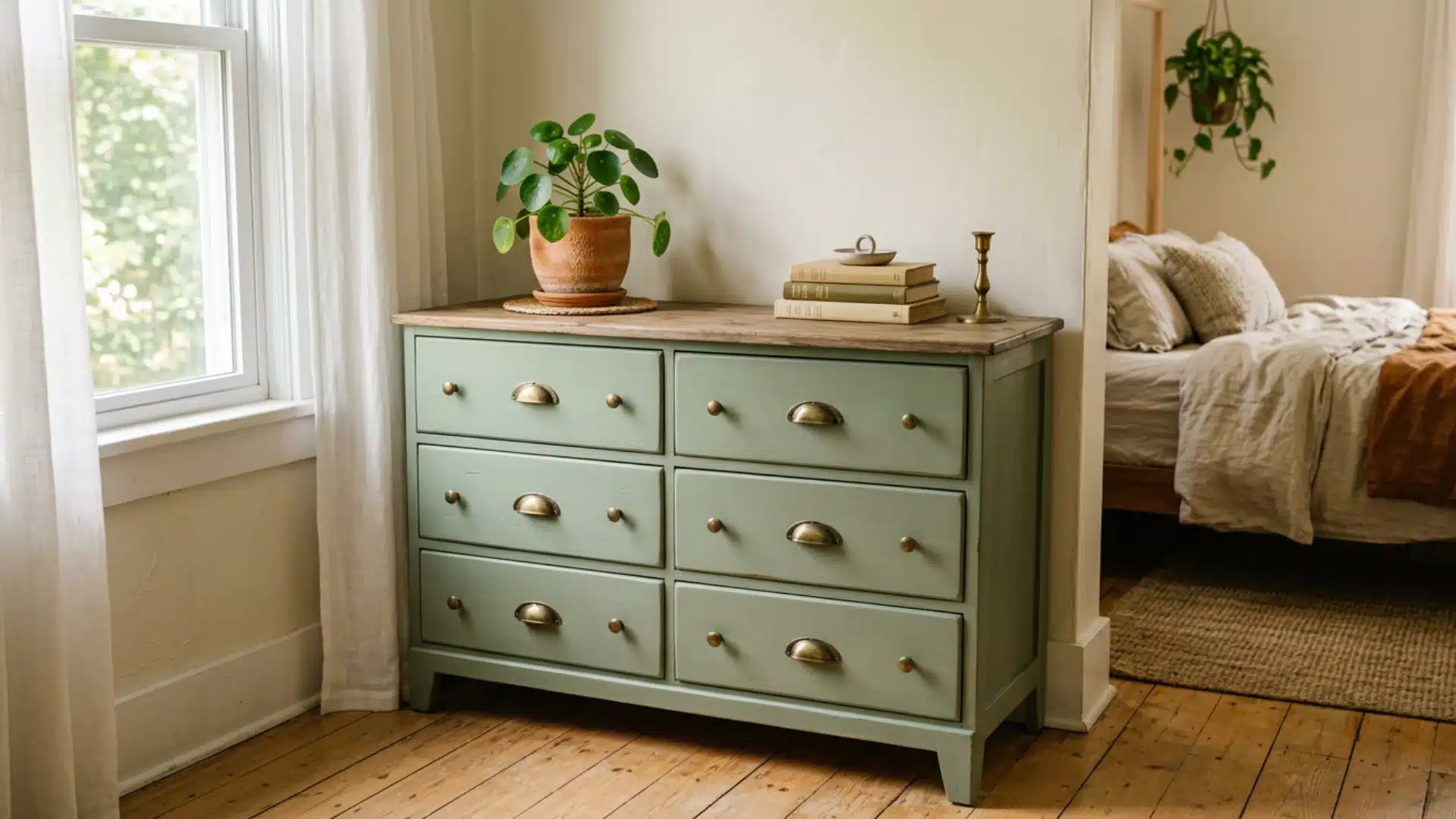
An old, well-made dresser can look great with updates that make it more modern and fashionable without compromising its function as a storage unit.
- Materials: Paint, primer, hardware, drawer liners, and repair supplies
- Tips: Choose solid pieces, check for damage, and protect the finished surface
- Why It Works: Strong furniture frames can be refreshed instead of replaced
2. Wooden Chair Into a Planter Or Accent Seat
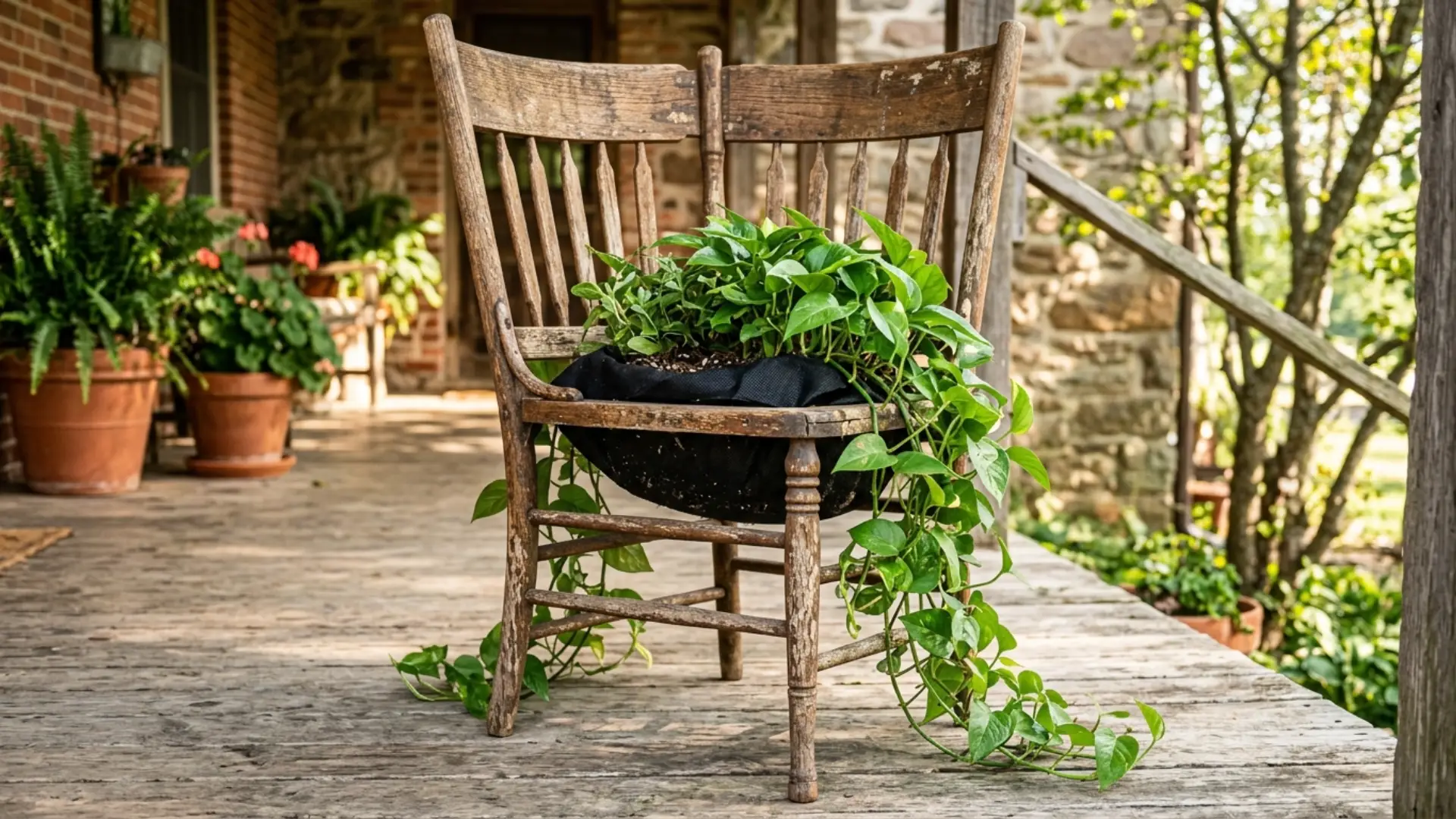
The wood of an old chair with an imperfect seat is not useless. The frame of such a chair may be turned into a beautiful planter or a reconditioned piece of furniture.
- Materials: Wooden chair, paint, fabric, planter insert, and protective finish
- Tips: Check stability, seal outdoor pieces, and choose weather-friendly materials
- Why It Works: Old chair frames still provide a useful decorative structure
3. Discarded Door Into a Headboard Or Table
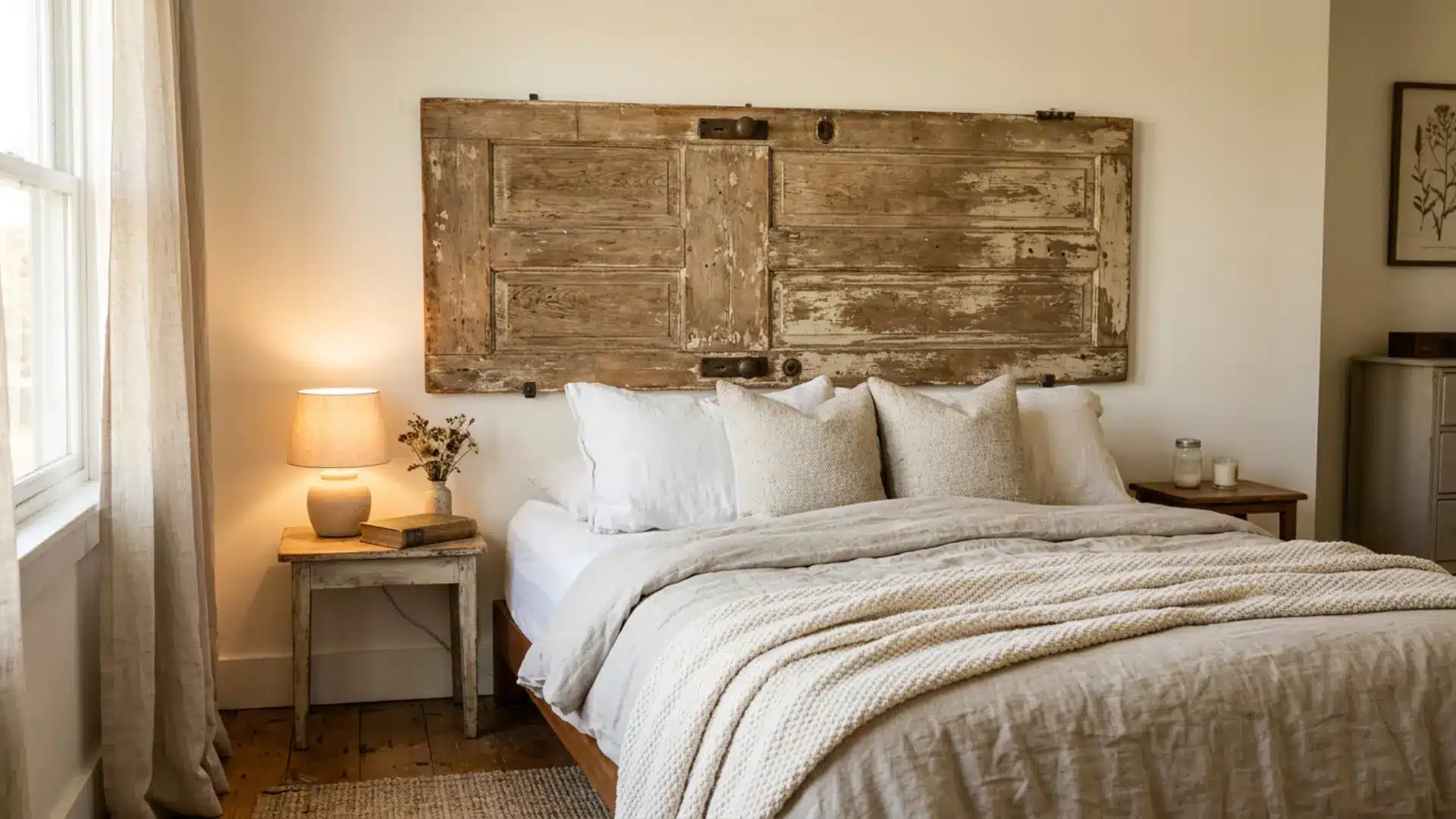
An old door is usually full of texture, panels, and durability. It may be repurposed as a piece of furniture to create an impression in a bedroom, entrance, or living room.
- Materials: Old door, sandpaper, paint, hardware, and mounting supplies
- Tips: Remove rough edges, inspect condition, and measure before installation
- Why It Works: Large surfaces make doors ideal for furniture transformations
4. Broken Drawer Into A Wall Shelf Or Pet Bed
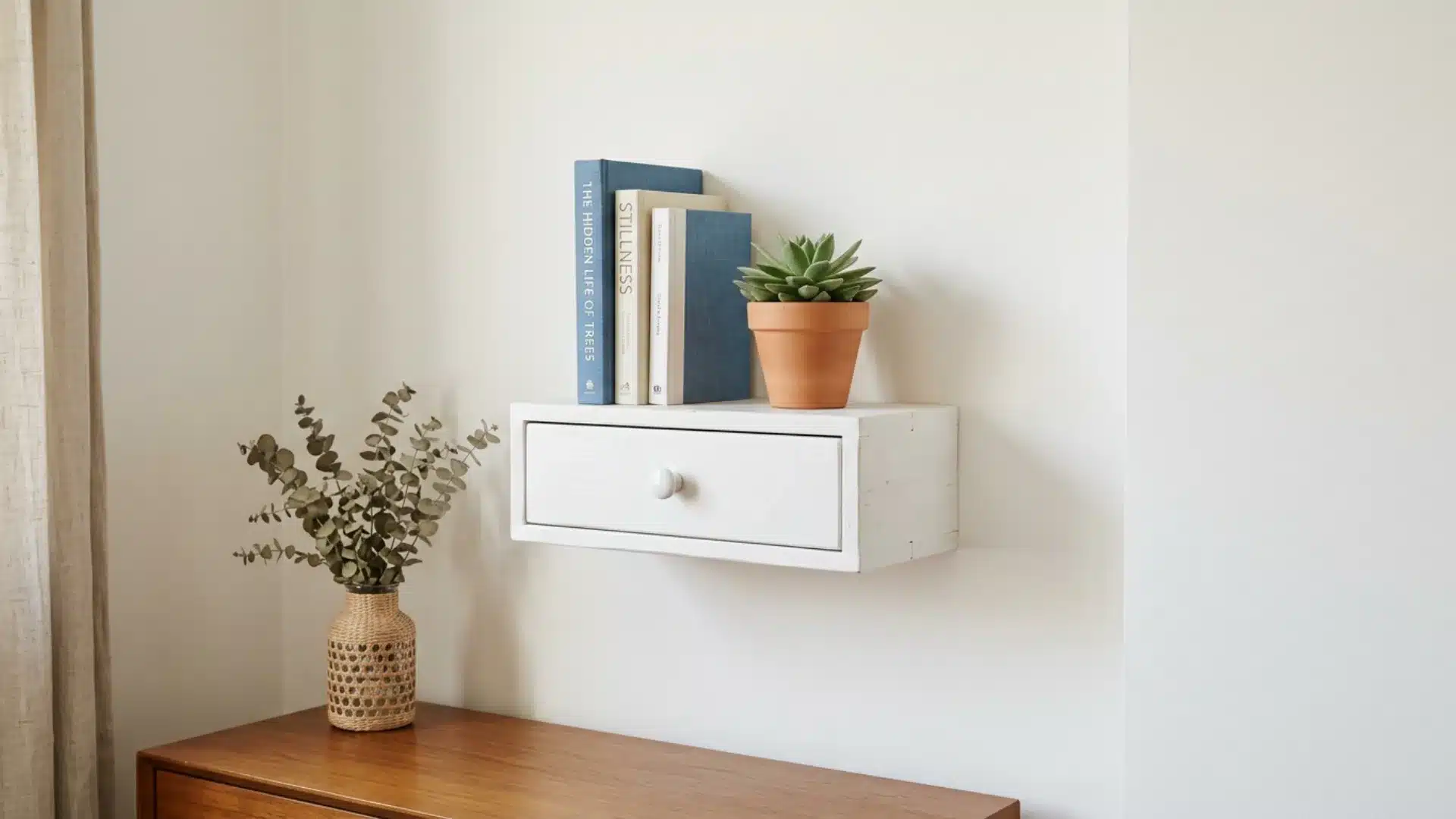
It is worth noting that even without the rest of the furniture, the drawer still serves a useful purpose. It would be better not to get rid of it but to transform it into an effective storage container or an animal bed.
- Materials: Drawer, paint, brackets, cushion, and decorative supplies
- Tips: Reinforce weak areas, smooth edges, and choose a suitable location
- Why It Works: Built-in compartments make drawers naturally useful for storage
5. Old Window Frame Into Wall Art Or A Mirror Frame
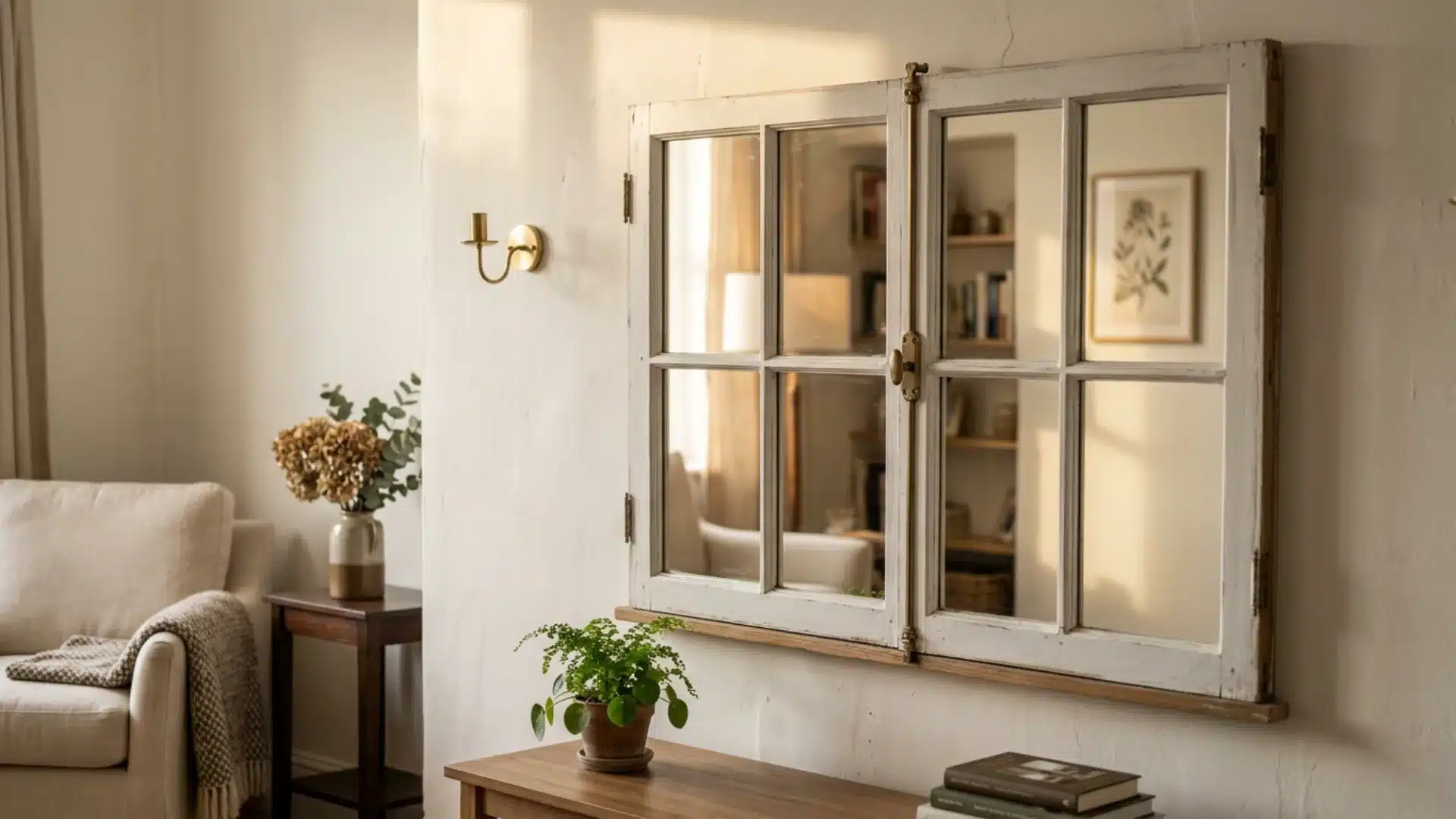
Old windows are a great way to add character to your room. The uniqueness of their shapes makes them the perfect item to use in decoration projects.
- Materials: Window frame, mirror panels, paint, cleaning supplies, and hardware
- Tips: Secure heavy frames properly and check glass condition first
- Why It Works: Existing frame details create instant decorative appeal
6. Wobbly Stool Into A Plant Stand
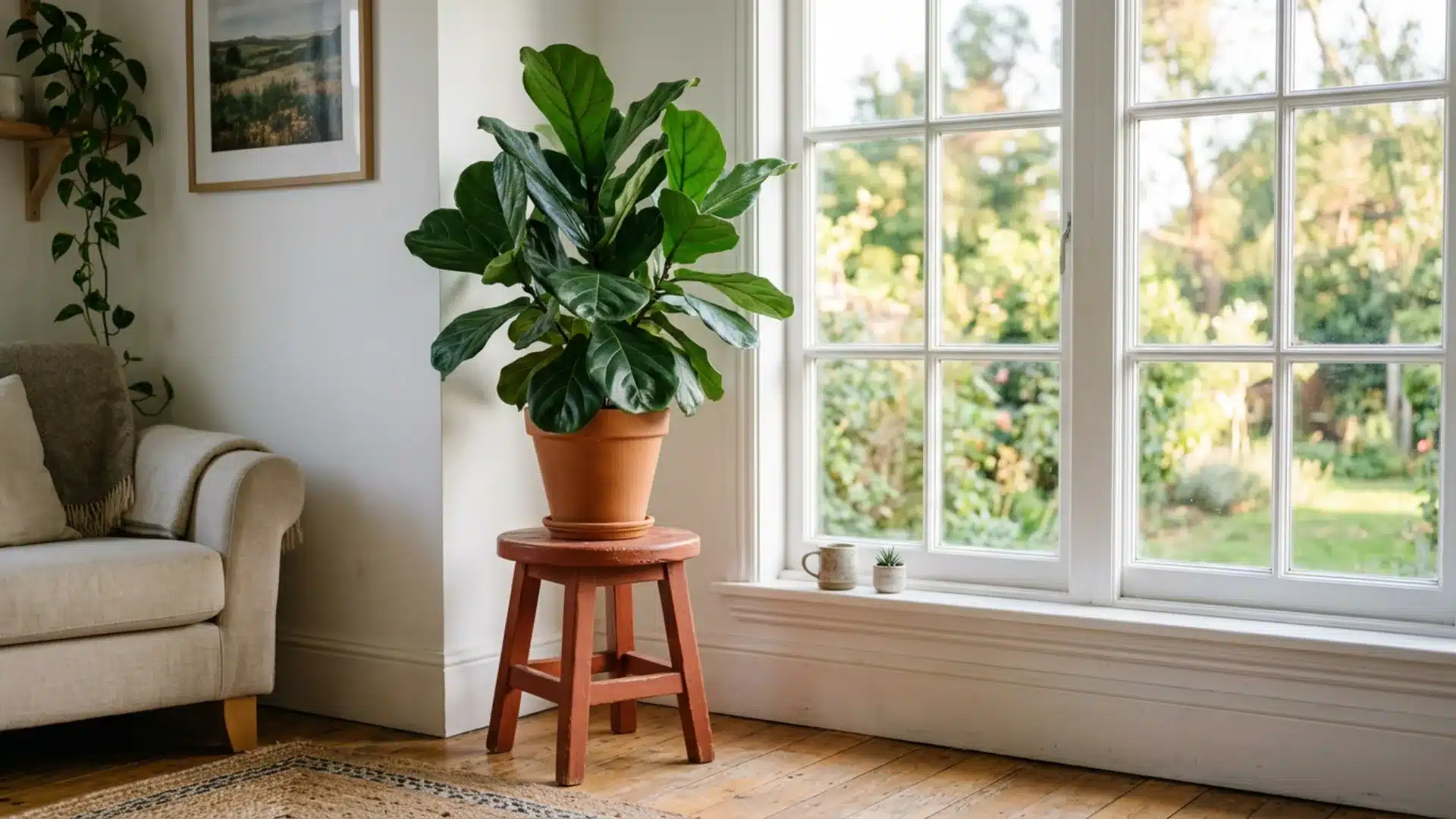
A stool that can no longer handle regular use can still become a useful home accessory. With a few adjustments, it can hold plants, decor pieces, or small displays.
- Materials: Wooden stool, paint, stain, glue, and protective coating
- Tips: Repair loose joints and protect surfaces from moisture damage
- Why It Works: Raised platforms work well for decorative displays
Kitchen And Pantry Castoffs You Can Repurpose
Even simple garbage from daily household chores can turn out to be quite useful with the right ideas. Containers, packages, and leftovers are usually just what is needed for organizers, planters, and other fun creative crafts to try at home.
7. Tin Cans Into Planters Or Utensil Holders
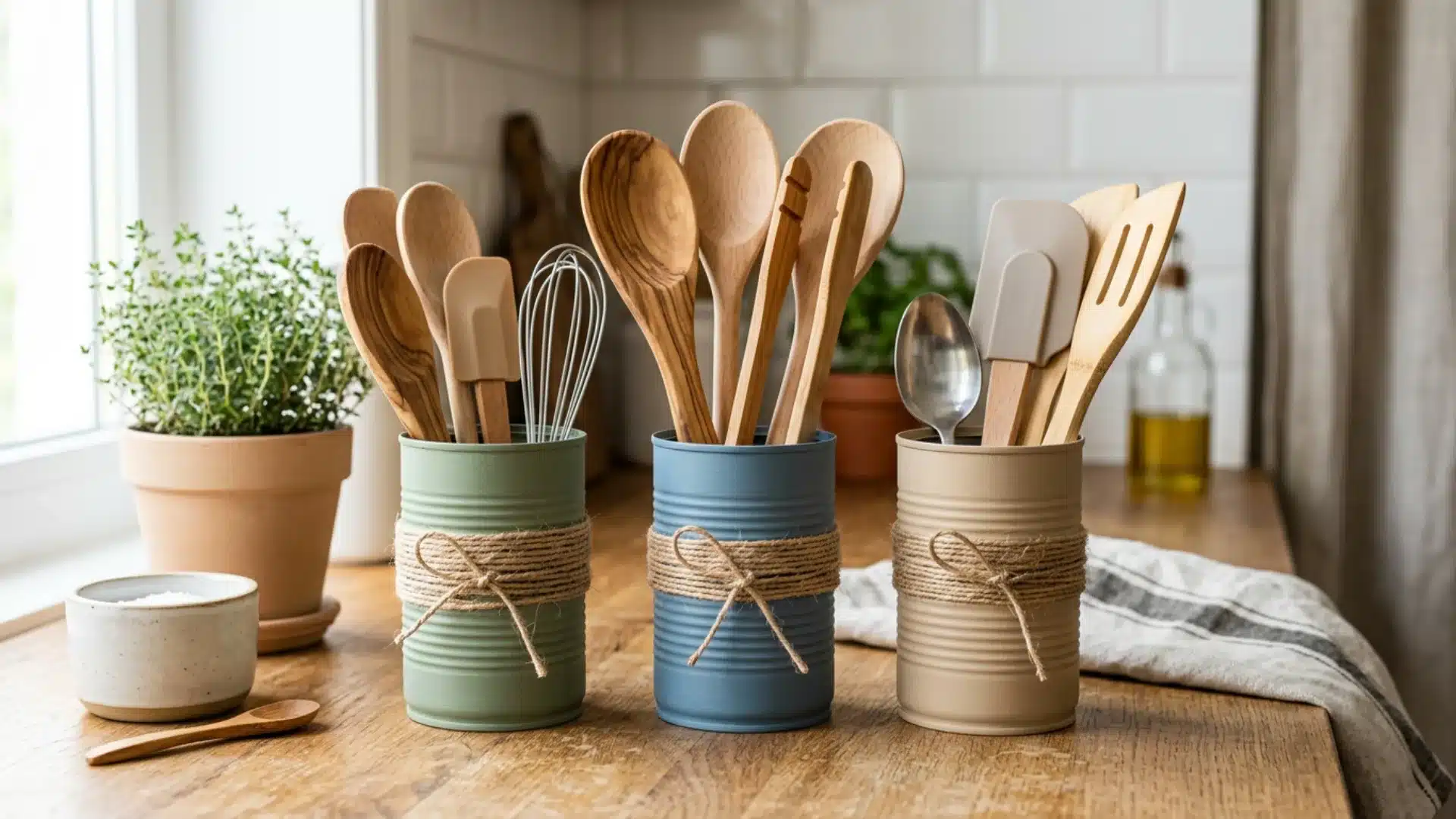
Empty tin cans are easily turned into functional organizers and mini planters. Their small size makes them useful both for the kitchen, workplace, and outdoor spaces.
- Materials: Tin cans, paint, twine, labels, and finishing supplies
- Tips: Remove sharp edges and clean cans thoroughly before decorating
- Why It Works: Durable containers already have a ready-made structure
8. Glass Jars Into Storage Or Pendant Lighting
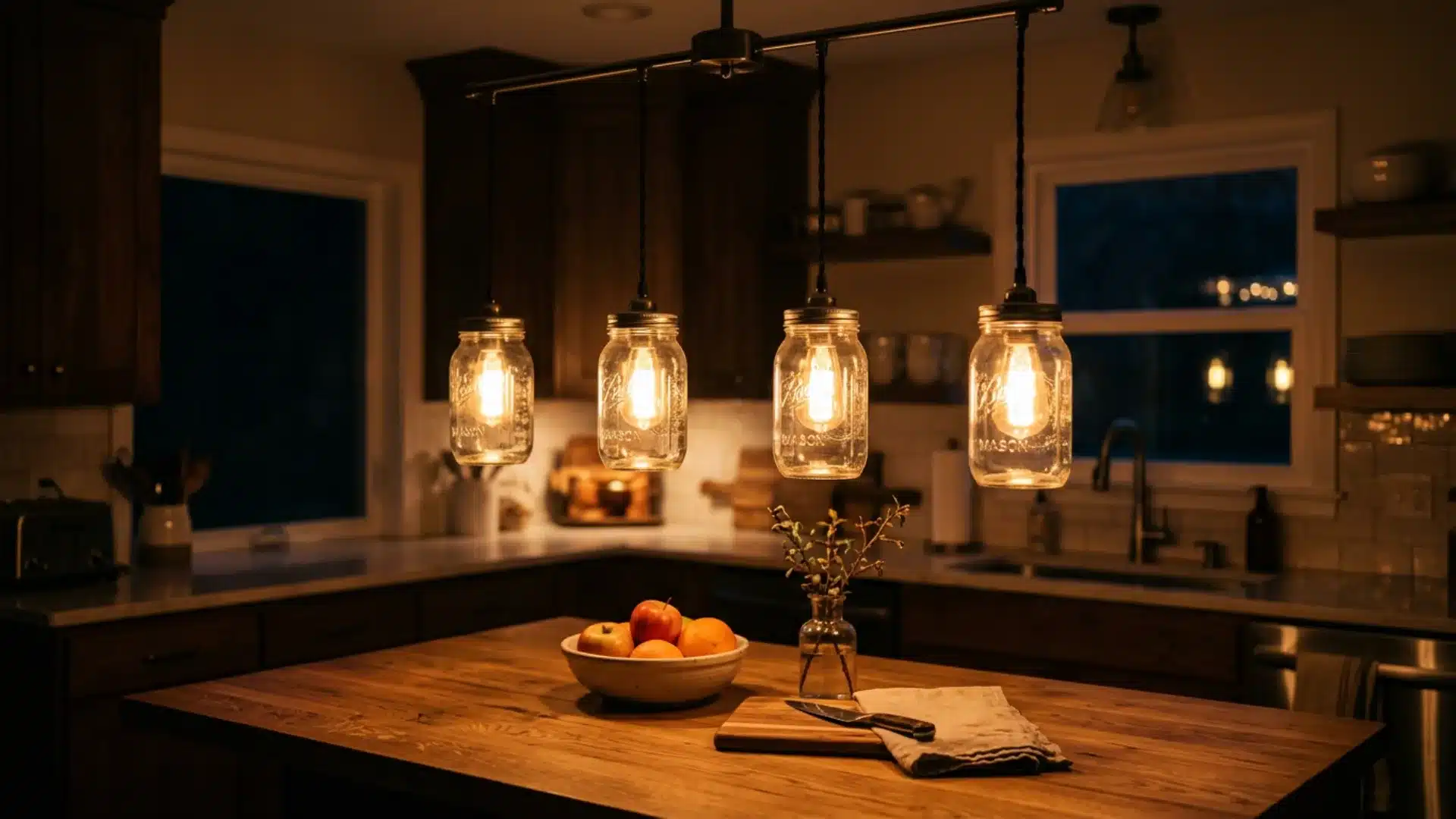
Glass jars are one of the easiest items to reuse because they are strong, transparent, and available in many sizes. They can become storage containers or decorative lighting features.
- Materials: Glass jars, labels, storage lids, lighting kits, and accessories
- Tips: Clean jars well and choose safe uses based on their condition
- Why It Works: Simple containers can adapt to many household needs
9. Cookie Tins Into Hanging Planters
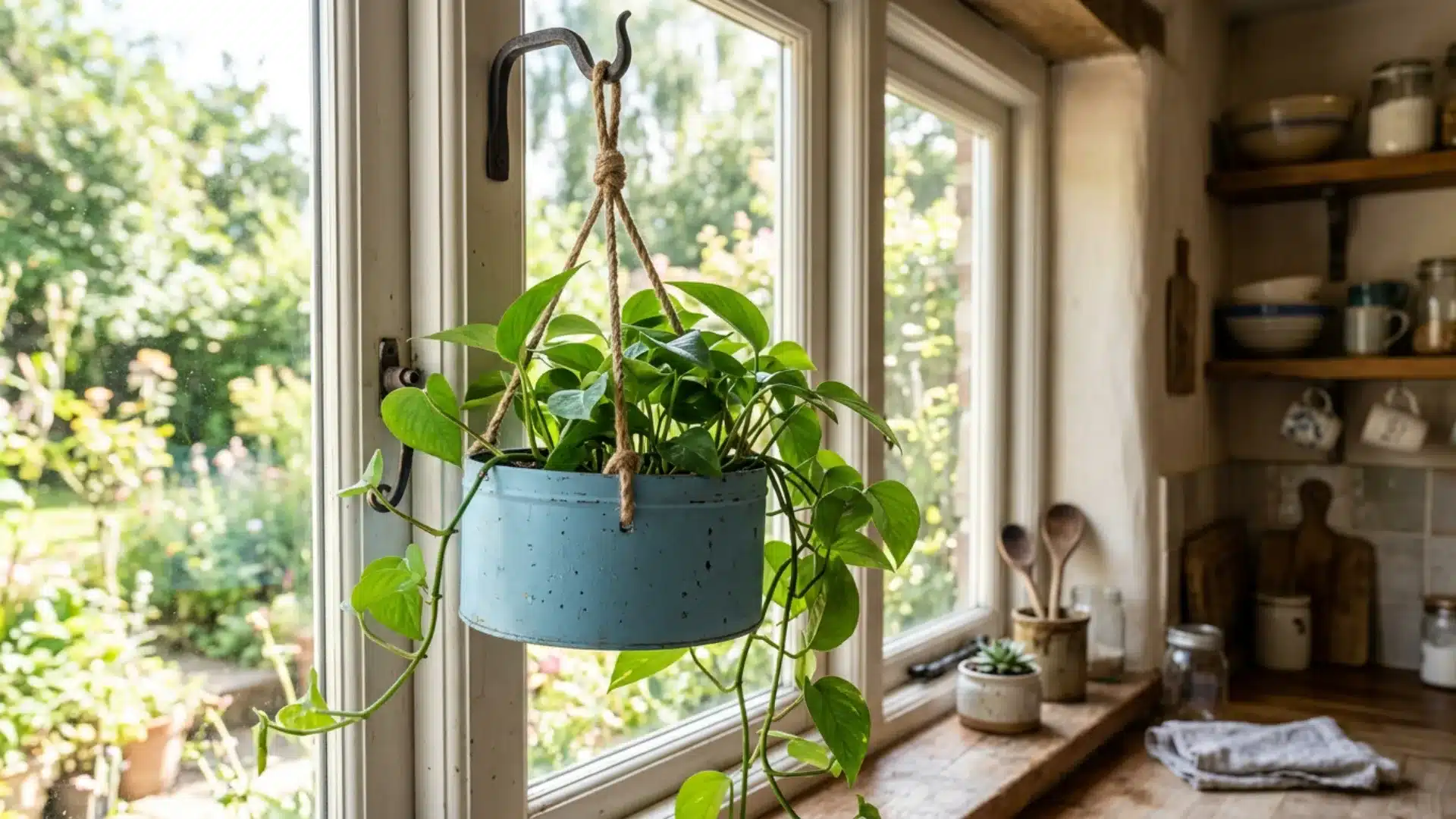
Unused cookie tins are common items left behind at the end of the holiday season; however, their metal construction lets you use them outdoors. Some modifications will make them useful.
- Materials: Cookie tin, paint, drill, rope, and planting supplies
- Tips: Add drainage, prevent rust, and use outdoor-safe finishes
- Why It Works: Metal containers offer durability for creative reuse
10. Plastic Tubs Into Labeled Organizers
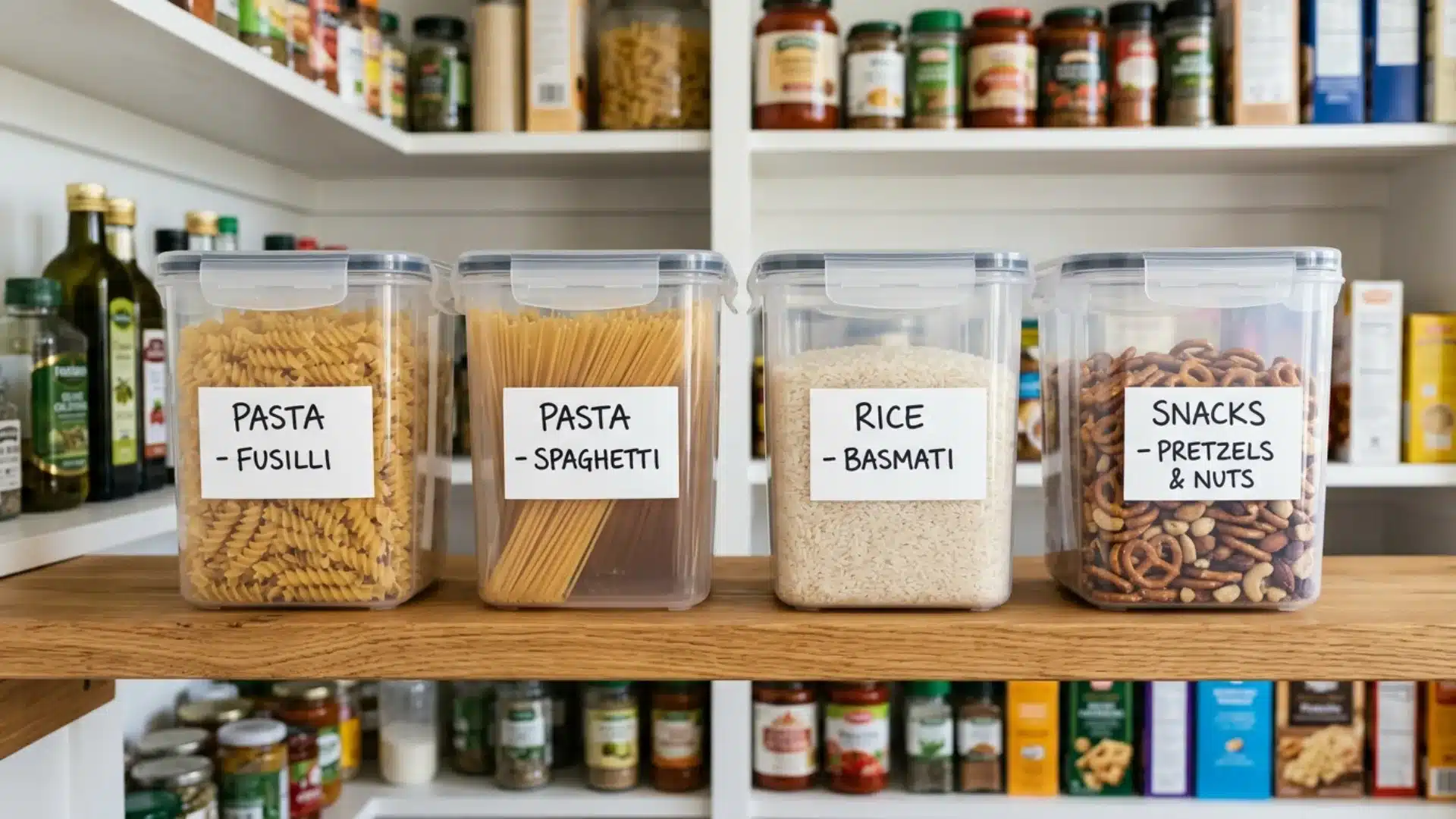
Plastics used for household items can be repurposed into useful storage containers at home. Instead of gathering junk, they will help organize smaller things in the kitchen, craft room, or closet.
- Materials: Clean plastic tubs, labels, paint, and decorating supplies
- Tips: Remove odors, dry completely, and group items by purpose
- Why It Works: Ready-made containers simplify home organization
11. Wine Corks Into Plant Anchors Or Coasters
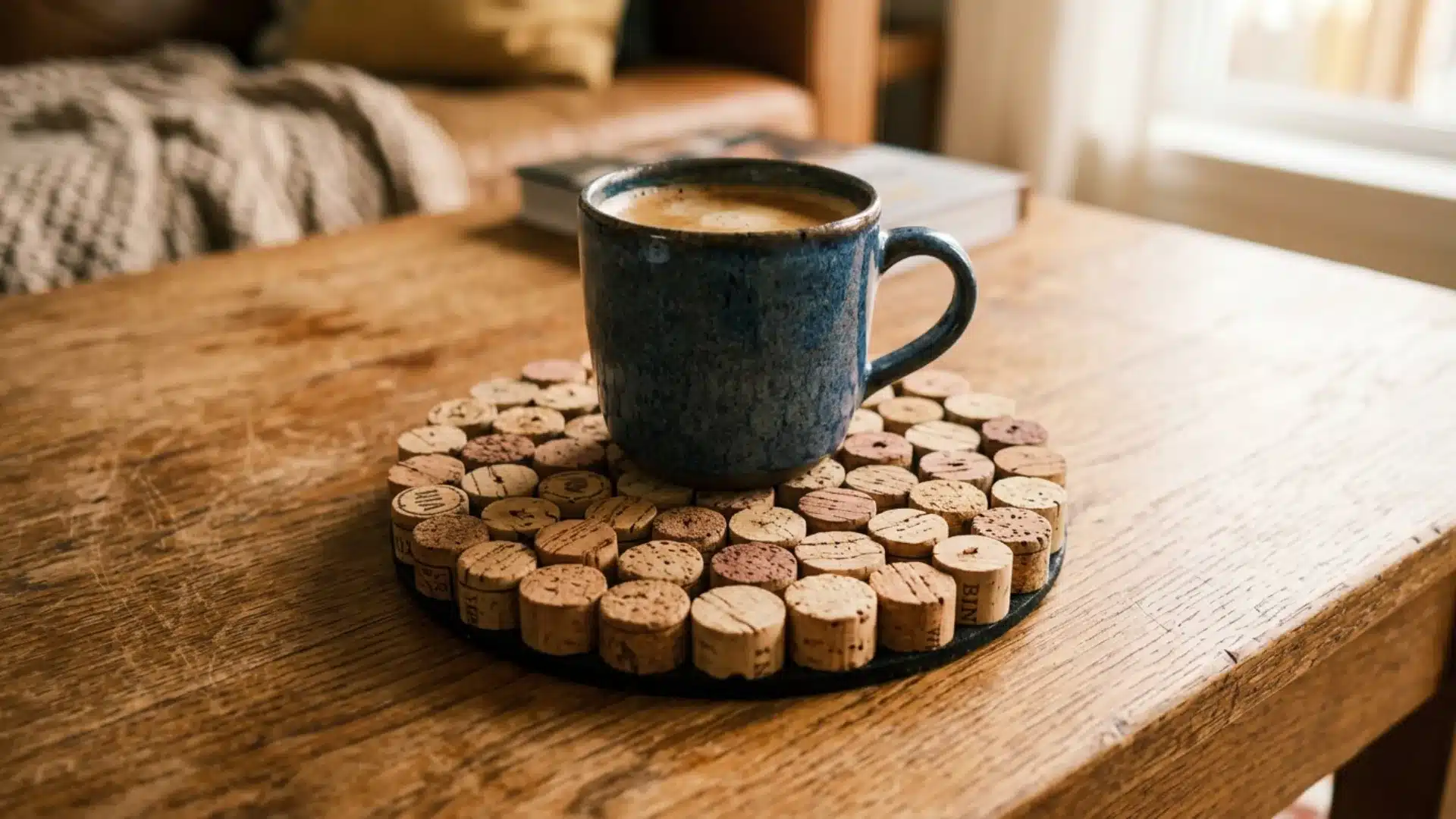
Wine corks are small but useful materials you can save for simple craft projects. Their lightweight and water-resistant qualities make them suitable for decorative and practical uses.
- Materials: Wine corks, adhesive, cutting tools, and protective coating
- Tips: Clean corks before use and create stable arrangements
- Why It Works: Cork texture adds function and visual interest
12. Cardboard Mailers Into Seed Bombs Or Craft Pulp
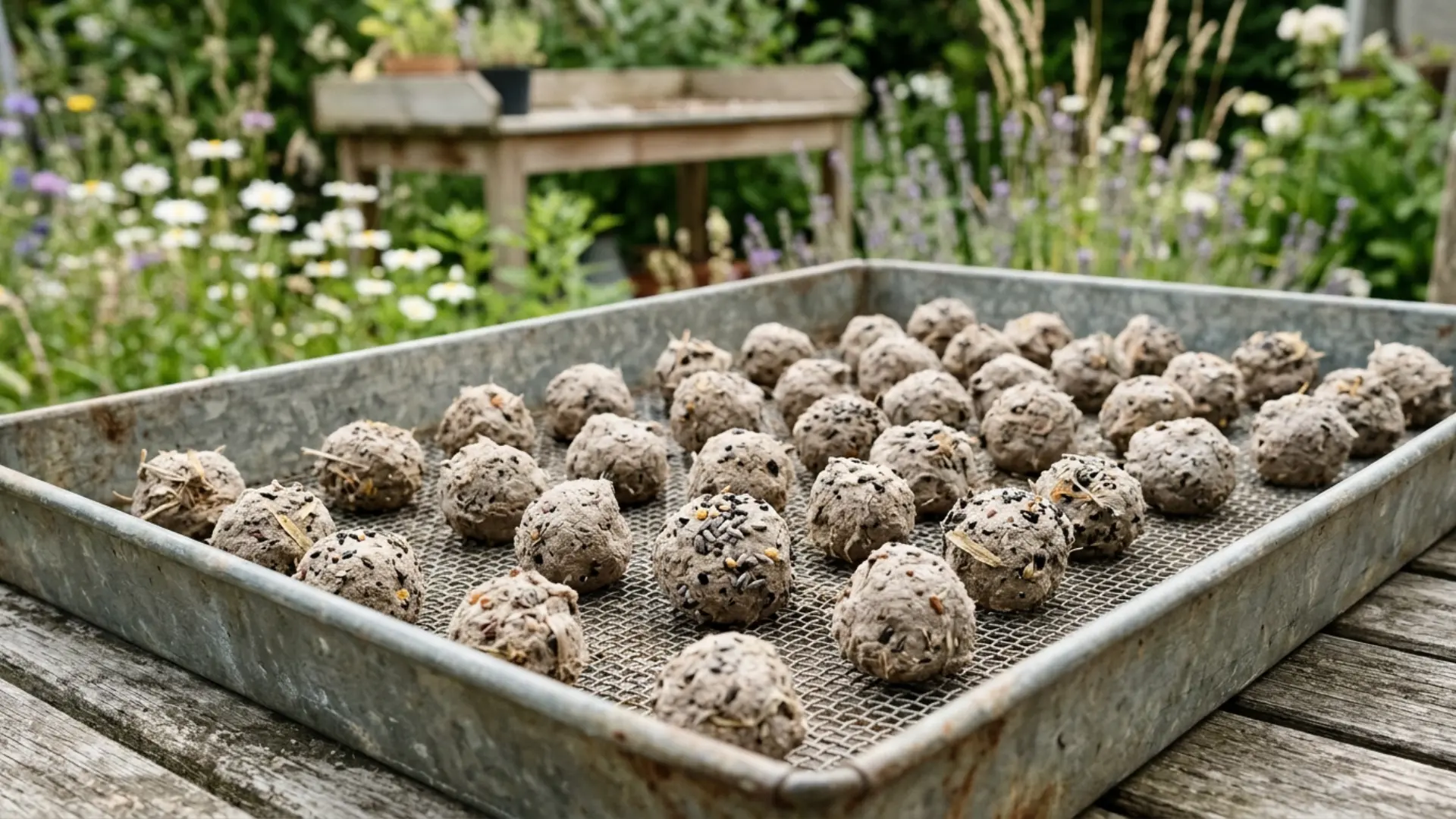
Cardboard mailing containers are often discarded once deliveries have been made, but the fibers of the paper used in the cardboard can actually be repurposed into artistic products.
- Materials: Cardboard mailers, water, seeds, blender, and craft supplies
- Tips: Remove non-paper parts and allow finished pieces to dry fully
- Why It Works: Paper fibers can be reshaped into new materials
Fabric, Denim, And Textile Scraps Reimagined
Second-hand clothes and leftover fabrics can be used in more ways than you might think. One should not waste the old material by leaving it unused, but use it to create something handy at home.
13. Old Jeans Into a Tote Bag
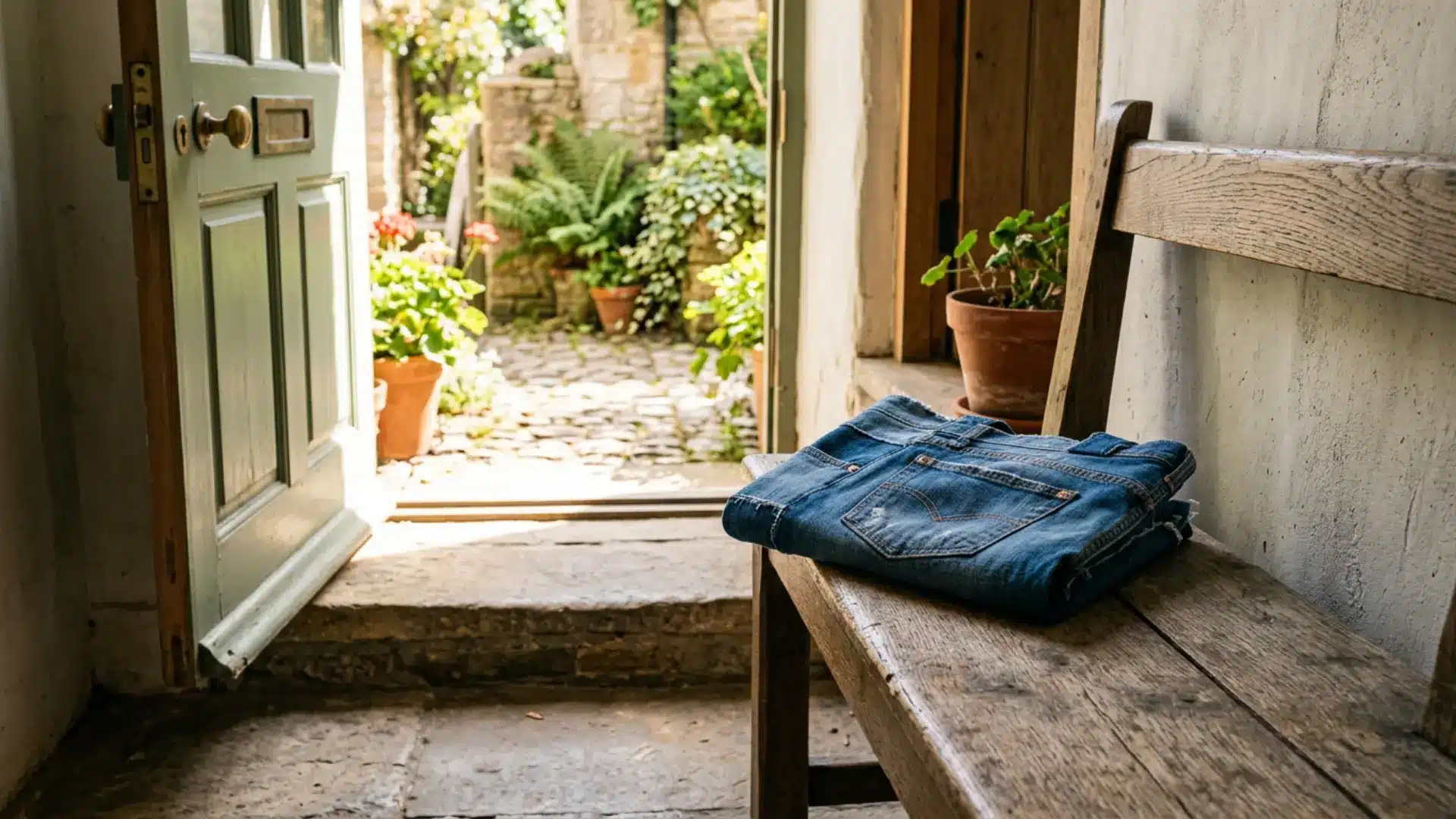
Denim is one of the most upcycling-friendly fabrics because of its durability and performance in daily activities. Old jeans can be upcycled into a handy bag.
- Materials: Old jeans, thread, scissors, sewing supplies, and handles
- Tips: Use stronger denim areas and reinforce weight-bearing sections
- Why It Works: Durable fabric can handle repeated everyday use
14. T-Shirts Into A Braided Rug
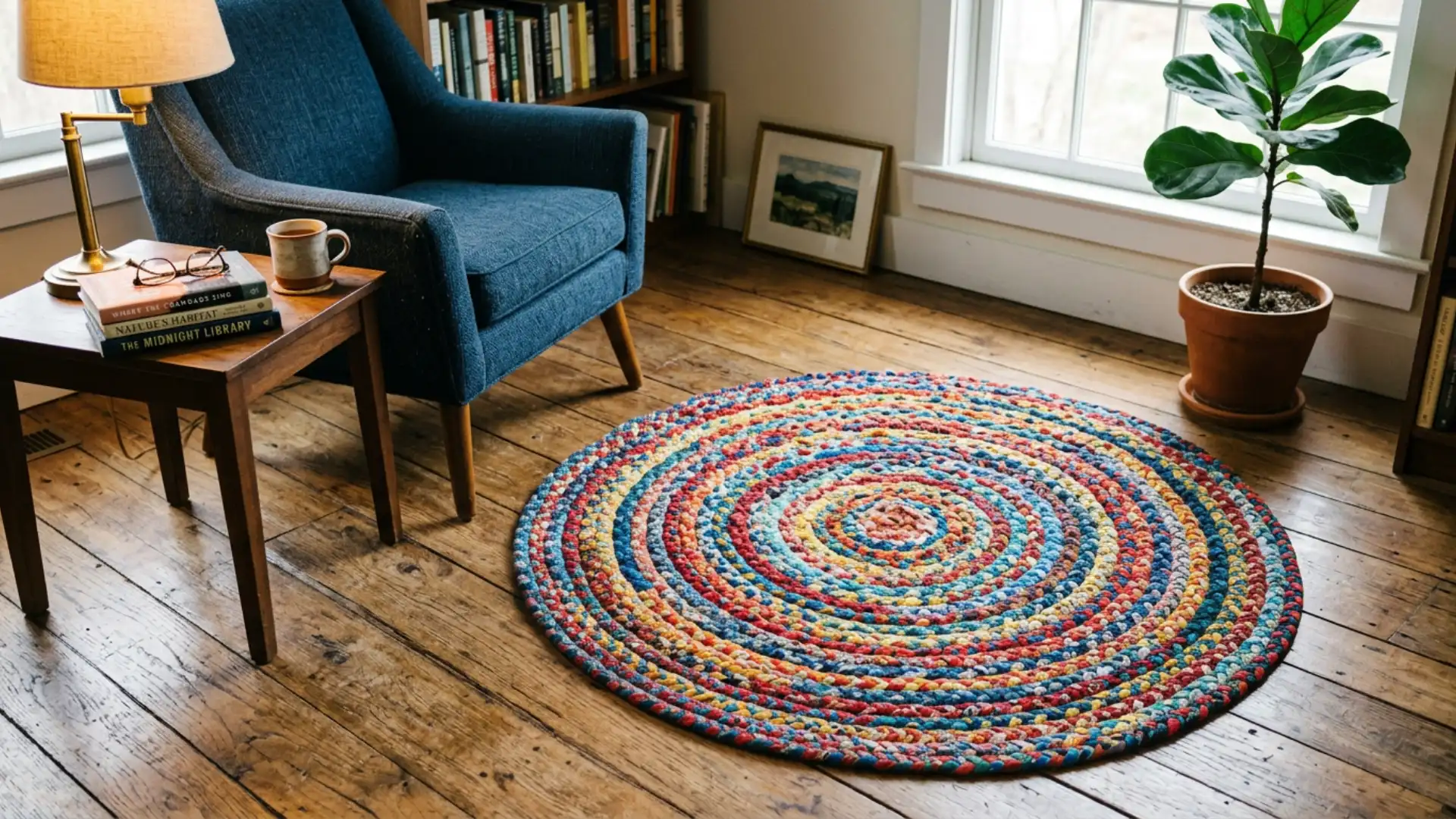
T-shirts that have been stretched out and are out of style can be turned into soft, textured rugs. This activity is great for working with multiple T-shirts at once.
- Materials: Old T-shirts, scissors, thread, and rug backing
- Tips: Use similar fabric weights and keep strips evenly sized
- Why It Works: Fabric scraps can create useful soft surfaces
15. Fabric Scraps Into A Patchwork Throw
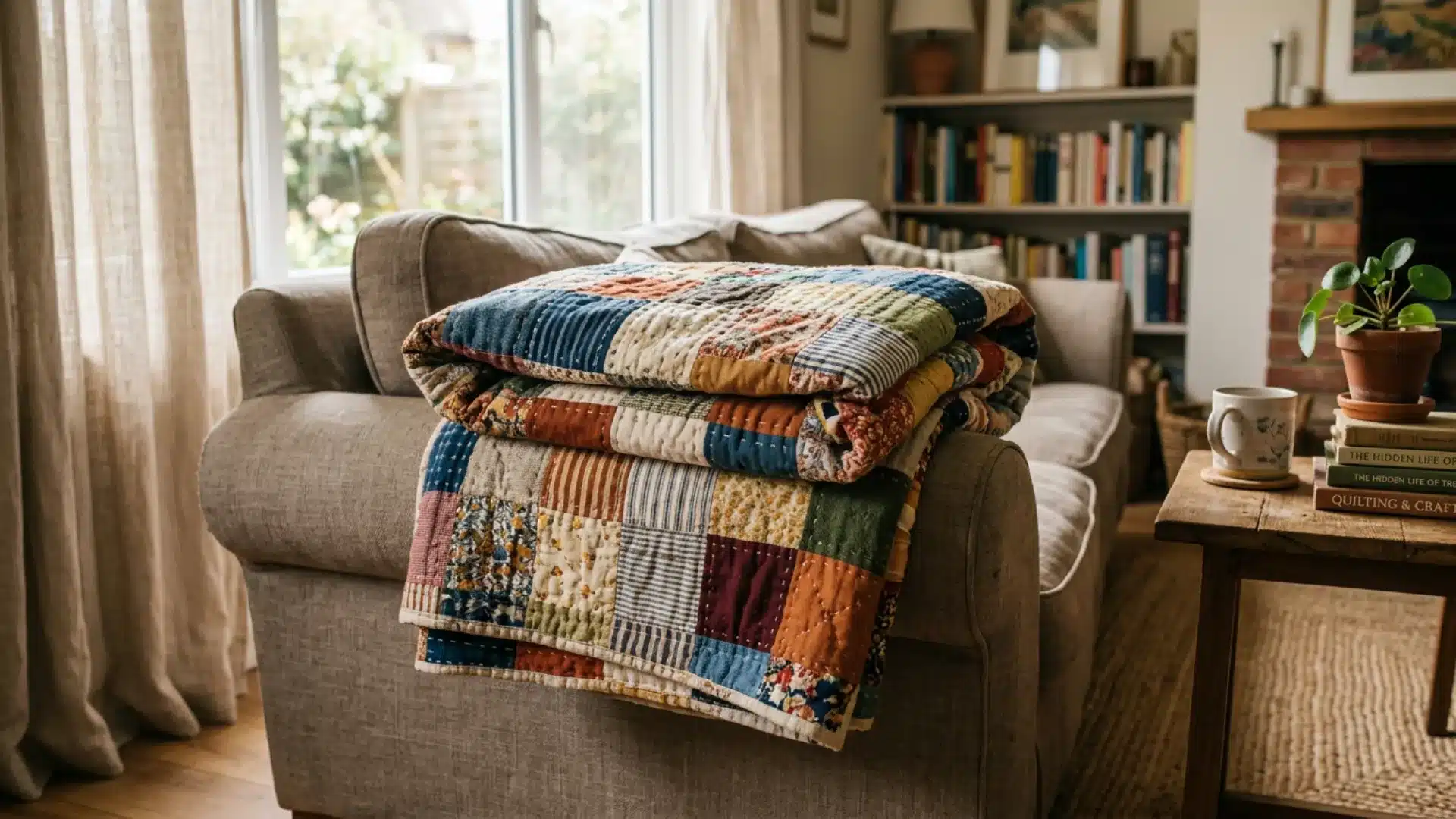
Small fabric pieces that seem too limited for projects can become part of a larger design. Combining different patterns creates a personalized throw with character.
- Materials: Fabric scraps, sewing machine, thread, batting, and backing fabric
- Tips: Sort colors first and use consistent piece sizes
- Why It Works: Small leftovers become valuable when combined together
16. Worn Towels Into a Washable Pet Bed
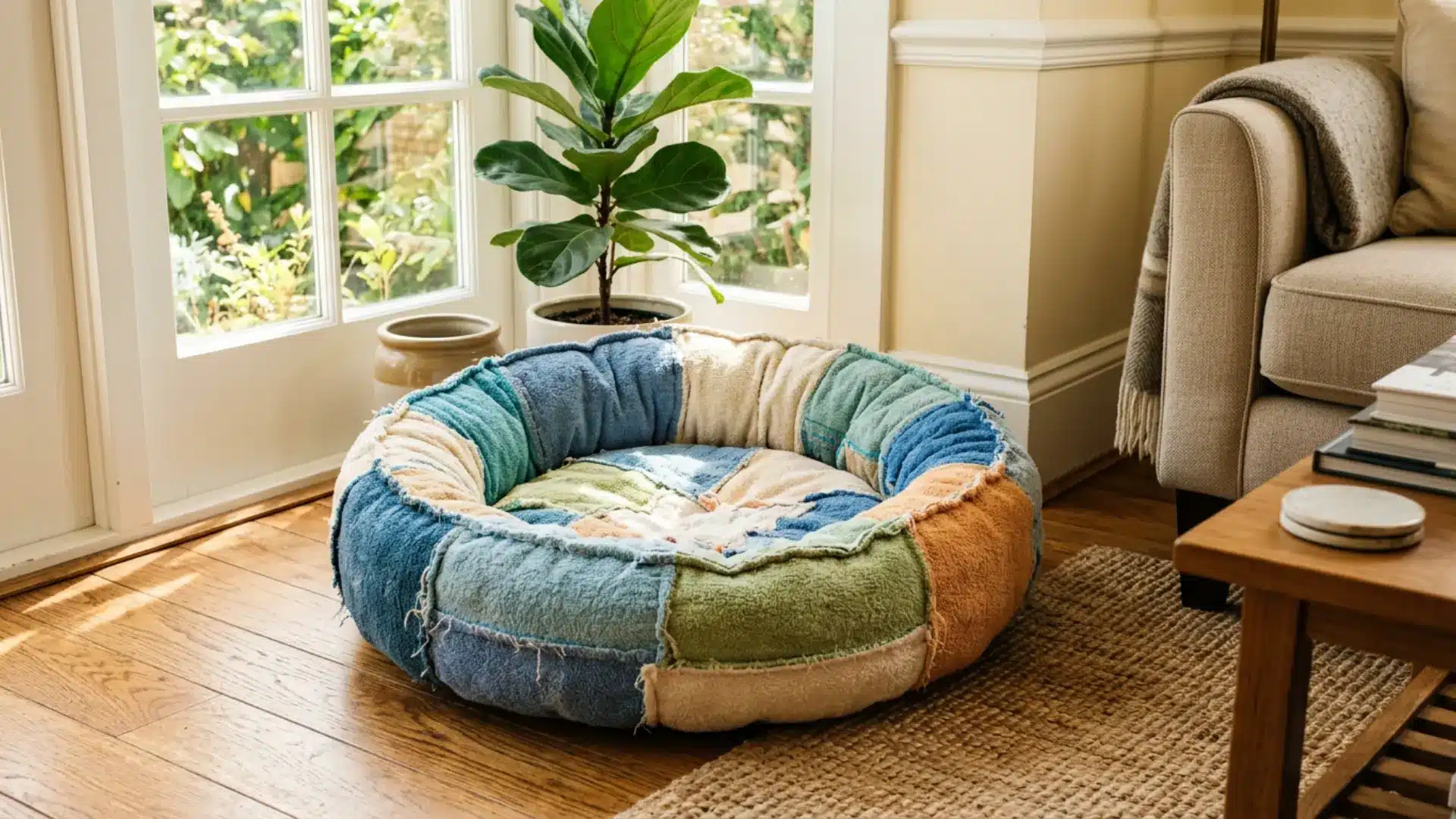
Although used towels do not feel fresh for the bathroom, they are still soft and absorbent. The old towels can be made into comfortable bedding for the pet.
- Materials: Old towels, stuffing, thread, and washable fabric covers
- Tips: Choose clean towels and make covers easy to remove
- Why It Works: Soft textiles remain useful after their first purpose
17. Stretched Sweaters Into Cushion Covers
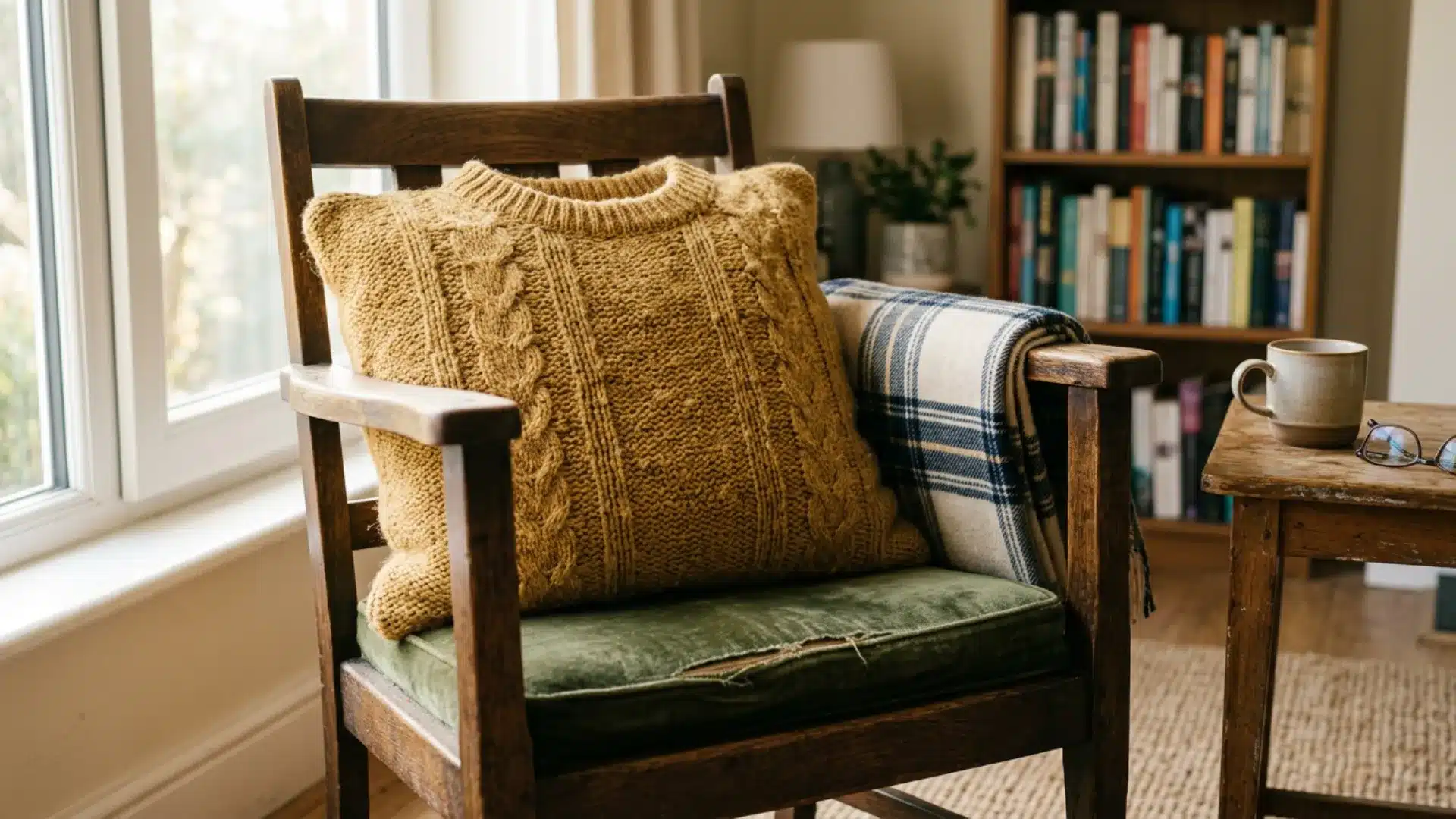
Shrunken sweaters can still provide warmth and texture to a home. Sweaters can be repurposed into cushion covers and accents.
- Materials: Old sweaters, pillow inserts, thread, and sewing supplies
- Tips: Choose tightly woven sweaters and measure inserts carefully
- Why It Works: Textured fabrics add comfort and visual appeal
Outdoor And Garden Trash-to-Treasure Projects
Outdoor waste offers many possibilities, as the materials used outdoors are naturally resilient. The right processing will give them new roles as plant holders, garden features, and outdoor decorations.
18. Pallets Into a Vertical Garden
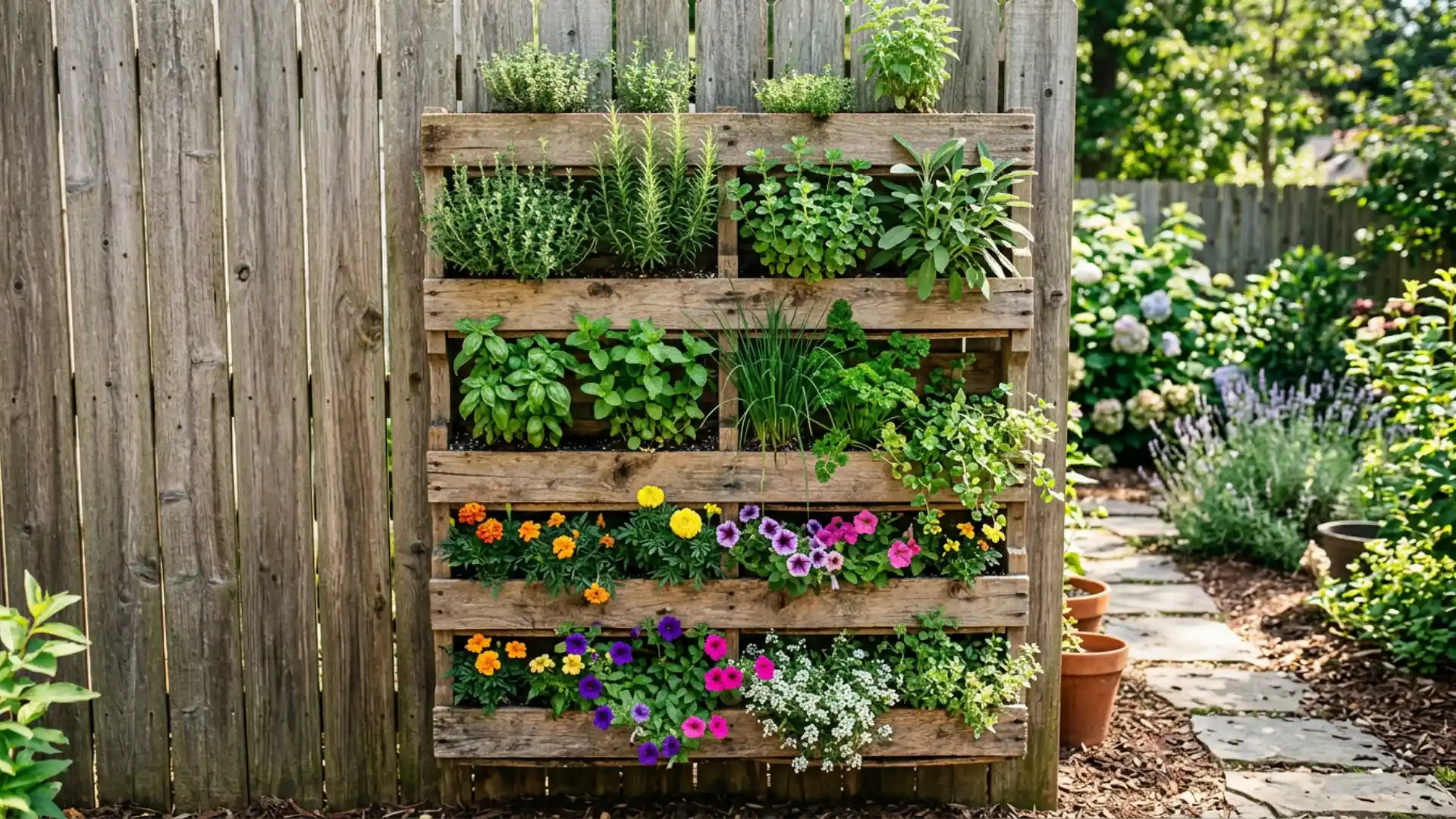
The advantage of using wooden pallets is their inherent frame, which provides support for outdoor projects. They allow vertical plant beds and greenery in restricted spaces.
- Materials: Wooden pallet, landscape fabric, soil, plants, and tools
- Tips: Check wood safety markings and sand rough surfaces
- Why It Works: Vertical structures maximize limited garden space
19. Old Tires Into Planters Or a Rope Swing
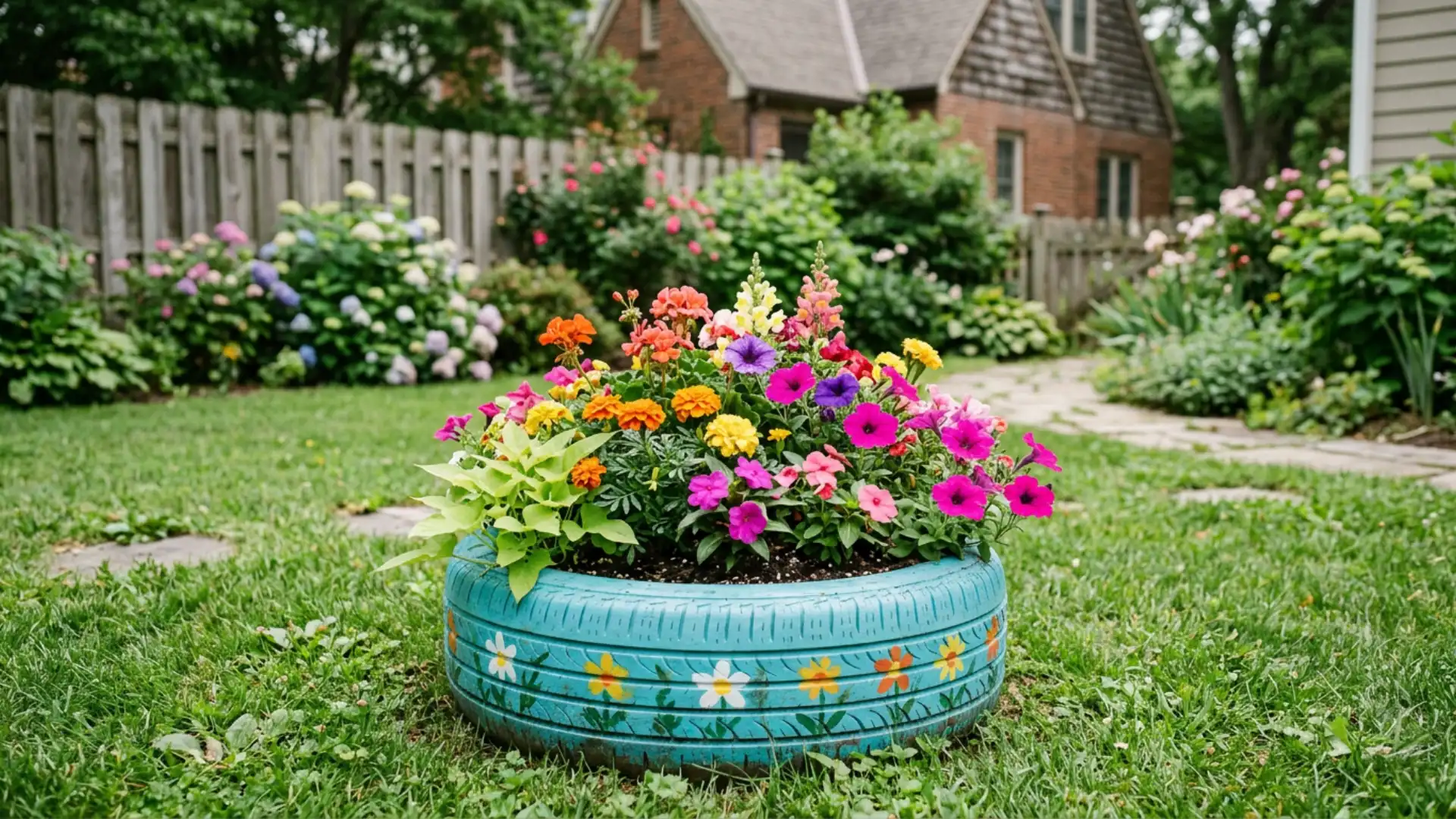
While old tires may be tough to dispose of, they can be useful when working outdoors. The durable rubber material makes them ideal for creative ideas in the garden.
- Materials: Old tire, paint, rope, hardware, and outdoor supplies
- Tips: Clean tires thoroughly and add proper drainage when planting
- Why It Works: Durable materials withstand outdoor conditions
20. Driftwood Into Wall Decor

Driftwood already has a naturally aged appearance, making it a favorite material for rustic decor. Pieces collected from nature can become simple artwork with minimal changes.
- Materials: Driftwood pieces, cleaning supplies, mounting hardware, and finish
- Tips: Dry wood fully and remove sharp areas before displaying
- Why It Works: Natural textures create unique decorative pieces
21. Old Gutters Into Herb Planters
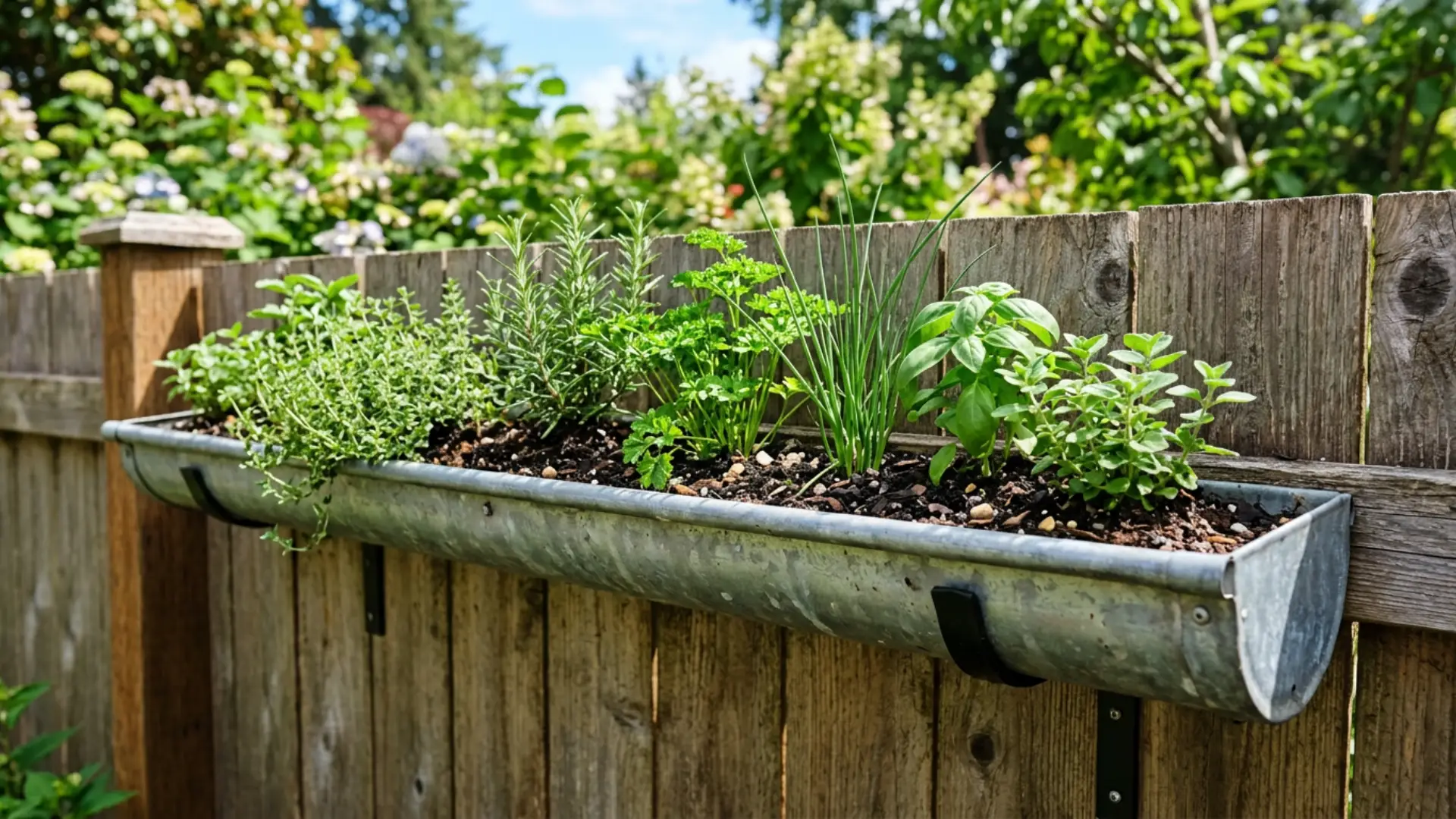
Old, unused gutters can become narrow planters for herbs and other small plants. Their elongated shape suits wall, fence, and balcony plantings.
- Materials: Gutter sections, end caps, brackets, soil, and plants
- Tips: Add drainage holes and secure them properly
- Why It Works: Long containers work well in compact spaces
22. Broken Terracotta Pots Into Fairy Gardens
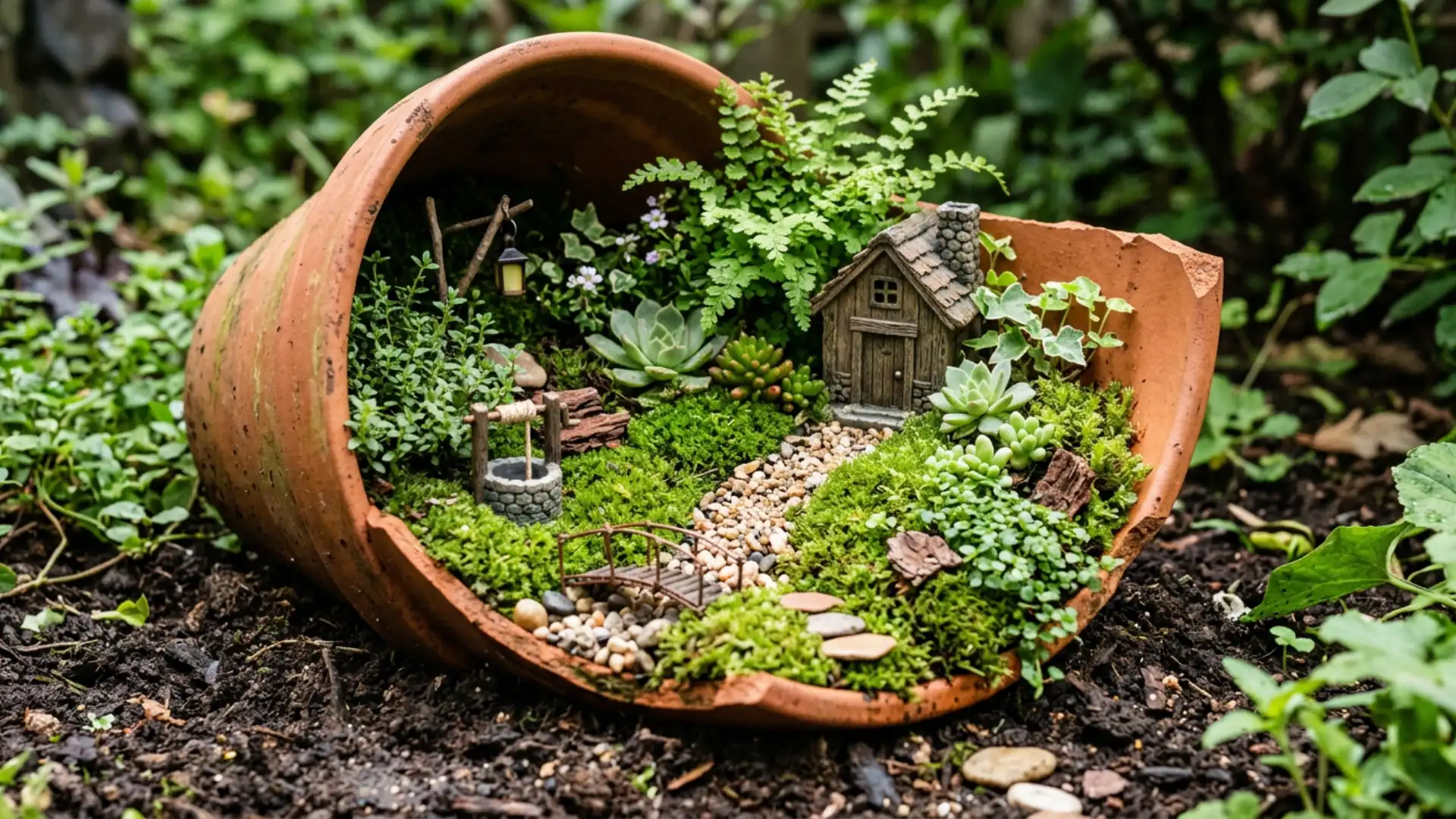
No need to throw away cracked terracotta pots; the pieces can serve as garden layers with plants, moss, and small decor items.
- Materials: Broken pots, soil, moss, plants, and small decorations
- Tips: Handle sharp edges carefully and choose suitable plants
- Why It Works: Damaged pieces can become decorative garden features
23. Wood Scraps Into A Birdhouse
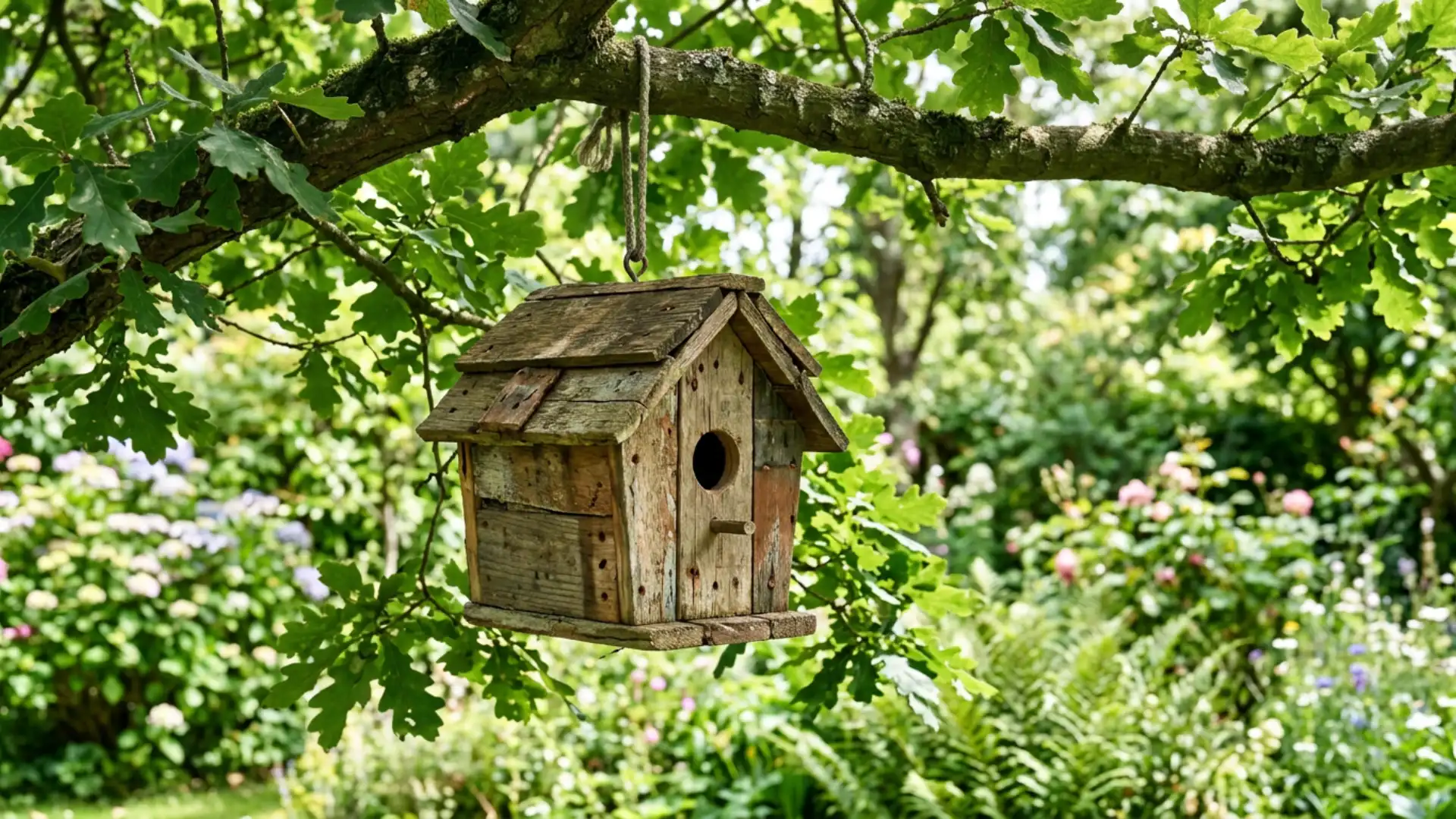
Wood scraps left over from past projects can be transformed into a birdhouse instead of being thrown away. Sometimes small scrap bits can provide more than enough material to build an effective addition outside.
- Materials: Wood scraps, nails, screws, paint, and basic tools
- Tips: Use safe dimensions and weather-resistant finishes
- Why It Works: Small leftover materials can serve new purposes
Quick Wins Trash To Treasure Ideas
Not every upcycling project needs hours of work. These smaller ideas use everyday items and simple materials to create quick solutions for storage, decor, and organization.
24. Toilet Paper Rolls Into Cord Organizers
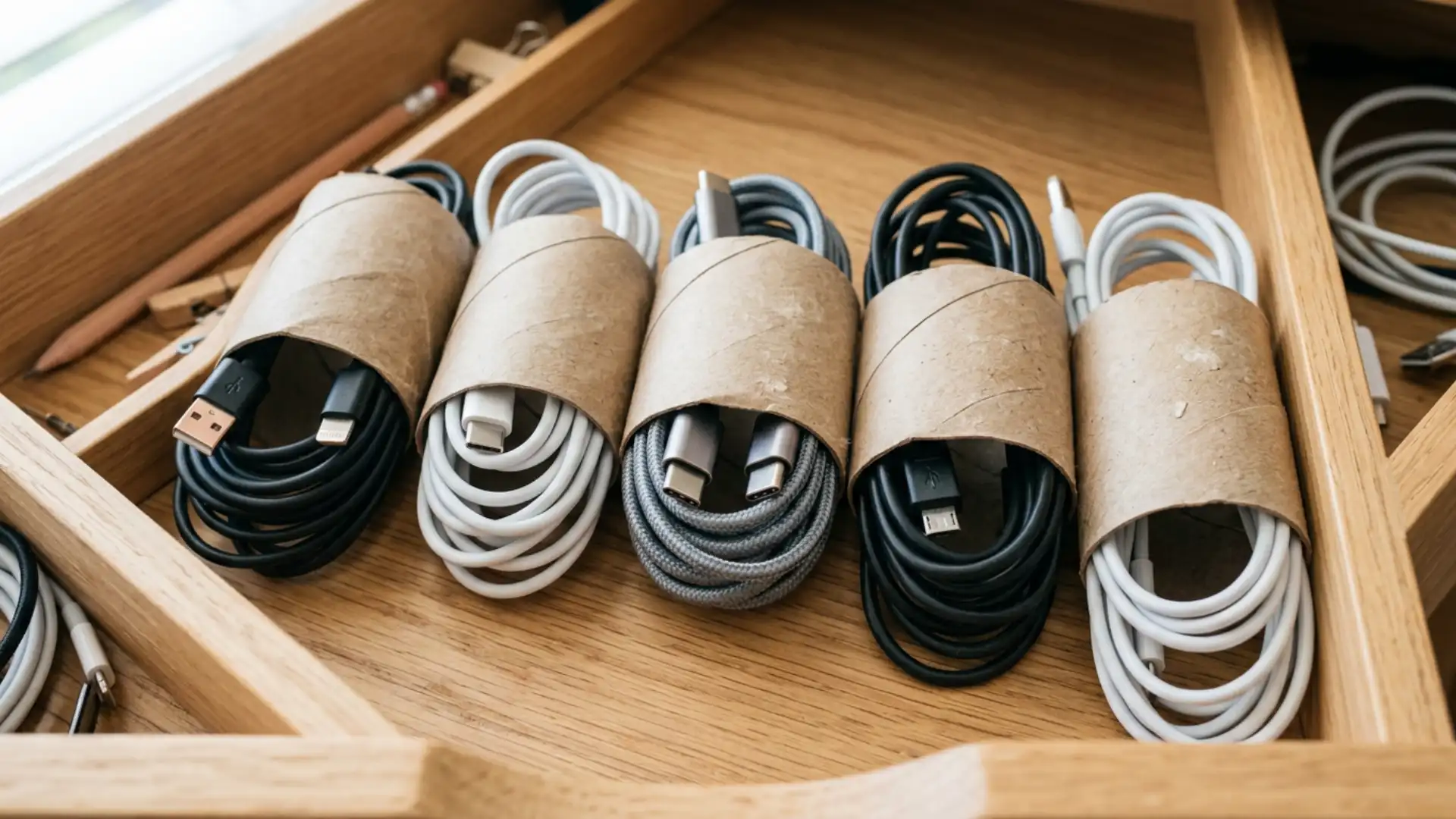
Empty toilet paper rolls can solve small organization problems around the home. Their simple shape makes them useful for keeping cables and cords neat.
- Materials: Toilet paper rolls, labels, markers, and decorating supplies
- Tips: Flatten rolls slightly and label them for easy sorting
- Why It Works: Small cardboard tubes naturally hold rolled items
25. Egg Cartons Into Seed Starters
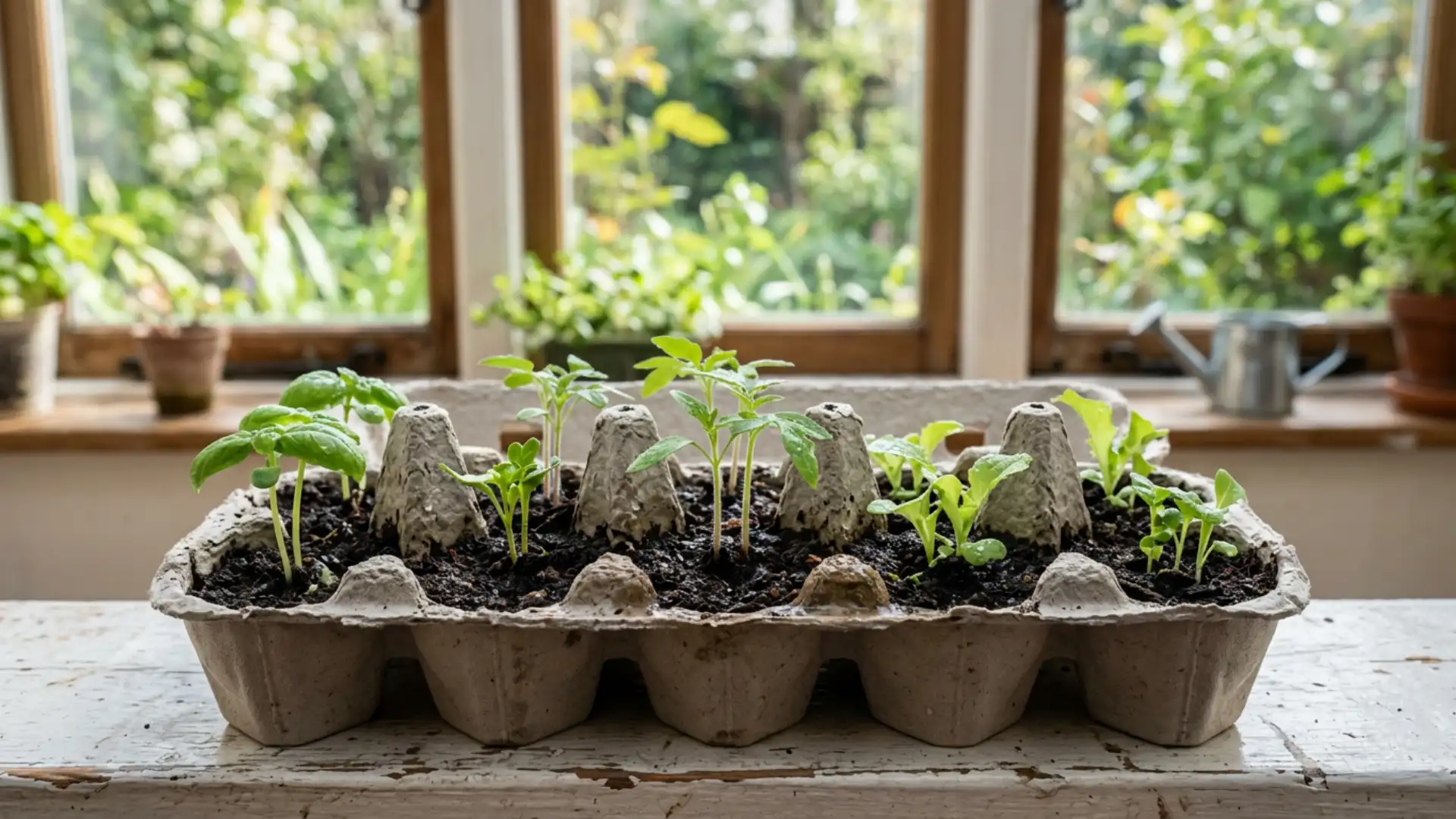
Egg cartons give individual sections that are great for sprouting young plants. Egg cartons make an easy choice for newbies looking to use up household waste.
- Materials: Egg cartons, soil, seeds, water, and gardening supplies
- Tips: Choose paper cartons and avoid overwatering seedlings
- Why It Works: Individual sections support early plant growth
26. Bottle Caps Into Fridge Magnets
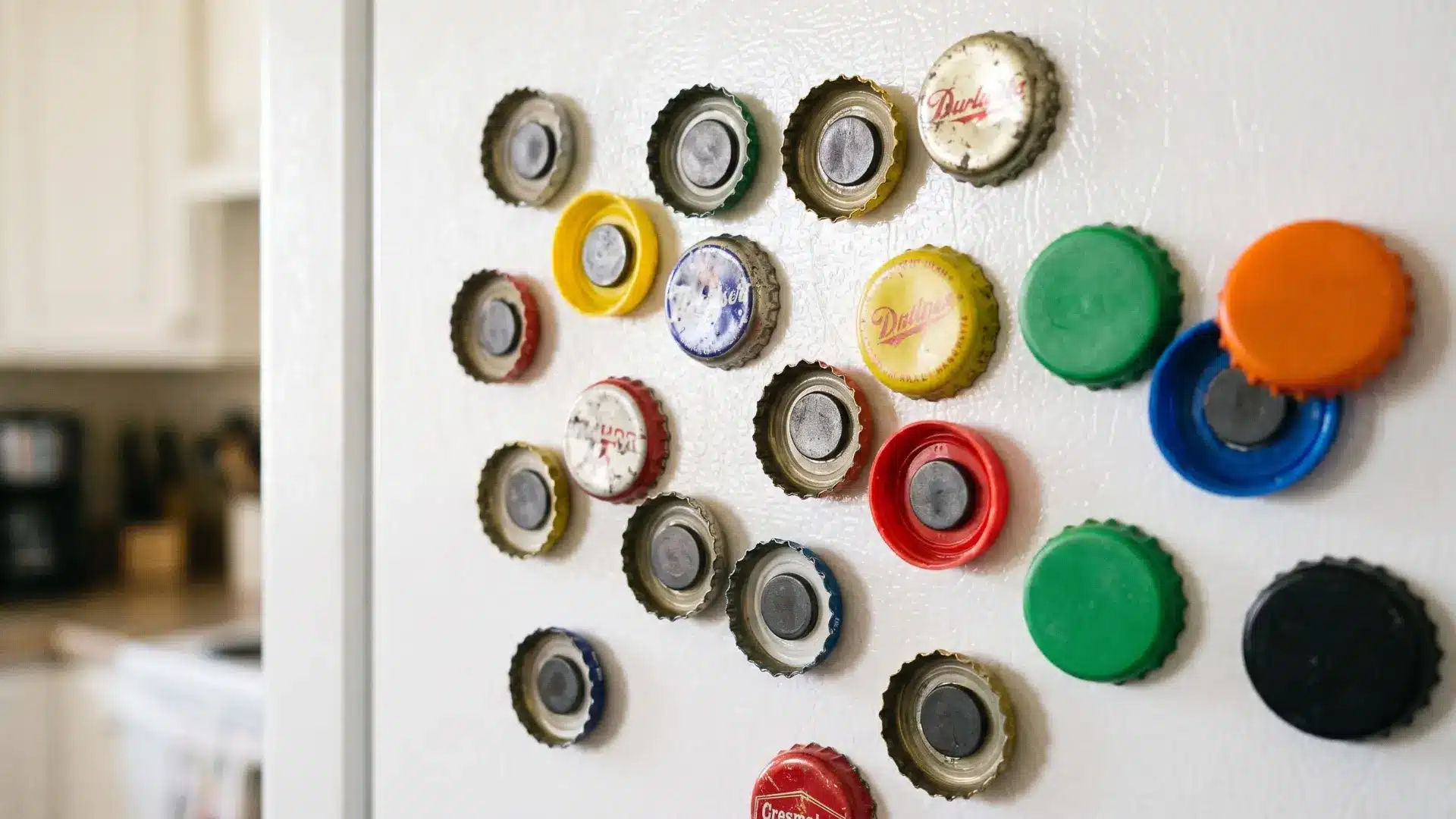
These little bottle caps can be turned into cute crafts with only a few materials. This is a great craft idea for a simple decoration or homemade gift.
- Materials: Bottle caps, magnets, glue, paint, and decorations
- Tips: Clean caps thoroughly and secure magnets firmly
- Why It Works: Small objects can become creative accents
27. Cereal Boxes Into Drawer Dividers
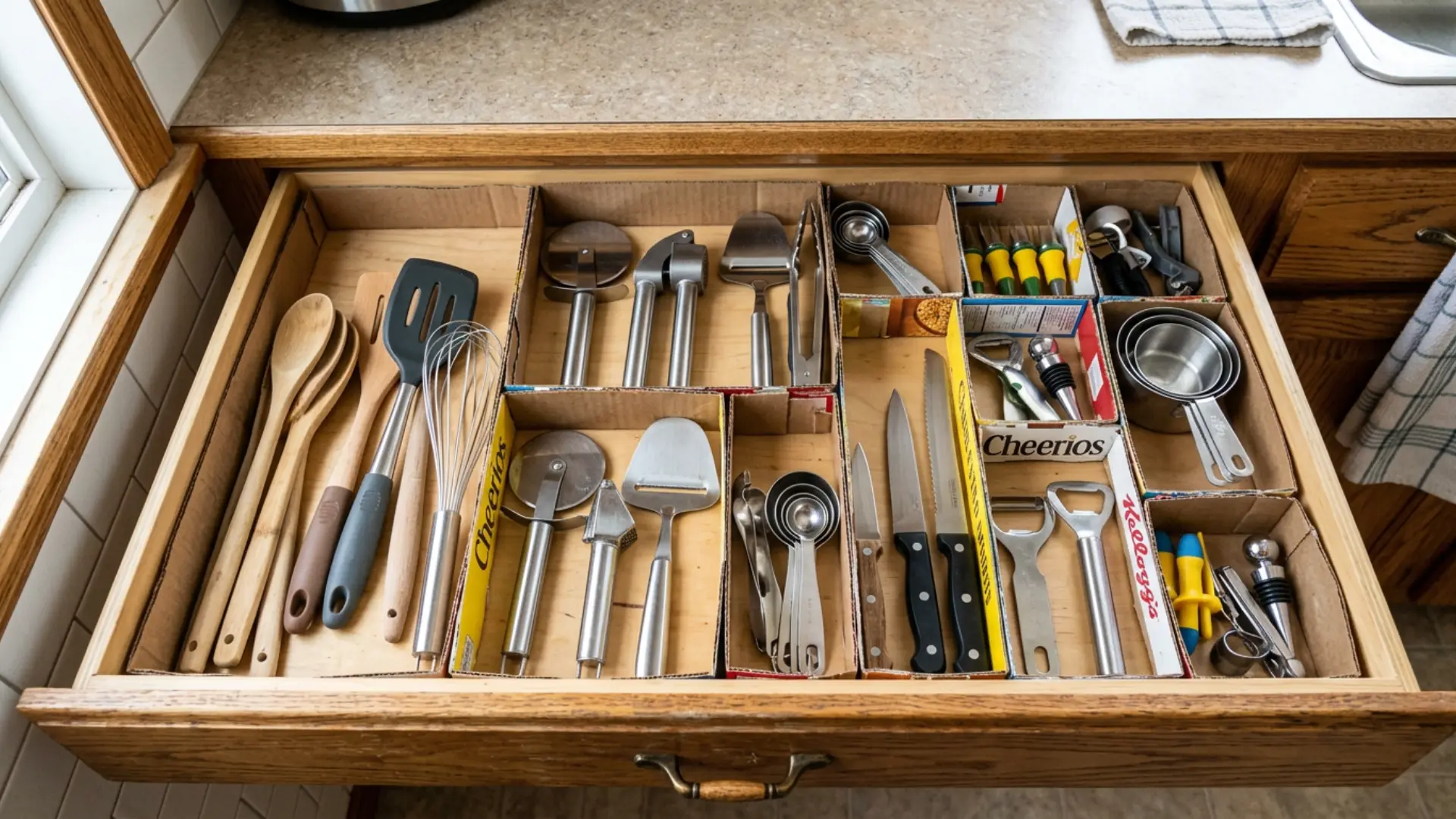
Empty cereal boxes will aid in the organization of drawers without spending money on storage accessories. They are made from cardboard and are very easy to modify and cut.
- Materials: Cereal boxes, scissors, tape, wrapping paper, and labels
- Tips: Measure drawers first and reinforce weak areas
- Why It Works: Cardboard can create lightweight organizers
28. Mason Jar Lids Into Candle Holders

You can turn the used mason jar lids into an elegant candle base. You can use them for various types of decorations because of their round shape.
- Materials: Mason jar lids, wax, wicks, and decorative supplies
- Tips: Use heat-safe materials and place candles carefully
- Why It Works: Small containers can support handmade decor
29. Newspaper Into Gift Wrap

Old newspaper can serve as an alternative to traditional wrapping paper while adding a vintage-style appeal. It’s a simple way to reuse materials that would otherwise be considered waste.
- Materials: Newspaper, ribbon, tape, stamps, and decorations
- Tips: Choose clean pages and add personal touches
- Why It Works: Existing paper can serve another decorative purpose
Trash To Treasure Ideas For Kids And Classrooms
Kids’ upcycling projects are a fun way to turn everyday waste into creative activities. These ideas use simple materials while encouraging imagination, hands-on learning, and an understanding of reuse.
30. Cardboard Box Into a Boat Or Fort
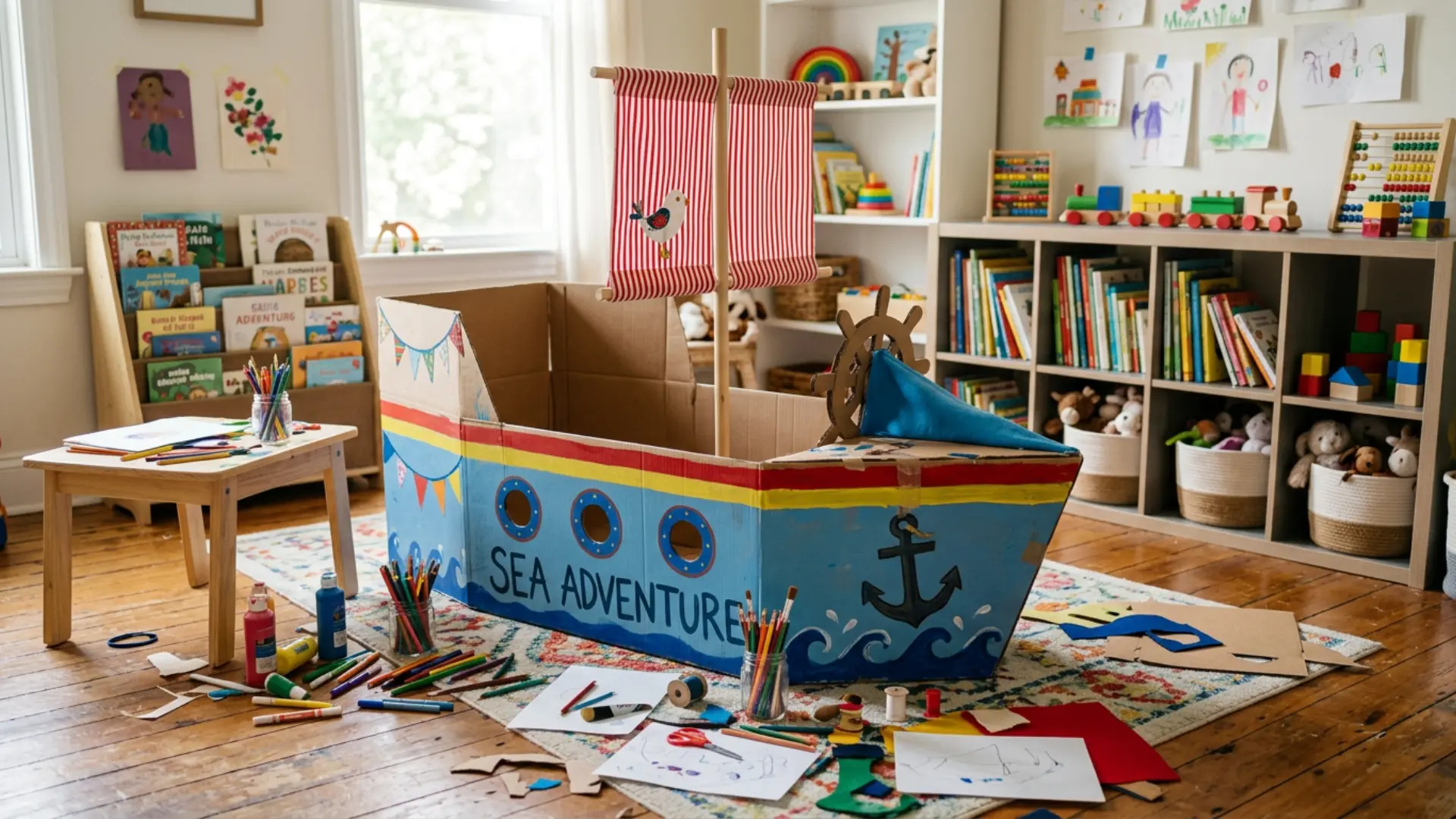
A large cardboard box can easily turn into an imaginative play activity with a bit of creativity. Instead of simply recycling the box, turn it into imaginative places and/or things.
- Materials: Cardboard box, paint, scissors, tape, and craft supplies
- Tips: Choose sturdy boxes and supervise cutting activities
- Why It Works: Large cardboard pieces create flexible play structures
31. Bottle Caps Into a Counting Game
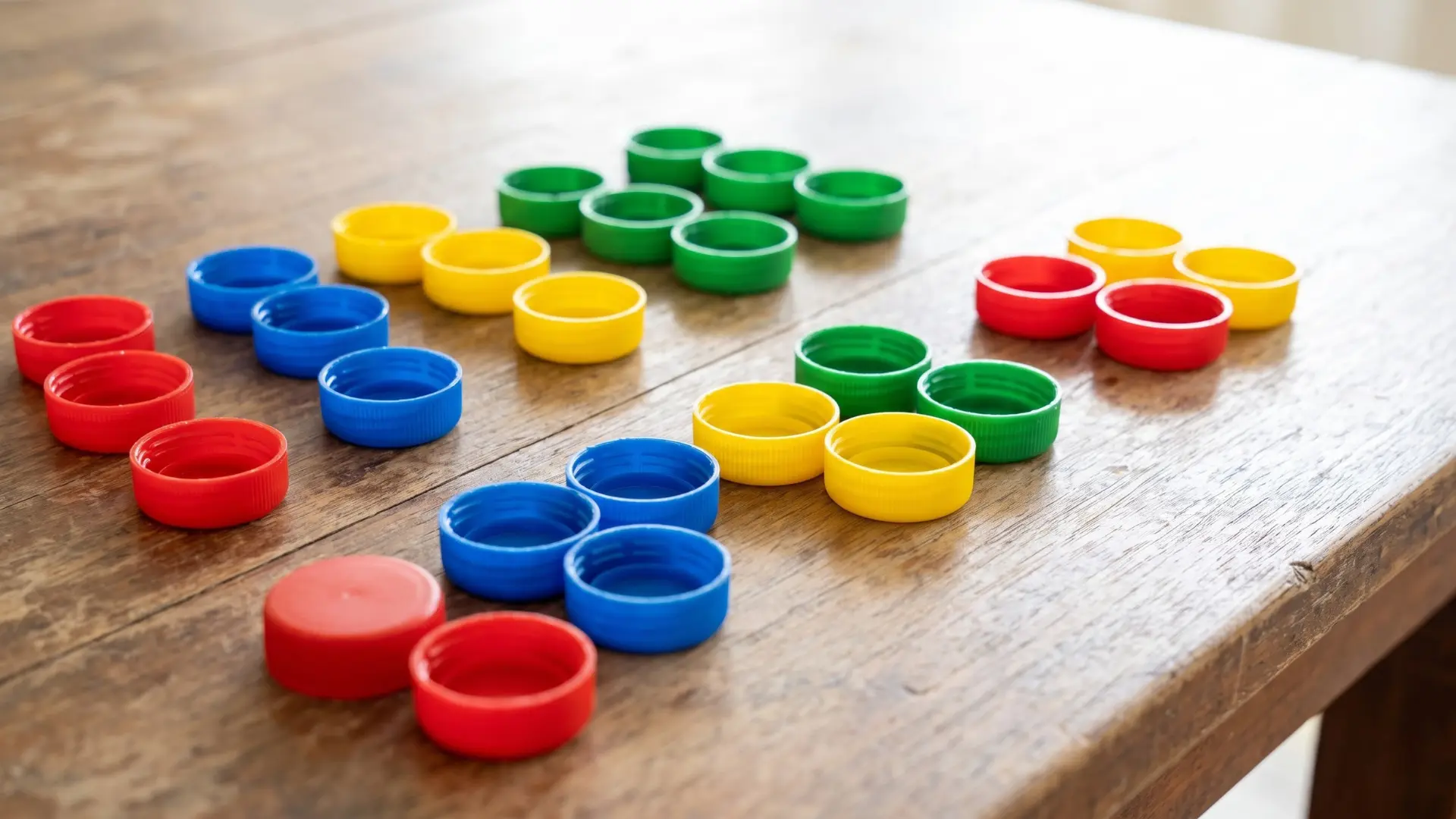
Clean bottle caps can be used as educational materials for toddlers. Because of their miniature size and colorful nature, the caps can be used for sorting, counting, and matching.
- Materials: Bottle caps, markers, containers, and craft supplies
- Tips: Wash caps well and avoid small pieces with toddlers
- Why It Works: Everyday items can support interactive learning
32. Egg Carton Into a Caterpillar Craft
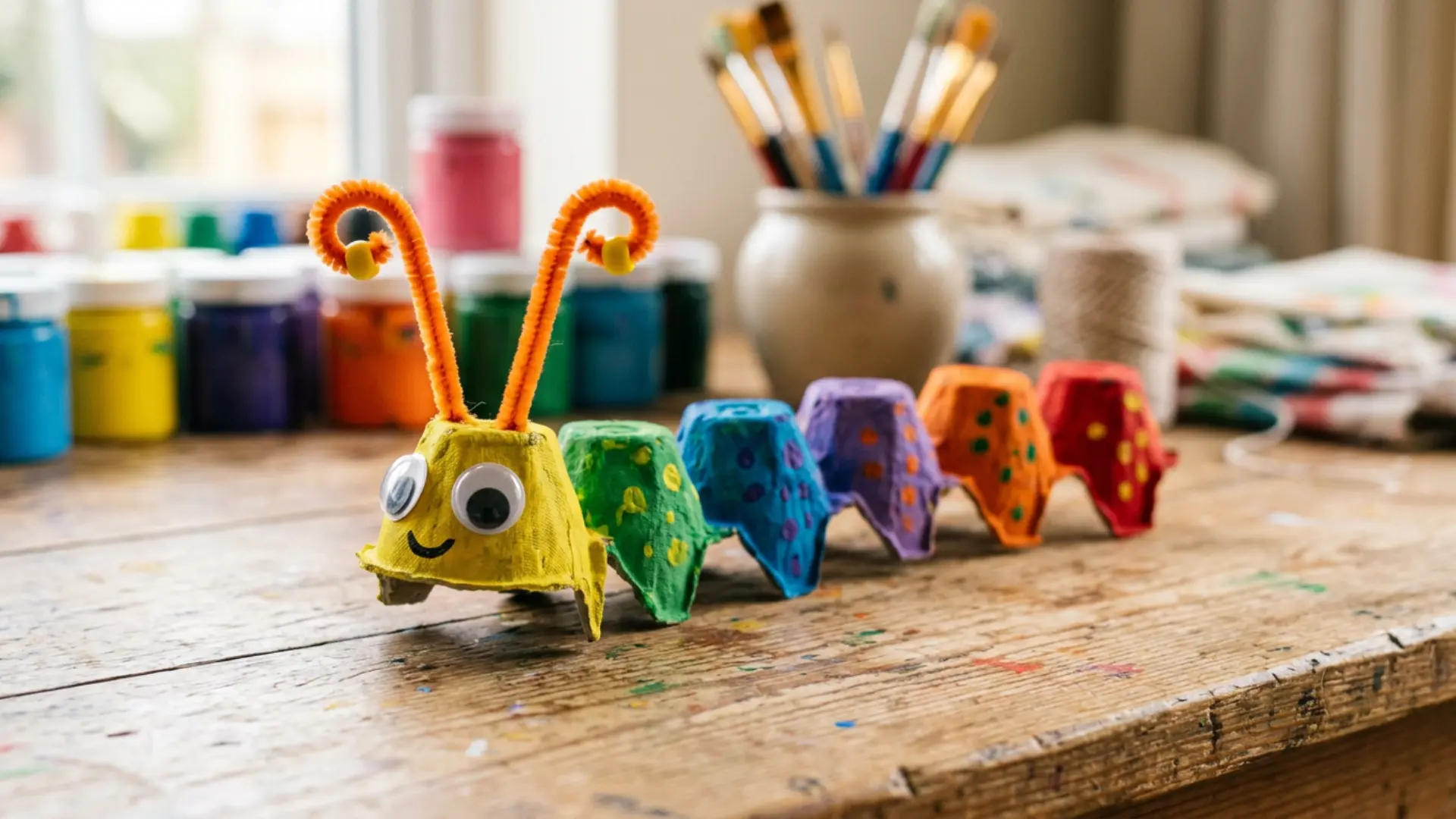
An empty egg carton can become a colorful classroom craft with minimal supplies. This project encourages kids to decorate, create, and explore different textures.
- Materials: Egg carton, paint, pipe cleaners, glue, and decorations
- Tips: Let kids choose colors and allow paint to dry fully
- Why It Works: Simple shapes inspire creative character designs
33. Paper Towel Rolls Into Binoculars
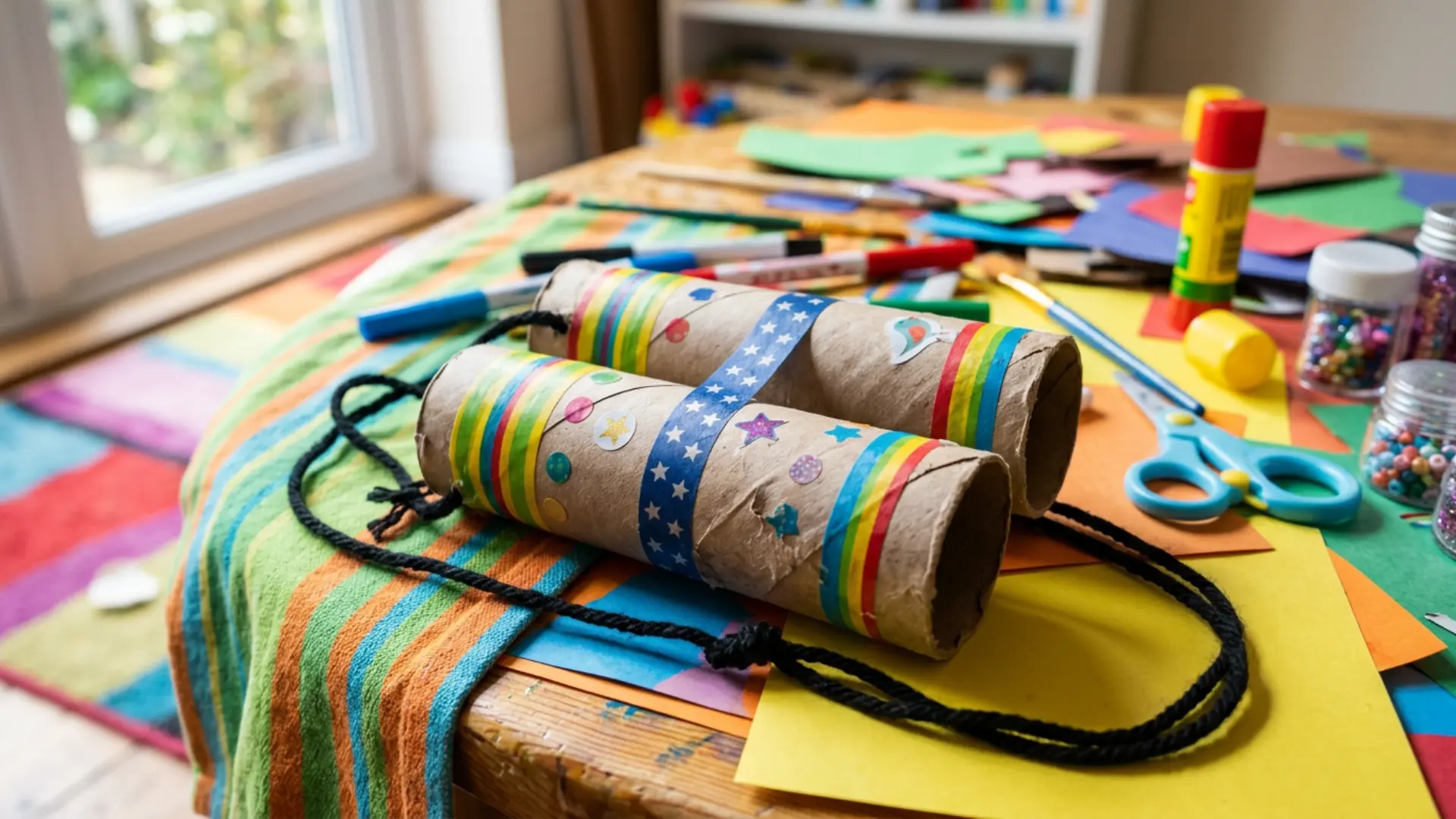
Paper towel rolls are easy craft materials that can become imaginative play accessories. A quick makeover turns them into props for exploring, storytelling, and pretend adventures.
- Materials: Paper towel rolls, tape, string, paint, and decorations
- Tips: Reinforce connections and use child-safe materials
- Why It Works: Basic shapes can become imaginative play tools
34. Cereal Box Into a Puppet Theater
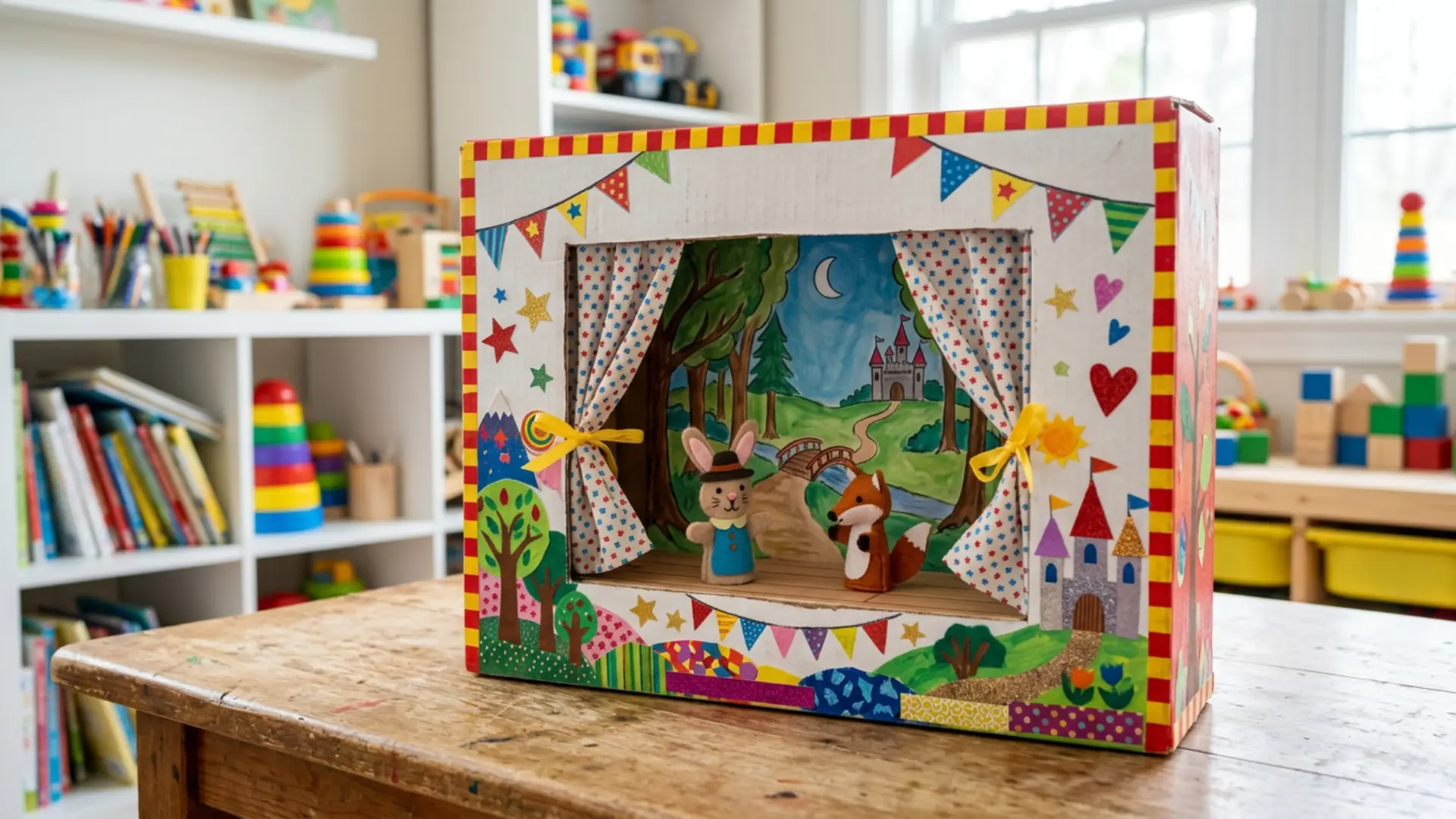
A large cereal box can become a small stage for creative storytelling. This project gives children a way to combine crafting, decorating, and imaginative play.
- Materials: Cereal box, scissors, fabric, glue, and decorations
- Tips: Cut openings carefully and strengthen weak cardboard areas
- Why It Works: Packaging materials can become interactive toys
35. Milk Carton Into a Bird Feeder
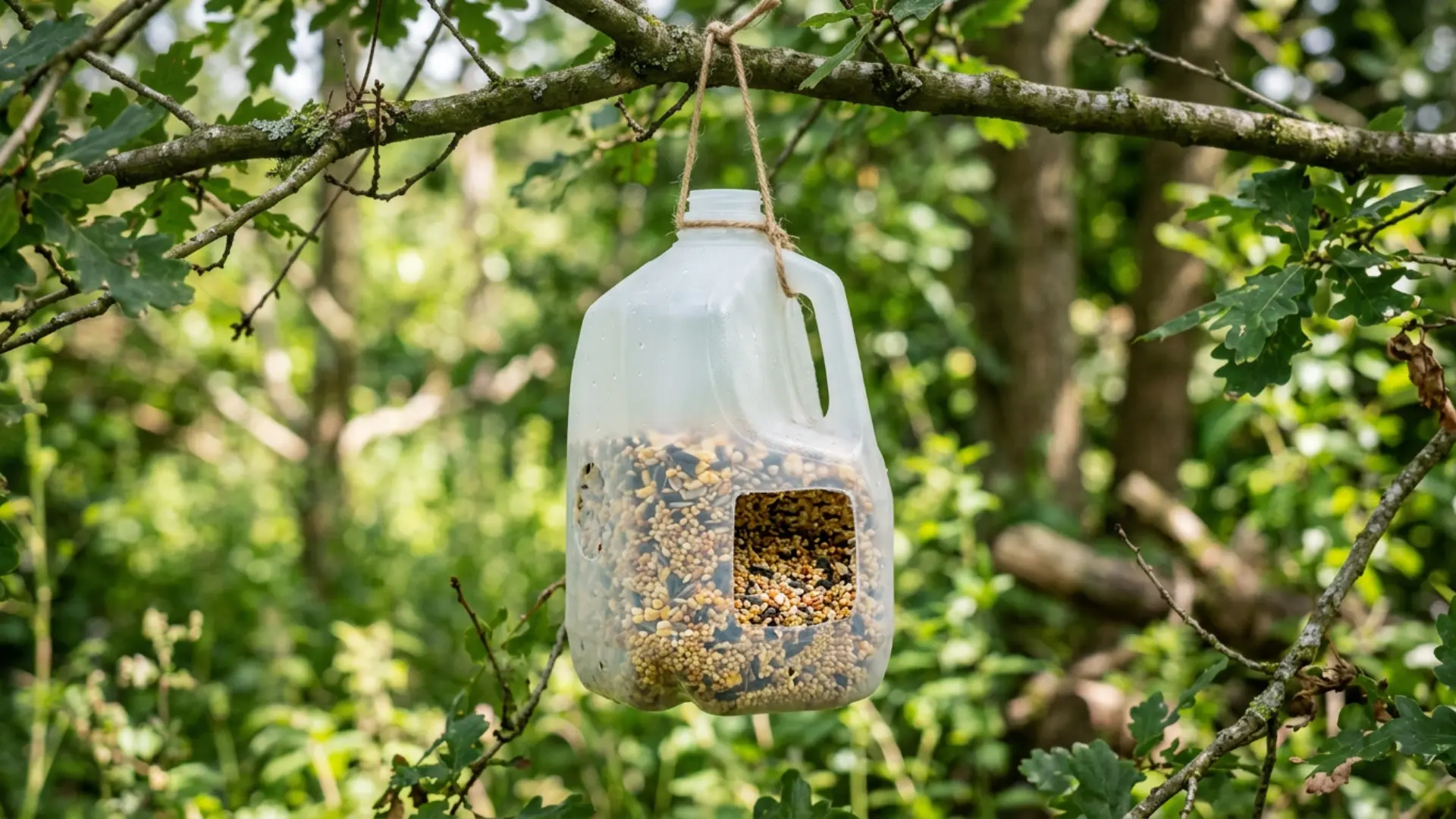
A used milk carton can find a second purpose as a simple bird feeder. This project combines creativity with an opportunity for children to observe nature.
- Materials: Milk carton, paint, string, birdseed, and craft supplies
- Tips: Clean cartons thoroughly and place feeders safely outdoors
- Why It Works: Everyday containers can support outdoor activities
Safety Basics Before You Start Upcycling
Upcycling is an amazing way to give your old products a new lease of life, but you can avoid accidents by doing a quick safety inspection before you begin.
| What To Watch For | What To Do |
|---|---|
| Sharp edges on metal items | Smooth rough edges with sandpaper or a file, or use safer tools when opening cans |
| Old paint on furniture or windows | Treat pre-1978 paint as potentially lead-based. Avoid dry sanding and follow EPA lead-safe work practices when removing old finishes |
| Cracked glass pieces | Wear gloves while handling and avoid using chipped glass for functional projects |
| Strong fumes from paints or adhesives | Work in a ventilated area, preferably outdoors, and keep children and pets away while drying |
| Unstable furniture pieces | Check joints and weight capacity before using restored furniture |
A few extra minutes of preparation can help your trash-to-treasure projects stay safe, durable, and enjoyable from start to finish.
Where To Find More Trash To Treasure Inspiration
Sometimes the hardest part isn’t making a project, but finding the right idea.
When you’re looking for inspiration, these platforms make it easy to browse transformations based on the materials you already have and find ideas for more ways to turn unused materials into art.
- Pinterest: Save ideas by category, from furniture makeovers to garden projects, and build a collection for future DIYs
- YouTube: Watch full tutorials to understand techniques, tools, and project difficulty before starting
- Instagram and TikTok: See quick transformation videos that show real progress, creative ideas, and realistic project timelines
A little browsing can help you spot possibilities in items you might have overlooked around your home.
Can You Actually Sell Upcycled Trash-to-Treasure Projects?
Yes, many people turn upcycled creations into a side income or even a small business. Items like restored furniture, handmade decor, and repurposed crafts can attract buyers looking for unique pieces with more character than mass-produced products.
Before listing your work, research what customers are already buying and find ways to make your projects stand out.
The U.S. Small Business Administration recommends checking existing marketplaces, understanding demand, and creating a clear style or niche when starting a craft business.
You can sell your products online through several venues, such as local craft shows and community fairs.
Conclusion
The best concepts for turning trash into treasure begin with materials you have on hand.
From my own experience, the most rewarding transformations occur when you put a new purpose to use for the discarded objects in the corner of your home.
You don’t need a workshop or fancy equipment to get started. All that is required is the selection of one object that can be found either in the garage, closet, or in the recycle bin and picking one of the ideas from the list below.
Have you tried an upcycling project before, or do you have an item waiting for a makeover? Comment down below and share your trash-to-treasure ideas with us.
Frequently Asked Questions
What Household Items Work Best for Trash-to-Treasure Projects?
Furniture, glass jars, tin cans, cardboard, and wood pieces are great options because they are easy to customize and often durable enough to reuse.
How Do You Start an Upcycling Project?
Choose an unused item at home, clean it, and think of a practical new purpose for it. Start with a simple project that matches your skill level.
Do I Need Special Tools to Start Upcycling?
No. Most projects only require basic supplies like scissors, glue, paint, and sandpaper. Power tools can help but are not necessary.
Is It Safe to Use Old Painted Furniture for Upcycling?
Yes, but take precautions with furniture painted before 1978. Avoid dry sanding and follow safe practices when removing old finishes.
Can You Sell Trash-to-Treasure Projects?
Yes. Many people sell upcycled furniture, decor, and crafts through online marketplaces, local craft fairs, and handmade product platforms.




One Response